Innovative, Objective, Practical

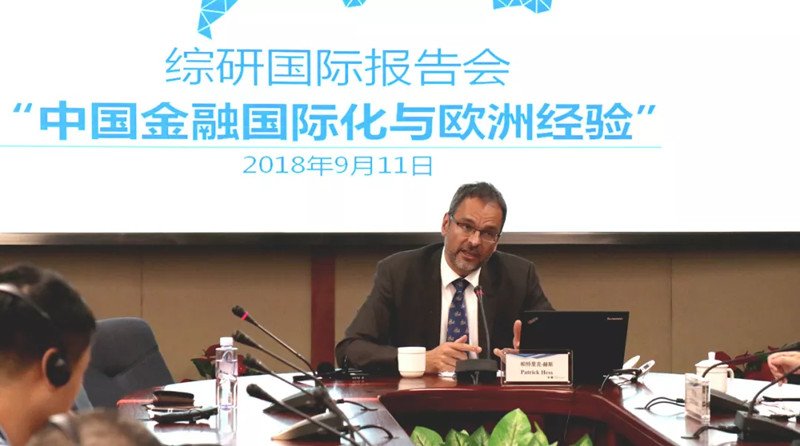
 Safe, efficient and open financial market infrastructures lay foundation for RMB internationalization. CDI invited Mr. Patrick Hess, Senior Market Infrastructure Expert, Directorate General Market Infrastructure and Payments, European Central Bank to elaborate on definition and types of financial market infrastructures, Chinese FMIs and aspects of RMB internationalization, relevance of Chinese FMIs for RMB internationalization, and potential cooperation between Europe and China.
Date: September 11, 2018
Venue: Room 101, CDI Mansion, Shenzhen
Host: CDI
Theme: On Financial Market Infrastructures to Support Financial Innovation
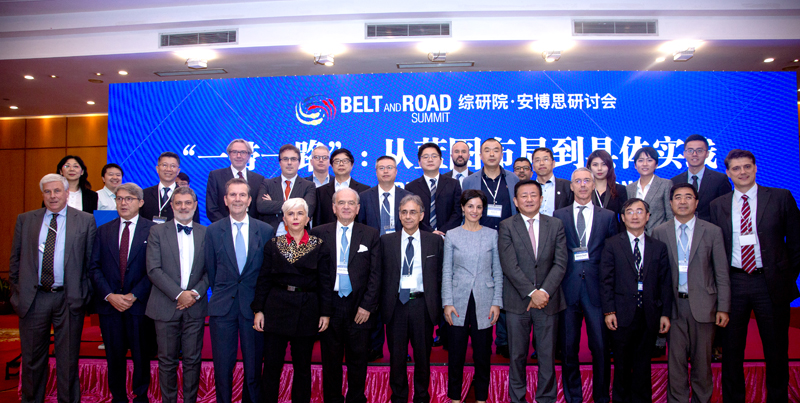
 At present, global economy is facing with great uncertainty and challenge while the intense trade protectionism and friction has seriously affected the development of international economic and trade relations. With the advance of the Belt and Road Initiative, Chinese investment experiences challenges while promoting European connectivity, economic growth and China-EU cooperation. The Summit focuses on how to promote economic connection and cooperation among Eurasian countries under the framework of the Belt and Road Initiative in current world situation.
Date: November 22, 2018
Venue: Shenzhen Room, Wuzhou Guest House, Shenzhen
Host: China Development Institute and The European House – Ambrosetti
Theme: Belt and Road Initiative: From Vision to Action
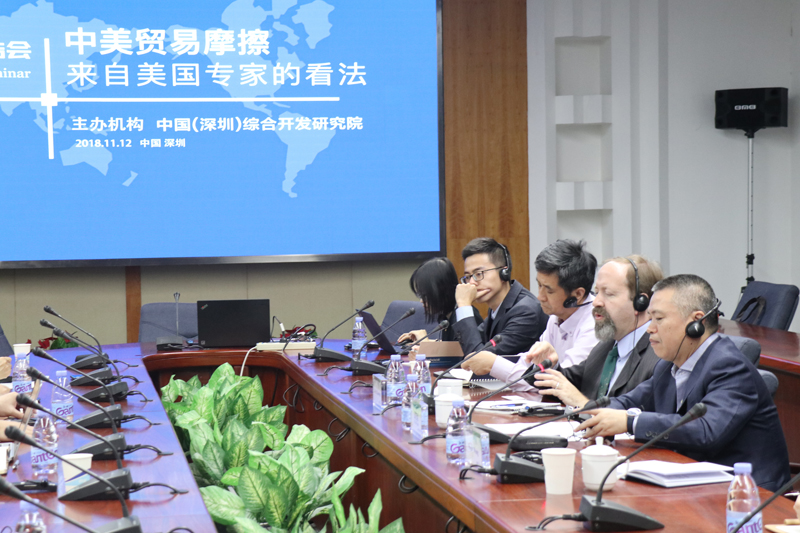
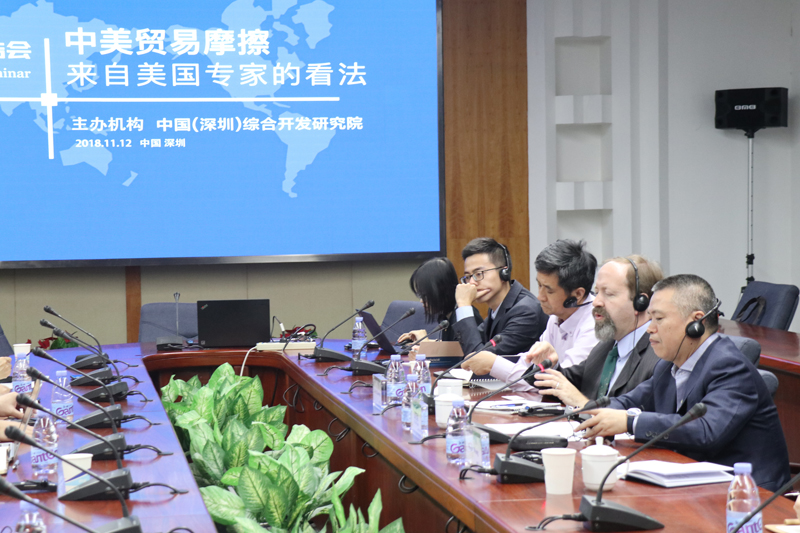 China-US trade frictions have brought negative impact on the bilateral trade and economic relations and also created uncertainties for the world economy. What are the causes for China-US trade frictions? What is the impact on the China-US trade frictions? What can be done to promote the China-US economic relations to move from competition to collaboration?
Date: November 12, 2018
Venue: Room 101, CDI Mansion, Shenzhen
Host: CDI
Theme: China-U.S. Economic Relations: A Mixture of Challenges and Cooperation
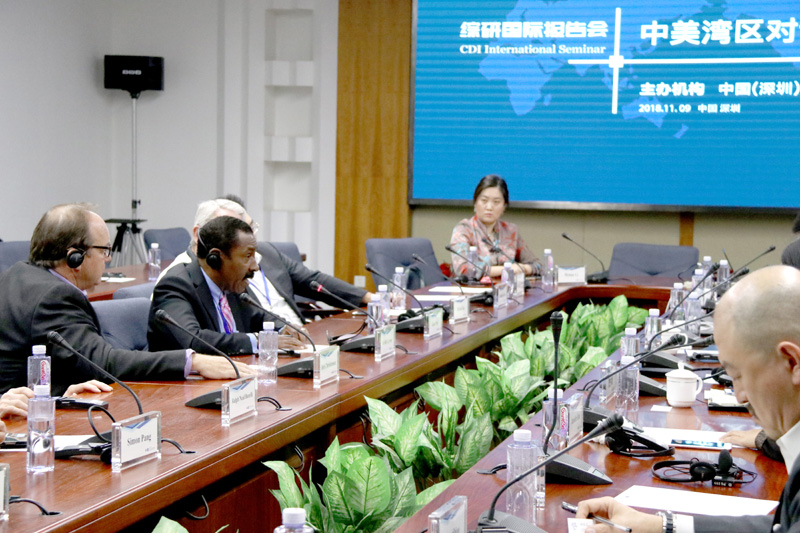
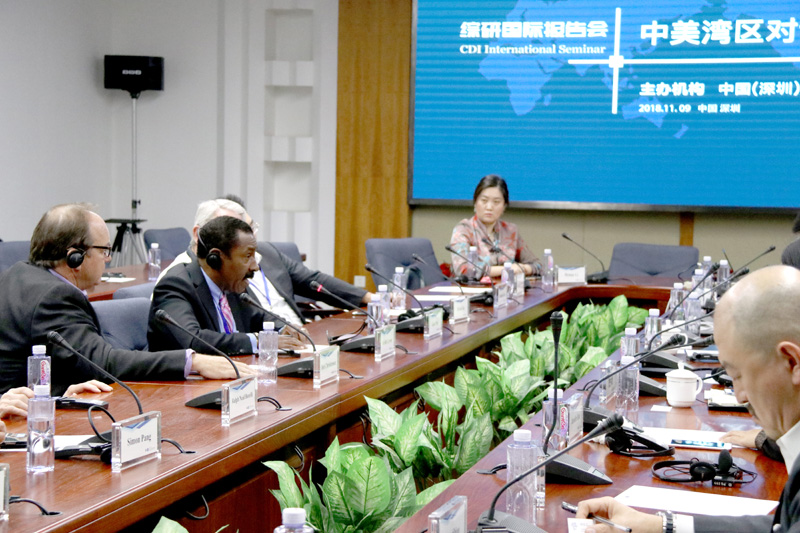 CDI and Bay Area Council co-organized the dialogue between the Guangdong-Hong Kong-Macau Greater Bay Area and San Francisco Bay Area which discussed the potential cooperation fields for the two bay areas.
Date: November 9, 2018
Venue: Room 101, CDI Mansion, Shenzhen
Host: CDI
Theme: On Bay Areas in China and US
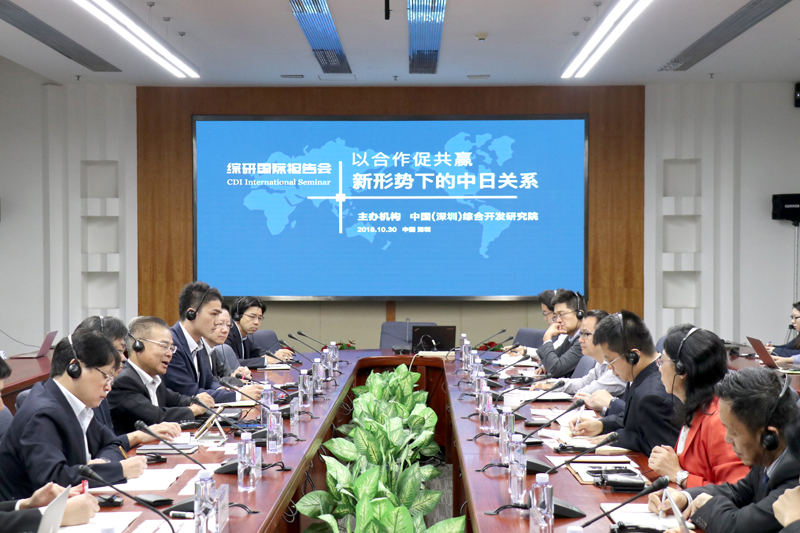
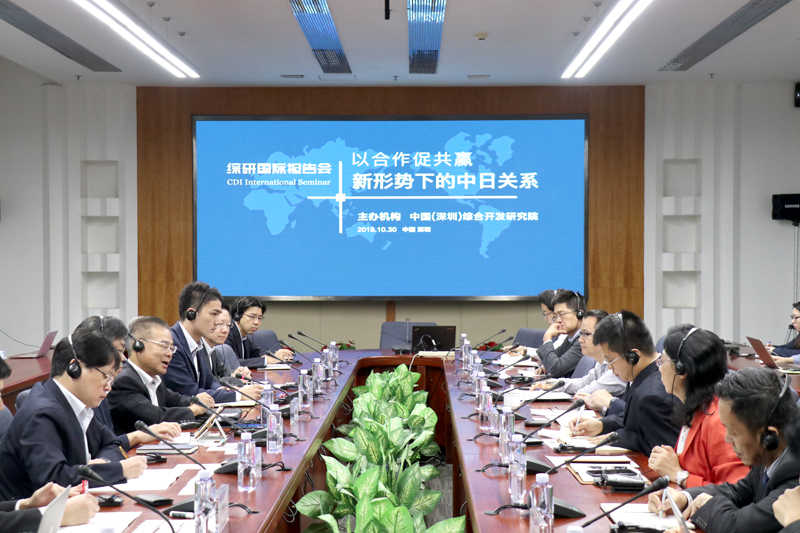 2018 is a year of uncertainties and challenges. The global economic orders have been challenged by protectionism and unilateralism. What impact does the US-China trade tension have on Chinese economy and the world economy? What experience can China learn from Japan-US trade frictions? How can China and Japan enhance their cooperation to address global economic uncertainties? What experience can China learn from Japan to promote its industrial upgrading and scientific innovation?
Date: October 30, 2018
Venue: Room 101, CDI Mansion, Shenzhen
Host: CDI
Theme: On China-Japan Cooperation for Win-Win Benefits
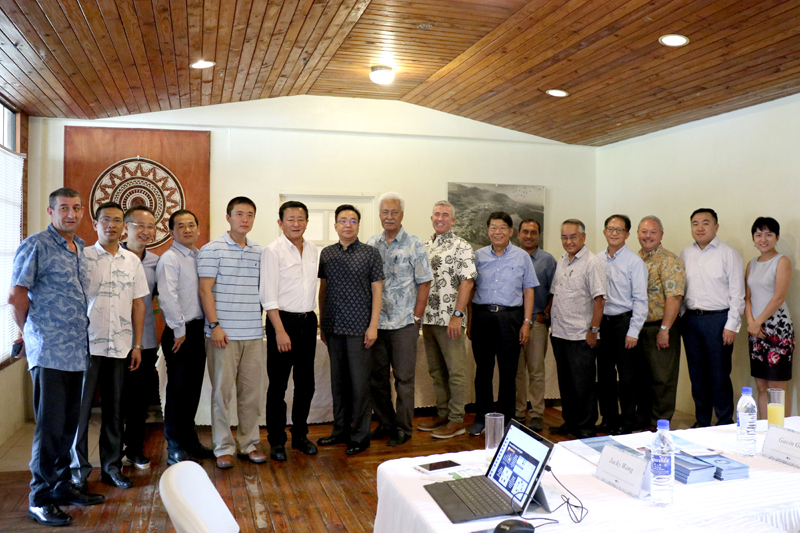
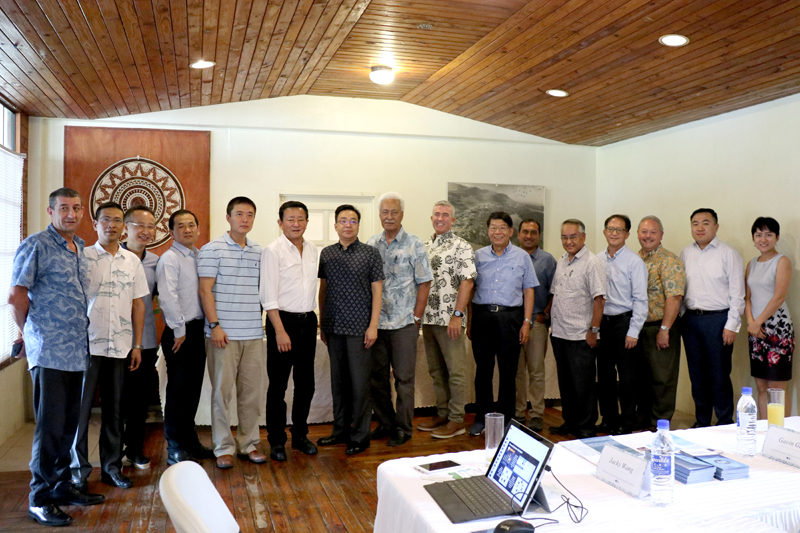 The China-Pacific Islands cooperation on marine ecological conservation, blue economy, maritime security, marine technological innovation and maritime governance has yielded early results under the framework of the 21st Century Maritime Silk Road. In order to improve infrastructure, create employment, alleviate poverty and achieve sustainable development, China and the Pacific Islands should synergize their development strategies and deepen the maritime economic cooperation while advocating the principles of equal negotiation, joint development and benefits sharing.
Date: September 27, 2018
Venue: Cliff Rainbow Hotel, Kolonia, Pohnpei, Federated States of Micronesia
Organized by: China Development Institute and China-Pacific Islands Economic and Culture Association
Supported by: Government of Federated States of Micronesia
Theme: Win-Win Cooperation and Shared Growth
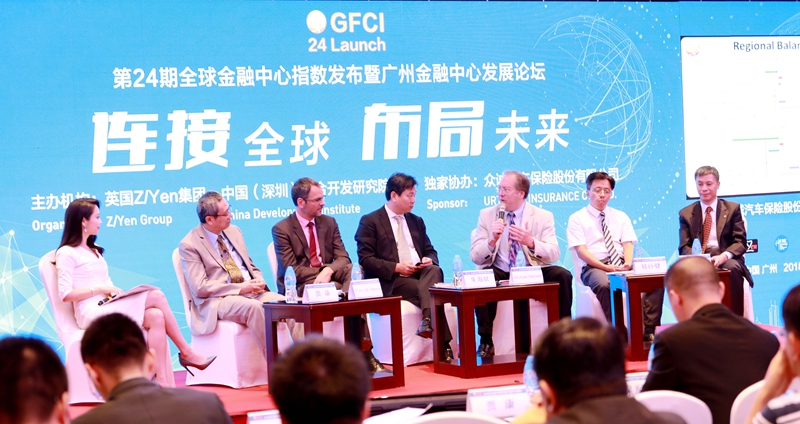
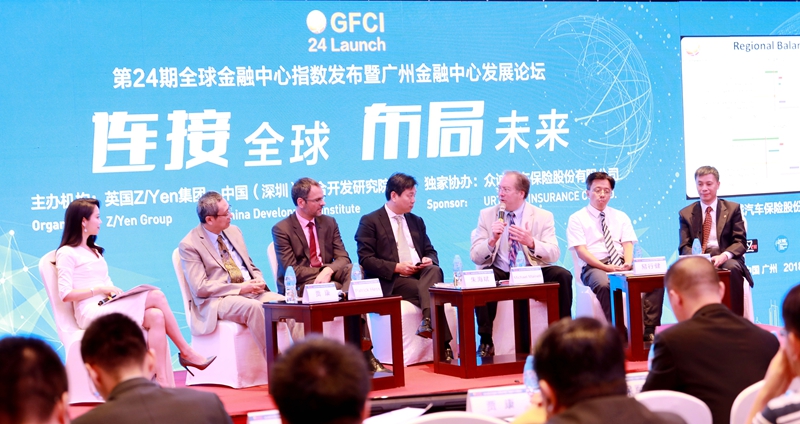 A financial centre, a city that is home to a cluster of financial services, plays a significant role in incentivizing business activity and promoting economic development. In the Guangdong-Hong Kong-Macao Greater Bay Area, the financial sector is an important pillar for its development. Therefore, Guangzhou has set a goal of turning into a financial centre which is in line with the national financial reform and the China (Guangdong) Pilot Free Trade Zone.
Date: September 12, 2018
Venue: Magnolia-Dahlia Hall, F3, LN Garden Hotel, Guangzhou, China
Organizers: Z/Yen Group and China Development Institute
Sponsor: Urtrust Insurance Co., Ltd.
Theme: Guangzhou Financial Centre: Connecting World and Preparing for Future
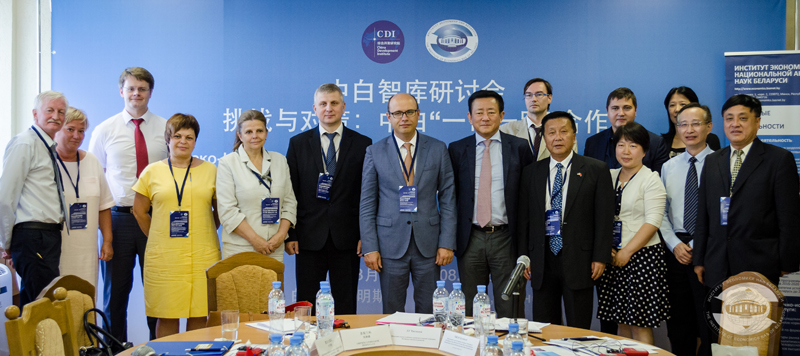
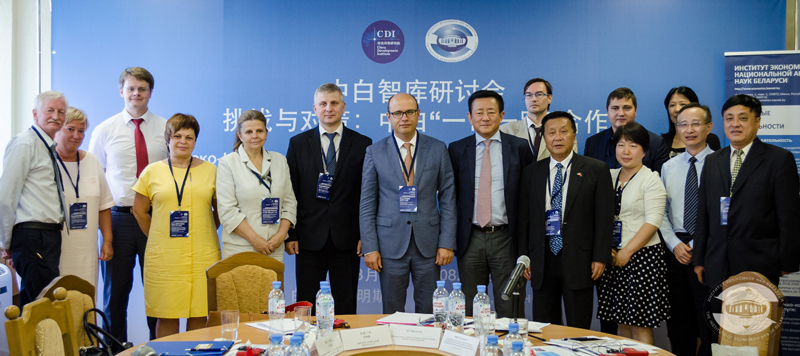 Since 2015, Sino-Belarus relations in economy and trade have grown continuously and rapidly. Both parties have reached a consensus to foster the new growth point for bilateral cooperation, further intensify the cooperation in economy, trade, and investment, and advance the construction of Sino-Belarus industrial park. The seminar aims to establish a platform in which, government officials, experts and scholars, as well as representatives of enterprises from both China and Belarus will have a dialogue on industrial parks construction, standards connectivity and risk management.
Date: August 9, 2018
Venue: National Academy of Sciences of Belarus
Host: CDI, The Institute of Economics of the National Academy of Sciences of Belarus, China Merchants Group
Theme: China-Belarus Cooperation on Belt and Road Initiative: Challenges and Solutions
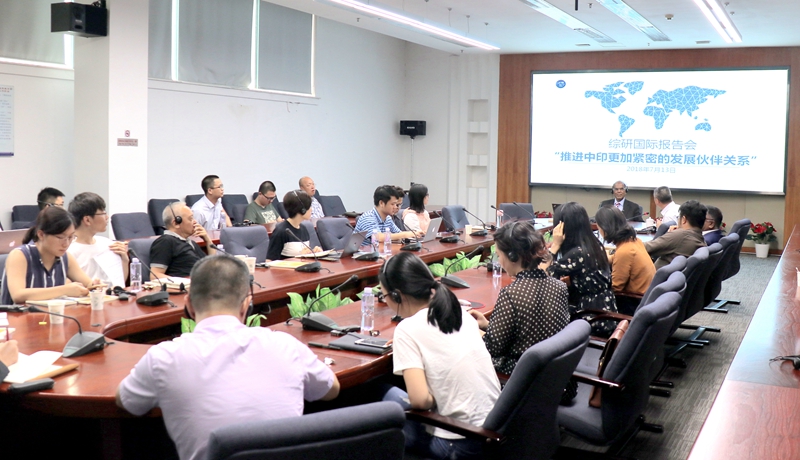
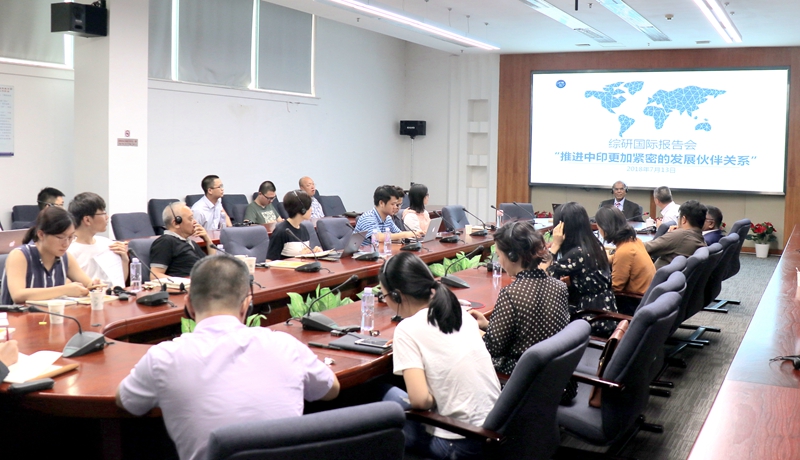 Theme: China-India Cooperation under BRICS Framework
The new decade heralds a golden age for BRICS countries. To promote China-India trade ties in the spirit of pursuing mutual benefits and win-win results will inject new vitality into the China-India relation and cooperation among BRICS countries.
In the context, how can China and India synergize Belt and Road Initiative with Make in India? How can the two developing countries work together to engage into global supply chain and move up on the global value chain? How can they cement cooperation in emerging industries?
Date: July 13, 2018
Venue: Room 101, CDI Mansion, Shenzhen
Host: CDI
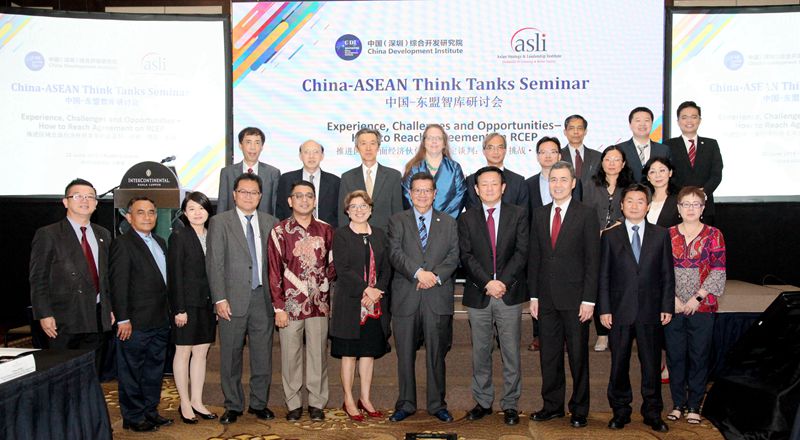
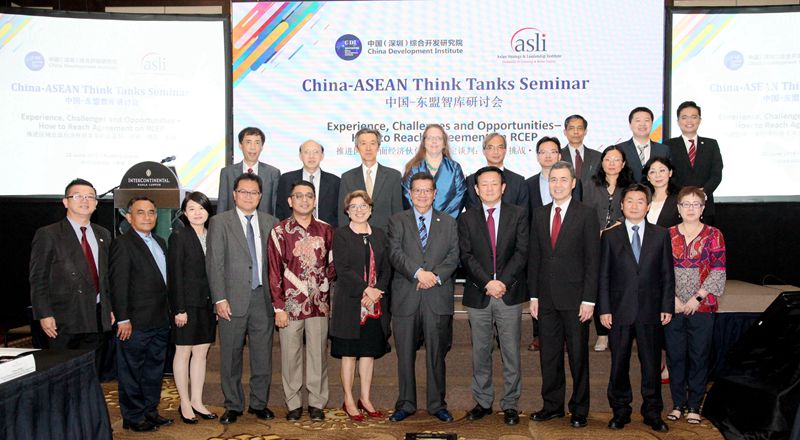 Date: June 22, 2018
Venue: Junior Ballroom, InterContinental Kuala Lumpur
Host: CDI and Asian Strategy & Leadership Institute (ASLI)
Theme: Experience, Challenges and Opportunities – How to Reach Agreement on RCEP
If completed, the Regional Comprehensive Economic Partnership (RCEP) will create the world's largest free trade area, covering almost half of the world’s population and contributing about 30 per cent of global GDP. The Ministers from the 16 RCEP participating countries reaffirmed their resolve to meet the Leaders’ instruction to intensify efforts in 2018 towards the conclusion. The 11 remaining countries in the Tans-Pacific Partnership (TPP) have forged ahead with a new deal without the United States. What does this mean to the RCEP? Should the RCEP still move on? What should be done to push forward the RCEP? What are the differences between the RCEP and the TPP?
Although the potential future economic scenario is good, the RCEP is still confronted with obstacles and challenges. It takes time to negotiate a new set of rules and obligations, such as tariff rates, intellectual property rights, trade and investment etc. In spite of this, the flexible and pragmatic approach of the RCEP is expected to be more suitable for the developing countries in Asia.
In order to push forward the RCEP negotiation, countries in the region need to exert effort on proposing constructive suggestion. How can the RCEP build on the experience of the TPP? What challenges will the RCEP be faced with in the course of future talks? What opportunities will the RCEP deliver for the 16 RCEP participating countries? These are the focus for the discussion during the meeting.
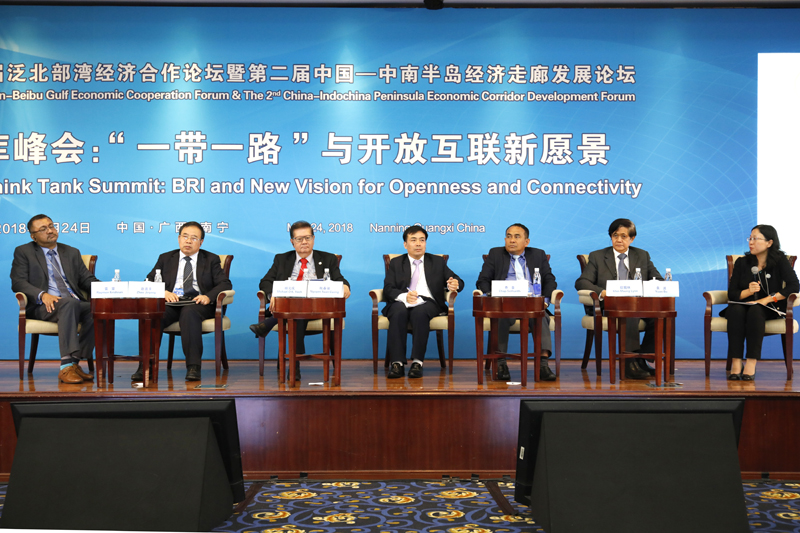
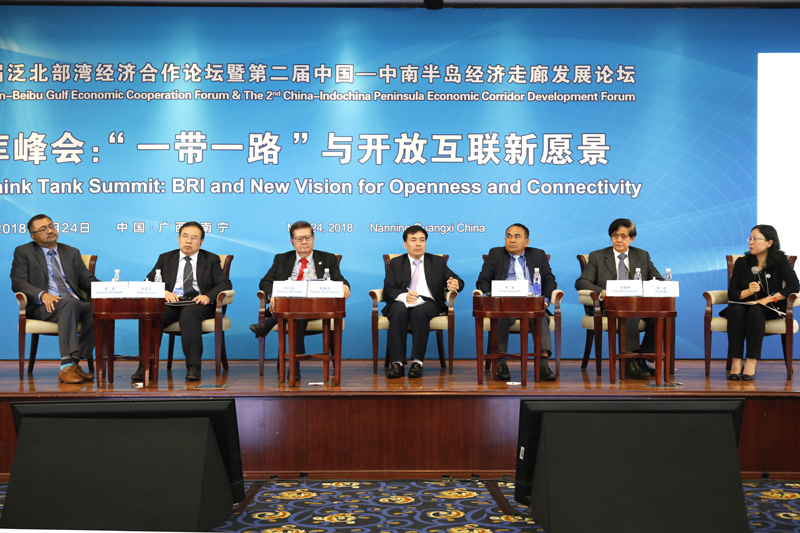 With the theme of "The Southern Transport Corridor – A New Route of International Trade across Land and Over Sea" under the Belt and Road Initiative, the 2018 Pan-Beibu Gulf Think Tank Summit strives to promote a new pattern of opening-up featuring interconnected land-sea development and active east-west interaction, as well as the transformation and upgrading of Pan-Beibu Gulf cooperation.
Date: May 24, 2018
Venue: International Conference Center, Liyuan Resort, Nanning, China
Host: The People’s Government of Guagnxi Zhuang Autonomous Region and CDI
Theme: Belt and Road Initiative and New Vision for Openness and Connectivity
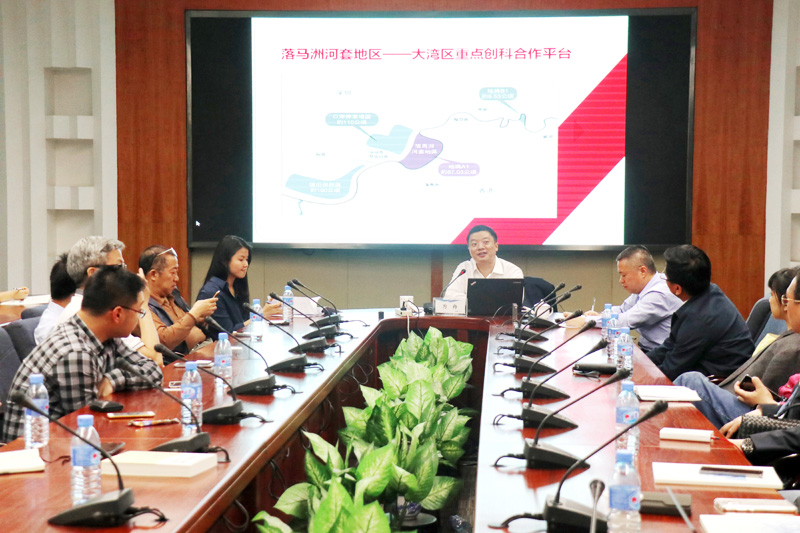
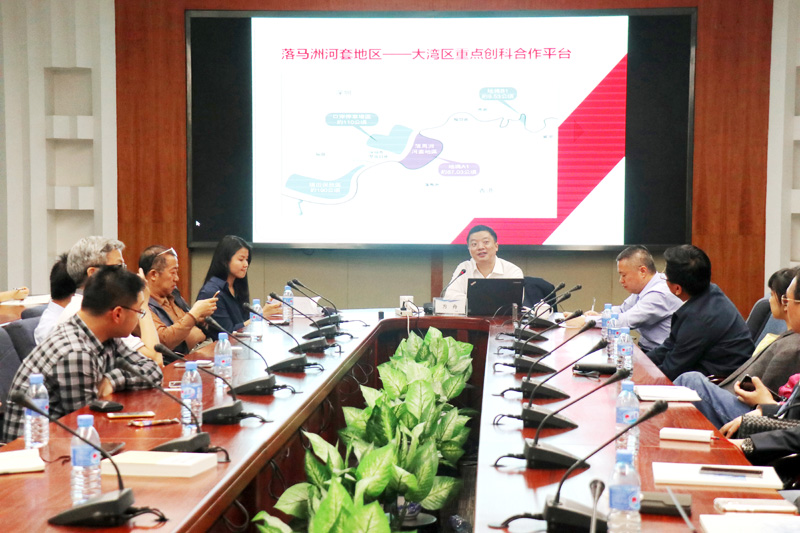 CDI invited Dr. FANG Zhou from One Country Two Systems Research Institute Limited to share his ideas on science and technology innovation collaboration, human resource integration, industry transformation and upgrading, as well as the building of an international platform between Shenzhen and Hong Kong.
Venue: Room 101, CDI Mansion, Shenzhen
Host: CDI
Theme: Boost Science and Technology Innovation in Guangdong-Hong Kong-Macao Greater Bay Area