
Innovative, Objective, Practical
Below you will find a selection of books published by CDI
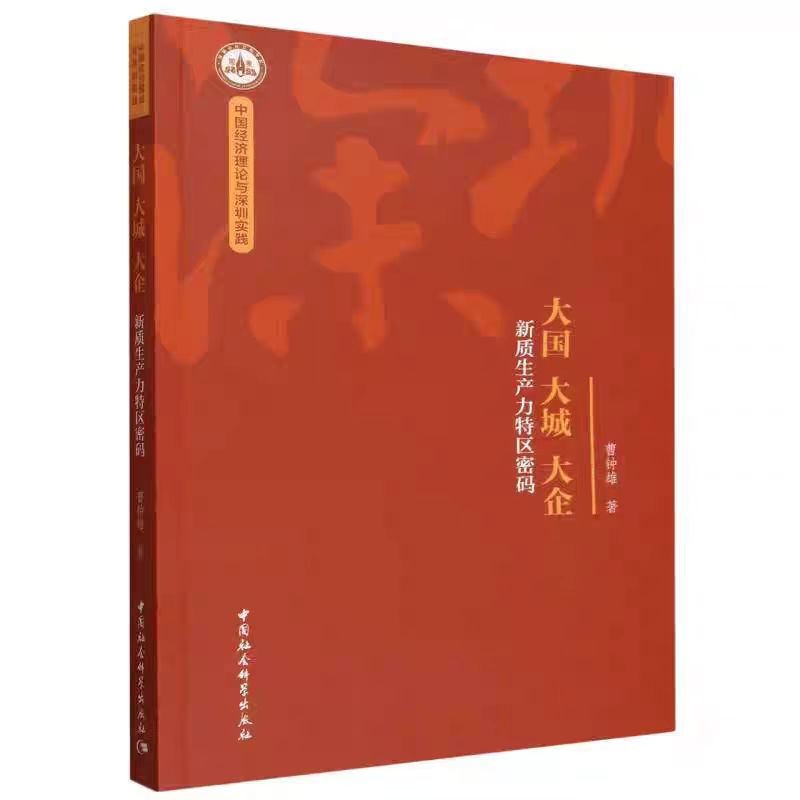
This book takes Shenzhen as an example to analyze the successful experiences of Shenzhen in exploring and developing new quality productive forces.
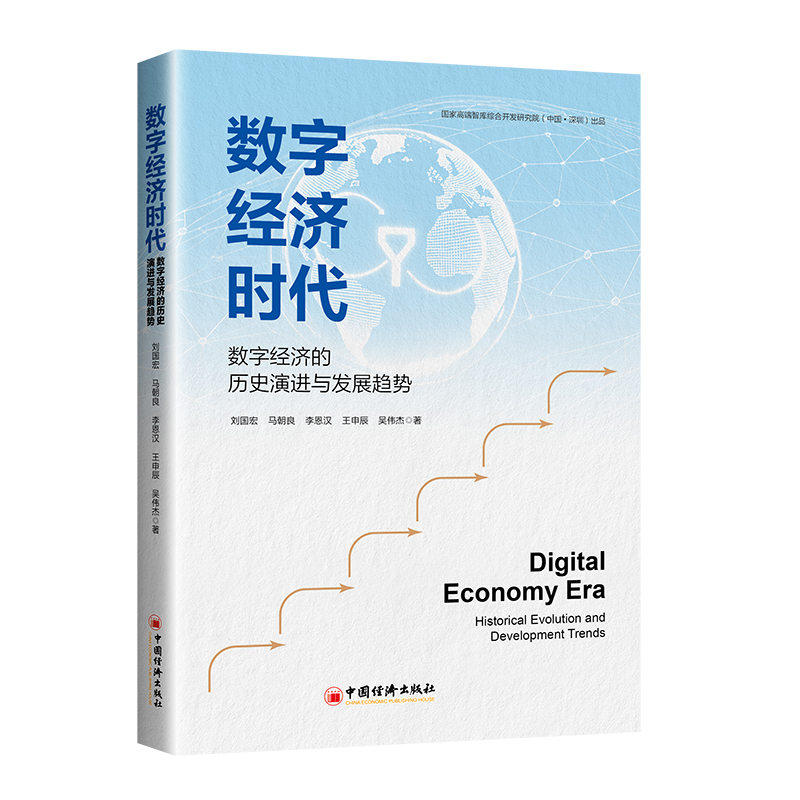
This book systematically reviews the origins and connotations of digital economy theory, the characteristics and future trends of the digital economy, as well as data as a core production factor, its rights confirmation, assetization, and circulation mechanisms.
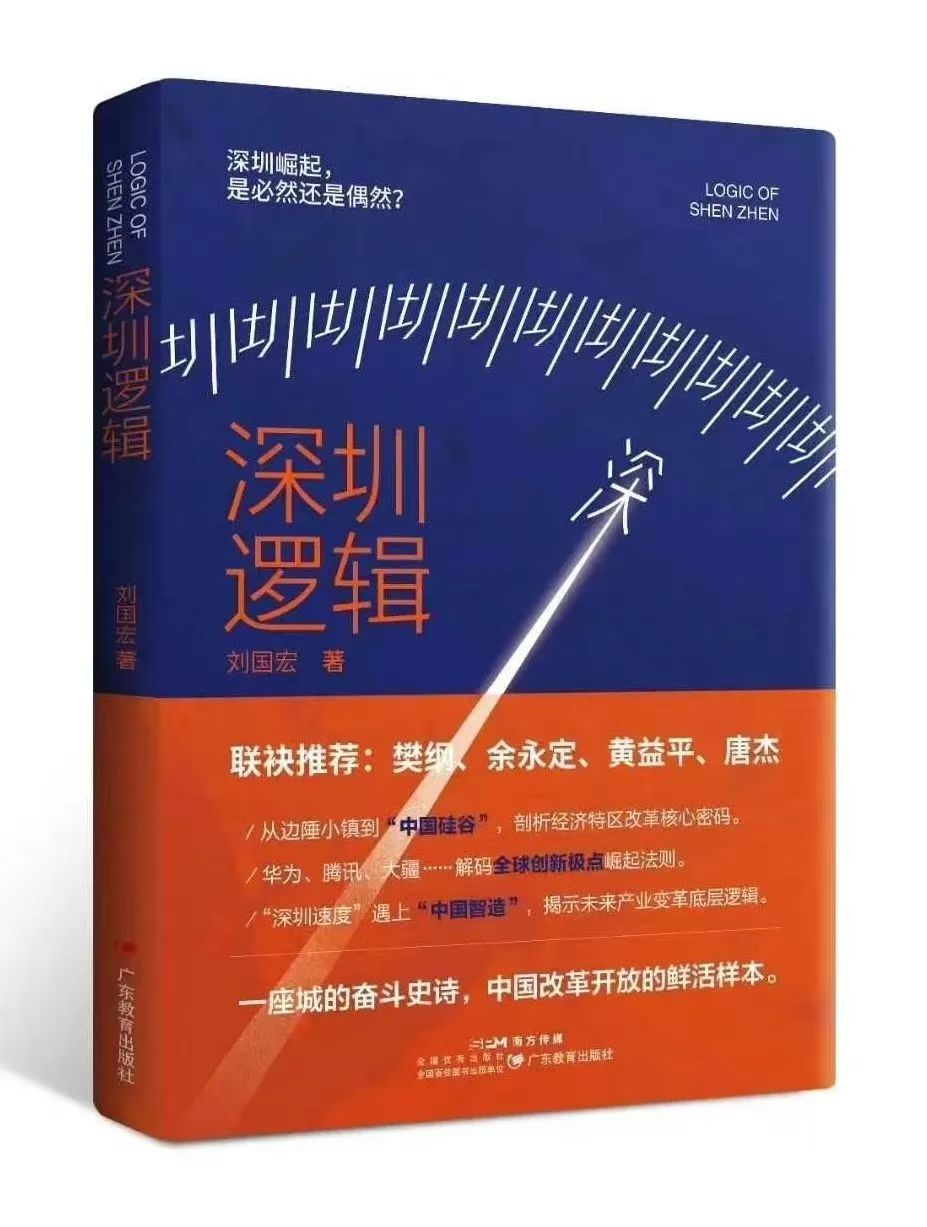
This book explores the underlying mechanisms and approaches in the construction of the Shenzhen Special Economic Zone, and analyzes the logic behind Shenzhen's development and reform.
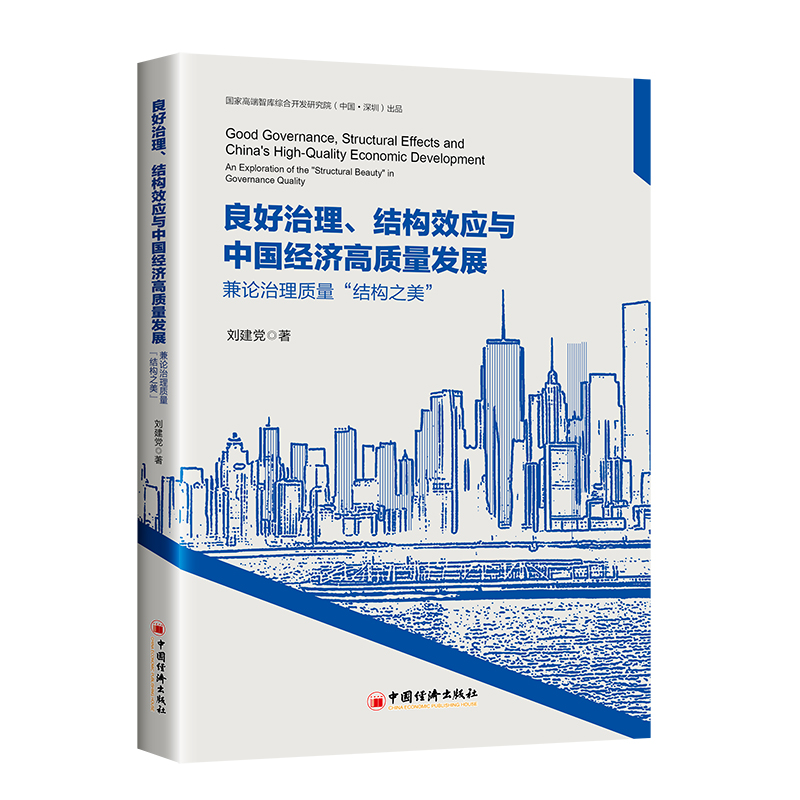
This book examines the structural effects and interaction effects of good governance on high-quality economic development, analyzing the governance structures, governance behaviors, and industrial development performance corresponding to different stages of industrial development across economies of various scales.
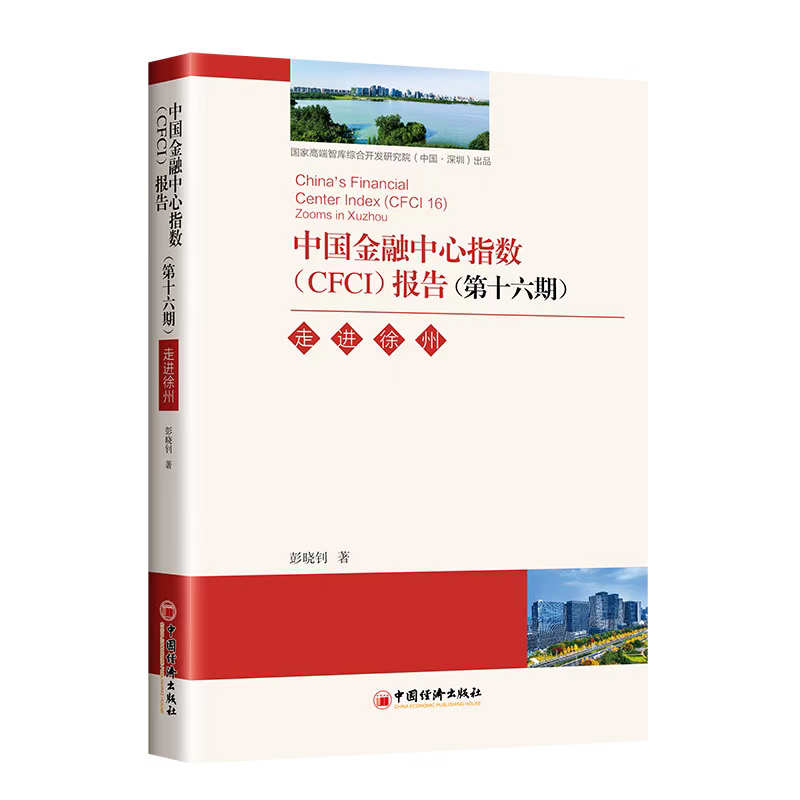
CFCI 16 made two adjustments: 1. Optimized the indicators under the financial industry performance evaluation dimension; 2. Xuzhou and Quanzhou entered CFCI for the first time, expanding the total number of financial centers to 38.
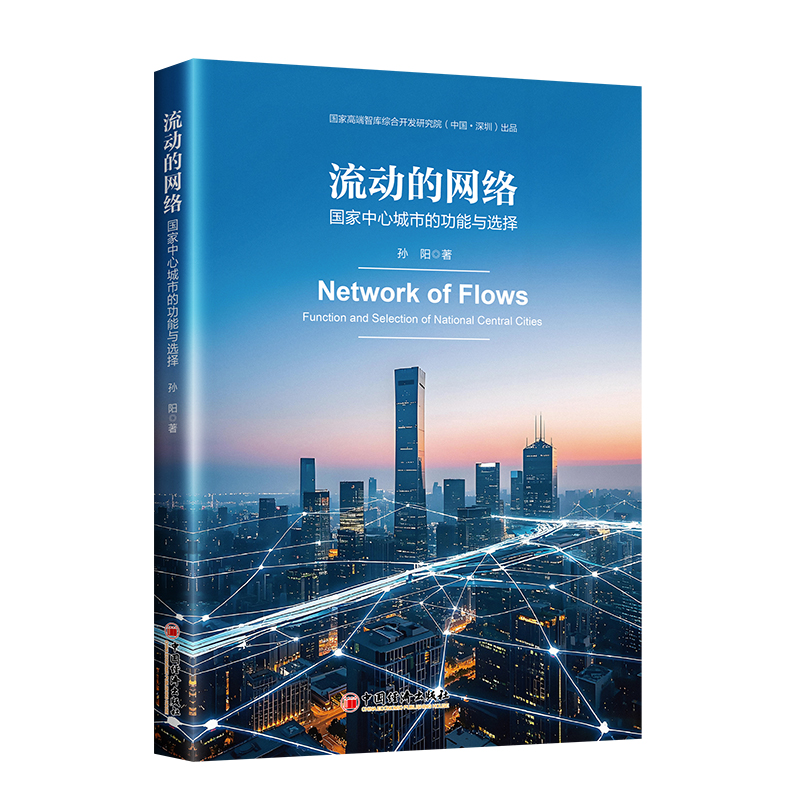
This book examines urban flow networks and national central cities, proposing a spatial analysis framework for urban flows. It also conducts empirical analysis using multi-dimensional data to explore the formation and development mechanisms of national central cities.
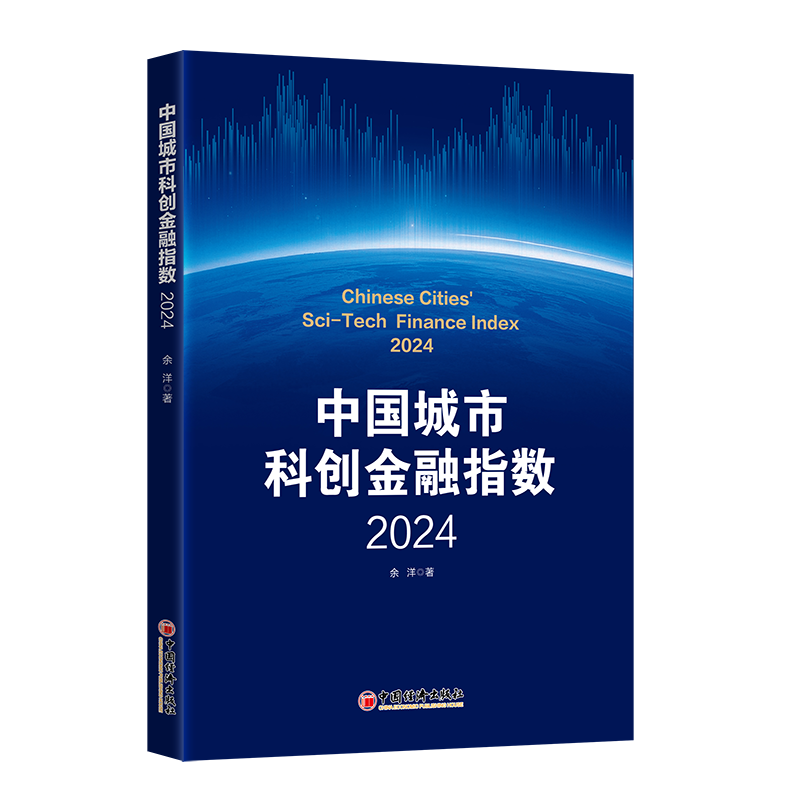
This Index provides a scientific, quantitative, and comprehensive evaluation of the dynamic changes in the development of sci-tech finance across major Chinese cities, offering a forward-looking reflection of the prosperity of China's sci-tech finance development.
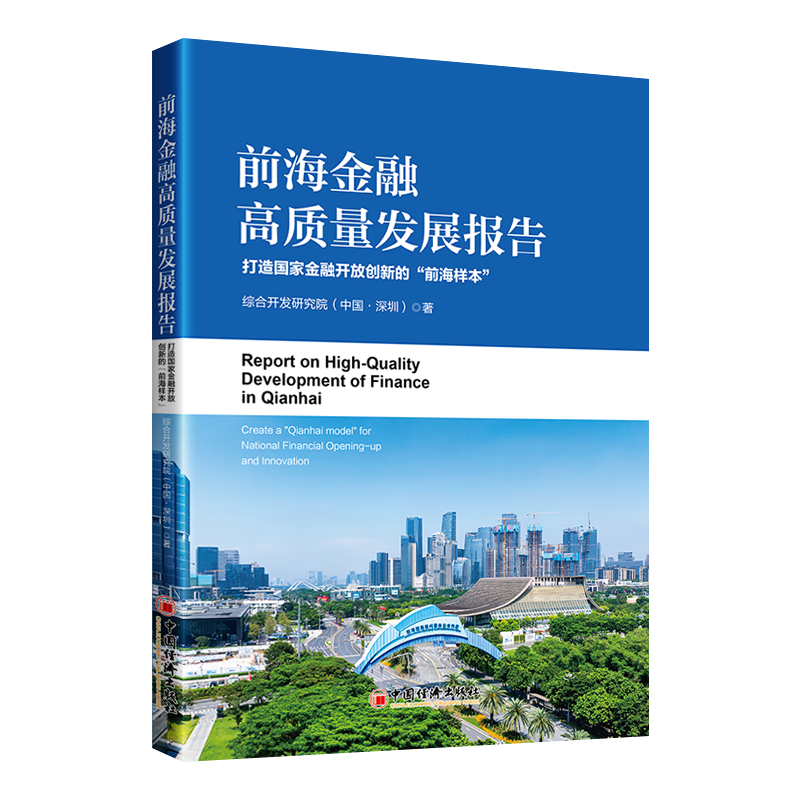
This report offers scientific research insights and policy recommendations on overarching, long-term, and strategic tasks such as China's financial sector opening-up, innovation in cross-border RMB business, and Shenzhen-Hong Kong financial cooperation.
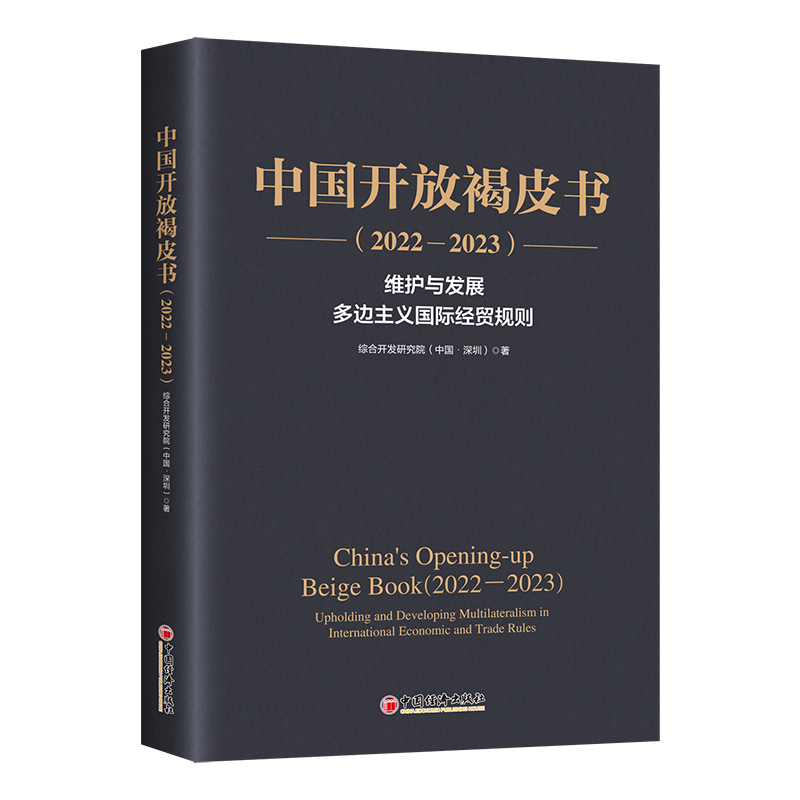
The book summarizes the impacts and challenges faced by China's multilateral trade system over the past two years, and provides policy recommendations.
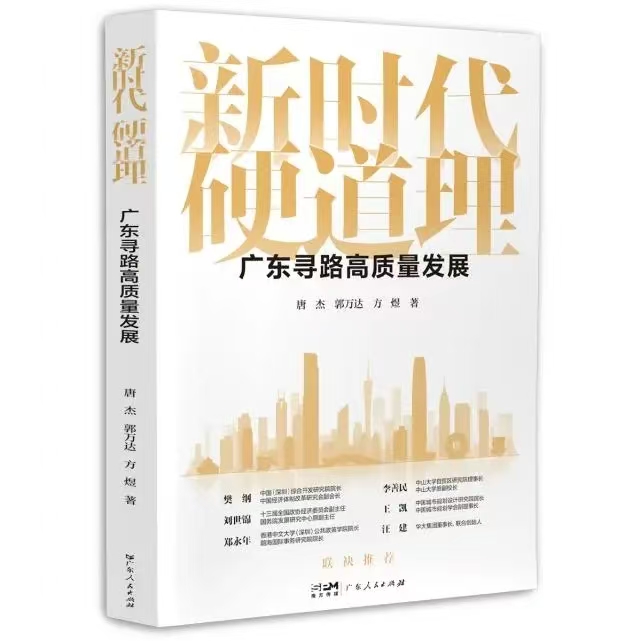
The book provides a detailed discussion of the achievements, opportunities, challenges, and corresponding strategies in Guangdong's high-quality development over the past 40 years.
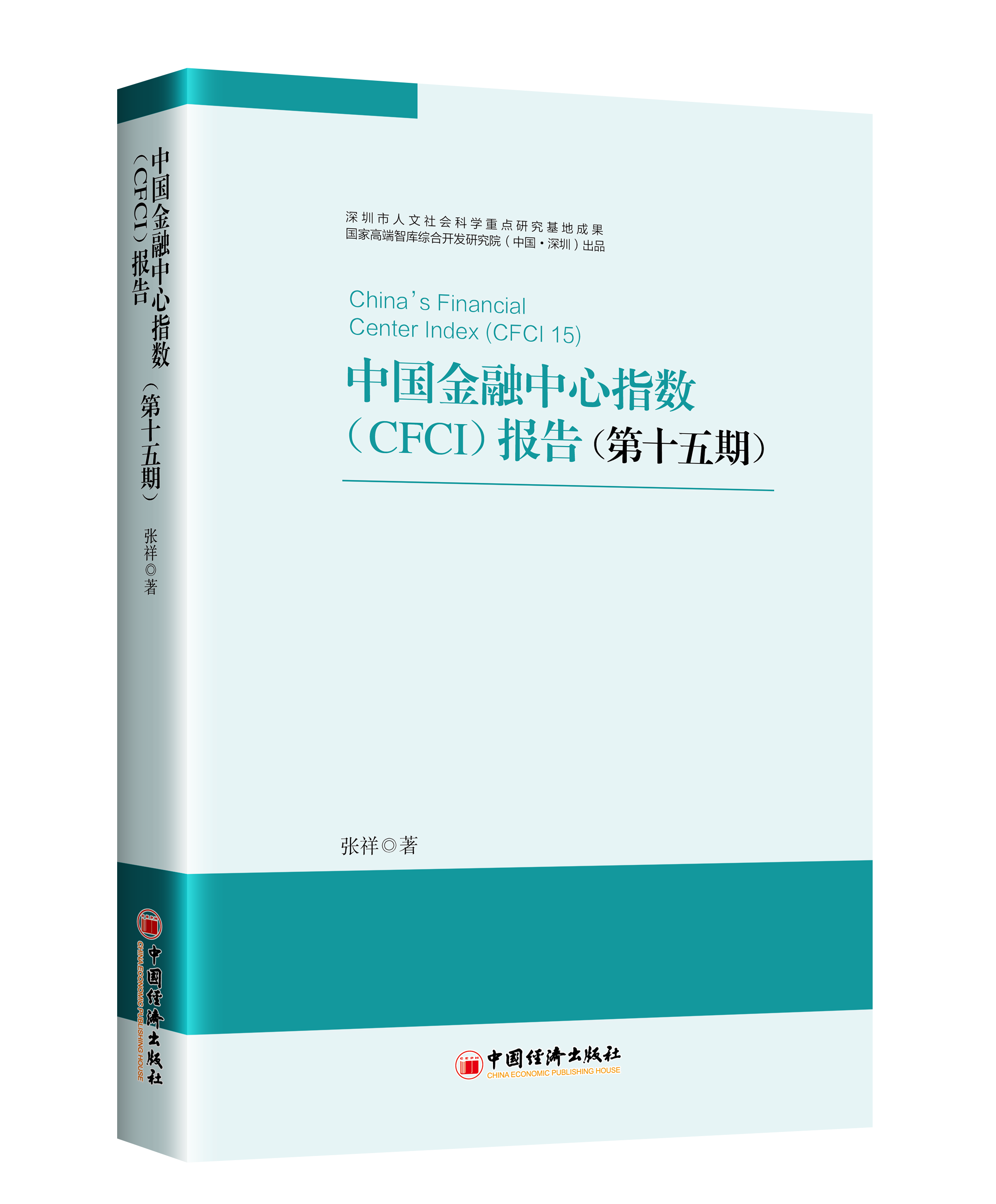
In 2023, the Central Financial Work Conference proposed for the first time the goal of accelerating the construction of a financial power. Against this backdrop, CFCI 15 provides an outlook on the development of China's financial centers in the new era.
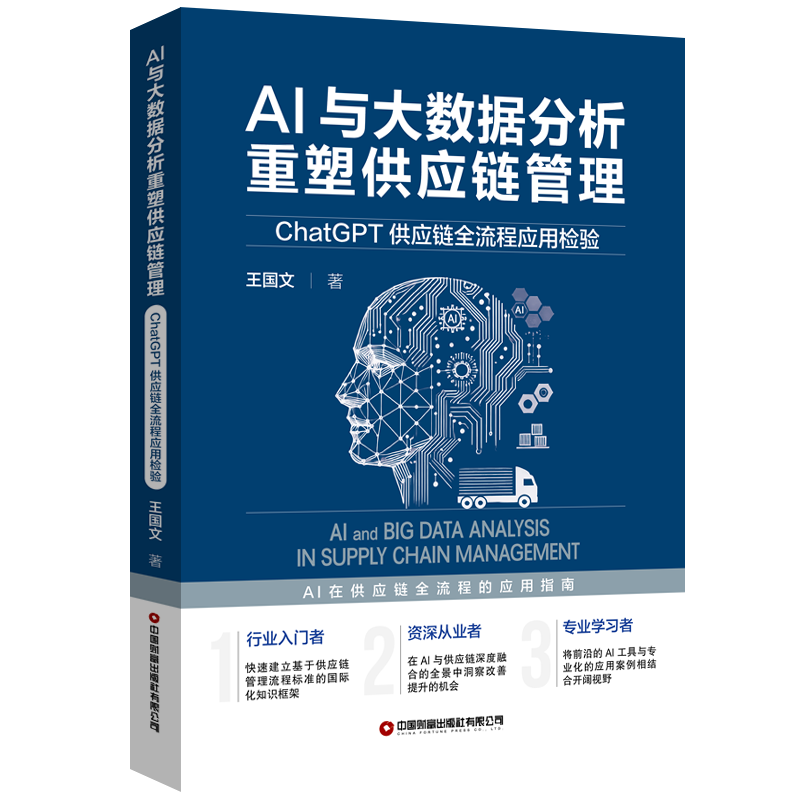
This book aims to test the possibilities, methods, extent, and problems that can be solved by applying artificial intelligence in supply chain management through ChatGPT.
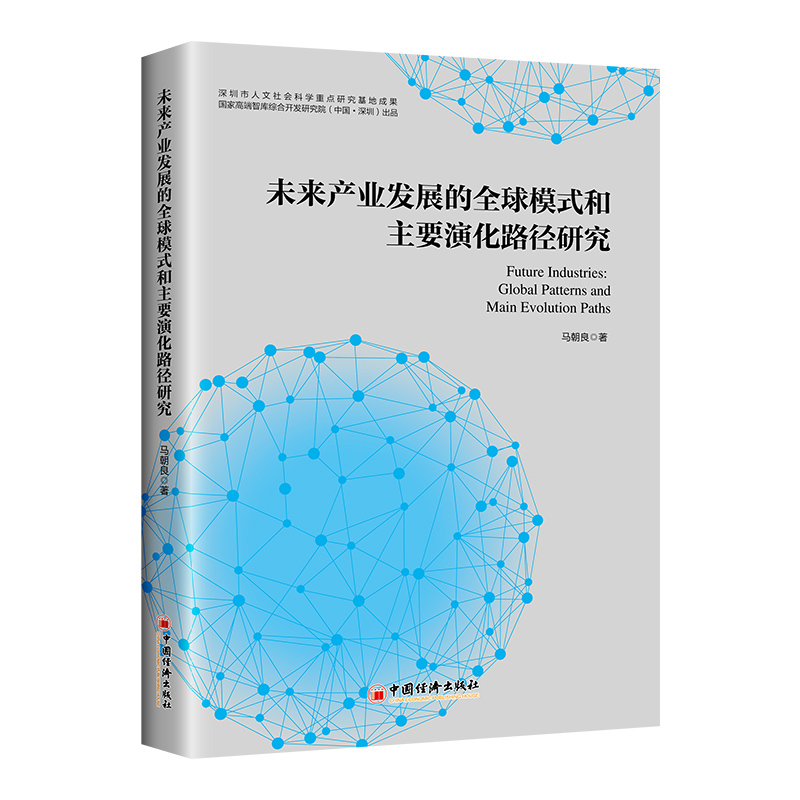
This book examines the evolutionary paths and main models of future industries from the perspectives of collaborative innovation in the industrial chain, R&D institutions, comprehensive national science centers, regional innovation systems, and the new system of nationwide resource mobilization for key technological breakthroughs.
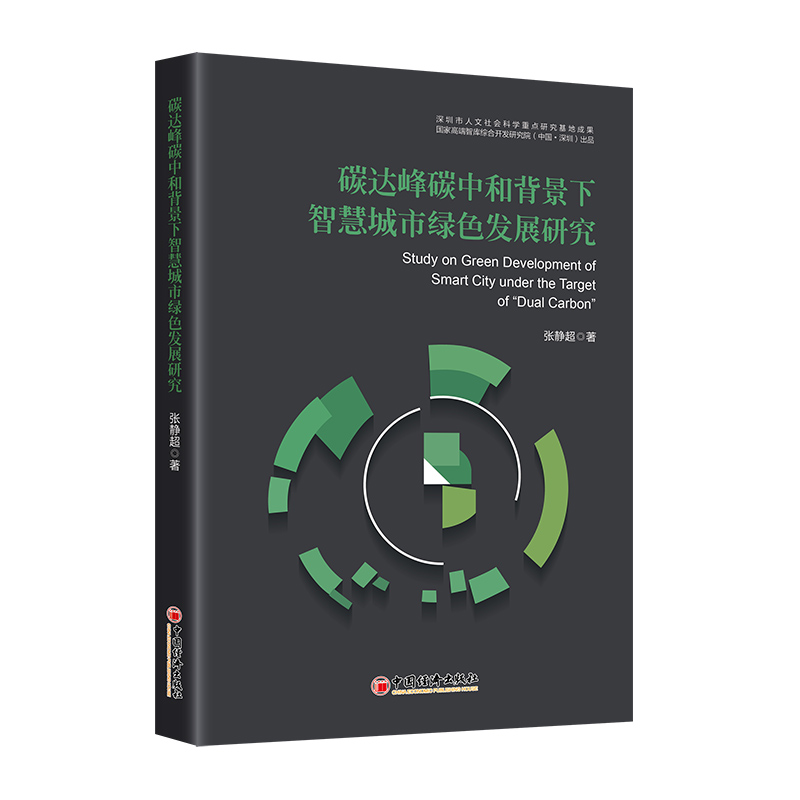
This book explores the technological applications of Chinese typical cities in areas such as data information integration innovation, smart city information platforms, and the development of zero-carbon demonstration zones under the dual carbon goals.
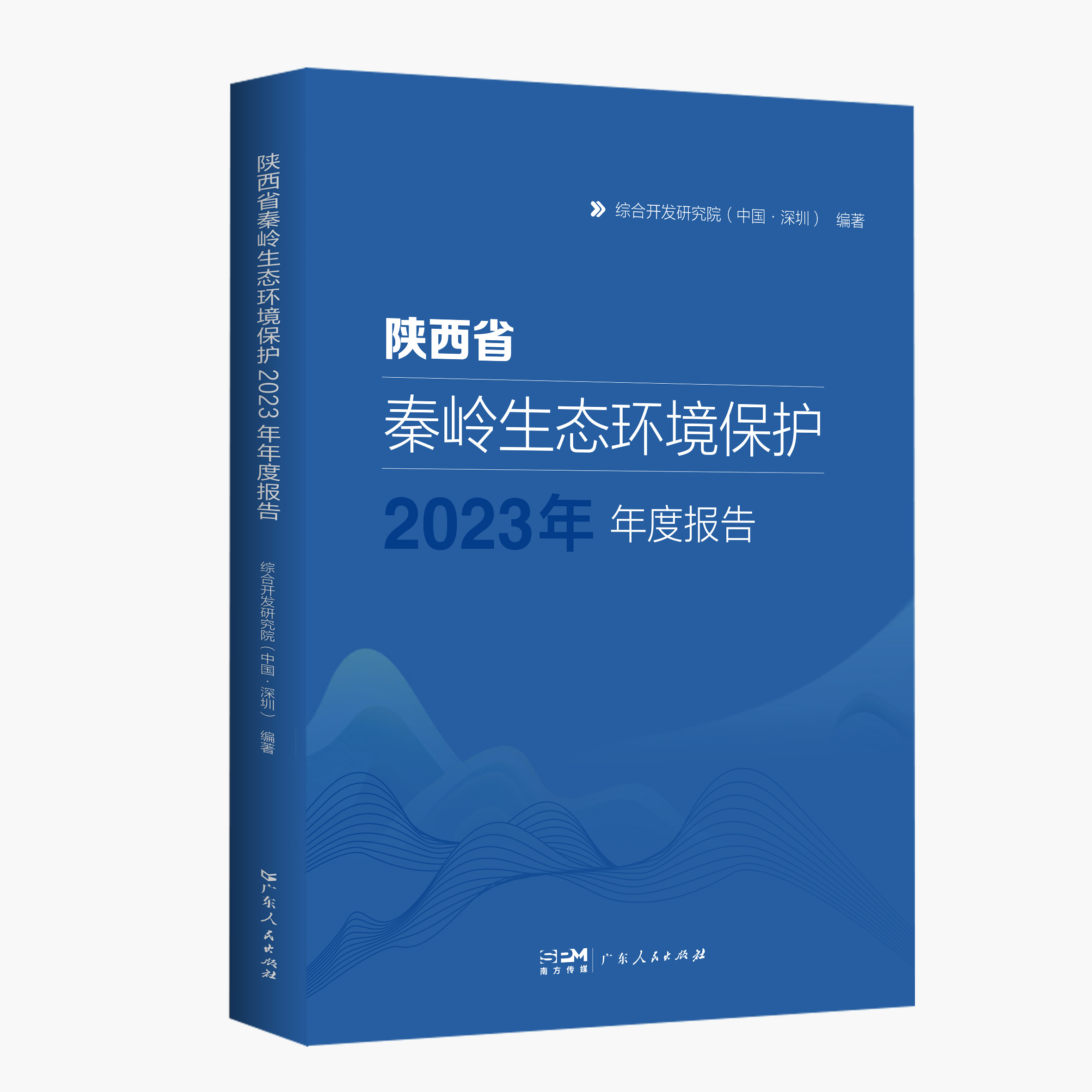
Based on a summary of governance practices, report findings indicate a shift from targeted remediation to systematic governance in the ecological and environmental protection of Qinling mountains in Shaanxi province.
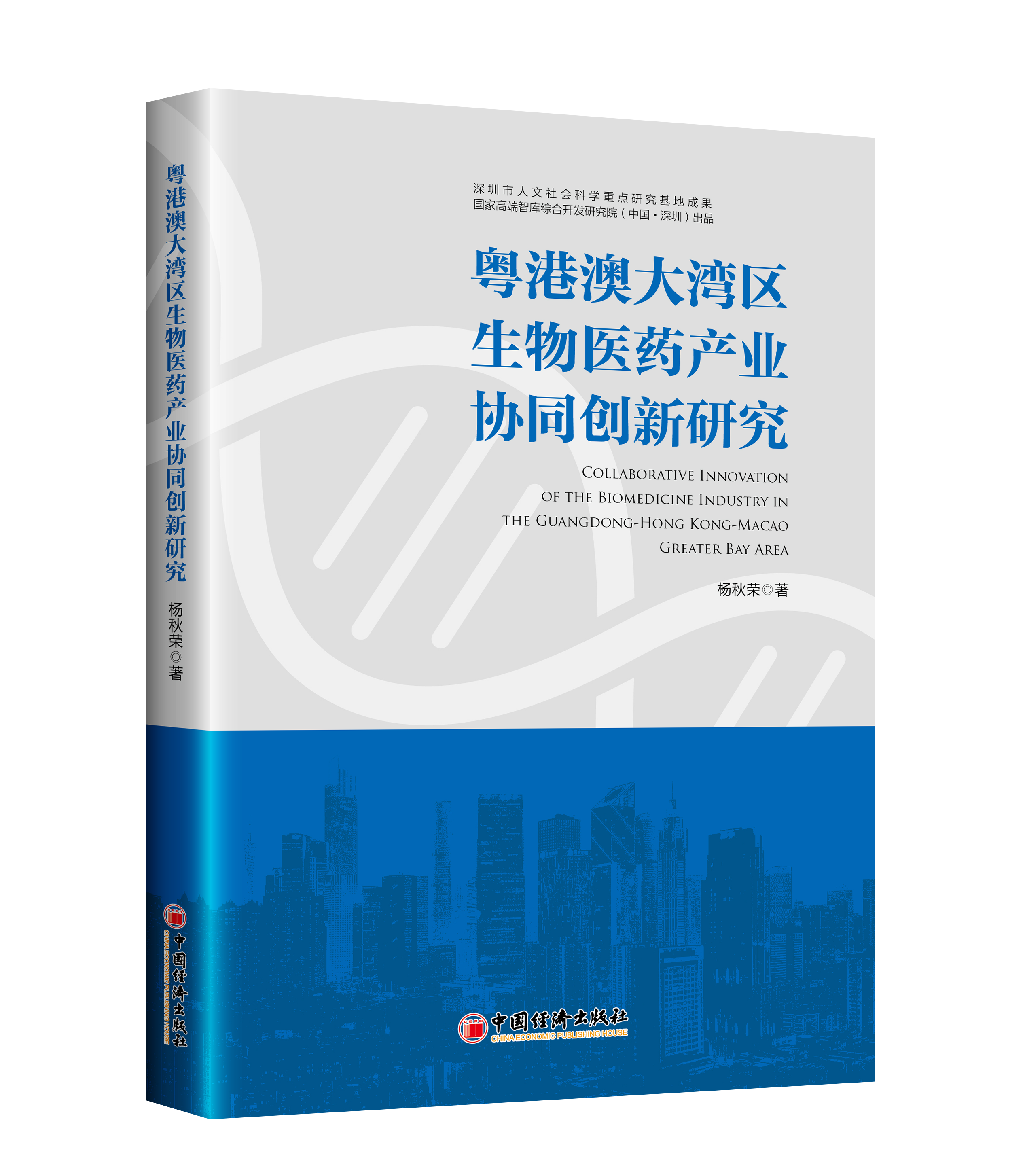
This book examines the strategies and pathway choices for the collaborative innovation of the biomedical industry in GBA, and proposes suggestions for the collaborative innovation of the biomedical industry in GBA.
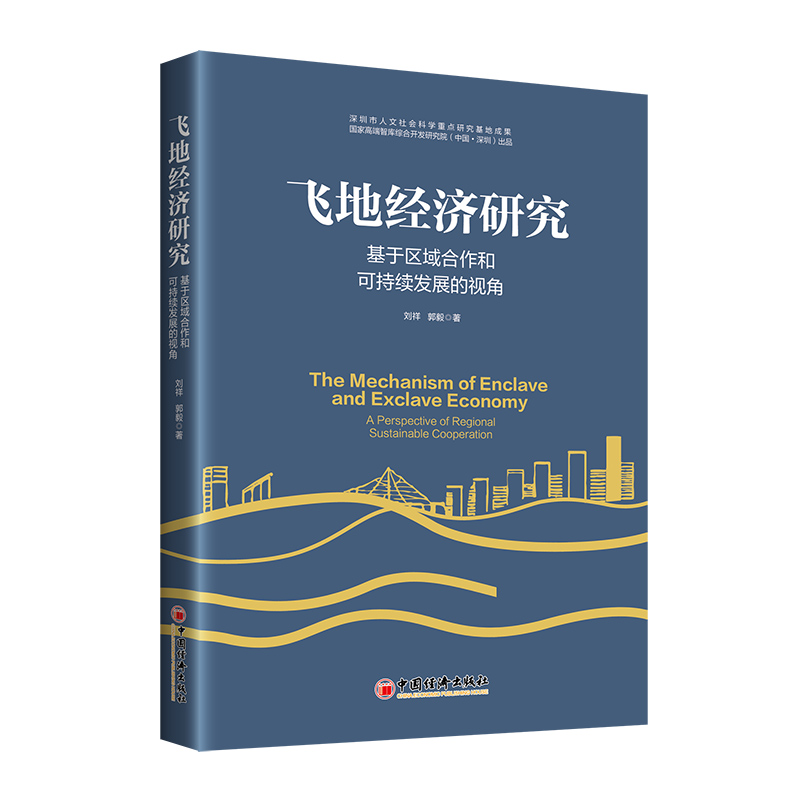
Based on in-depth research on key enclave economy parks, and case studies on various regions in Shenzhen, this book systematically examines the relevant theories and practices of the enclave economy.

This book explores the policy conditions, institutional and mechanism alignment, market linkage, and industrial coordination of the Qianhai Shenzhen-Hong Kong Modern Service Industry Cooperation Zone, and proposes practical policy recommendations.
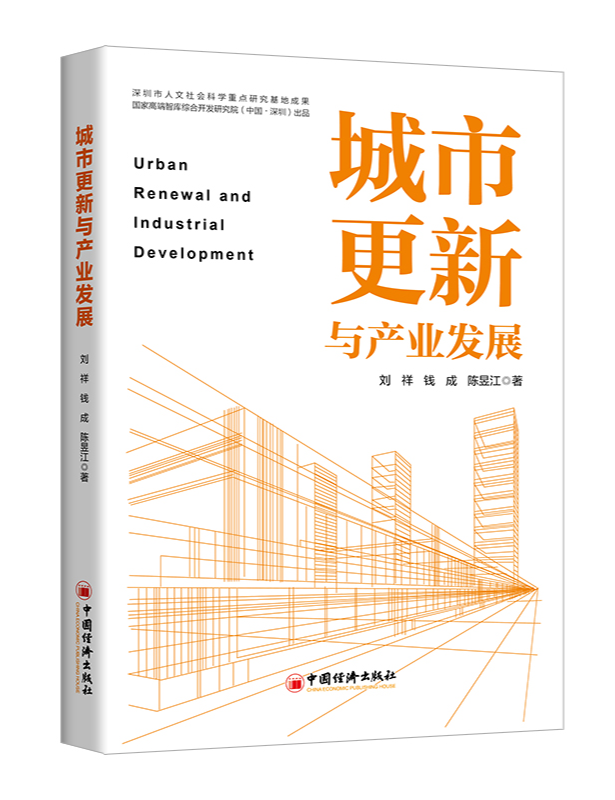
This book summarizes the development status and technical processes of Shenzhen's urban renewal, policy innovation and practice, new practices of collective economy.
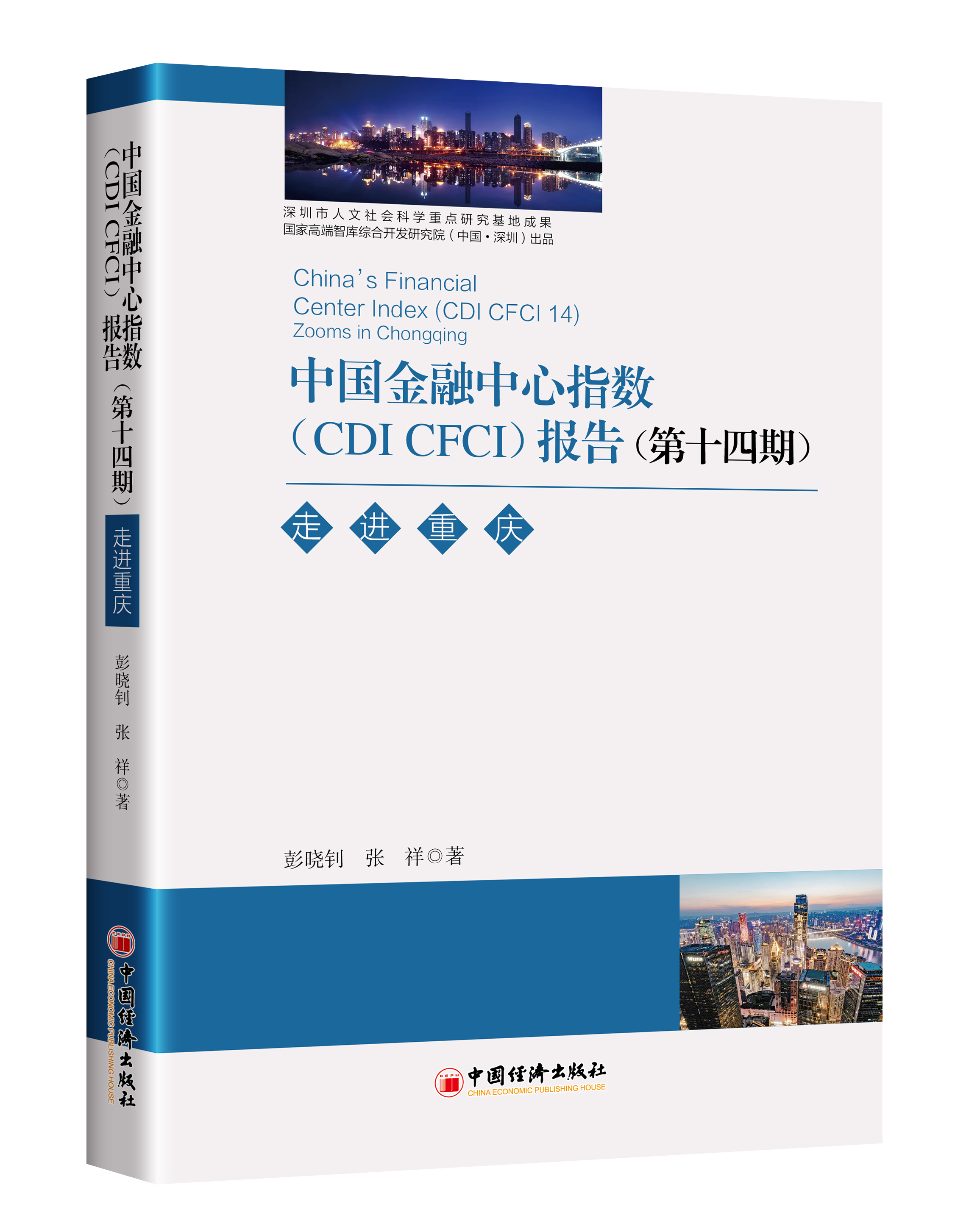
CFCI 14 selects Chongqing financial center as a case sample, conducting an in-depth review and summary of its development status and distinctive features, so as to provide useful references for the development of financial centers in other regions.
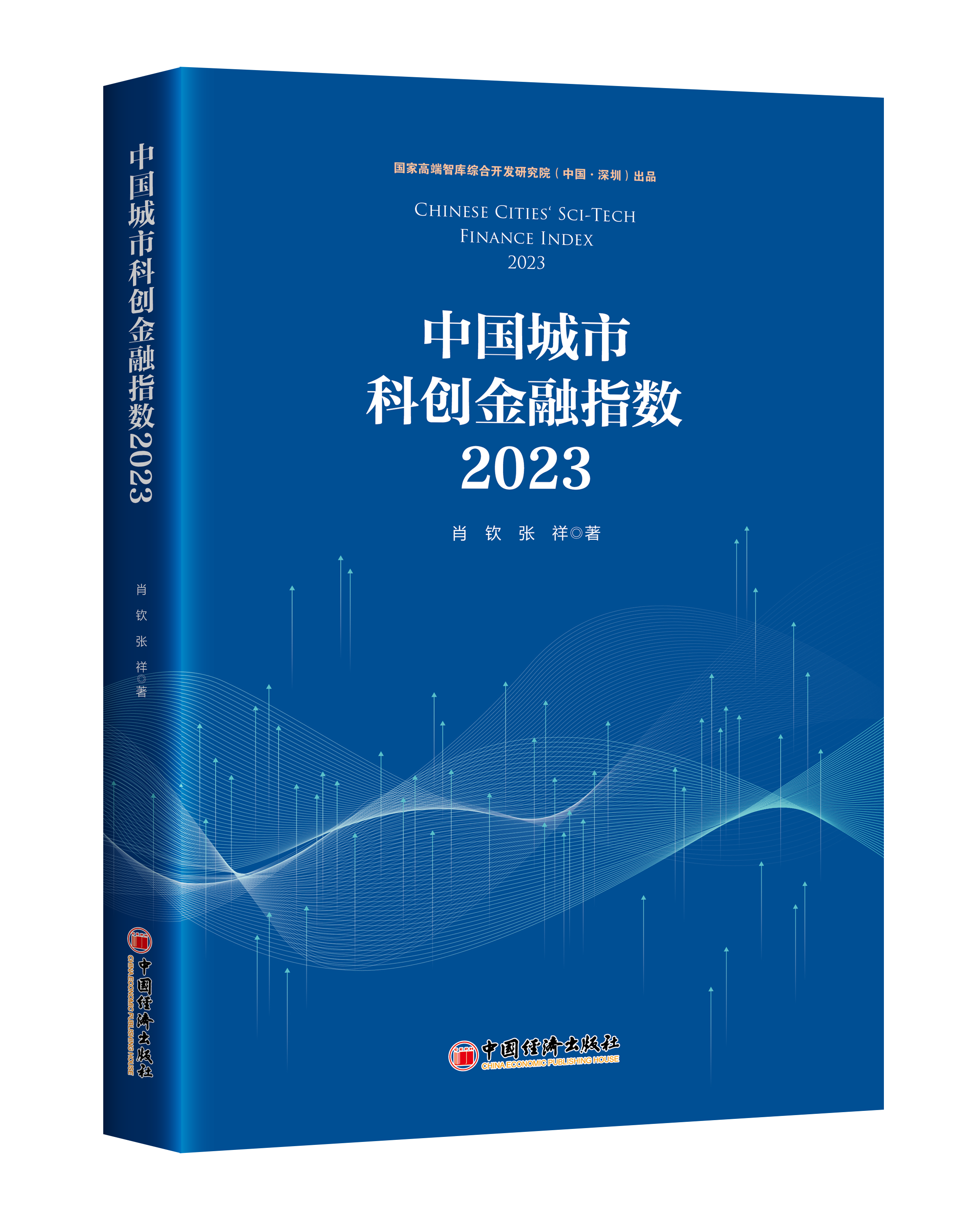
This Index provides a scientific, quantitative, and comprehensive evaluation of the dynamic changes in the development of sci-tech finance across major Chinese cities, offering a forward-looking reflection of the prosperity of China's sci-tech finance development.
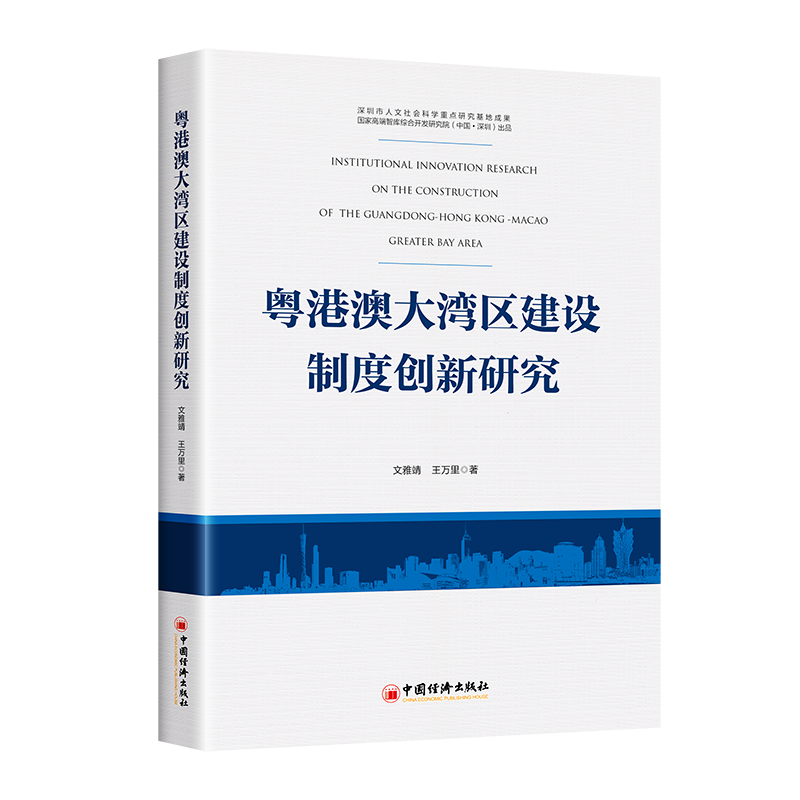
This book systematically analyzes five institutional innovation models and several typical cases of the GBA, showcasing the practical context, challenges, future directions and pathways of institutional innovation in the region, and provides normative guidance.
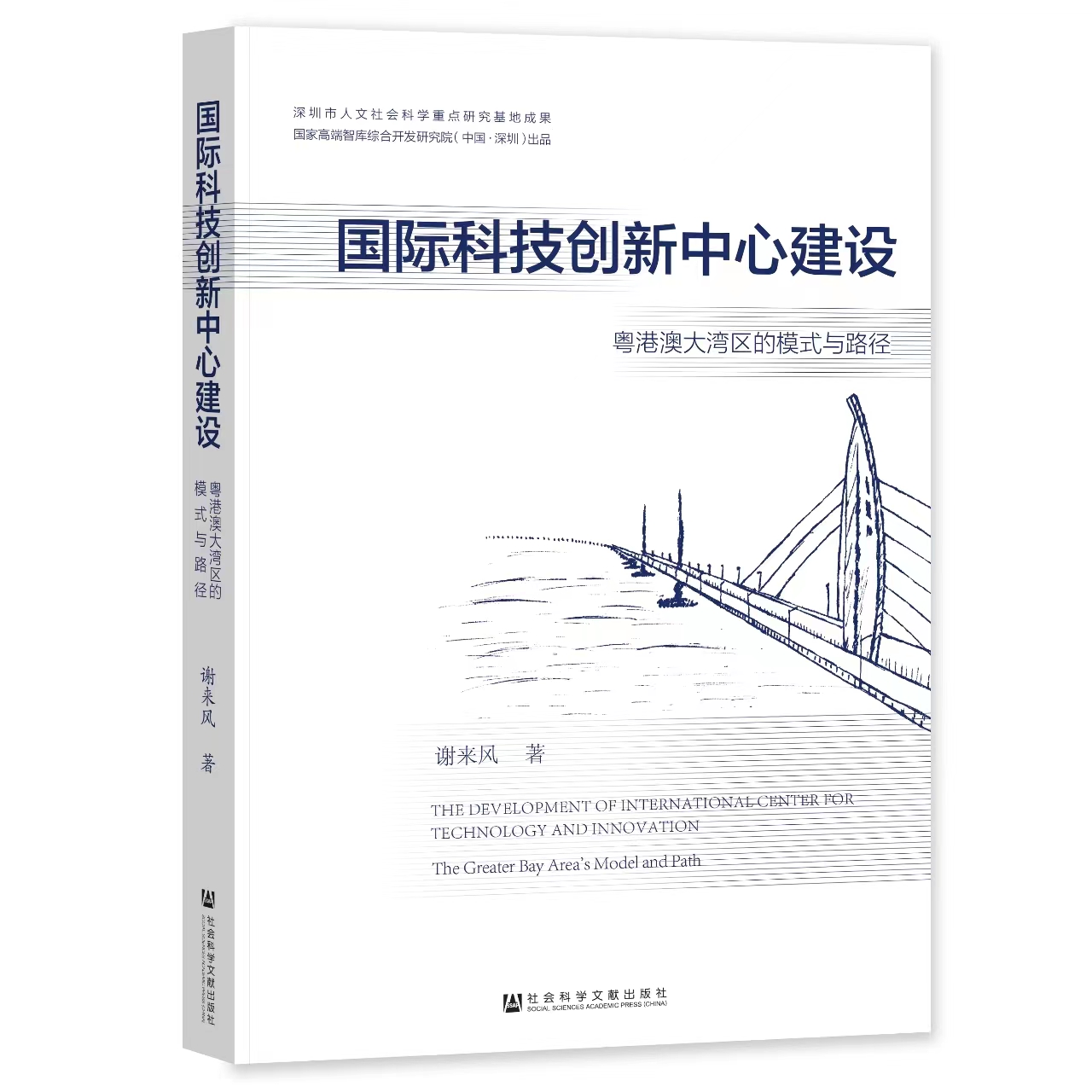
This book proposes the positioning, goals, models, and pathways for the nine cities to jointly promote the construction of GBA as an international center for technology and innovation within the framework of “one country, two systems”.
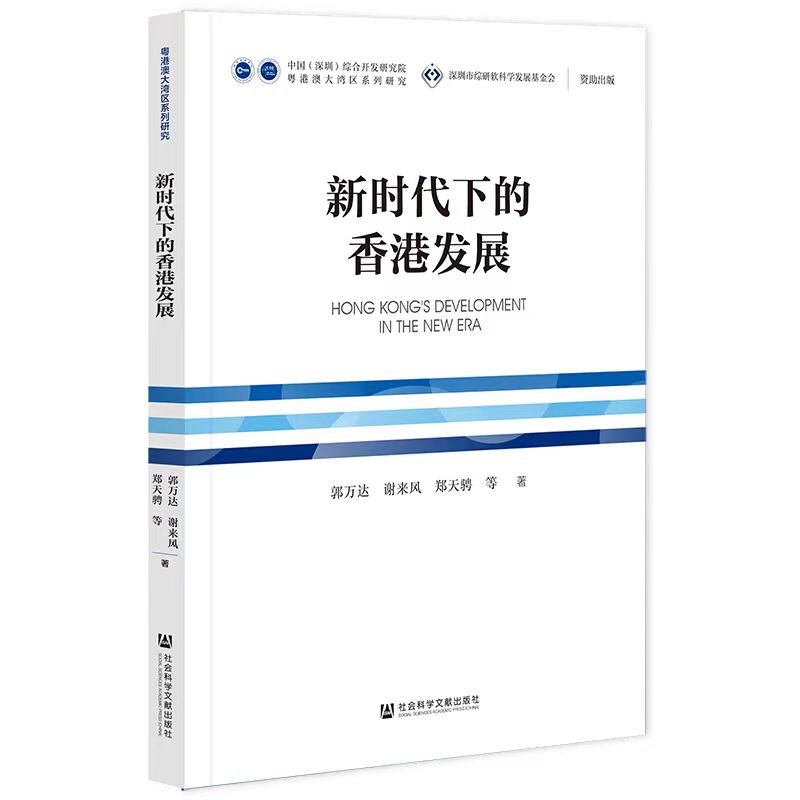
This book provides systematic recommendations on how Hong Kong can integrate into the national strategy through development in key areas such as innovation, finance, regional cooperation, and active participation in the Belt and Road Initiative, so as to achieve synchronized development with the country.
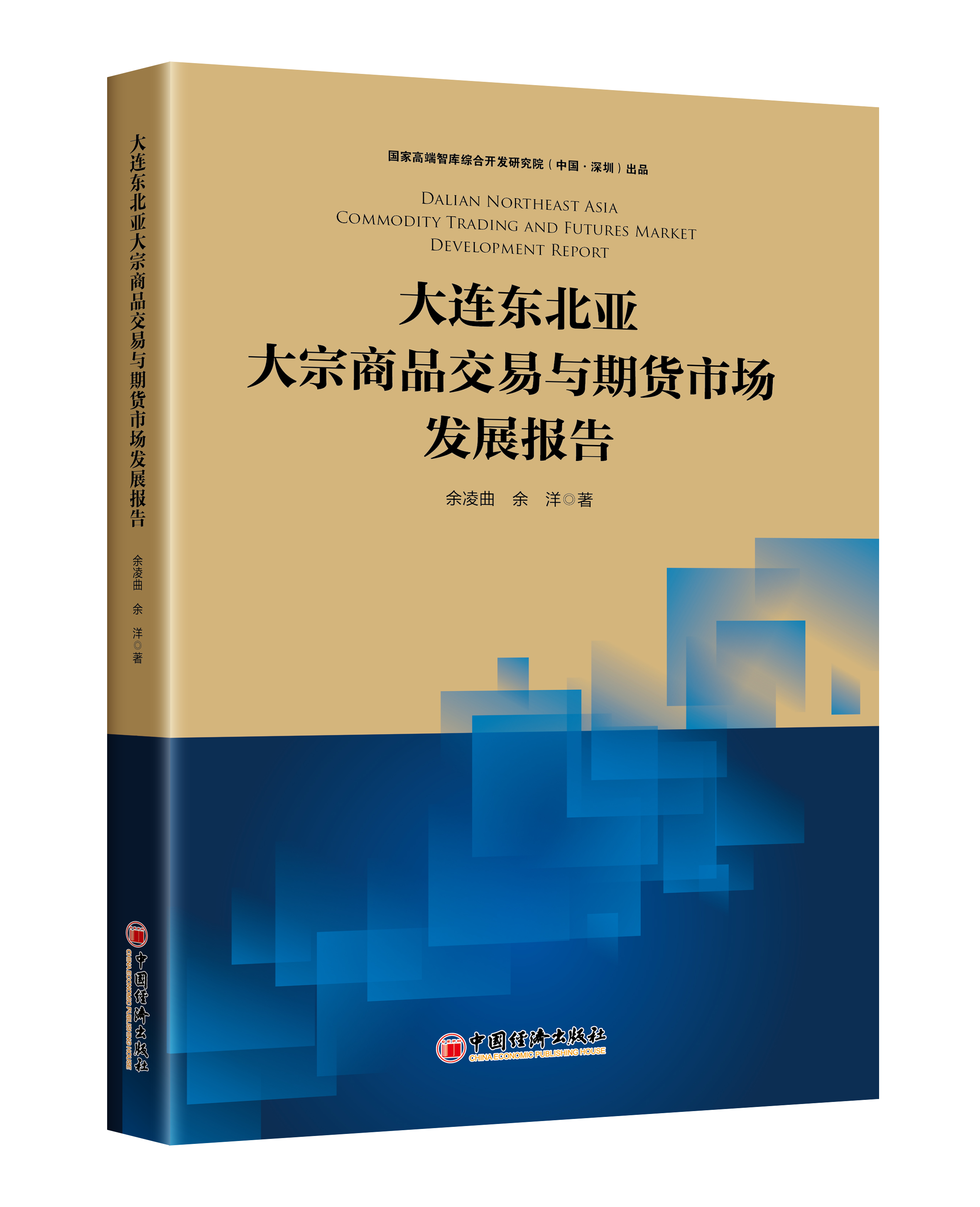
The book explores the dynamics, trends, and major opportunities in the development of domestic and international commodity trading and futures markets, and proposes policy recommendations for Dalian's construction of an international commodity pricing center and risk management center.
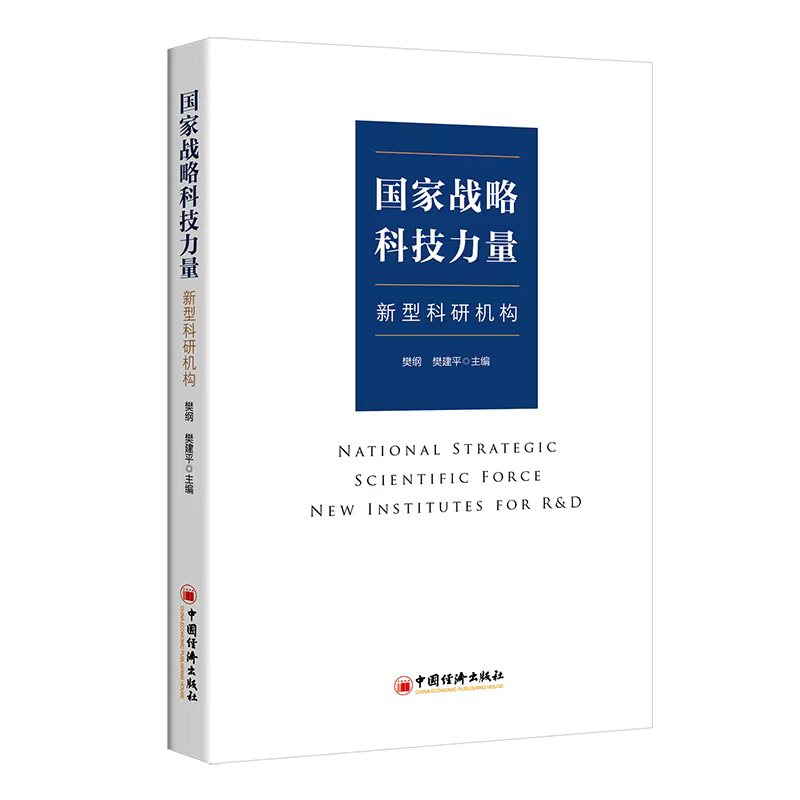
This book reviews new-type scientific research institution’s development history, construction paradigms, challenges faced, while also proposing suggestions to promote their development.
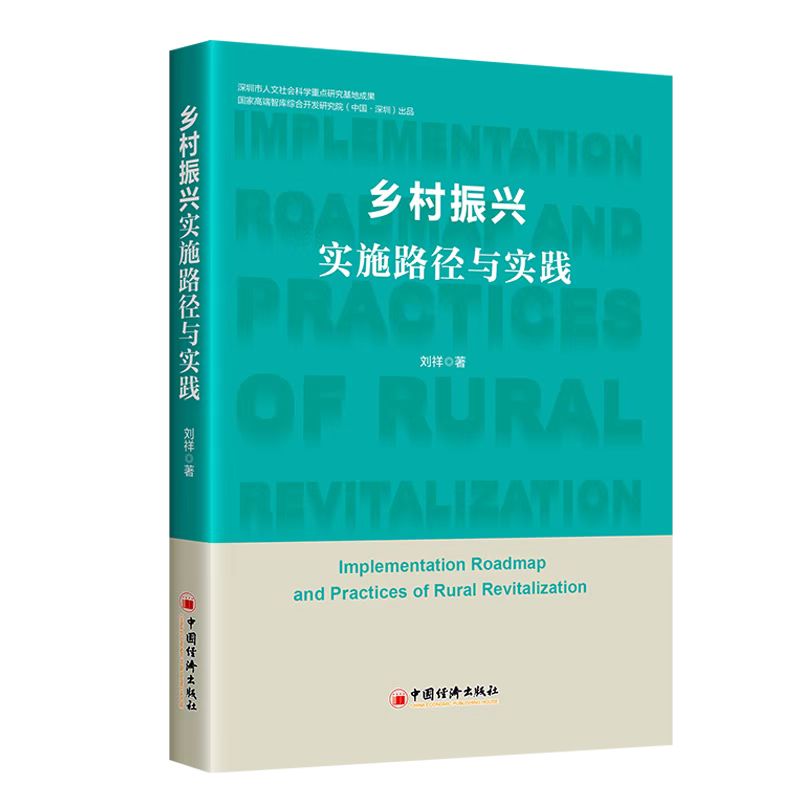
This book reviews new-type scientific research institution’s development history, construction paradigms, challenges faced, while also proposing suggestions to promote their development.
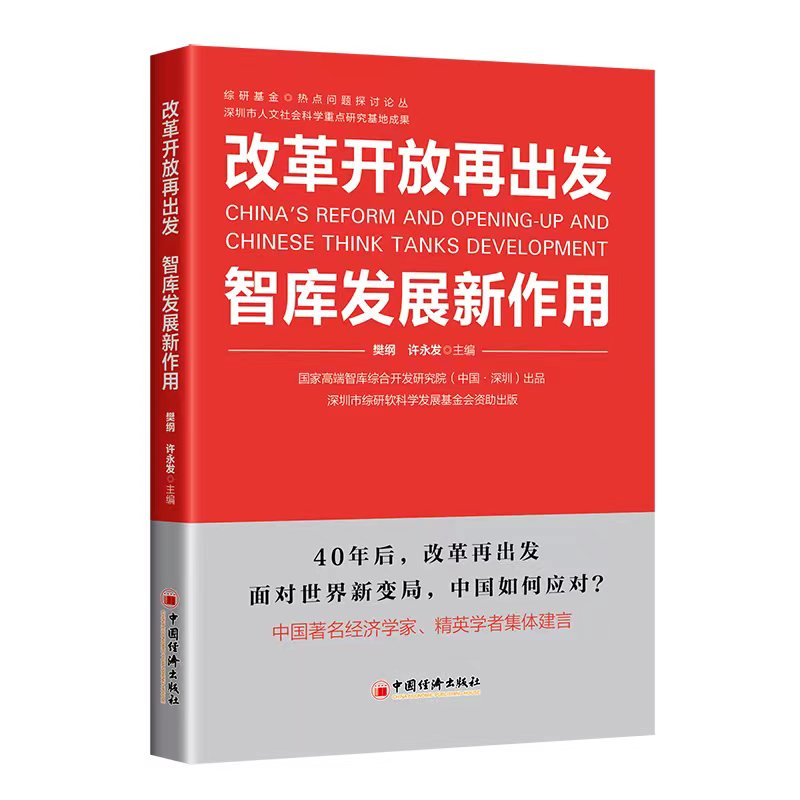
This book explores the pathways for China to comprehensively deepen reform, expand opening-up, and achieve high-quality economic growth, as well as the strategies for innovative development of Chinese think tanks in the new era to serve China's economic development.
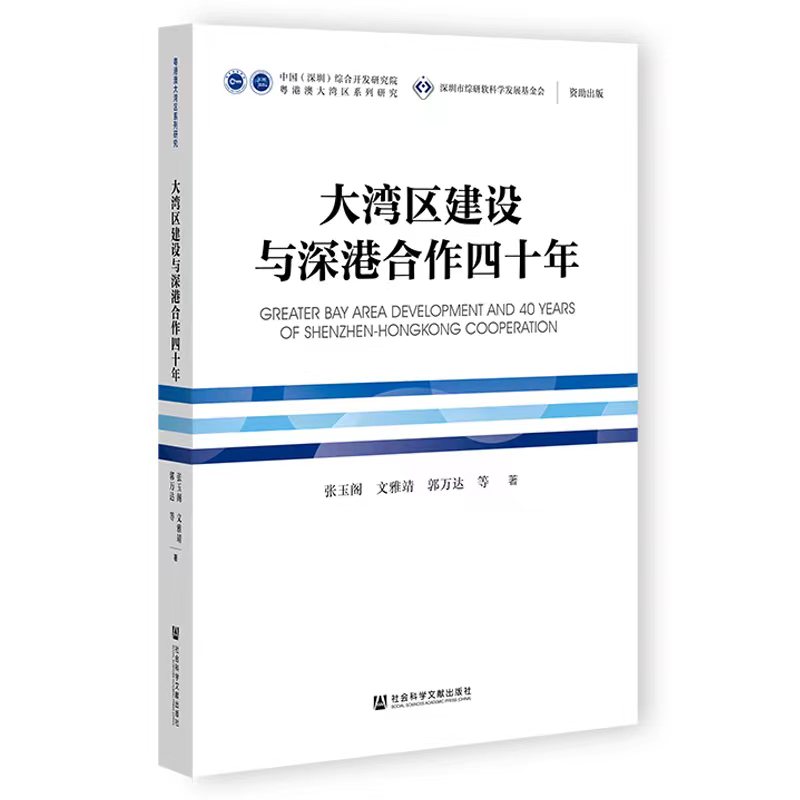
This book elaborates on the current status, significance, development vision, and progress of GBA, and covers the content of cooperation between Shenzhen and Hong Kong.
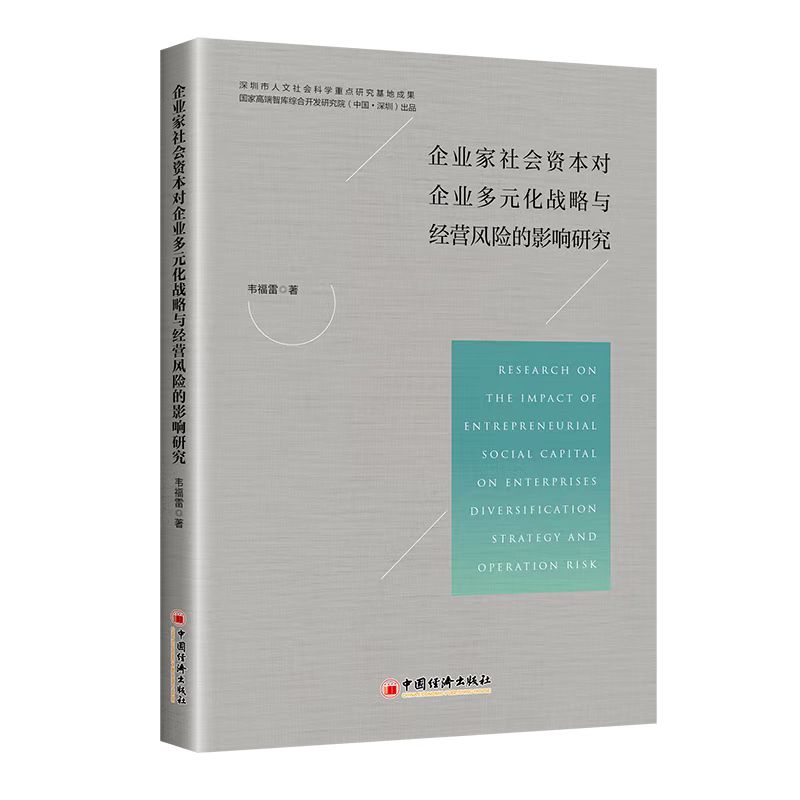
This book proposes that enterprises should build a new-type entrepreneurial social capital system in response to changes in the external environment, enhance their dynamic capabilities, and leverage social capital to accumulate resources and momentum for sustainable development.
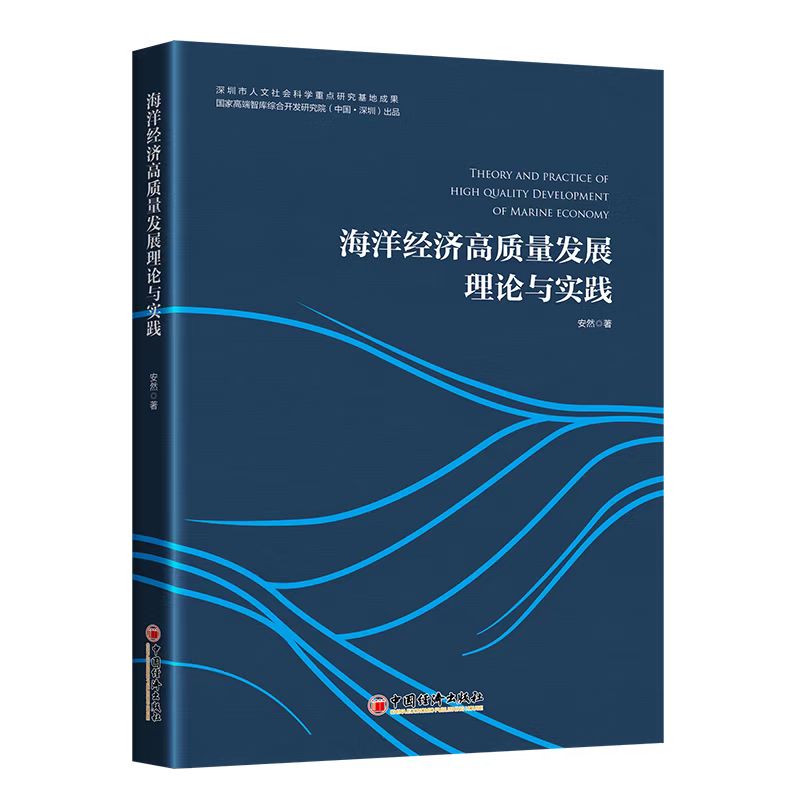
This book draws on innovative practices domestically and internationally, and constructs a theoretical framework for high-quality development of the marine economy.
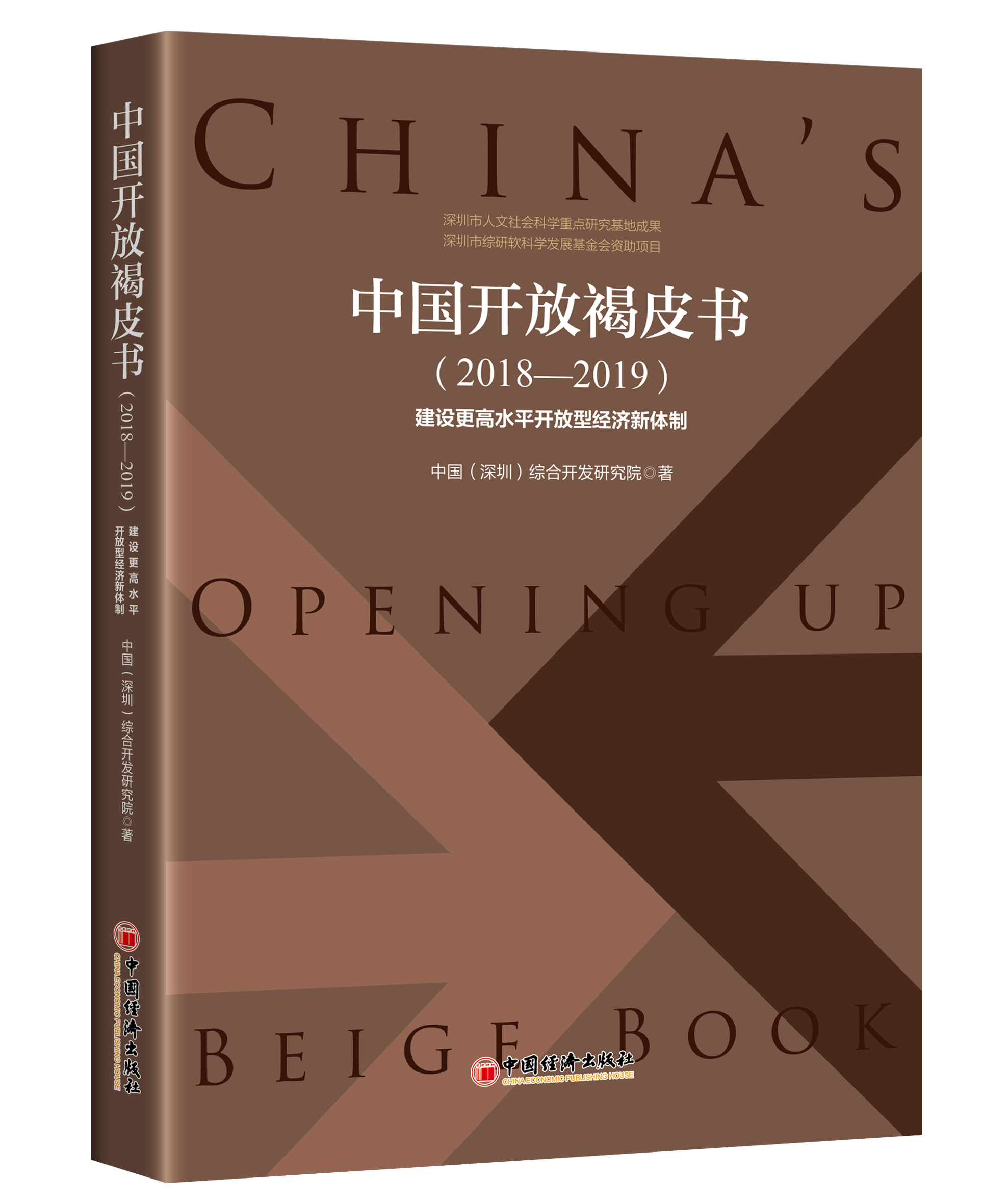
This book analyzes the challenges and achievements China has faced in adhering to reform and opening-up against the backdrop of globalization at a critical crossroads.
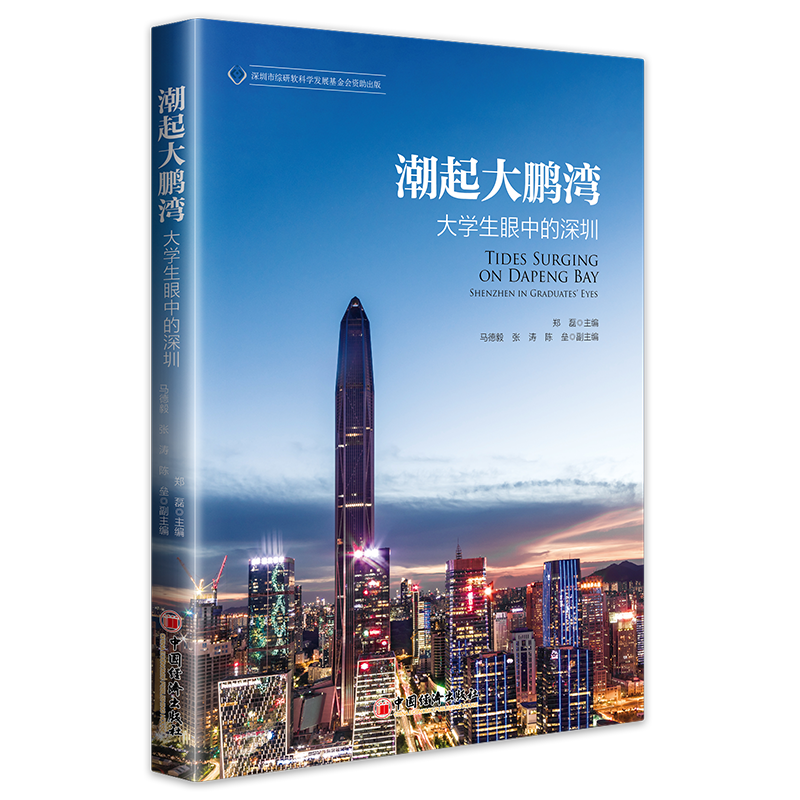
This book tells the story of Shenzhen's reform and opening-up from the perspective of college students, explaining its innovation genes come from, and how it successfully transitioned from low-end processing and manufacturing to high-tech industries.
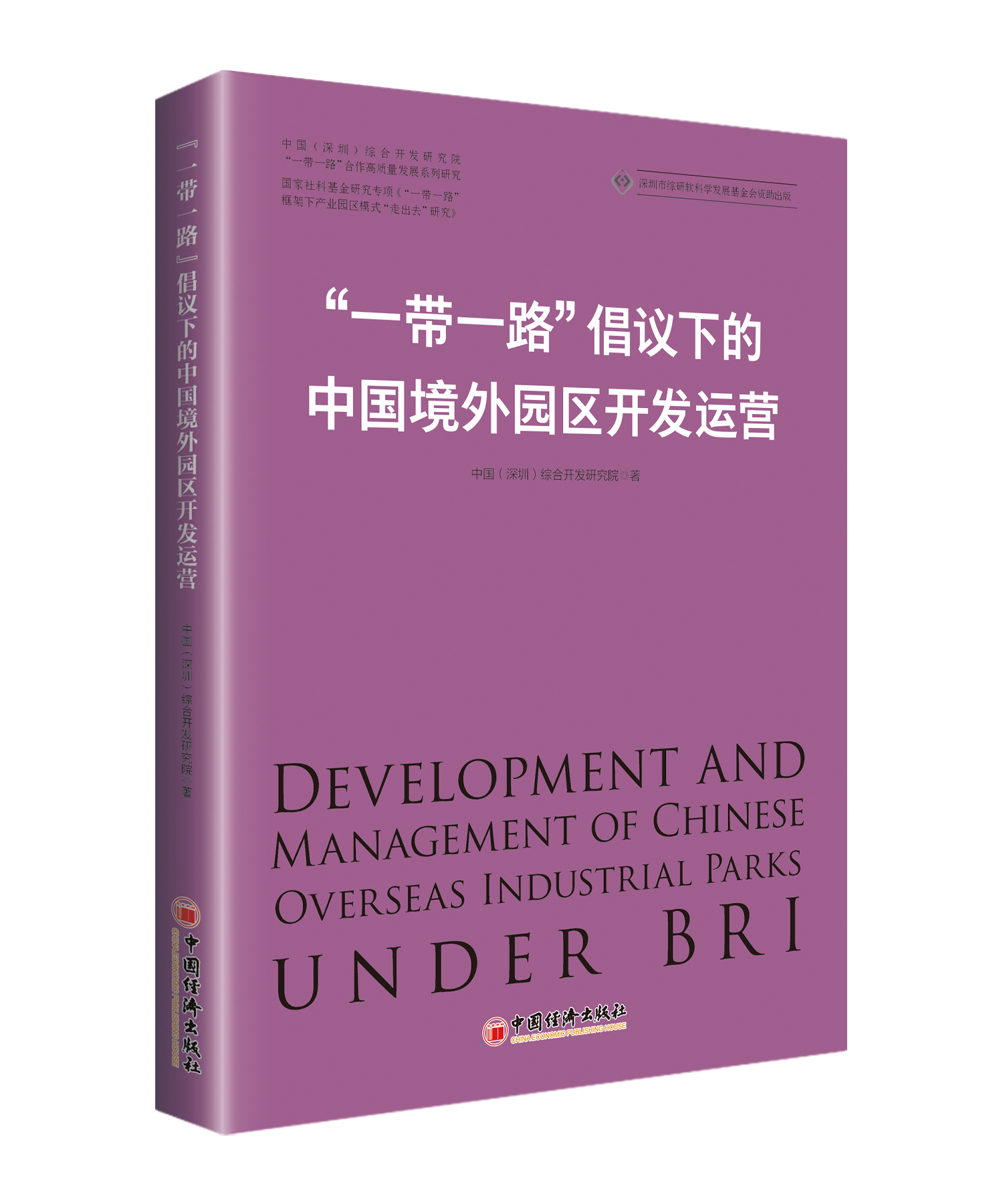
This book provides an in-depth analysis of 13 overseas industrial parks, covering their construction background, development history, operation models, preferential policies, as well as experiences and challenges.
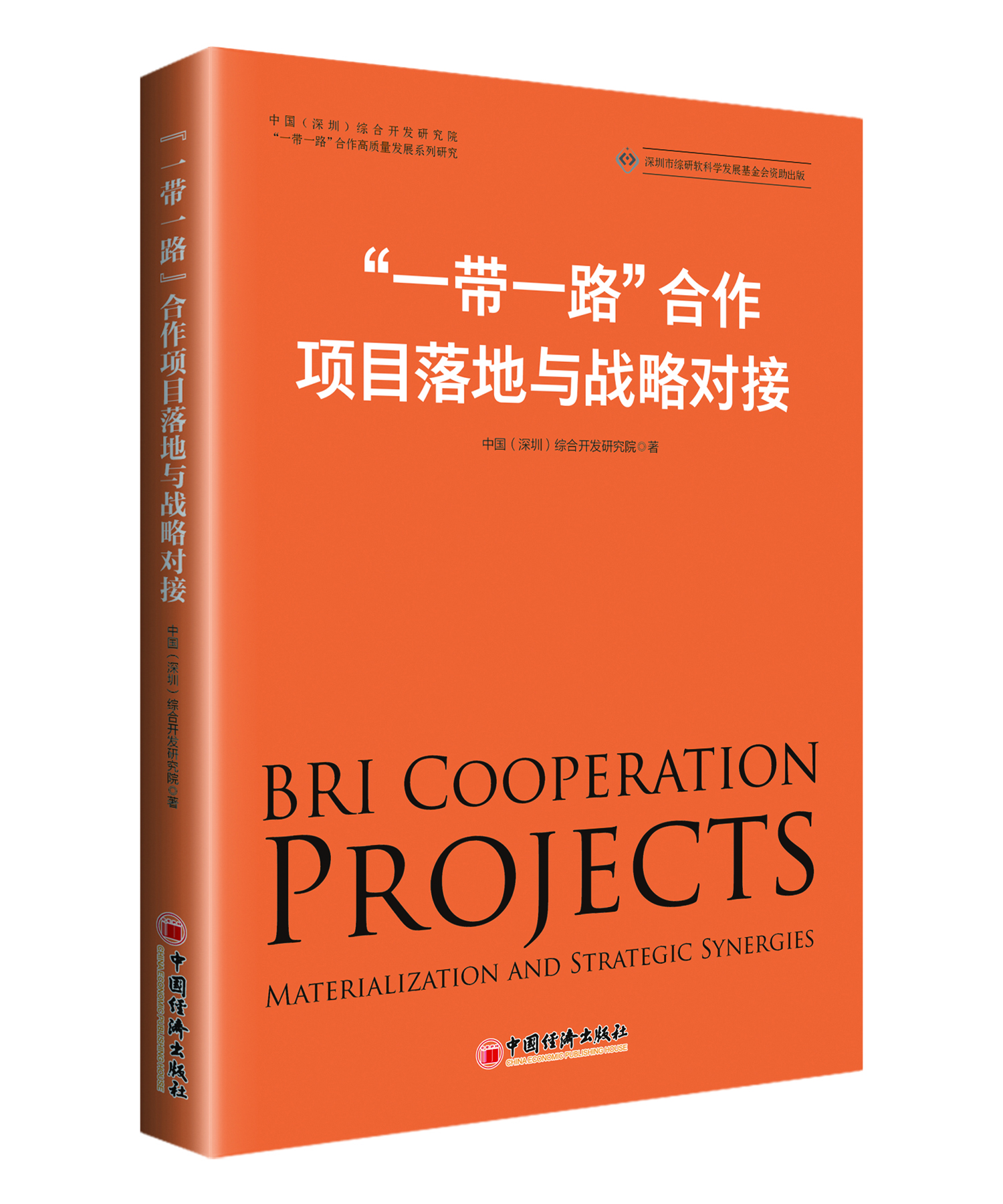
This book comprehensively discusses how to facilitate the implementation and strategic alignment of Belt and Road Initiative projects.
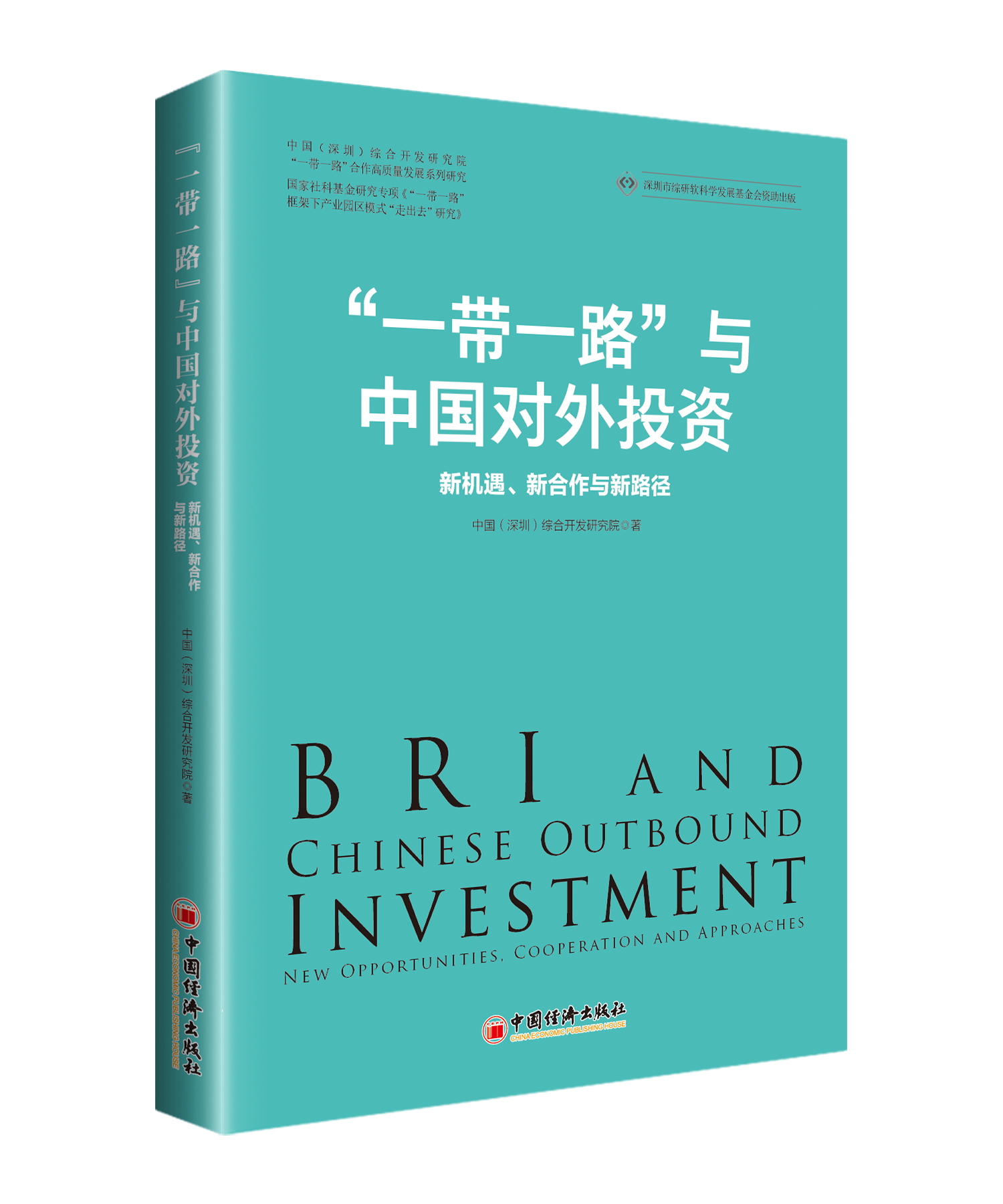
This book explores how to establish effective guidance mechanisms and risk mitigation mechanisms under the current foreign investment environment, in order to better serve and promote enterprises' going global efforts.
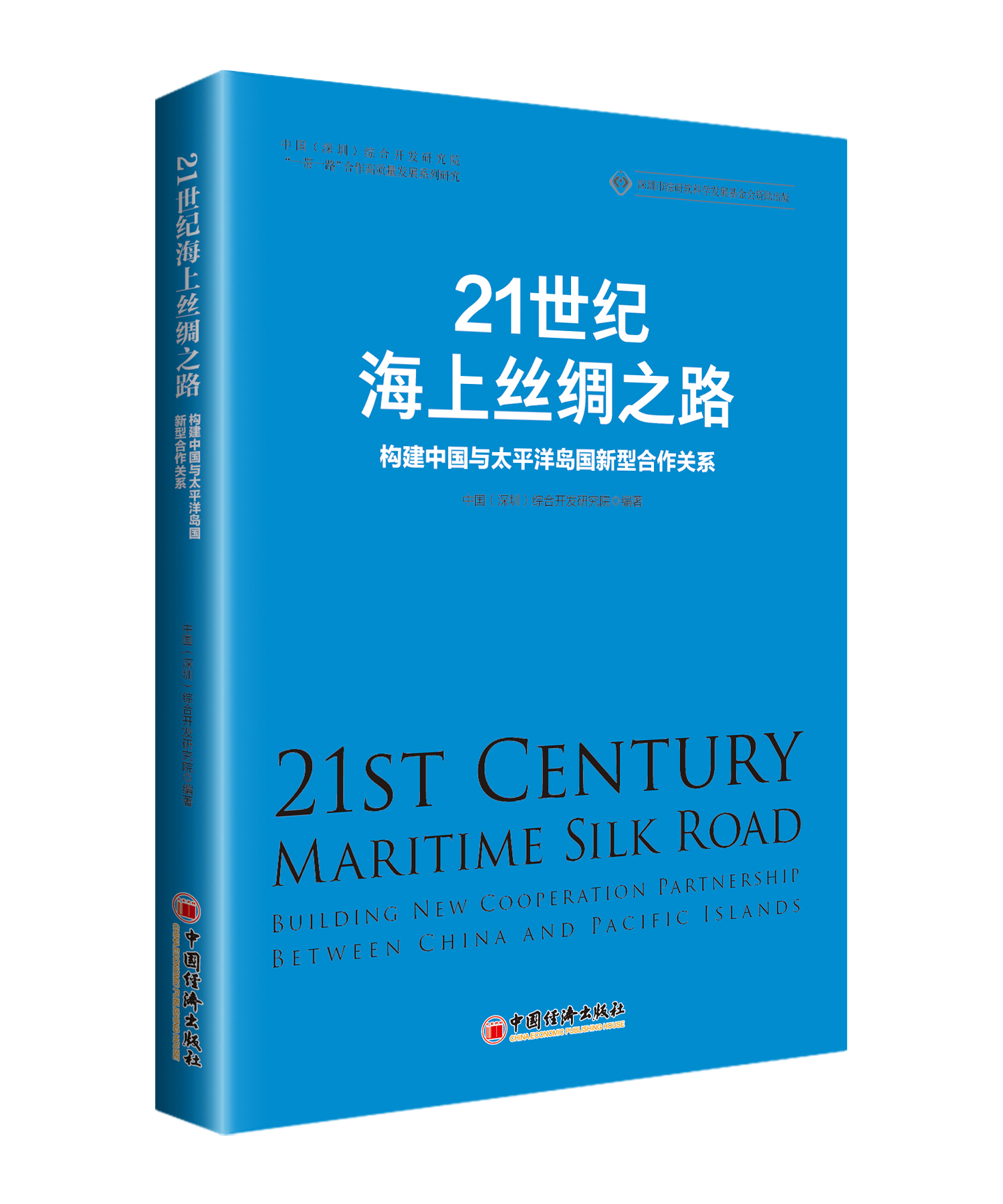
This book proposes comprehensive development strategies that advocate for the establishment of mutually beneficial and sustainable development cooperation models.
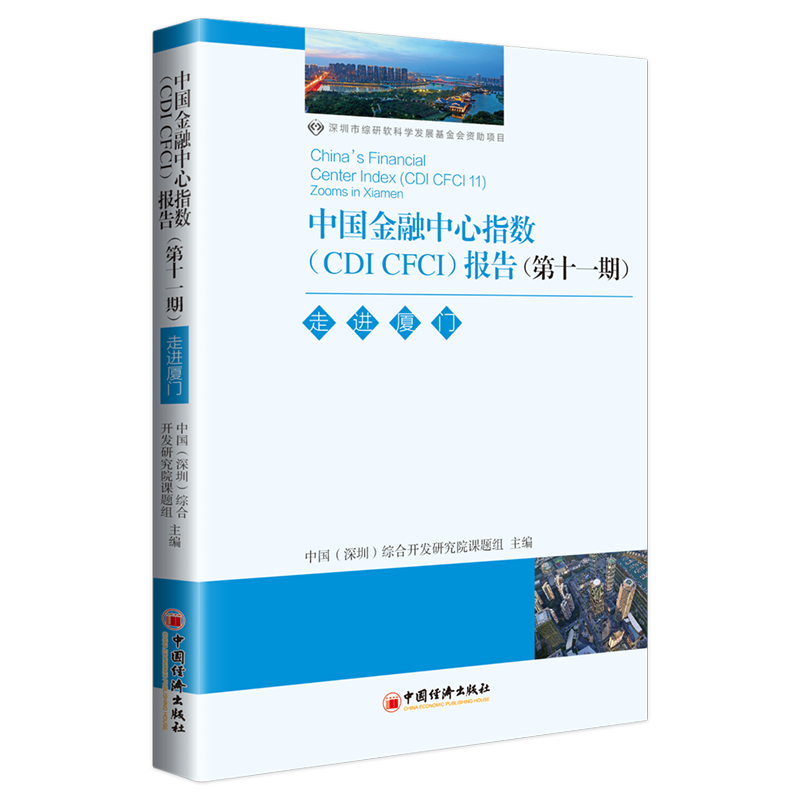
CFCI 11 features Xiamen — a rising cross-strait regional financial services center.
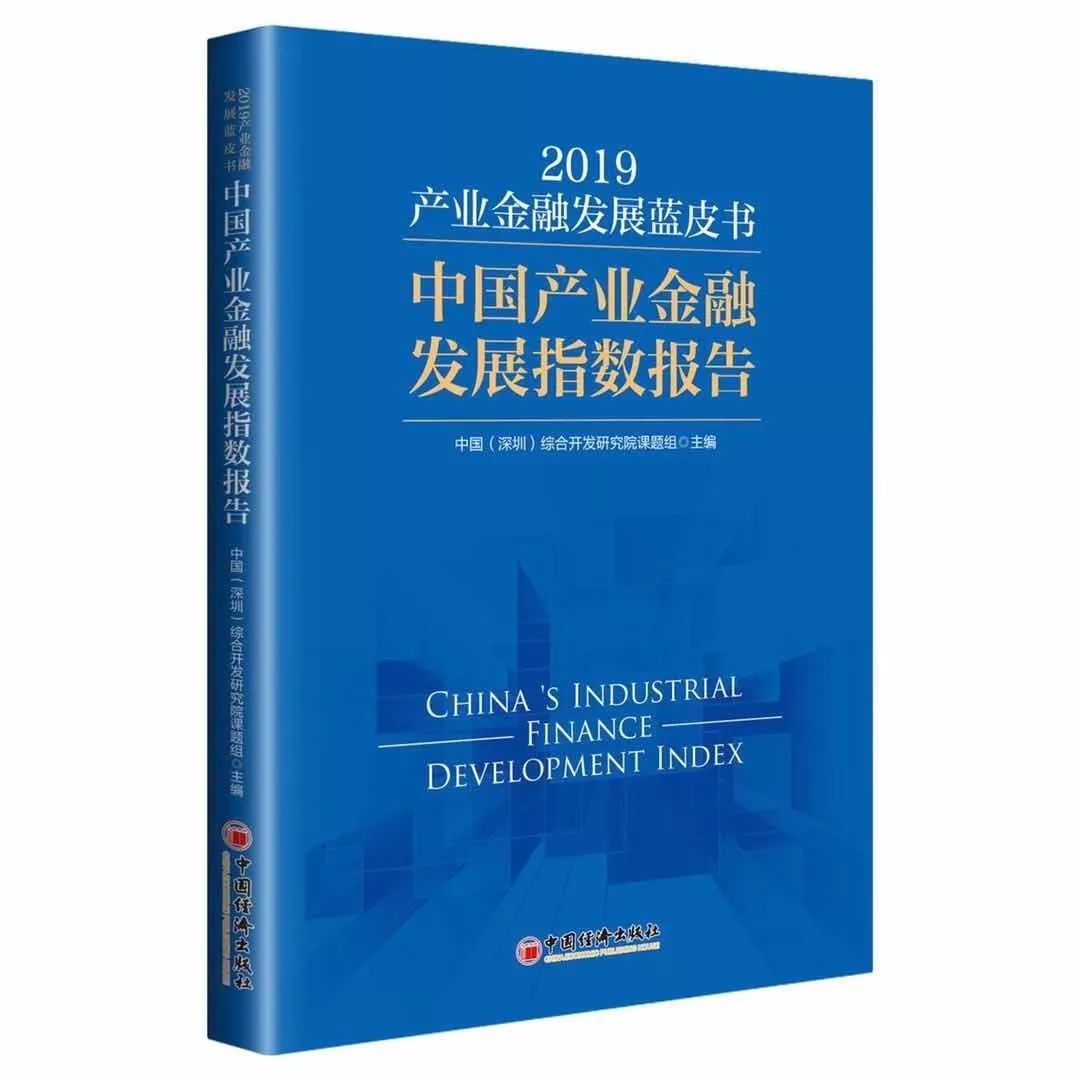
This Index dynamically monitors the efficiency and effectiveness of China's real economy financial activities.
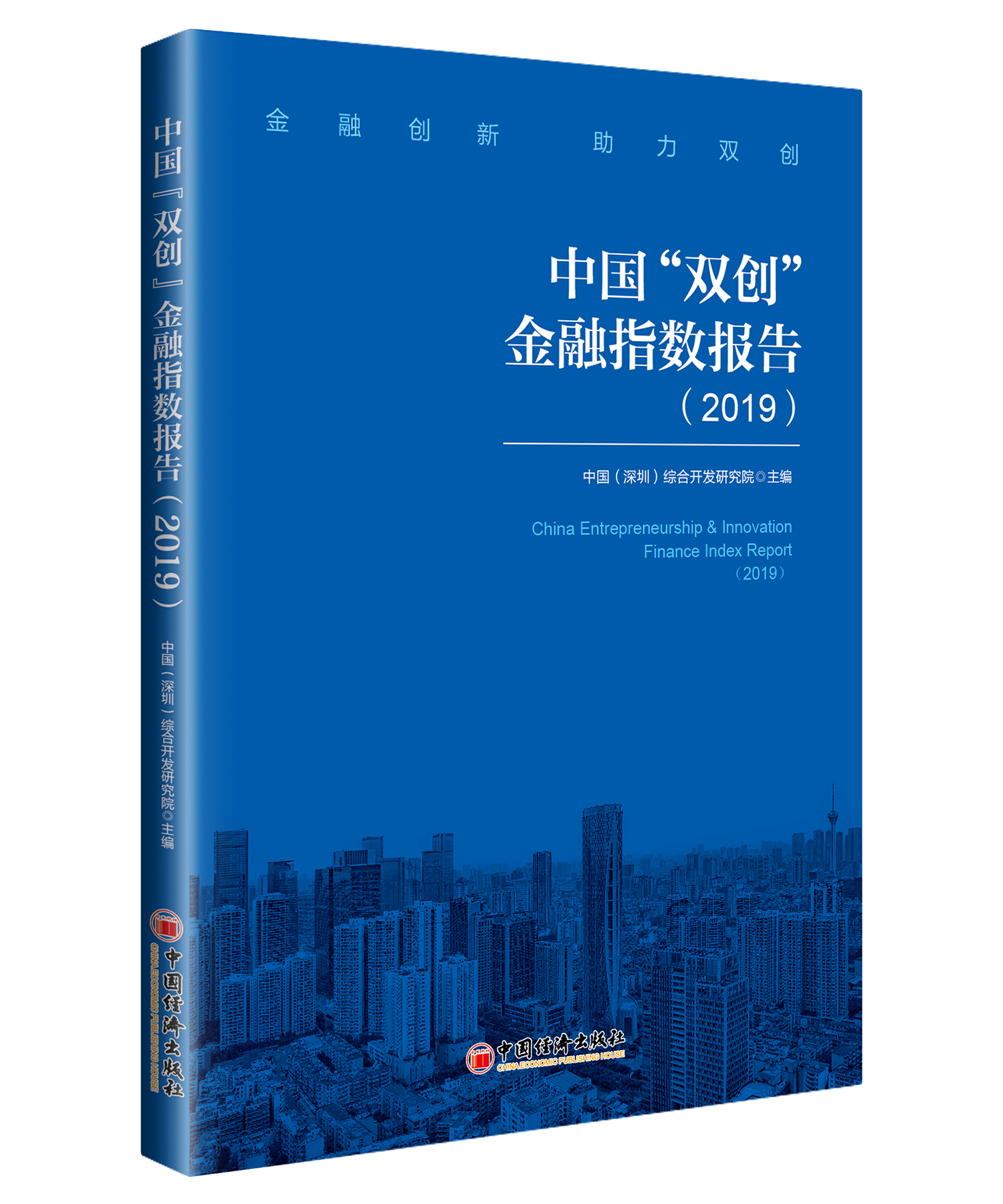
This report reviews and summarizes the development status and characteristics of Chengdu's entrepreneurship and innovation finance.
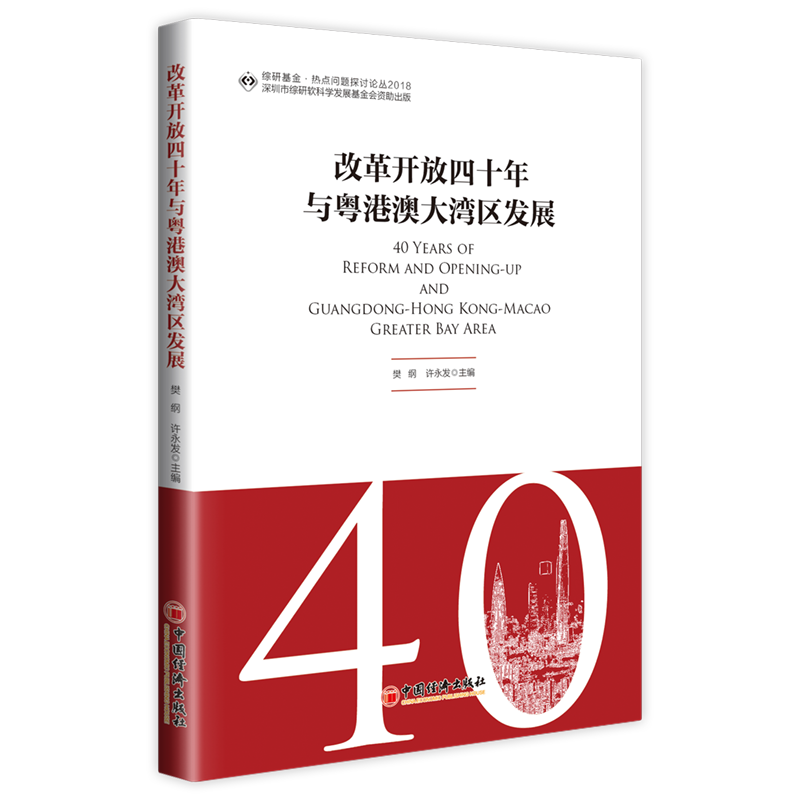
This book summarizes the successful experiences of cooperation and coordinated development among Guangdong, Hong Kong, and Macao, and explores topics such as the key priorities of GBA, its role in open economy, and the cross-regional multi-level coordination mechanisms within the GBA.
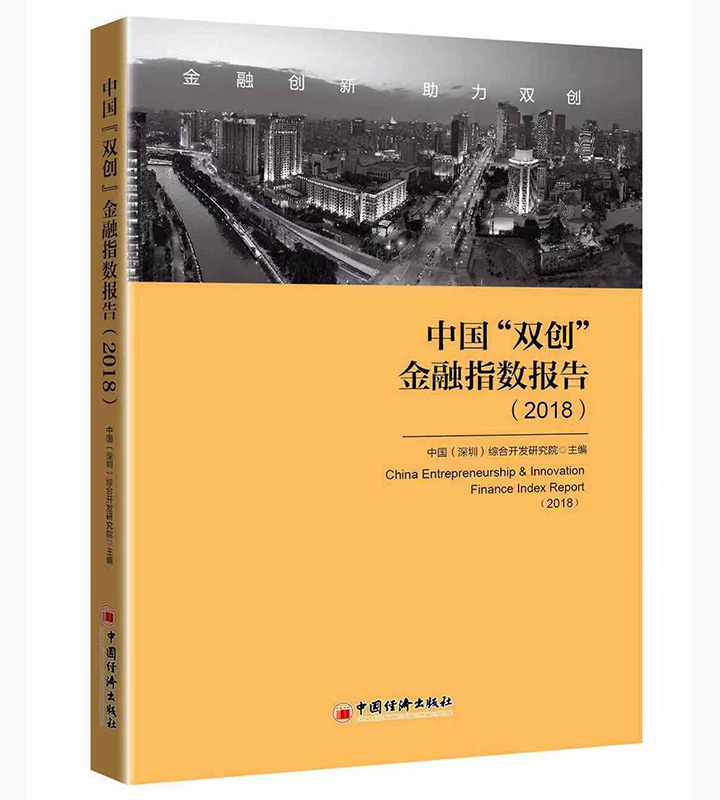
The 31 cities evaluated by the index witnessed a strong growth in their ratings, which shows that there is a huge demand for entrepreneurship and innovation finance. Beijing, Shenzhen, Shanghai, Guangzhou, Hangzhou, Chengdu, Suzhou, Chongqing, Tianjin and Nanjing ranked as the top ten in the index.
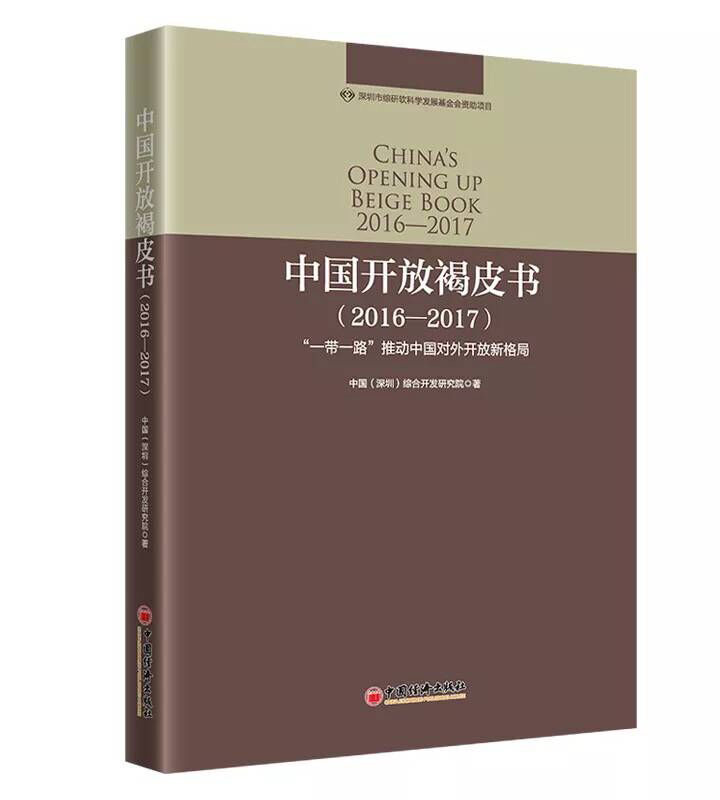
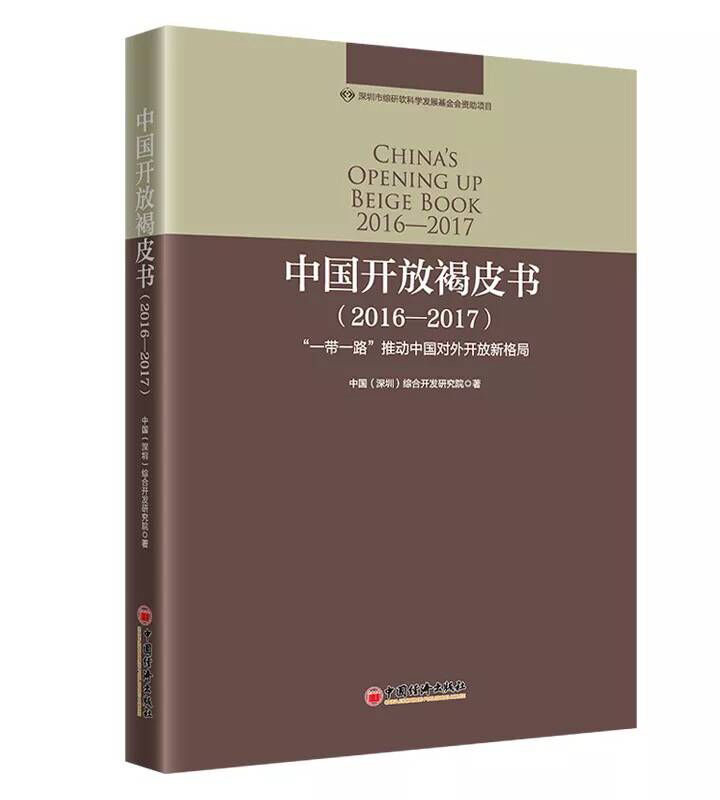 China has become one of world’s biggest overseas investors due to the implementation of the Belt and Road Initiative. What’s more, China has developed a new landscape for opening-up featured by two-way investment, financial market opening, measures to attract international talents and internationalization of the opening-up mechanism.
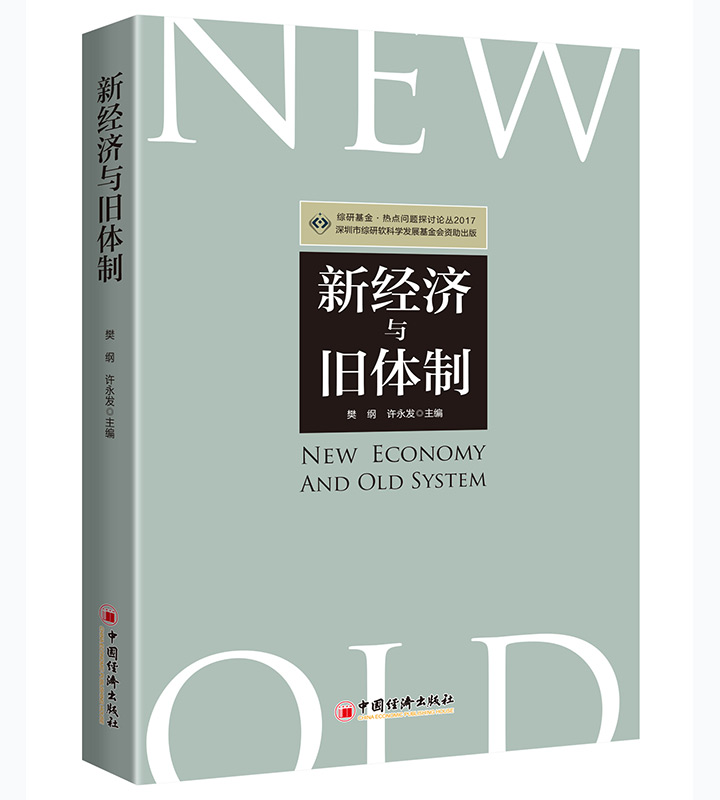
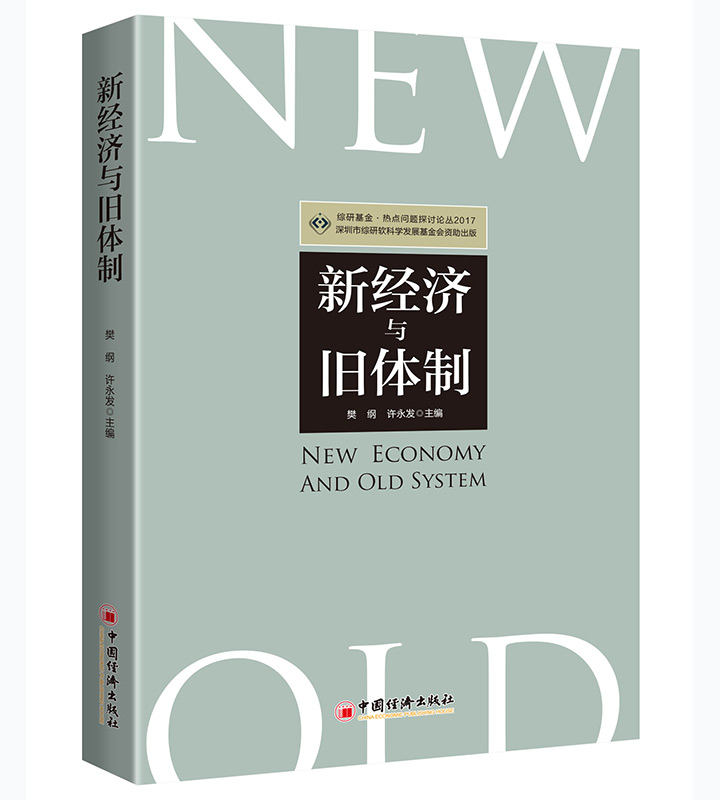

The book discusses industries related to the new economy, regulations fit for the new economy, switch from old driving engines to new ones, innovation of inclusive system and provides practical recommendations for the innovative development of new economy.
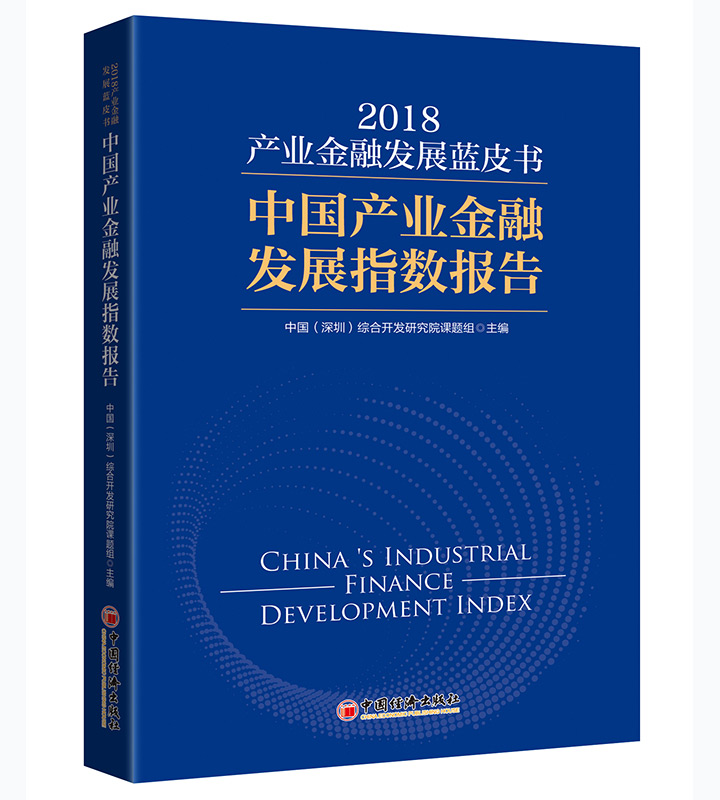
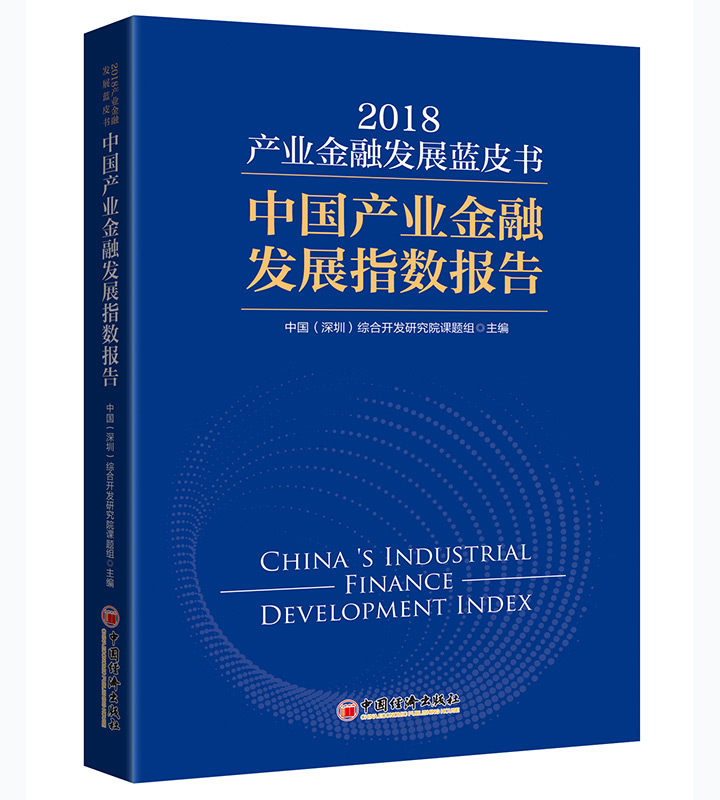
The index, dynamically monitoring efficiency and effect of financial activities related to the real economy, is aimed at exploring appropriate and effective financial measures to support the real economy and providing suggestions for financial reform and innovation.
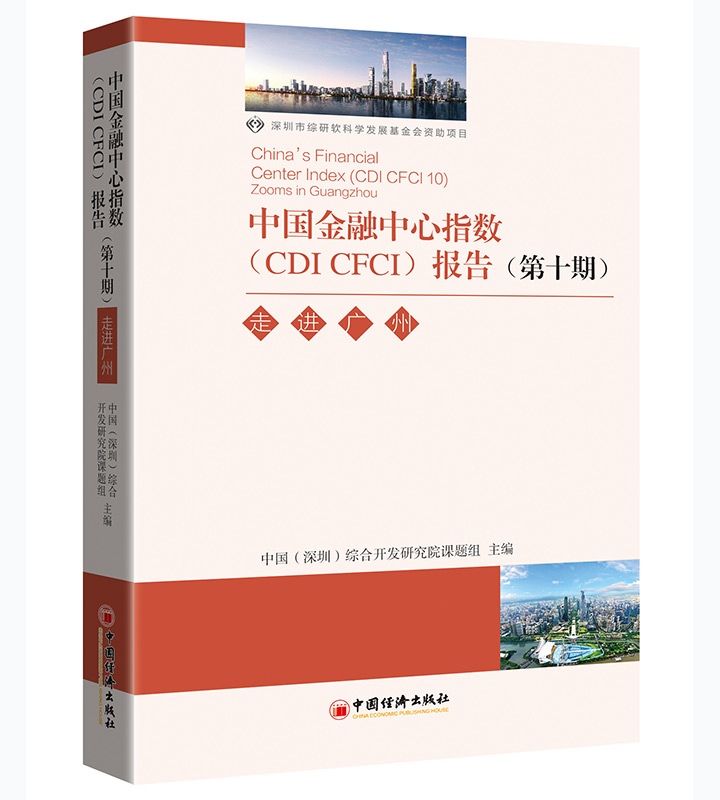
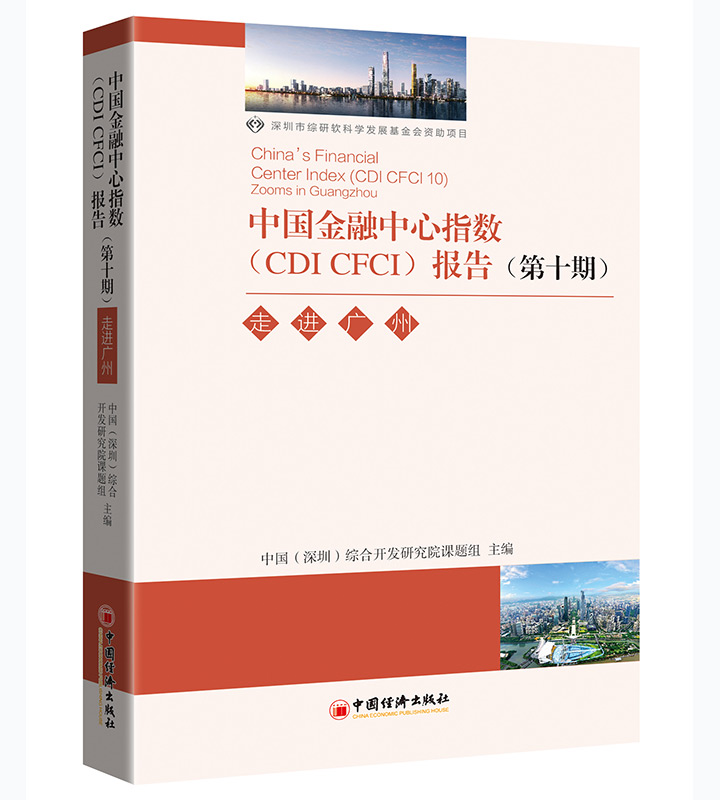
The CFCI, a comprehensive evaluation system of financial centers on the Chinese mainland, is aimed at exploring measures to enhance competitiveness of the financial centers. Shanghai, Beijing, Shenzhen, Guangzhou, Hangzhou, Chengdu, Tianjin, Nanjing, Chongqing, and Wuhan ranked as the top ten financial centers mainland according to the latest edition of the index.
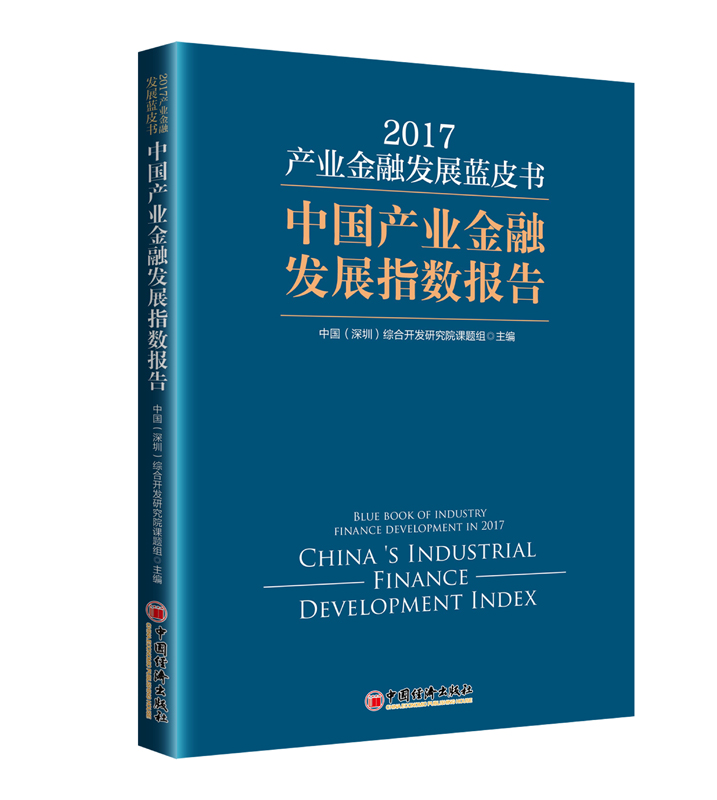
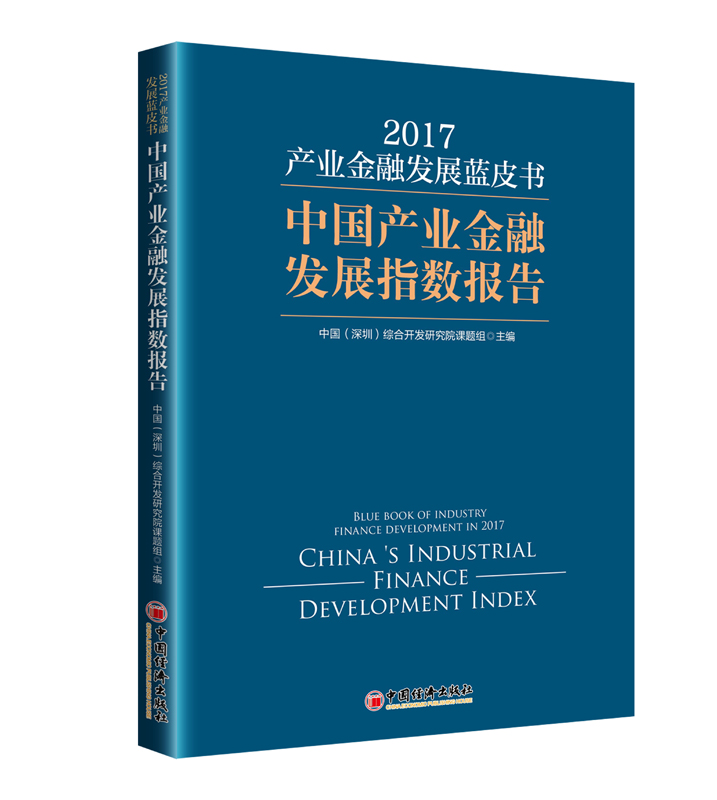 The index examines China’s industrial finance using 64 indicators in the five broad areas of capital support, structure optimization, service efficiency, innovation and resilience. The term of industrial finance in the book refers to financial services which directly support the real economy. The book is aimed at exploring financial reform and innovation which can improve the quality of financial services.
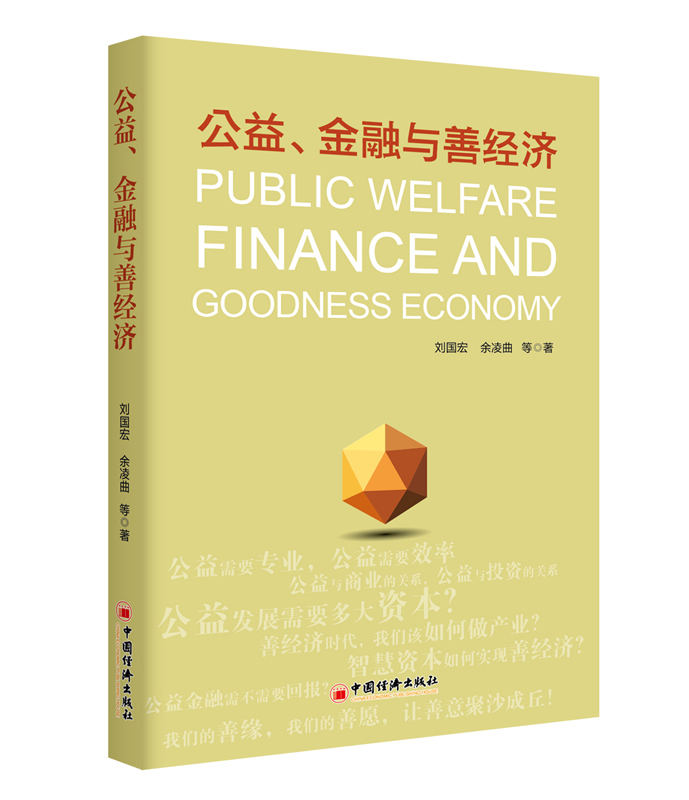
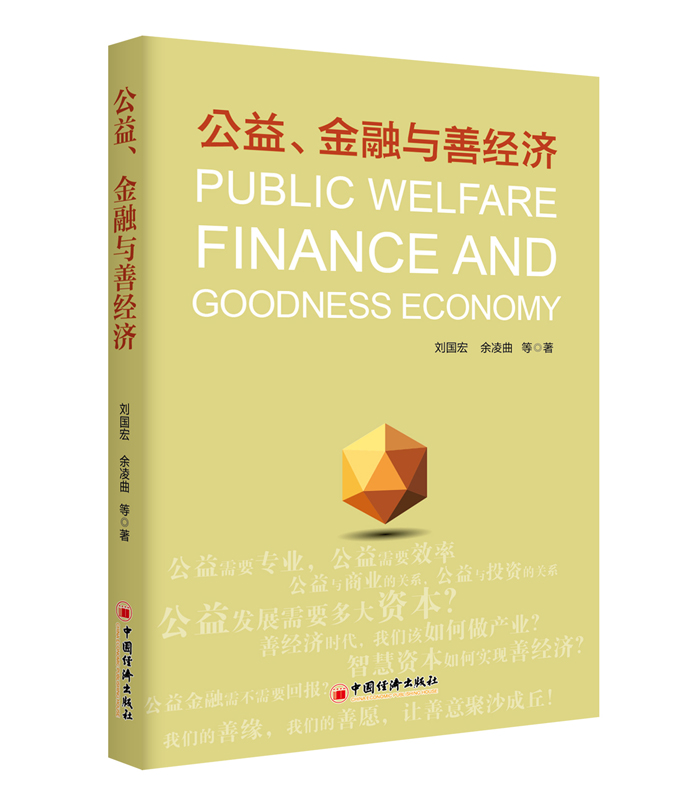 The book is aimed at promoting the integration of philanthropy, finance and economy. The summary of and analysis on philanthropic experience is centered on how the economic and social development can generate public welfare for people’s livelihood.
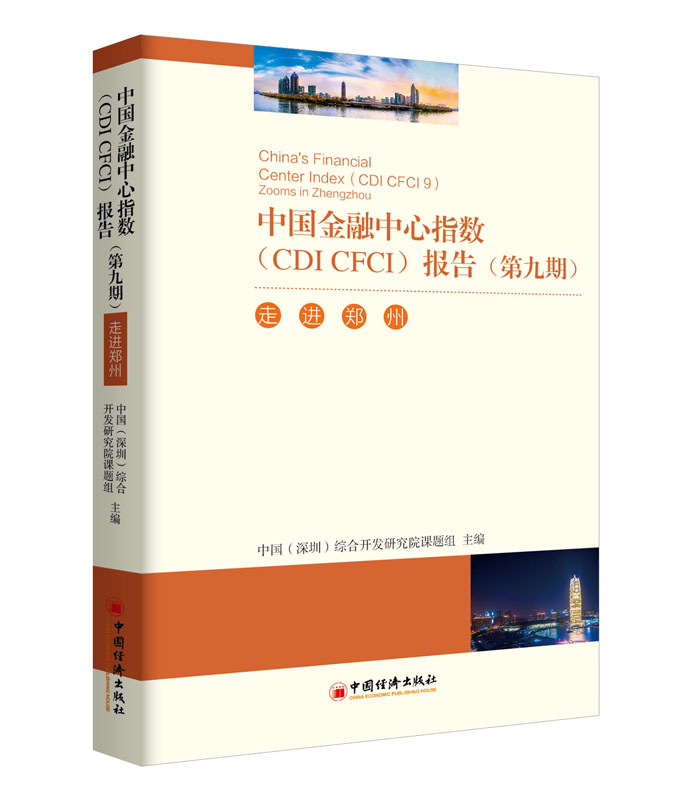
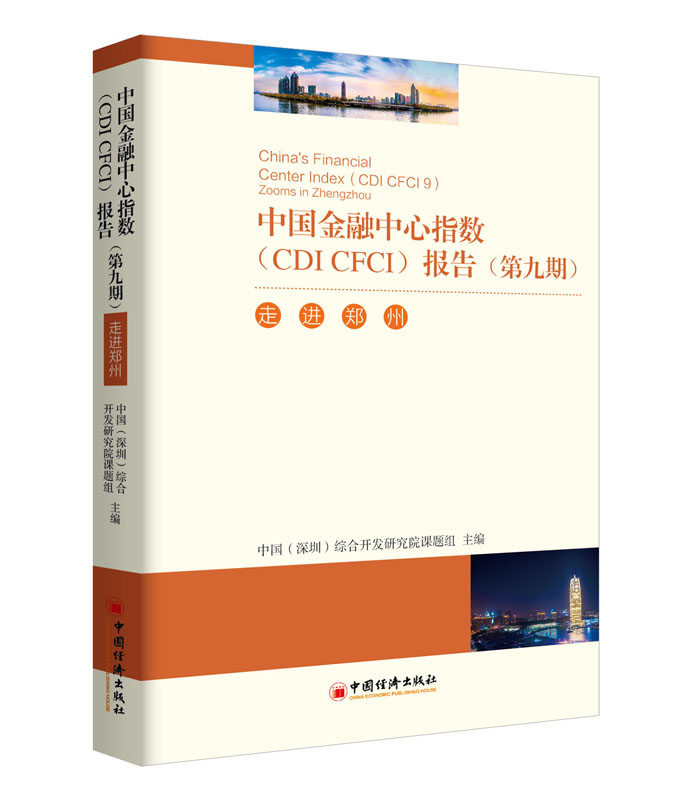 The CFCI 9 comprehensively evaluates 31 financial centers of China, using 88 indicators in the four broad areas of financial industry performance, financial institutions’ competitiveness, financial market size and financial dynamics. Since it was first released in 2009, the CFCI has been updated annually. The index shows that the 31 cities create 52% of the total value in financial services in China and own 81% of the total asset of commercial banks in China, 96% of the total asset of brokerage firms in China and 96% of the total asset of insurance companies in China.
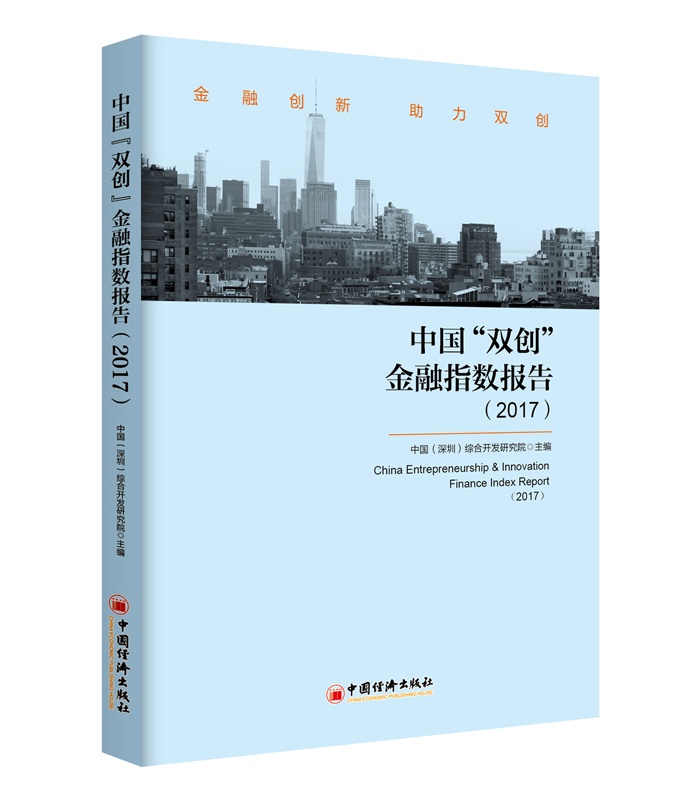
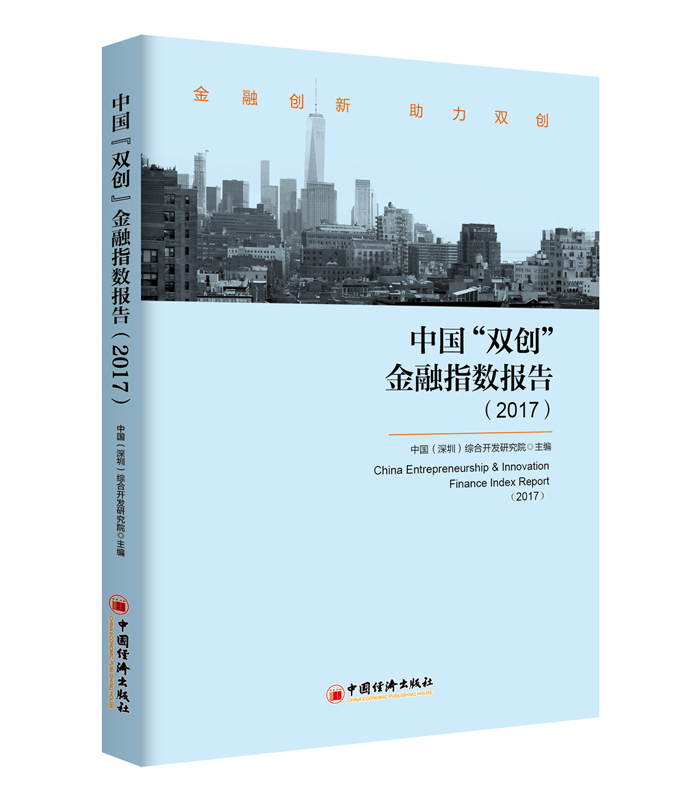 China Entrepreneurship and Innovation Finance Index measures financial services supporting entrepreneurship and innovation in 31 major cities of China through 46 indicators.