Innovative, Objective, Practical

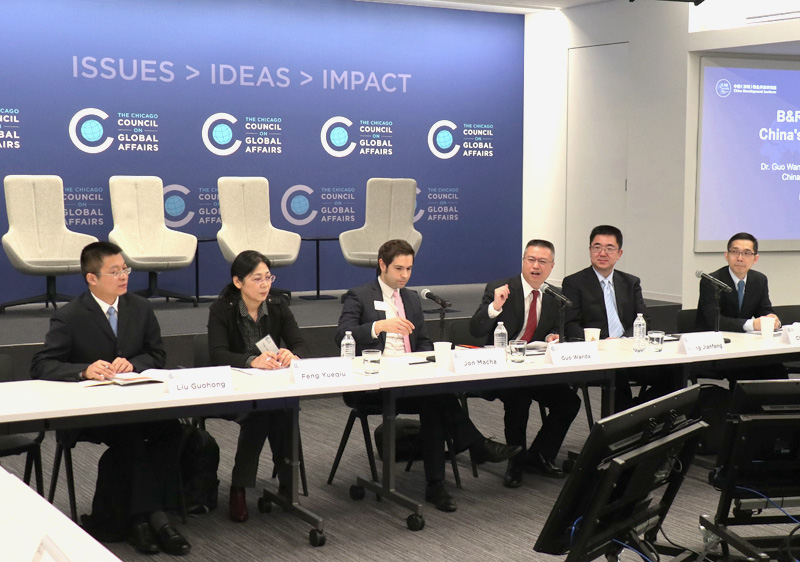
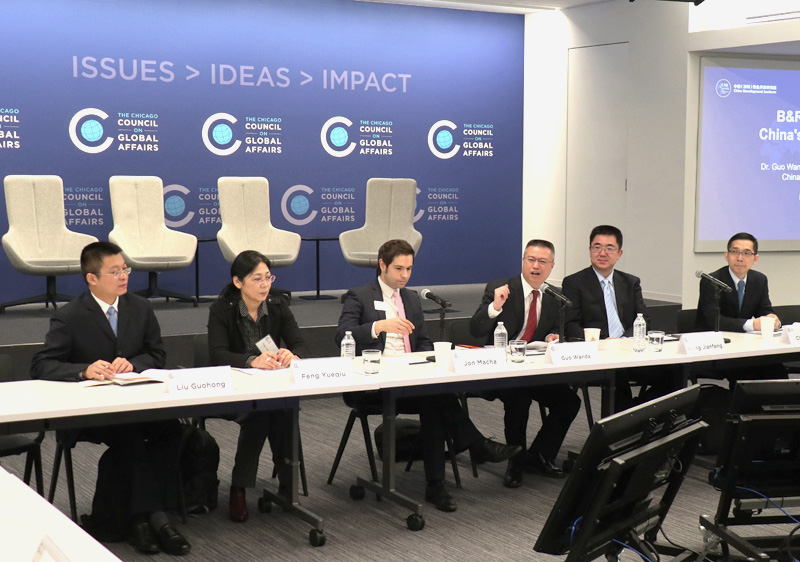
CDI, Chicago Council on Global Affairs, Bay Area Council Economic Institute and Asia Pacific Foundation of Canada jointly hosted seminars themed on “Belt and Road” Initiative, the development of bay area and financial innovation. With the purpose of introducing the circumstance of CDI delegation paid visits to three cities including Chicago, San Francisco and Vancouver from December 10 to 17
On December 11, CDI and Chicago Council on Global Affair jointly hosted a seminar themed on “China is changing the future of the world” in Chicago. In the seminar, CDI delegates deemed that the international cooperation model should encourage overseas companies' entry to China and Chinese companies' expansion abroad with the main focus on the “Belt and Road” Initiative. On one hand, the cooperation seeks the mutual benefits with countries along the “Belt and Road” through promoting the cooperation on infrastructure construction, public education, policy making and etc. On the other hand, the “Belt and Road” Initiative encourages to integrate national strategies and plans with developed countries. The other participants had profounder understanding on the “Belt and Road” Initiative through the seminar.
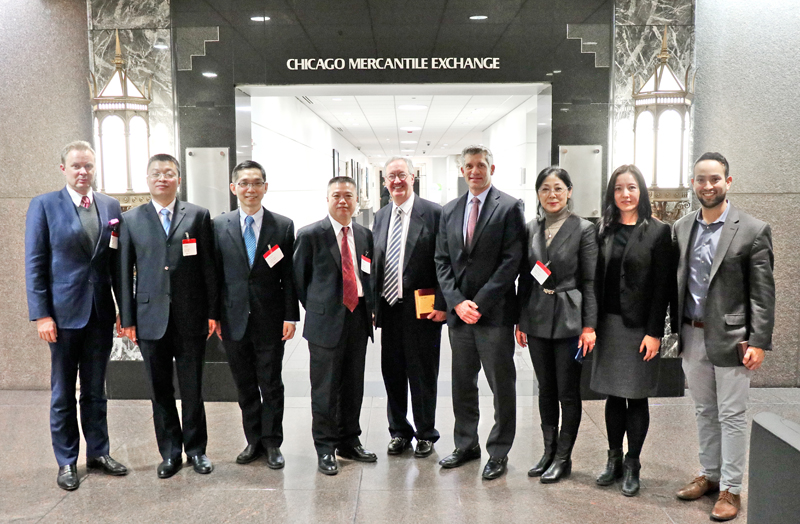
With the idea of exchanging the experience of bay area development, CDI also hosted World Bay Area’s Development Seminar with Bay Area Council Economic Institute on December 13 in San Francisco. Dr. Sean Randolph, senior director of Bay Area Council Economic Institute, shared the experience of the San Francisco Bay Area in building a global innovation center while Dr. Guo Wanda from CDI analyzed the significance of the establishment of Guangdong-Hong Kong-Macao Great Bay Area and Shenzhen. CDI delegation visited Asia Pacific Foundation of Canada and discussed the development of the “Belt and Road” initiative on December 15 in Vancouver. CDI delegates talked about the prospect of RMB Internationalization under “Belt and Road” initiative. What is more, two institute exchanged the views of the policy mechanism of Hong Kong under the “One Country, Two System” policy.
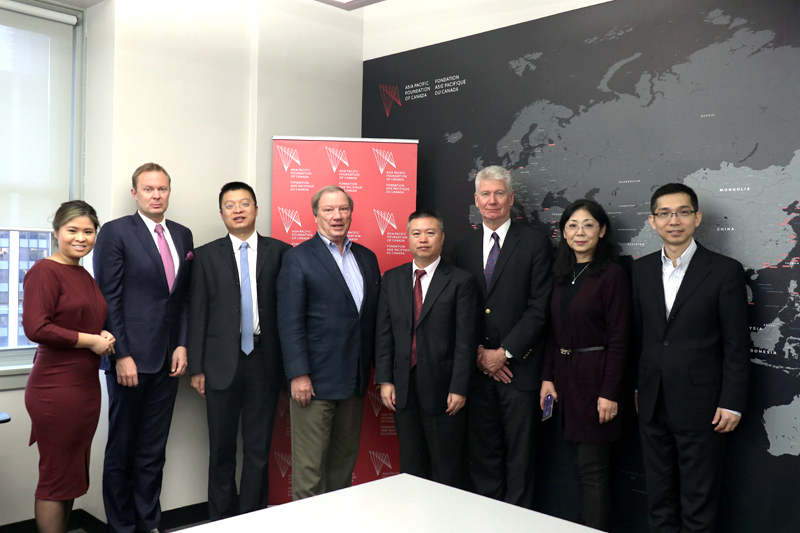
The tour expanded the business connection with international financial institutes and enhanced the business integration. Moreover, through seminars, participants from different countries showed their own perspectives on the ‘Belt and Road’ Initiative.
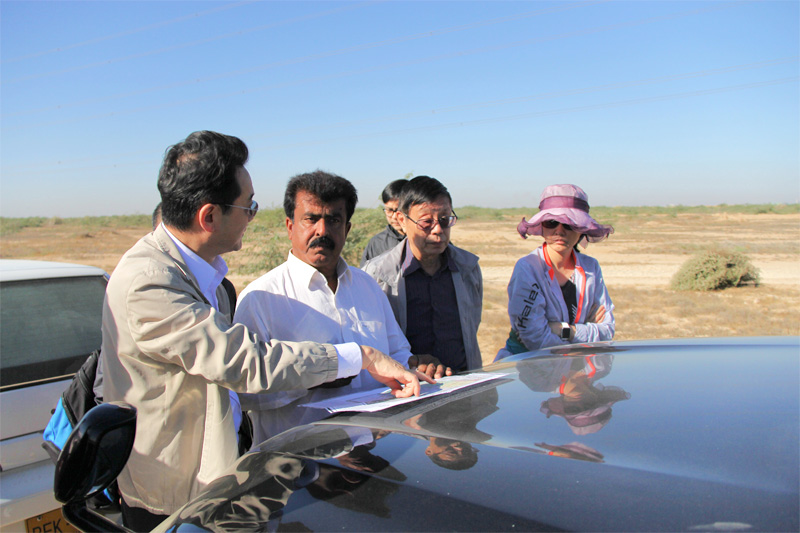
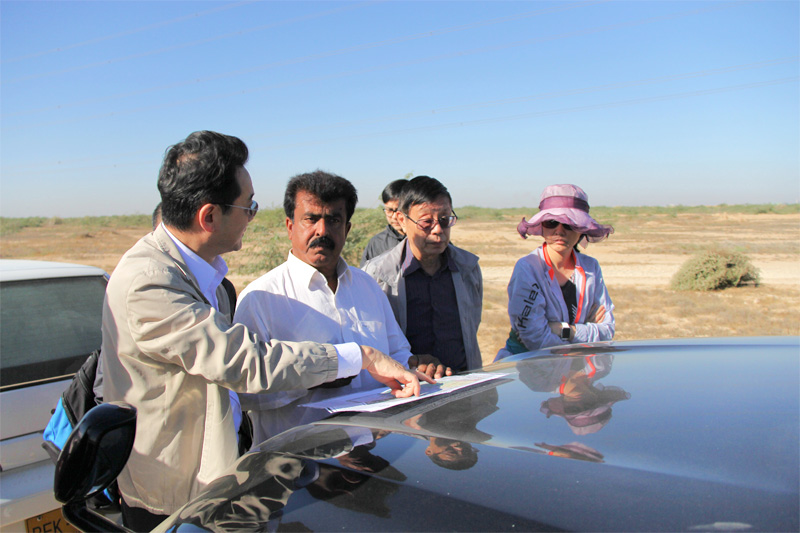 From December 9 to 14, CDI delegation led by Dr. Qu Jian, Vice President of CDI, went on a field trip to Pakistan for a feasibility study on China Special Economic Zone Dhabeji, which is part of China-Pakistan Economic Corridor (CPEC). In the meetings with the government of Sindh, Pakistani consultancies, Chinese investors and Chinese Consulate-General in Karachi, CDI delegates conducted the feasibility study on establishing a special economic zone in Sindh, Pakistan.
CPEC is high on the agenda of the Belt and Road Initiative. Having improved road, rail and air transportation, CPEC now shifts to boost the project of special economic zones which will bring industry and investment to Pakistan. Motivated by the success story of Shenzhen, Pakistan will establish nine special economic zones.
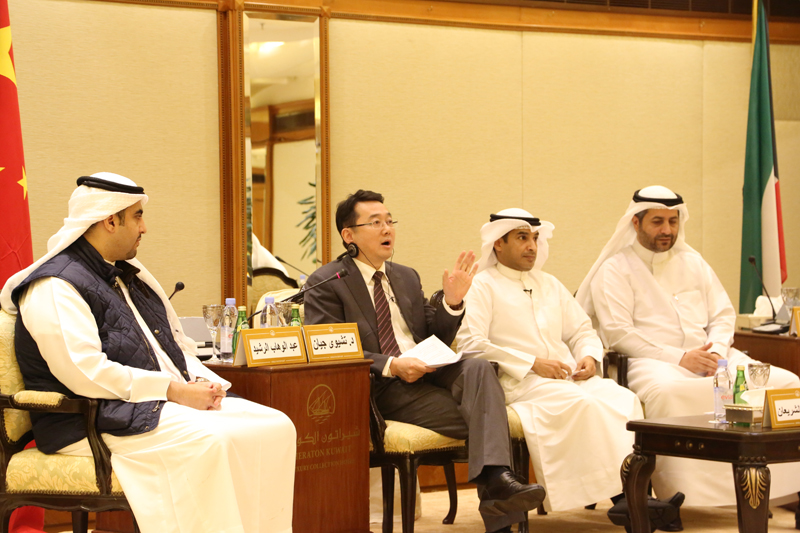
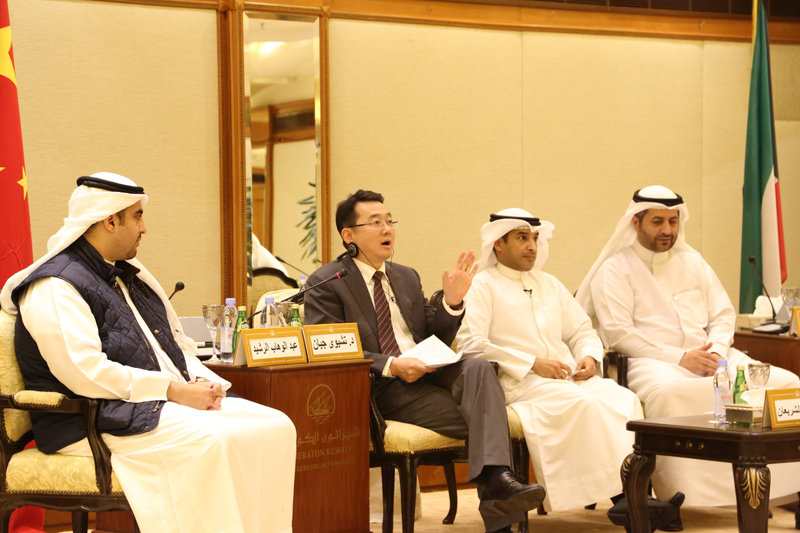 Sino-Kuwait Strategic Cooperation Seminar was held on November 27, 2017 in Kuwait, hosted by Embassy of the People’s Republic of China in the State of Kuwait, in hope to strengthen Sino-Kuwait relationship and facilitate strategic and pragmatic cooperation between the two countries. During the seminar, Dr. Qu Jian presented on “The Economic Transformation and Diversification Through Developing Special Economic Zone”, and analyzed the highly cohesive development strategies of China and Kuwait, as well as the implication of China’s experience in Special Economic Zone development on Kuwait. A total of over 140 participants attended the seminar, including personages from Kuwait government, academia, companies and social organizations.
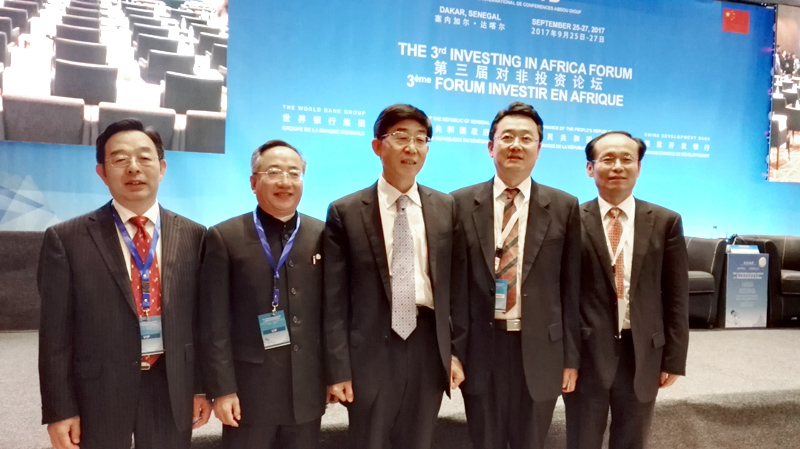
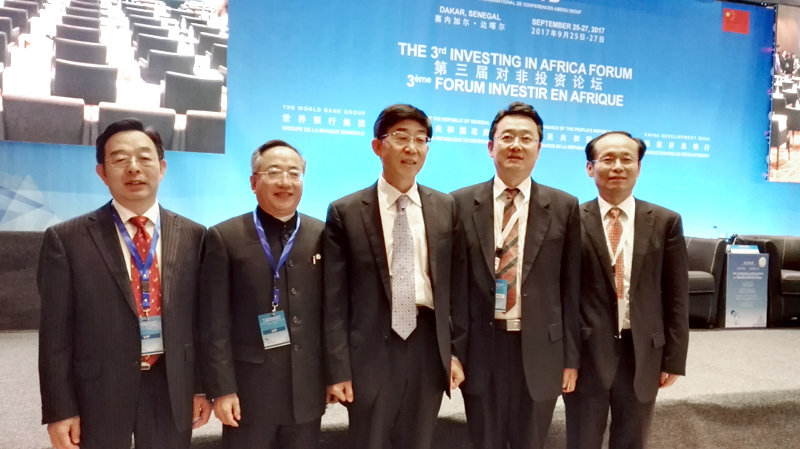 During September 25 to 27, Vice President Dr. Qu Jian attended the Third Investing in Africa Forum and gave a presentation themed on “Promoting Africa Leapfrogging through Innovation” at Parallel Session: Special IATTA Roundtable. Dr. Qu Jian noted that to achieve leapfrogging development, African countries should pay attention to the life-cycle management of special economic zones by legislation, industrial planning, spatial planning, investment feasibility studies, operation schemes and financing schemes before the construction.
The Third Investing in Africa Forum was co-organized by Republic of Senegal, Ministry of Finance of the People’s Republic of China, China Development Bank and World Bank Group. Under the overarching theme of Leapfrogging through Innovation, six key topics will be discussed: (i) Energy; (ii) Agriculture and Agribusiness; (iii) Information and Communication Technologies; (iv) Education; (v) Finance; and (vi) Governance and Sustainability. The forum will also mark the official debut of the “Investing in Africa Think Tank Alliance” (IATTA), a platform to synergize the intellectual capabilities of research centers and the capital strengths of development finance institutions to promote sustainable and inclusive development in Africa.
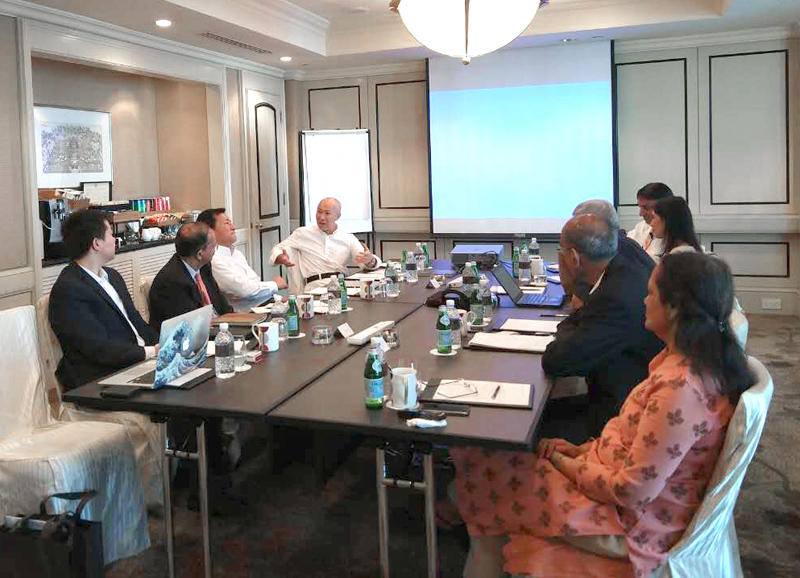
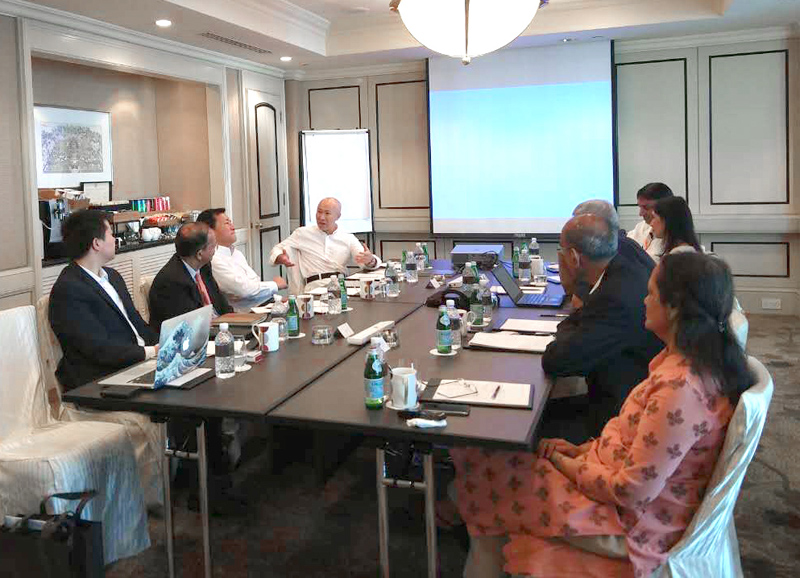 President of CDI, Pro. Fan Gang and Postdoctoral Researcher, Zhang Guoping attended roundtable on China-India Economic Integration jointly hosted by the CDI, Center for Policy Research and Mastercard Center for Inclusive Growth in Singapore, from September 11 to 14. The roundtable aims to explore the feasibility of furthering closer economic integration between China and India under current conditions of bilateral relations.
President Fan and the representatives of Center for Policy Research and Mastercard Center conducted a sound discussion on the formulation of an effective modality of operating joint research with the purpose of accelerating China-India economic and trade cooperation and promoting other relevant mutually beneficial relationship. During the roundtable, CDI and CPR delegation clarified the framework for pilot joint research and identified the key issue, such as inclusive growth, employment, micro entrepreneurship and productivity, and urban planning.
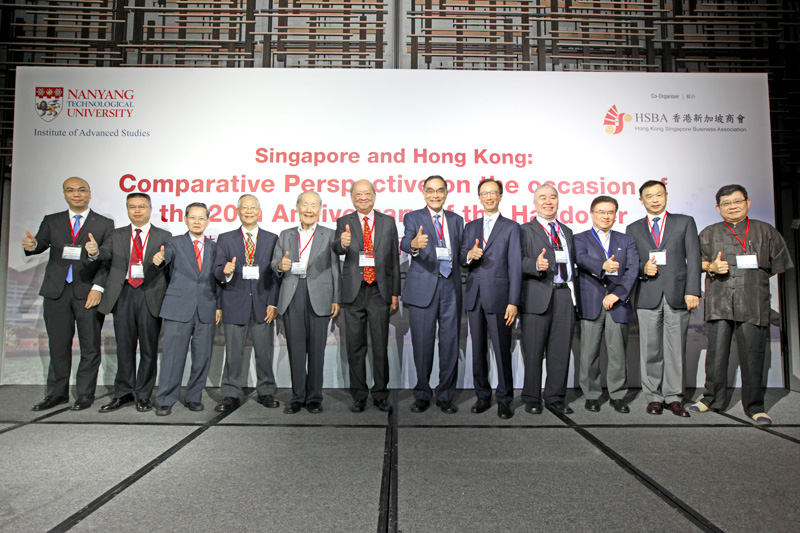
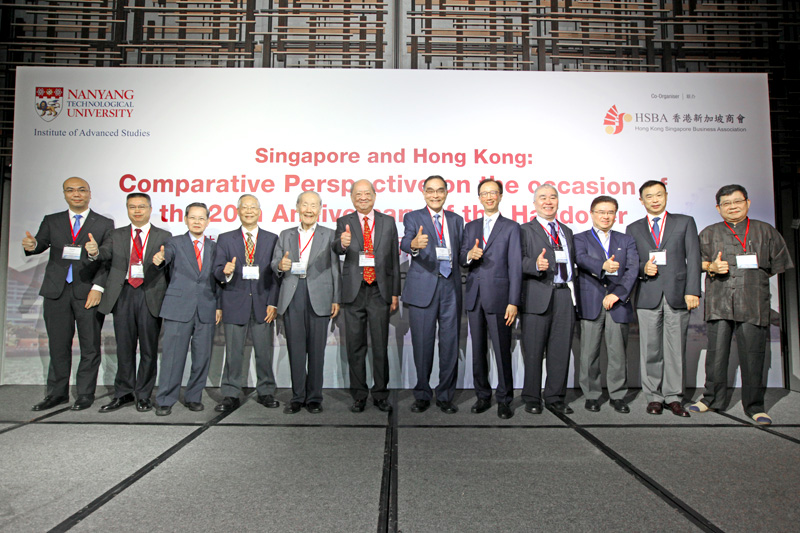 Executive Vice President, Dr. Guo Wanda, attended the “Singapore and Hong Kong: Comparative Perspective on the Occasion of the 20th Anniversary of the Handover” workshop held by the Institute of Advanced Studies, NTU, the Nanyang Centre for Public Administration, NTU, and the Hong Kong Singapore Business Association in Singapore on September 4. Dr. Guo Wanda spoke on “Shenzhen - Hong Kong: Review and Outlook” through analyzing Shenzhen and Hong Kong’s past economic development, e.g. “stores in front, factories in back” model, and the prosperity of Guangdong – Hong Kong – Macau Greater Bay Area and Shenzhen – Hong Kong Metropolis.
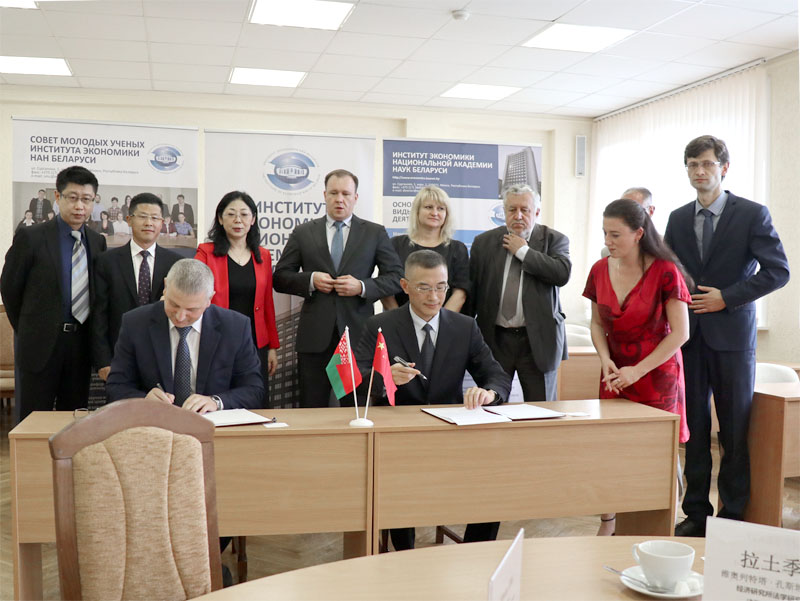
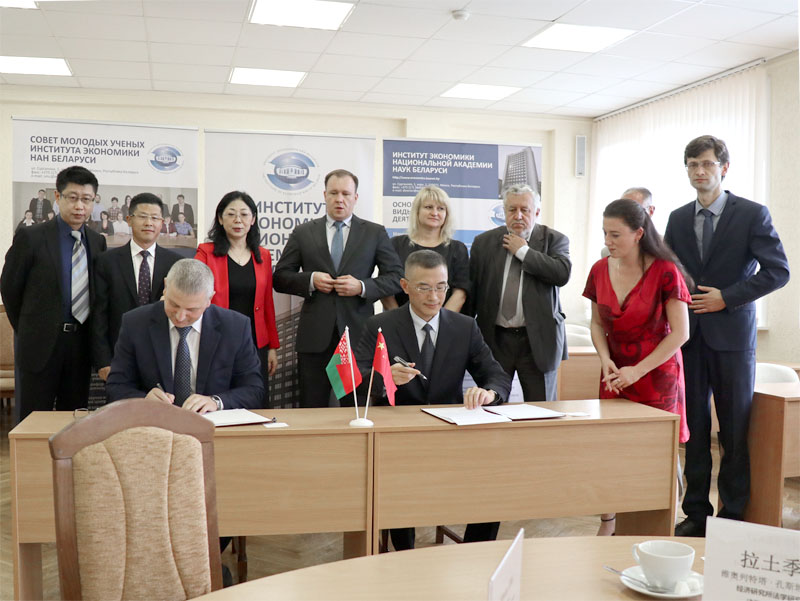 During a visit led by Vice President Wu Liangcheng to Belarus from August 21 to 25, CDI signed MOUs with the Institute of Economics of the National Academy of Sciences of Belarus and Belarusian Research Institute of Transport Transtekhnika to deepen China-Belarus cooperation and synergize development policies under the “Belt and Road” Initiative.
CDI and the two Belarusian institutes agreed to jointly carry out research projects to facilitate policy coordination and logistics connectivity between China and Belarus under the “Belt and Road” Initiative and convene conferences or seminars to expand the influence of Belarus along the Silk Road Economic Belt.
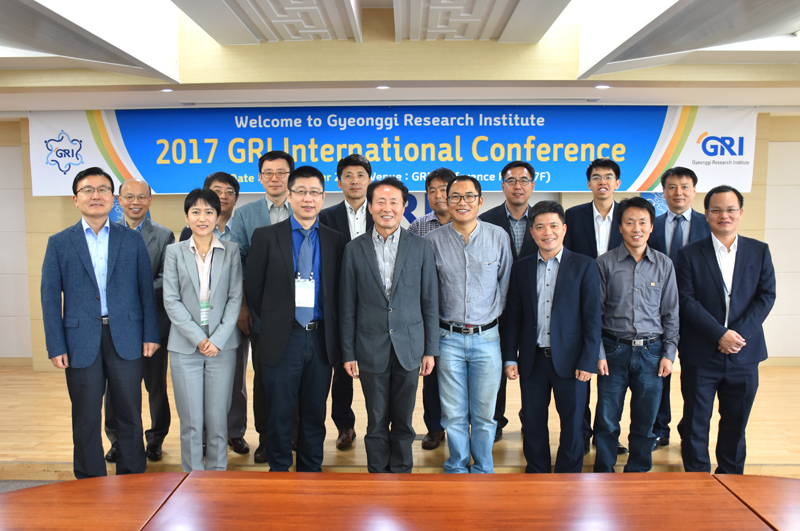
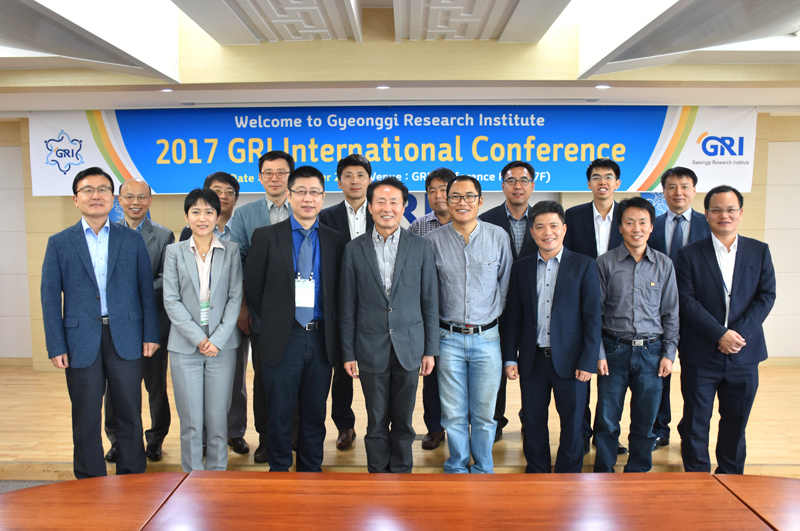 Zheng Yujie, Director of Department of Think Tank Research and Information, and Liu Yu, Executive Director of Silver-Lake New Energy Research Institute attended the 2017 GRI International Conference (SEE - Sustainability, Energy and Environment) held by Gyeonygi Research Institute at Suwon, South Korea from September 5 to 7. Zheng Yujie presented on the blooming bicycle sharing industry in China, and focused on its development, low-carbon footprint characteristics, accompanying life style change, public space management challenges as well as related regulation and public policies. Liu Yu discussed alongside Mongolian, Indian and Korean representatives on new energy policies and experiences.
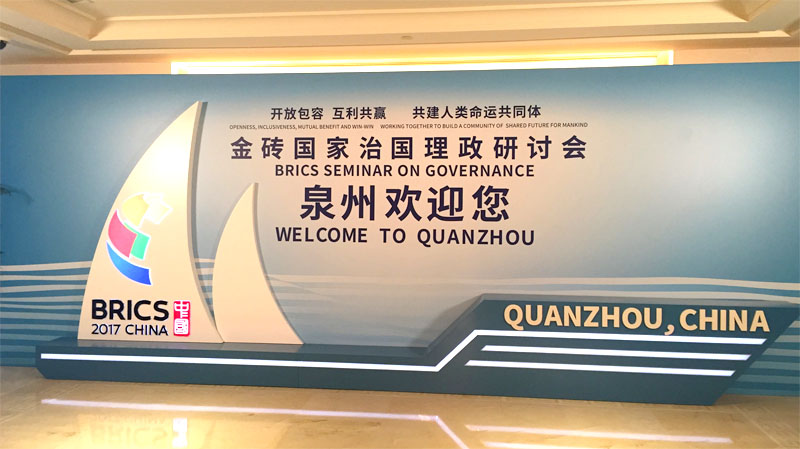
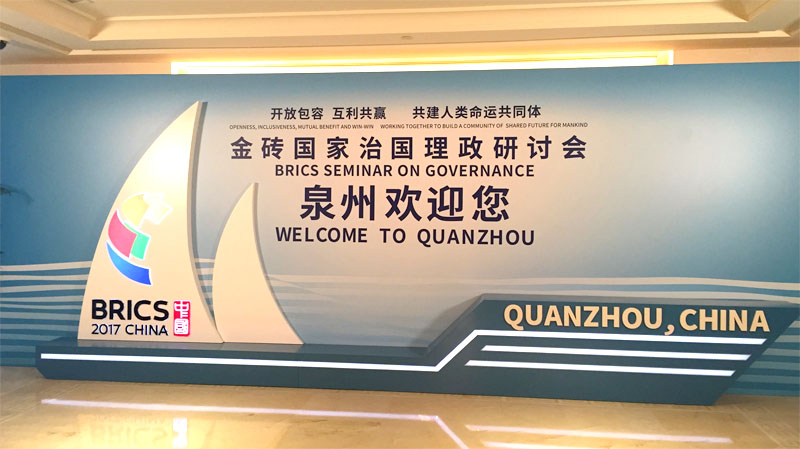
On August 17, Dr. Wu Liangchen, Vice President of CDI, attended BRICS Seminar on Governance. Dr. Wu Liangchen’s keynote speech focused on Shenzhen Special Economic Zone’s innovation development.
According to Dr. Wu Liangcheng’s speech, the successful experience of Shenzhen Special Economic Zone is as follows: to explore system reforms and institutional arrangements in small trial areas and then to effectively distribute rare resources, which can achieve rapid growth and showcase development model for other regions.
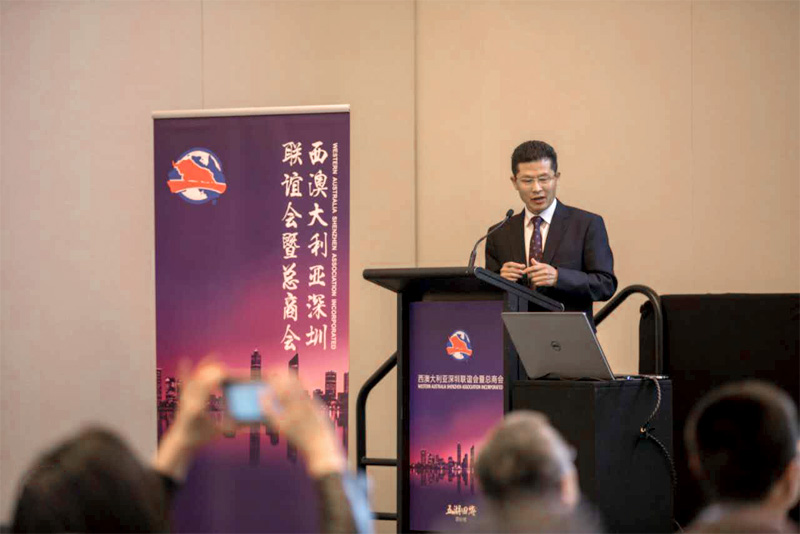
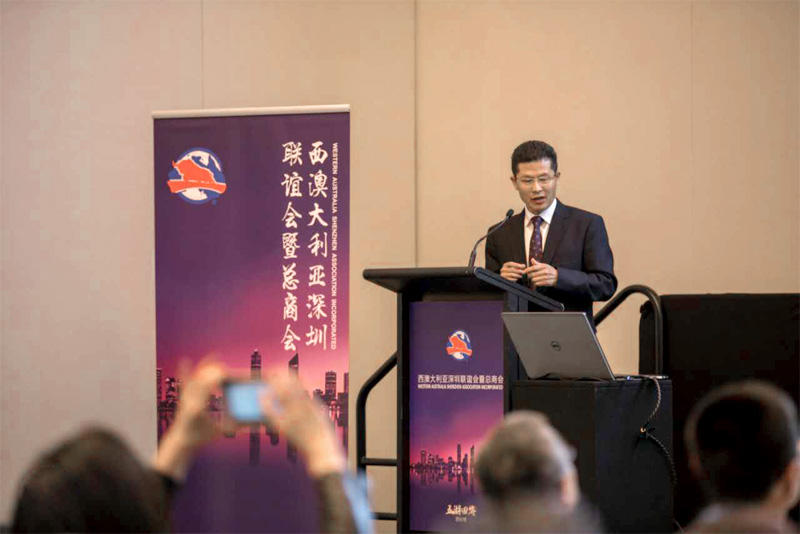 On July 31, Dr. Wang Guowen, Director of Department of Logistics and SCM attended the 1st ‘Belt & Road’ International Business Forum. Dr. Wang Guowen gave a keynote speech themed on the construction of “Belt and Road” Initiative and cooperation with Western Australia.
The proposal of three blue economic passages will bring chance for upcoming prosperity of maritime trade between China and countries along the “Belt and Road”. What’s more, Perth, the capital of Western Australia, is expected to become a hub node of blue economic zone, which includes China, Australia, New Zealand and Pacific Island countries. Perth can serve as a base and transit center, which take full advantage of the development opportunities brought by blue economy, so as to introduce new industries and realize the transformation and upgrading of traditional industries.
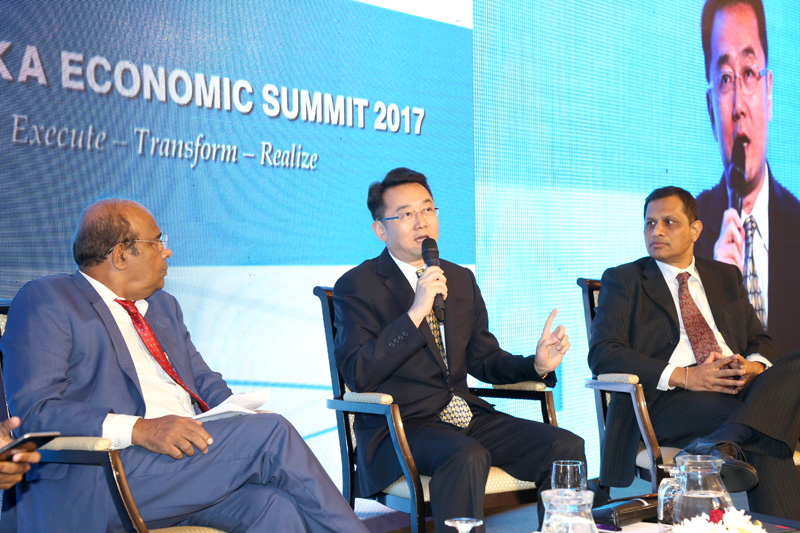
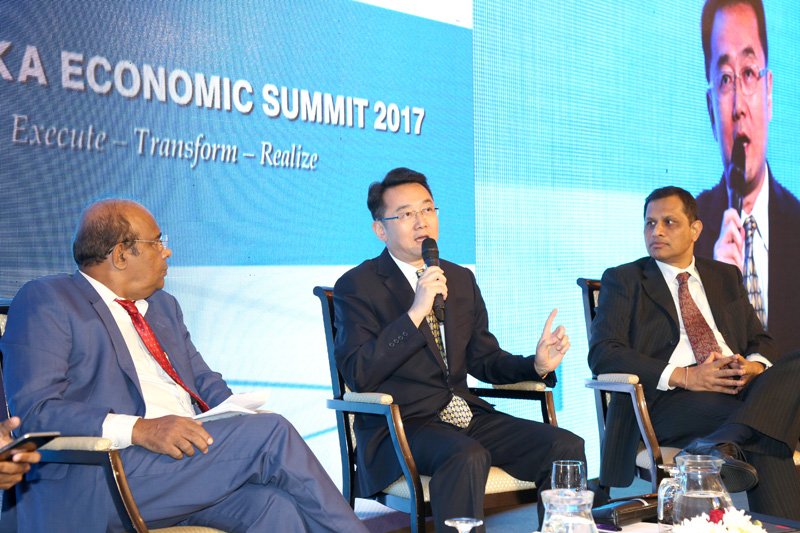 From July 25 to 26, Dr. Qu Jian, Vice President of CDI, attended the Sri Lanka Economic Summit 2017 held by Ceylon Chamber of Commerce in Colombo. Themed on Execute-Transform-Realize, the summit discussed how to achieve the economic transformation in Sri Lanka through transforming the policy implementation model, accelerating the reform and renewing the business mode. Dr. Qu Jian gave a keynote speech on the session of Realizing the Potential of Mega Development Projects.
Dr. Qu Jian shared the developing mode and successful experience of Chinese Special Economic Zones. Besides, he put emphasis on the planning phase before the industrial park construction, and further illustrated the preliminary planning process including the establishment of Special Economic Zones Law, the planning of industries and space, and the research of investment feasibility, financing, and operation management.
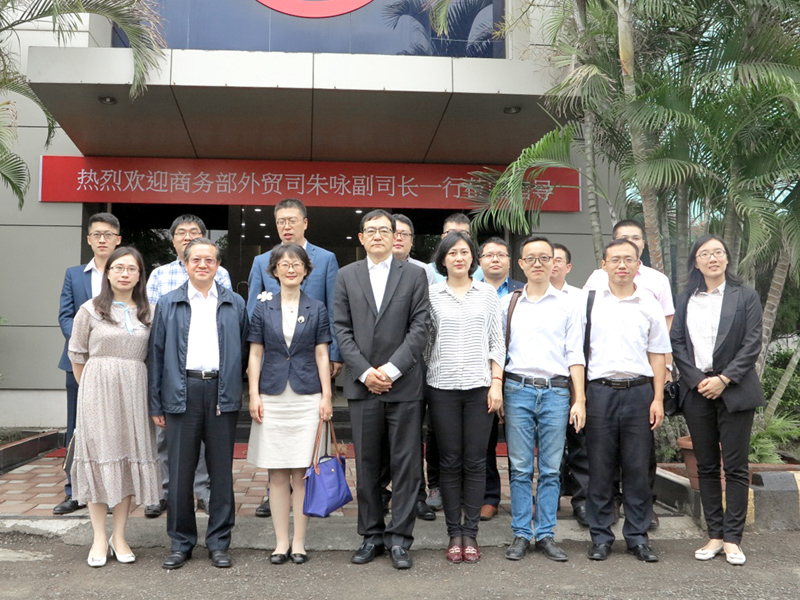
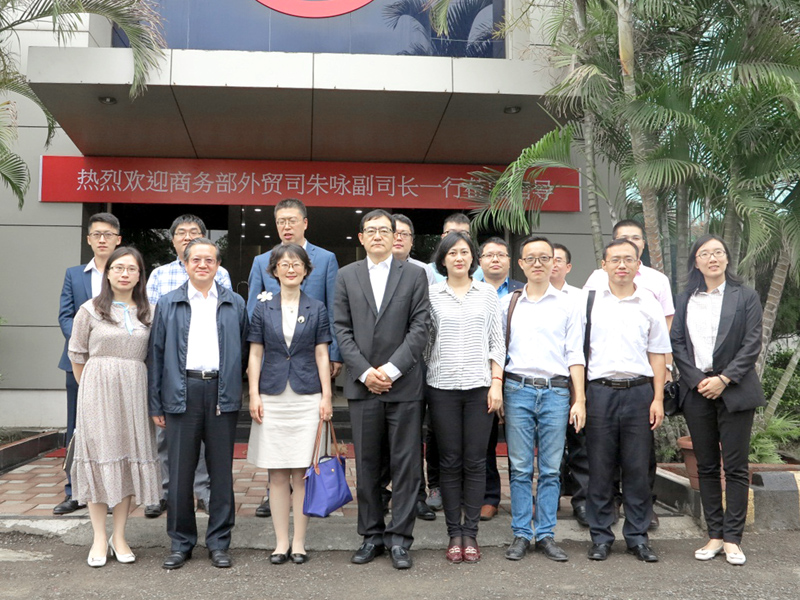 From June 7 to 14, CDI delegates from Department of Regional Development Planning paid a visit to Bangladesh and India for a field-trip research on international production capacity and industry transfer cooperation on processing trade. The delegation was led by Ms. Zhu Yong, the Deputy Director of the Department of Foreign Trade of the Ministry of Commerce and also included delegates from the MOFCOM.
The delegation had a sound discussion on joint construction of industrial parks and international production capacity cooperation with local foreign-funded enterprises and foreign trade departments. Besides, the delegation carried out filed research on four local industrial parks and more than 20 enterprises funded by Chinese mainland and Hong Kong investors and also had in-depth exchanges with economic and commercial representatives from Chinese embassies and consulates.
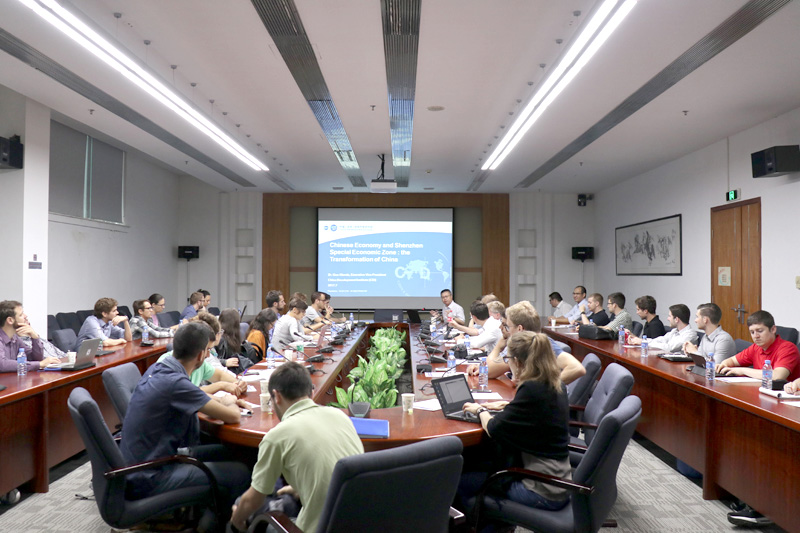
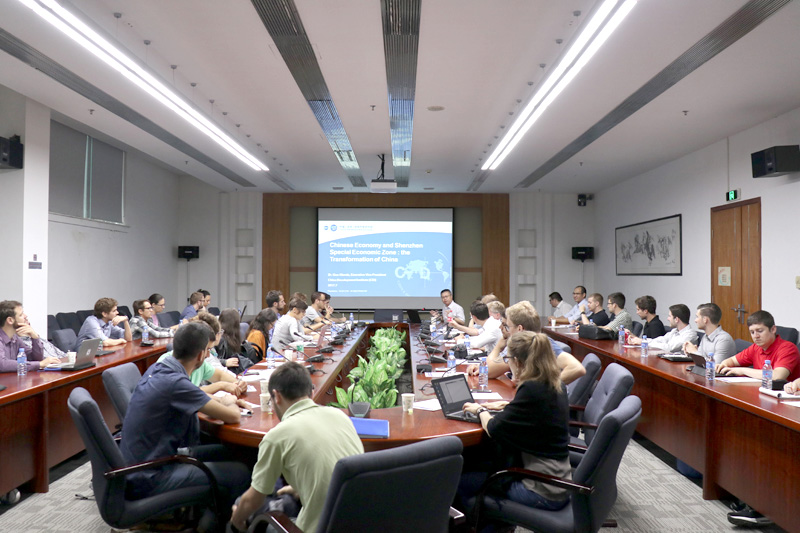 A delegation of 48 students from Swiss universities paid a visit to CDI. Dr. Guo Wanda, Executive Vice President of CDI, lectured students on “Chinese Economy and Shenzhen Special Economic Zone: The Transformation of China”. The lecture covers four parts: “Chinese Economy in the Past”, “Chinese Economy in the Future”, “Shenzhen:A Special Economic Zone” and “Shenzhen’s Innovation and Its Role in China’s Transformation”.
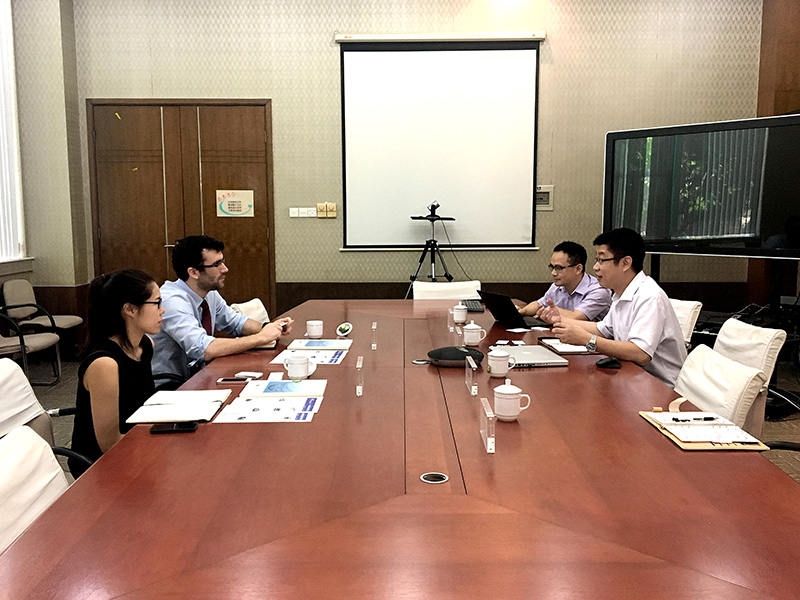
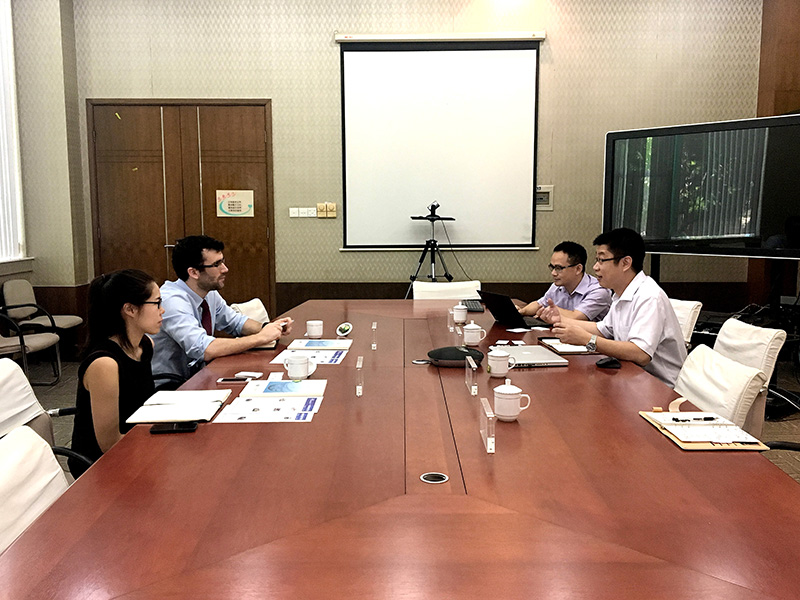 On July 11, Mr. Steve Arrick, Economic Consul of British Consulate-General Guangzhou visited CDI. Mr. Zheng Yujie, Director of Information and Communications Department, Mr. Cao Zhongxiong, Executive Director of New Economy Research Department exchanged views with the guests on the topics of Guangdong-Hong Kong-Macao Greater Bay Area and China Manufacturing 2025, the challenges of urban integration in Guangdong Province, and Hong Kong's transformation during the growth of China's Greater Bay Area.
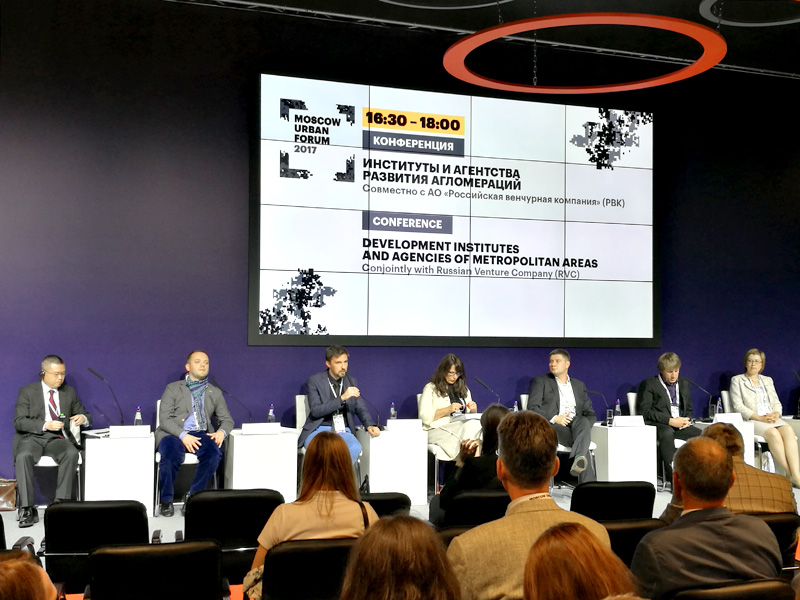
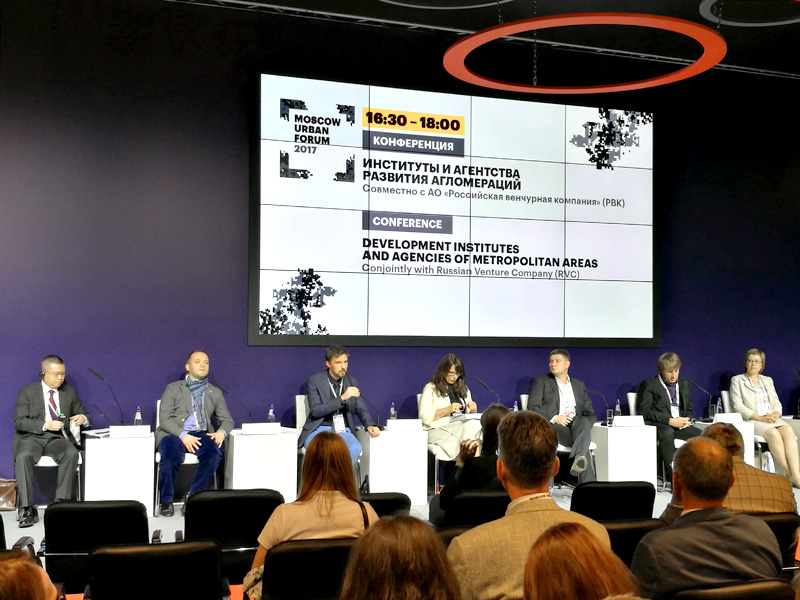 Guo Wanda, Executive Vice President of CDI, and Zeng Zhen, Executive Director of Urbanization Department at CDI, gave speeches at the 2017 Moscow Urban Forum held by the Moscow government from July 6 to July 7. Representatives from think tanks, enterprises and UNESCO discussed the prospect of urbanization and its influence on national economies in the context of globalization. CDI delegation shared the success of establishing special economic zones and upgrading old industrial areas in China, showing the cases of The Qianhai & Shekou Free Trade Zone in Shenzhen, and Shiwan Industrial Zone.
The Moscow Urban Forum was established in 2011 and it has covered a wide range of topics such as sustainable development, urban planning, and urban conglomerations.
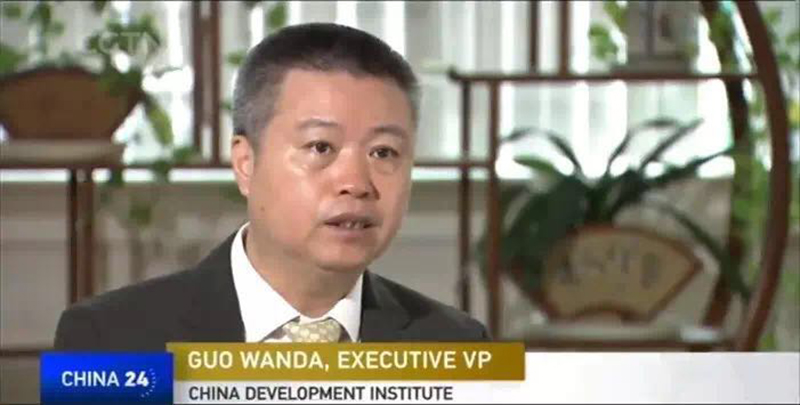
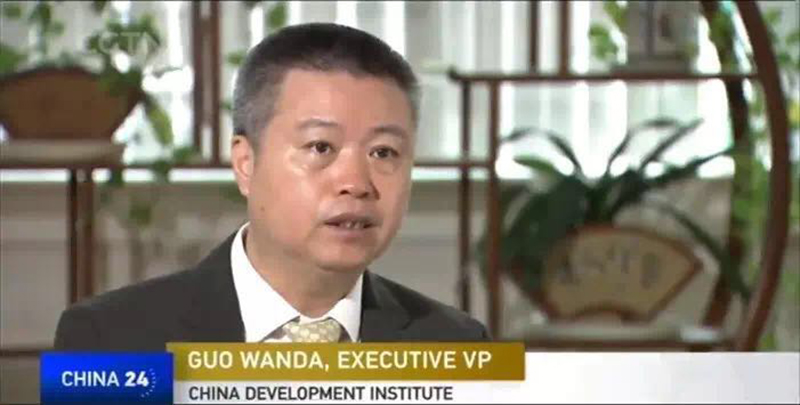 In the interview with CGTN on June 27th, Dr. Guo Wanda, the Executive Vice President talked about advantages of Hong Kong business environment and the important role of Shenzhen manufacturing system in terms of the development of the Guangdong-Hong Kong-Macao Greater Bay Area. The future cooperation between Hong Kong’s knowledge industry and Shenzhen’s manufacturing sector can be expected.
The following article drawn from a CGTN news entitled “Innovative and advanced manufacturing in Shenzhen”.
Guo Wanda, an expert in Hong Kong studies explained how the twin can cities collaborate to build the new Bay Area.
“Hong Kong’s low taxes, highly efficient legal system, as well as its business environment have made it impossible for other cities, including Shenzhen, to replace it. One way for the cities to cooperate, I always say, is to establish links between the top universities in Hong Kong and the manufacturing sector in Shenzhen. A soup with these two elements mixed together would taste great! ” said Wanda.
“With its high-end manufacturing and high-tech, high added-value production, Shenzhen could be an engine that powers the development of the Guangdong-Hong Kong-Macao Greater Bay Area, and integrates resources in the region.”
Today, Shenzhen’s entrepreneurs no longer think about making cheap items. Instead, they focus on bringing new and unique products to the global market, which is helping China’s manufacturing sector transform into a global leader in innovation.
View the full video version: https://news.cgtn.com/news/3d51544e7955444e/share_p.html?from=singlemessage&isappinstalled=1
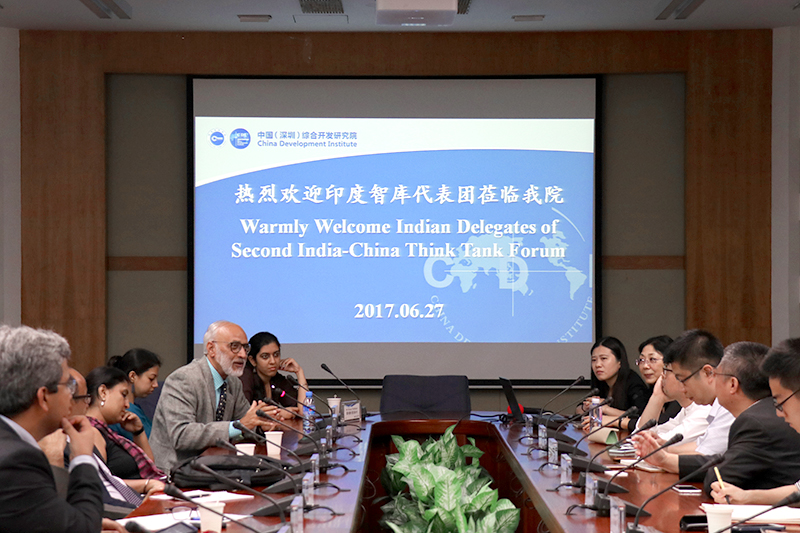
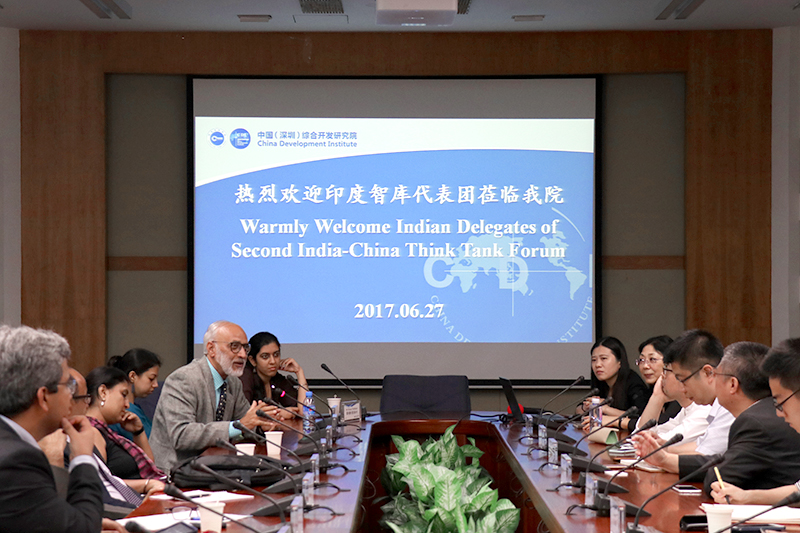
On June 27th, Indian think tank delegation visited CDI and conducted discussion with Executive Vice President Dr. Guo Wanda. The roundtable discussion focused on land issues in urbanization, labor force circulation between cities and rural areas, income system in Shenzhen, and status quo of manufacturing industry in Shenzhen.
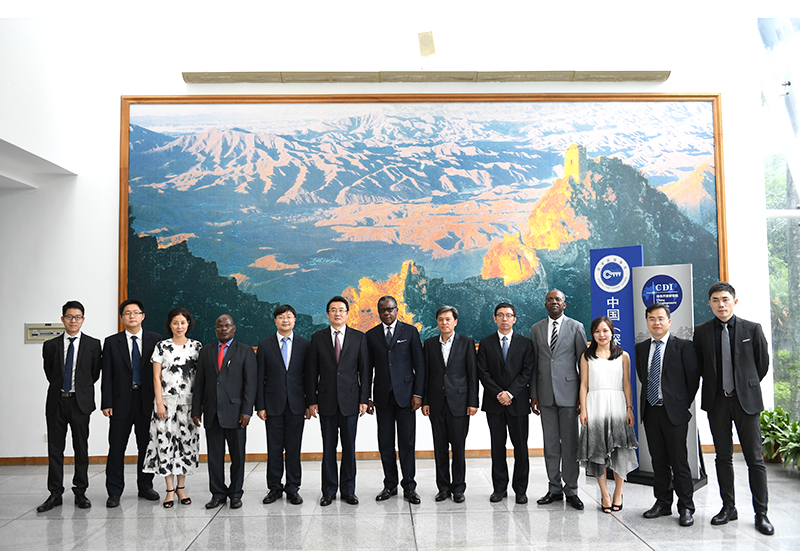
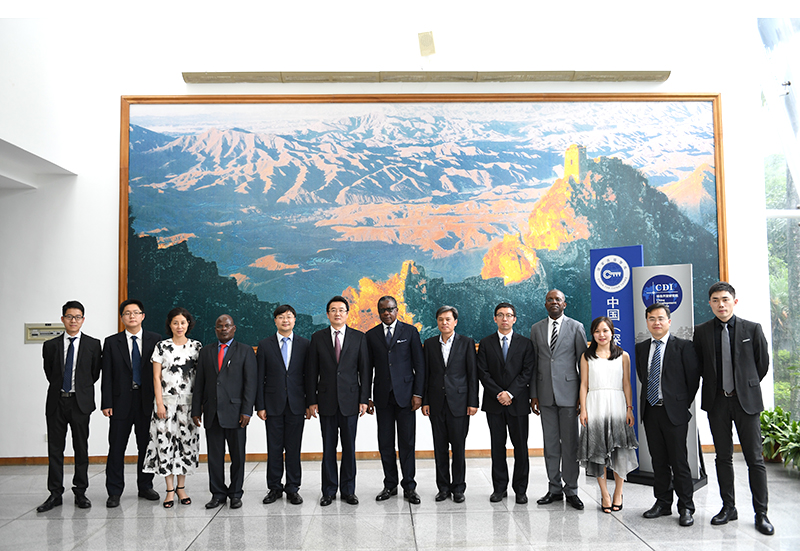
On June 4th, Alain Akouala Atipault, Minister of Special Economic Zones of the Republic of Congo, visited CDI and held discussion with Dr. Qu Jian, Vice President of CDI.
Dr. Qu introduced the history, category, supervision and experience of Chinese Special Economic Zones and gave suggestions for Pointe-Noire Special Economic Zone. Afterwards, SEZ minister Alain Akouala Atipault introduced how to invest in Pointe-Noire Special Economic Zone to ten Chinese companies. The next day, accompanied by Dr. Qu, SEZ minister Alain Akouala Atipault visited Shenzhen Yantian Port and Yantian Integrated Free Trade Zone.
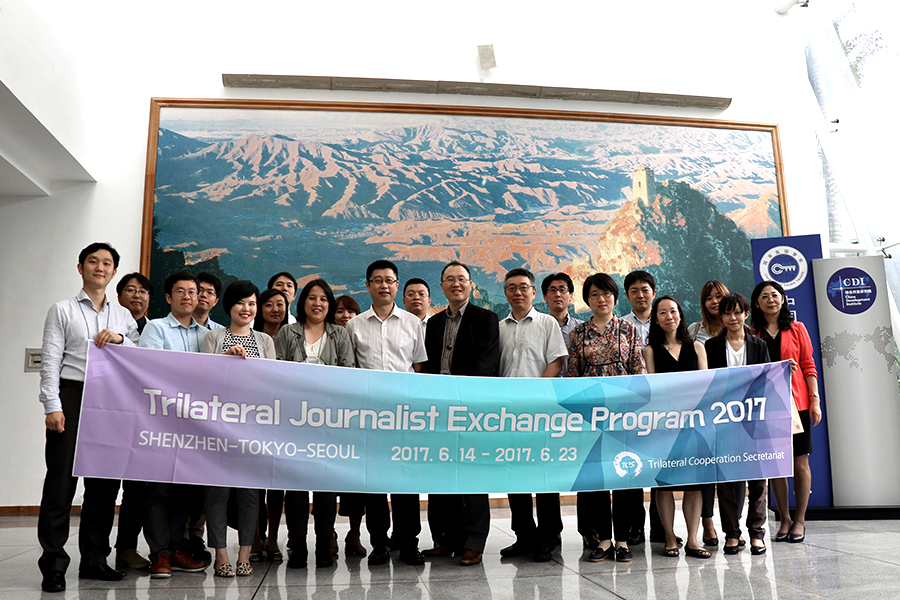
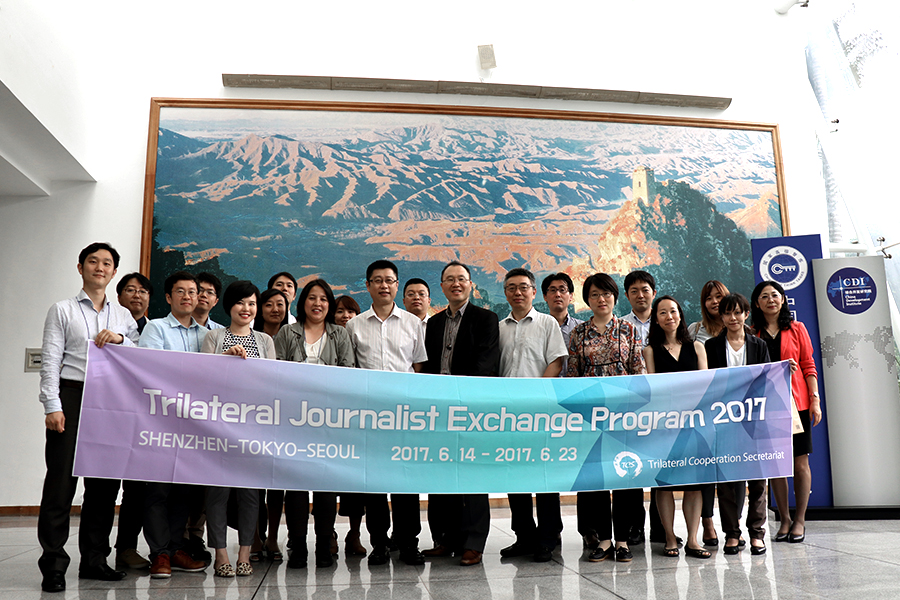 Journalist delegation from China, Japan and South Korea visited CDI on June 16. Mr. Zheng Yujie, Director of Information and Communications Department, Mr. Zhoulin, Director of Innovation and Industry Research Center, and Mr. Liu Guohong, Director of Finance and Modern Industry Research Department, exchanged views with the delegation on the topics of China Manufacturing 2025, innovative industries in Shenzhen, China's performance in Industry 4.0, the obstacles to the development of China's manufacturing industry, the status quo and prospect of Shenzhen's innovative industries, and how to further their economic cooperation among China, Japan and South Korea.
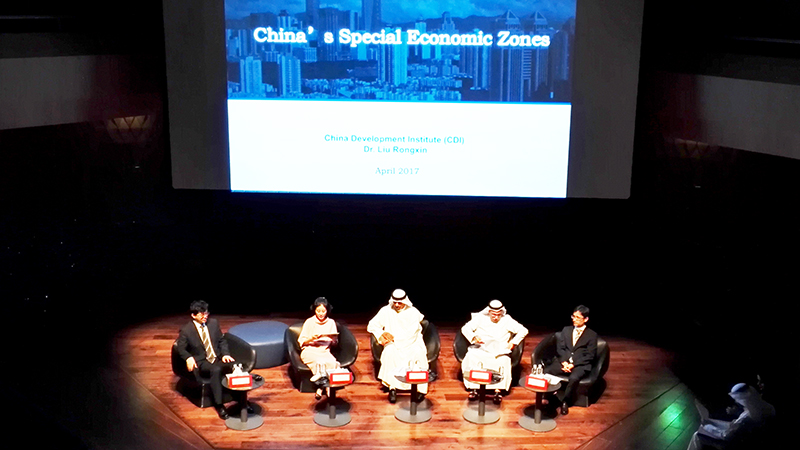
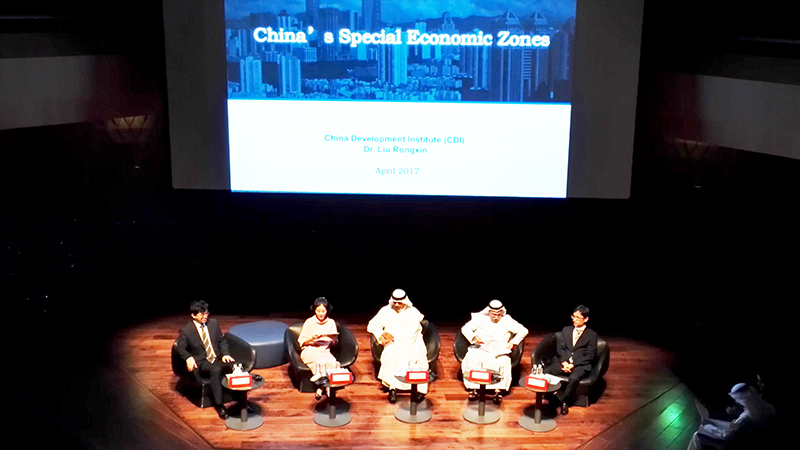 Dr. Liu Rongxin, General Director of the Department of Regional Development Planning at CDI, gave a keynote speech on China’s experience with special economic zones (SEZs) and the success story of Shenzhen SEZ at the Seminar on Sino-Kuwait Joint Efforts for the Belt and Road initiative which was co-hosted by Kuwait University and Embassy of China in Kuwait from April 18 to 19 in Kuwait City.
Discussions centered on the Belt and Road initiative, China-Kuwait relations, China’s experience with SEZs, and the development of the five islands in Kuwait, were held among Mr. Wu Sike, the Chinese special envoy to the Middle East, Chinese experts on the economics and the Middle East, Chinese business representatives in Kuwait and political, economic and law experts from Kuwait. Kuwaiti government officials, such as Sheikh Nasser Sabah Al-Ahmad Al-Sabah, the Kuwaiti Minister of Amiri Diwan, also attended the opening ceremony of the seminar.
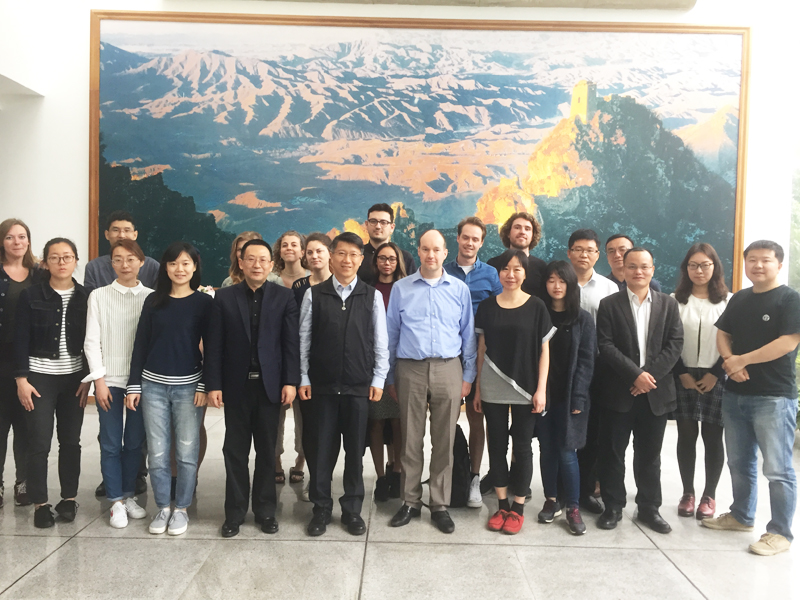
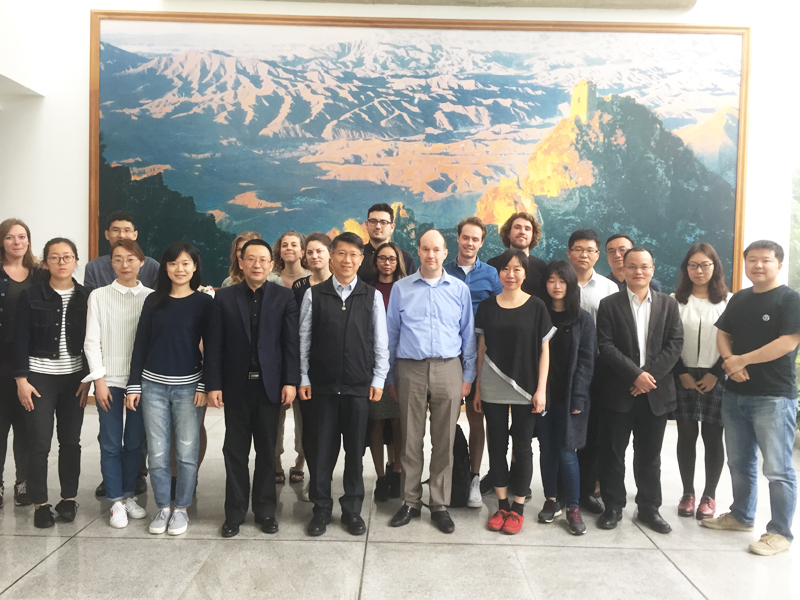 Students and teachers from University of Amsterdam visited CDI on March 31, and CDI experts on urban planning had academic exchange with them. The meeting is aimed at sharing Shenzhen’s successful experience in urbanization and construction of low-carbon city.
Urban villages in Shenzhen have been transformed successfully, so residents can live better and enjoy modern life. To construct low-carbon city, Shenzhen government not only made policies for saving energy, urban planning, space planning and feasibility studies, but also conduct energy-saving project for the government buildings, which contributed to the good environment for sustainability in Shenzhen. In addition, experts also provided guidance, analysis and advice for the graduate students on their case studies.
University of Amsterdam, one of the largest research universities in Europe with good reputation and high academic rankings, has produced several prime ministers of the Netherlands and Nobel laureates.
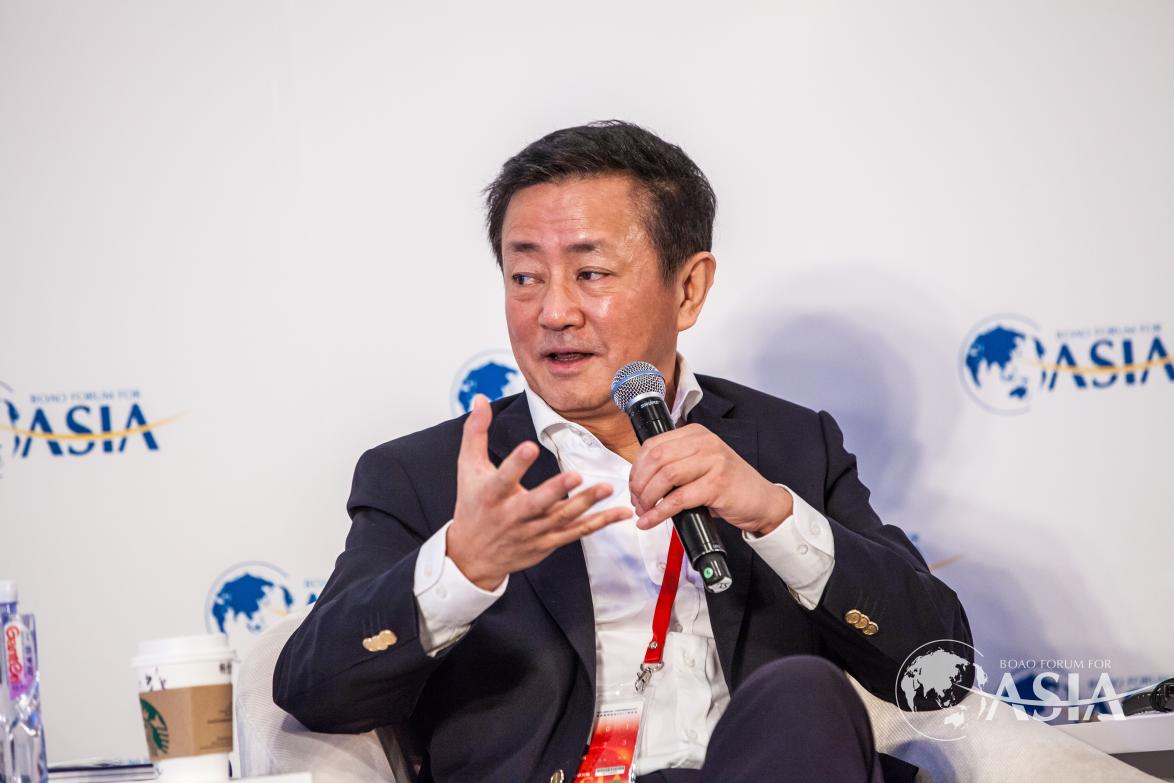
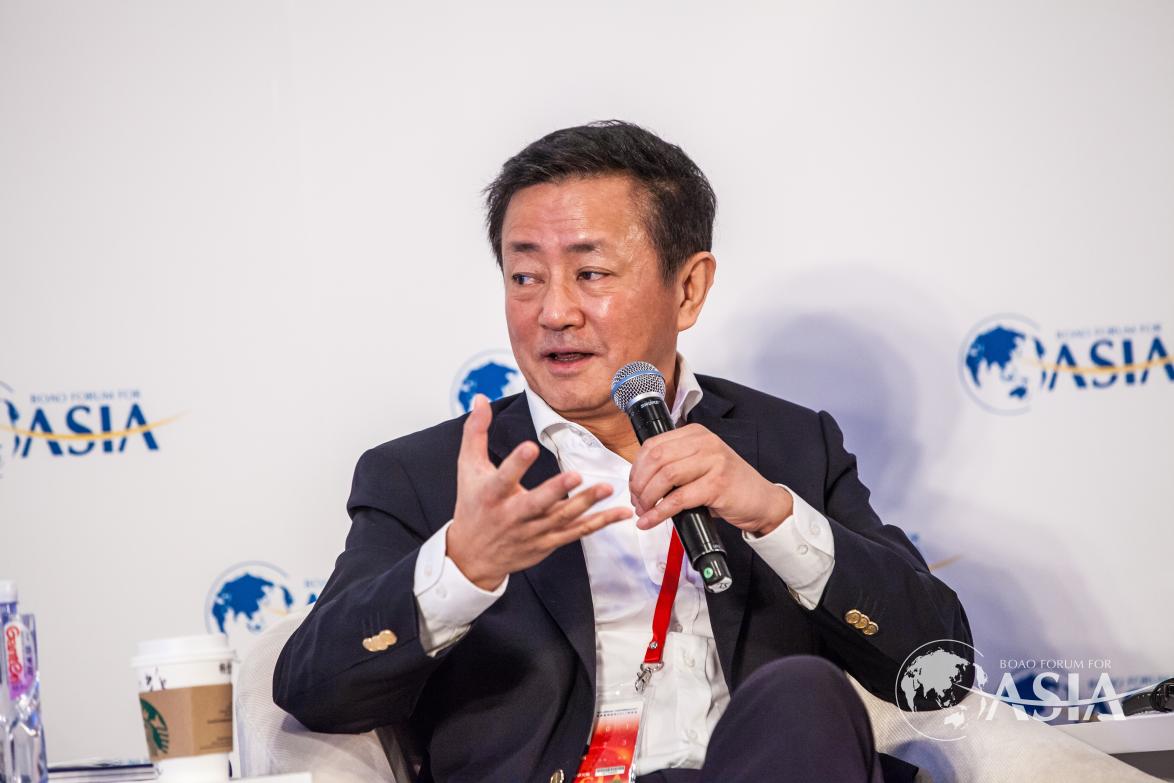 President Prof. Fan Gang spoke at two sessions of the Boao Forum for Asia Annual Conference 2017 on March 25th, namely Global Economy: Moving Beyond Sub-Health and Labor Market Reform: Though, but a Must-Do.
In the Session 24 Global Economy: Moving Beyond Sub-Health, Prof. Fan said when dealing with economic problems, the root cause of global economic sub-health should be taken into account. Besides, he also pointed out that economic growth might not be the symbol of healthy economy. For example, the RGDP in 2007 was 14% and after the financial crisis in 2008, RGDP rose to 12% due to the stimulus policies, which was overheated and unhealthy. In the other session 28 Labor Market Reform: Though, But a Must-Do, Prof. Fan indicated that short and long term problems coexisted in China labor market. The short term problem of China labor market was excess capacity, while the long term problems involved artificial intelligence, automation, etc. In the process of capacity optimizing, a part of workers might lose their jobs. In addition, Dr. Fan also said that China’s labor market was faced with multiple serious problems. For example, Labor Law was at the cutting-edge, but labor mobility reduced and increased labor costs.
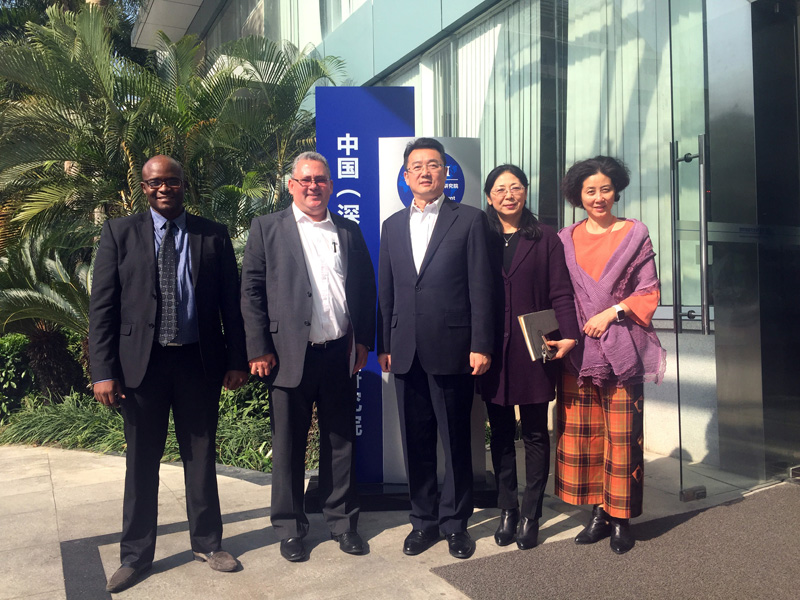
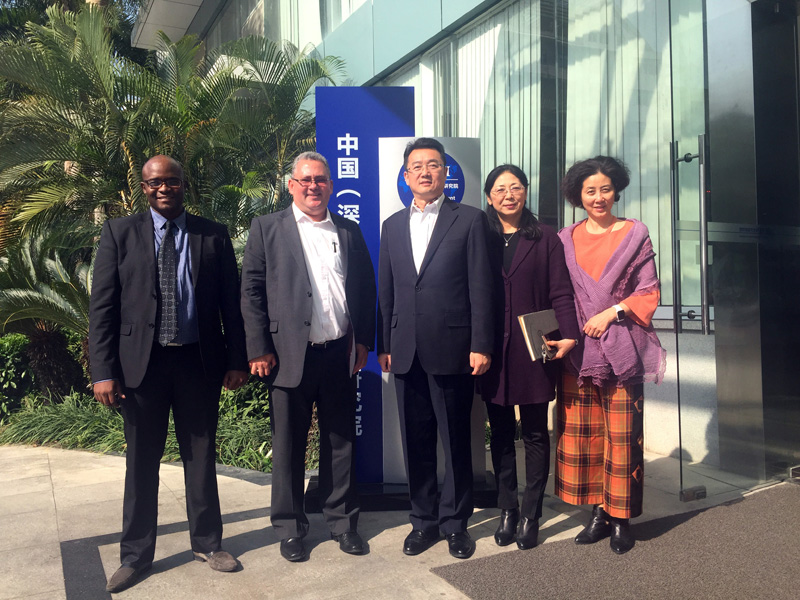 Mr. Charles Wyeth, Business Development Manager at the Council for Scientific and Industrial Research (CISR), and Mr. Nare Mashamaite, Enterprise Development Portfolio Manager at CSIR, visited CDI on March 2, 2017. Dr. Qu Jian, Vice President of CDI, Dr. Liu Rongxin, General Director of the Department of Regional Development Planning, and Ms. Carol Feng, Director of the International Cooperation Department, held fruitful discussions with the South African delegation.
Dr. Qu introduced Shenzhen’s successful experience of building special economic zones (SEZ). He pointed out that, to successfully build a SEZ, the government must coordinate such work as proposal of policies and laws, industrial planning and spatial planning, investment feasibility study, operation plan and financing plan. Only by well implementing all the work can the government foster a favorable and attractive investment environment, and he also gave practical suggestions about SEZ site selection, financing methods, management and operation . Moreover, both sides expressed interest in cooperation and intended to have further discussion on it.
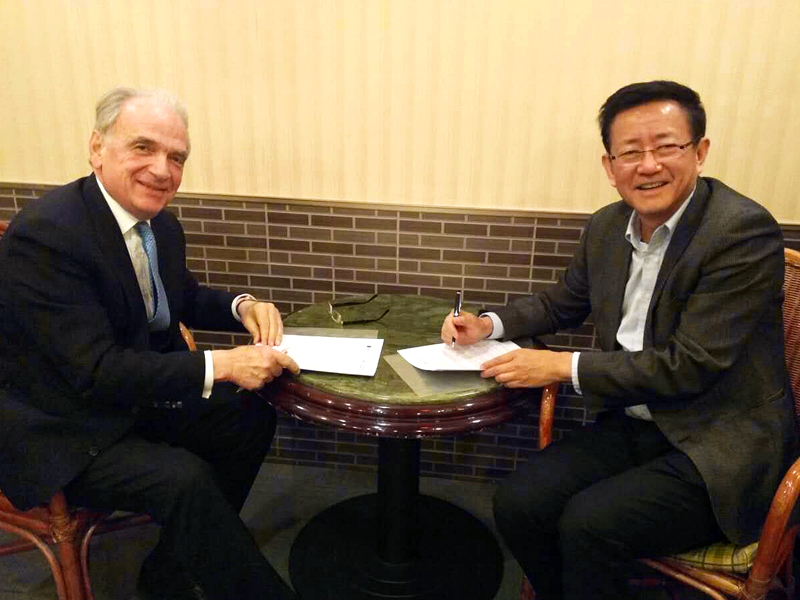
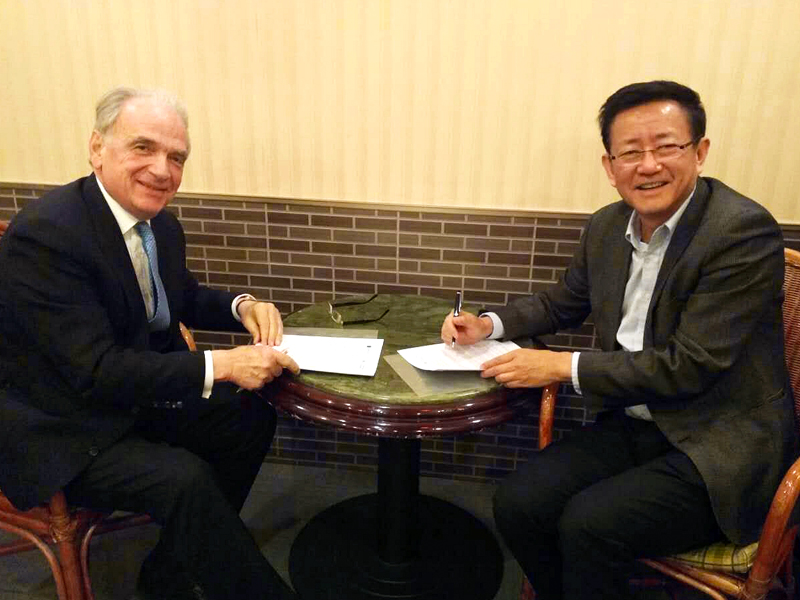 President Prof. Fan Gang of CDI and Senior Partner of Ambrosetti Paolo Borzatta signed MOU on March 21, 2017. The two parties have agreed to join forces of the two think tanks in terms of China-Europe related research programs and events. The MOU will strengthen the partnership between CDI and Ambrosetti.
For the fourth consecutive year, The European House - Ambrosetti has been nominated - in the "Best Private Think Tanks" category - the No. 1 Think Tank in Italy, ranking in the world top 100 independent think tanks according to the 2016 Global Go To Think Tank Index Report by the Think Tanks and Civil Societies Program (TTCSP) at the University of Pennsylvania.