Innovative, Objective, Practical

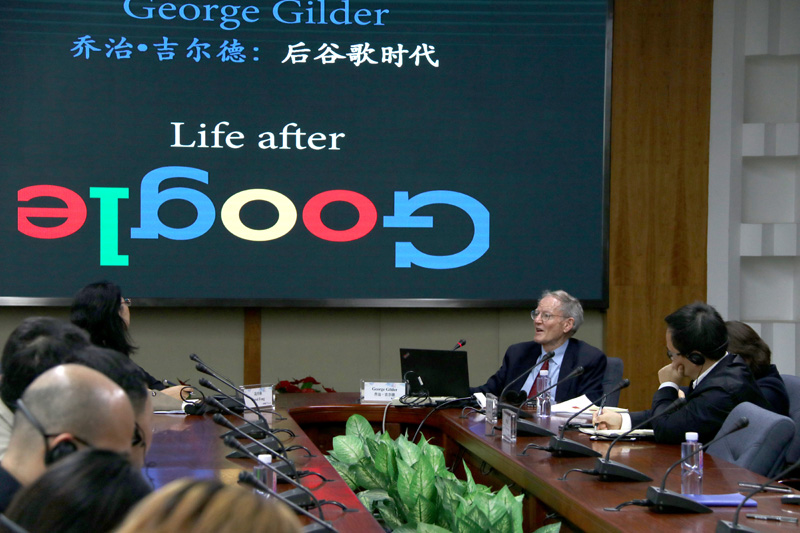
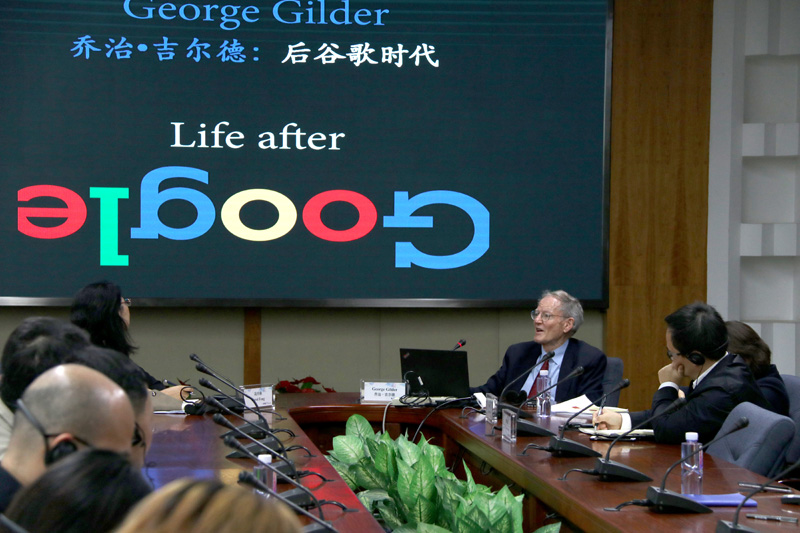
With the development of information technology and digital economy, the world economy experiences rapid growth. The Age of Google, built on big data and machine intelligence, is coming to an end. In Life after Google, what is the role of new economy during social development?
Meanwhile, the emerge of new technologies also come with unknown security and legal risks. How to cope with the opportunities and challenges?On January 11, 2019, China Development InstituteinvitedGeorge Gilder, economist and world-famous author to a seminar, themed ‘: Life after Google: meet the opportunities and challenges’, and to share insights on the trend of new economy in the life after Google.
Date: January 11, 2019
Venue: Room 101, CDI Mansion, Shenzhen
Host: CDI
Theme: Life after Google:meetthe opportunities and challenges
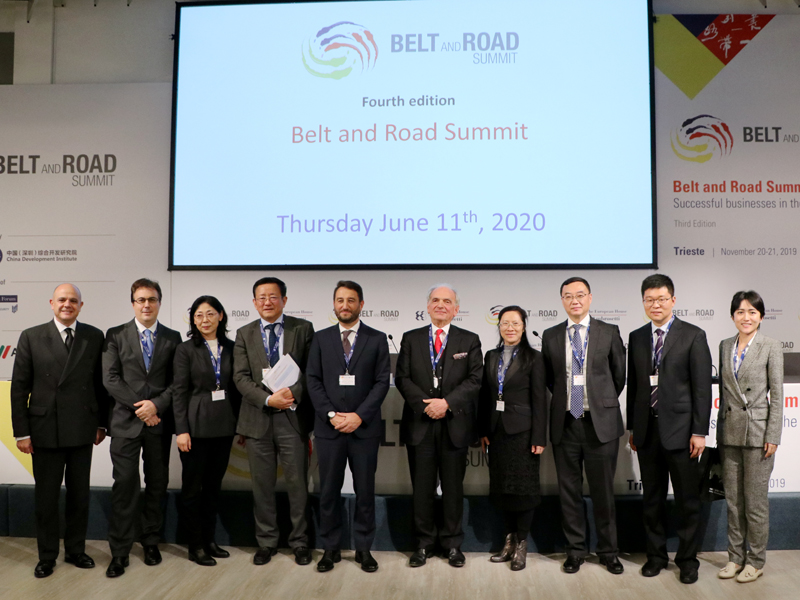
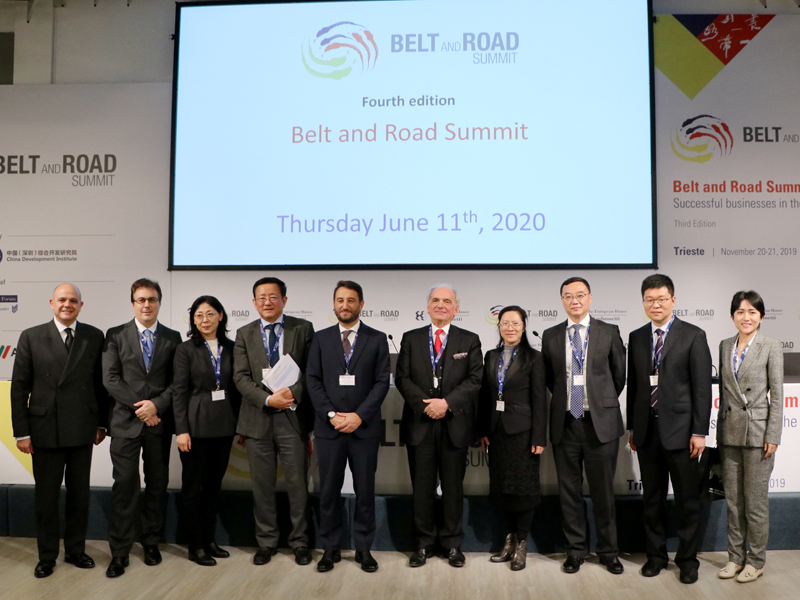
After the first edition held in Venice, Italy and a second edition in Shenzhen, China, the Belt and Road Summit goes back to Europe, gathering the community of Eurasian business leaders inTrieste. The city and the port of Trieste represent a key logistics hub in the North Adriatic Sea connecting the East to the West, and a historical crossroad of culture between Southern Europe, the Germanic world, and the Balkans.
The summit is aunique platformto establish and build longstanding relations peer-to-peer withbusiness and institutionalcounterparts from themost relevant Eurasian Countriesactive along the Belt and Road Initiative.
After the first two editions focused respectively on understanding what the Belt and Road Initiative is and what actions should be initiated to unleash its potential, the third edition increasingly focuses on concretebusiness to business cooperation and industrial opportunitiesin the countries located along the maritime and land routes.
Date: November21, 2019
Venue: Maritime Station, Trieste, Italy
Host: CDI, The European House – Ambrosetti
Theme: Successful businesses in the way ahead
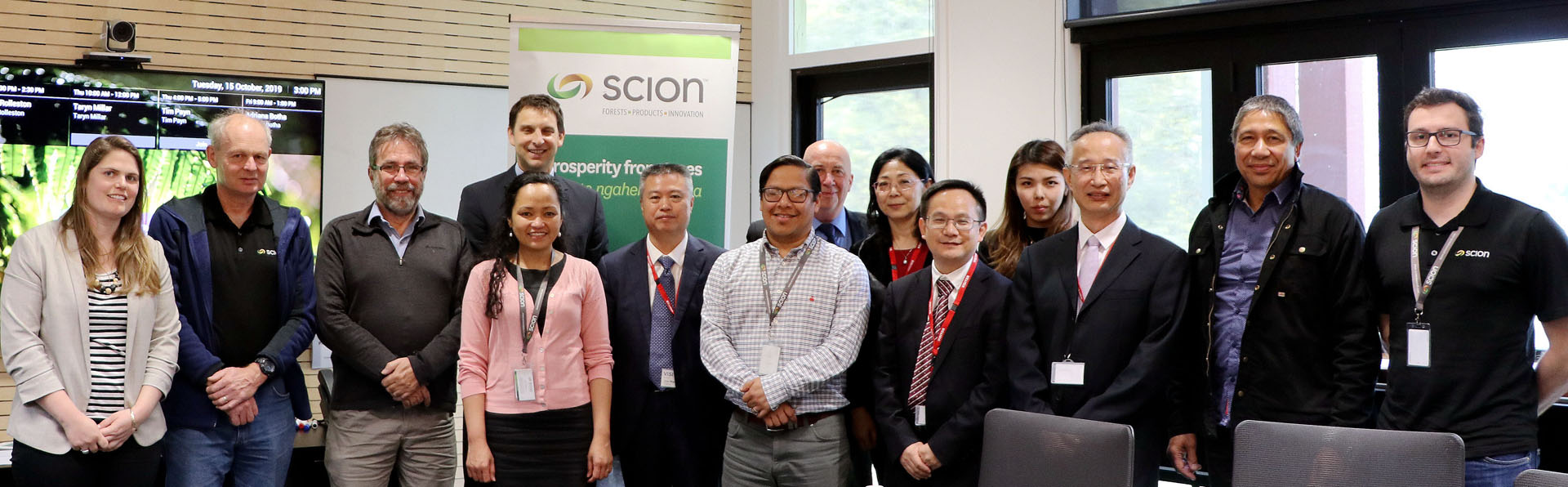
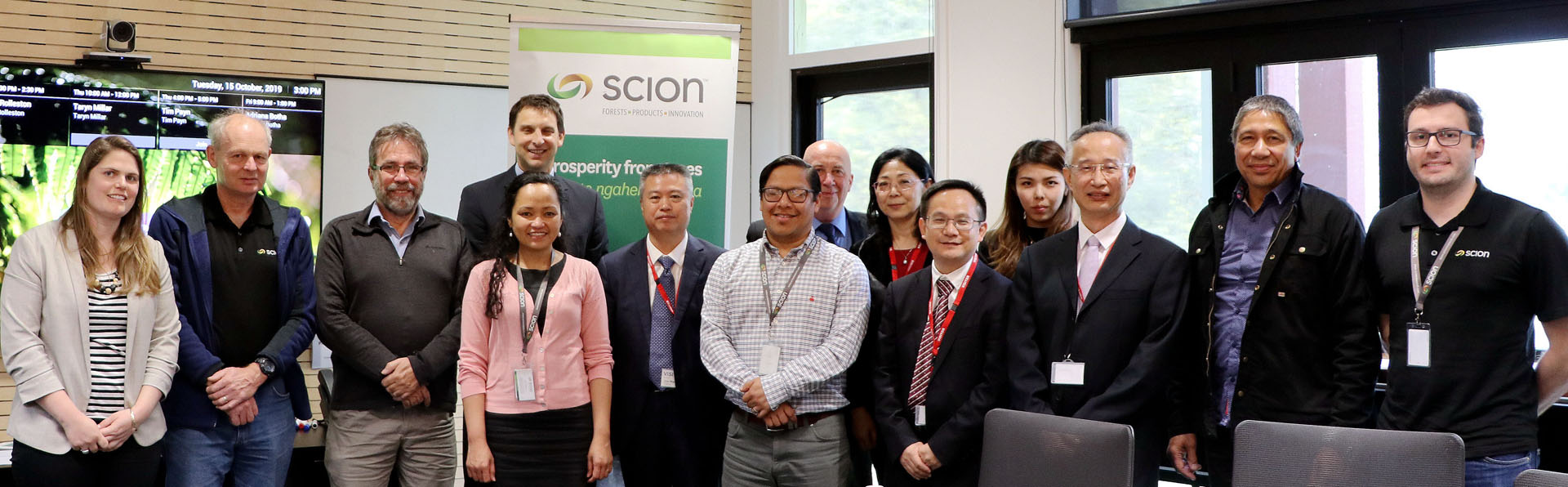
On October 15th, 2019, the China Development Institute,Scion and the New Zealand China Council jointly held the China-New Zealand Think Tanks Seminar in New Zealand. The participating experts and scholars from China and other countries discussed the new opportunities for cooperation between the two countries in such areas as economy and trade, sustainable development, and new technology under the framework of the Belt and Road Initiative (BRI).
Date: October 15, 2019
Venue: Scion, Rotorua, New Zealand
Host: CDI, Scion and the New Zealand China Council
Theme: China-New Zealand Cooperation on Belt and Road Initiative: Innovation and Breakthroughs
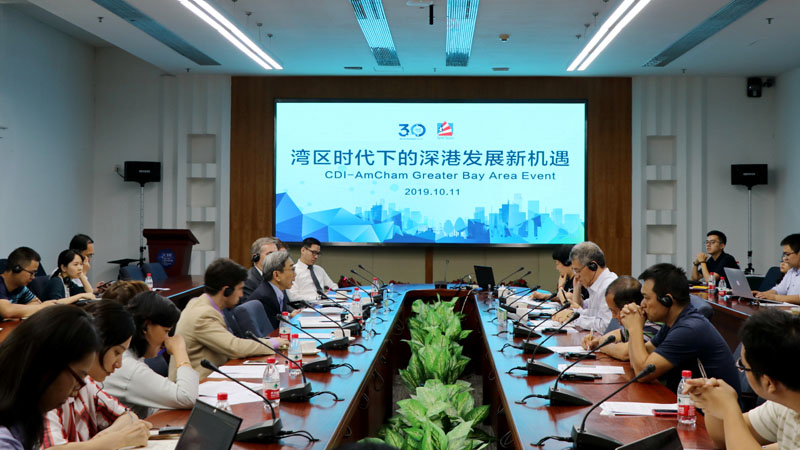
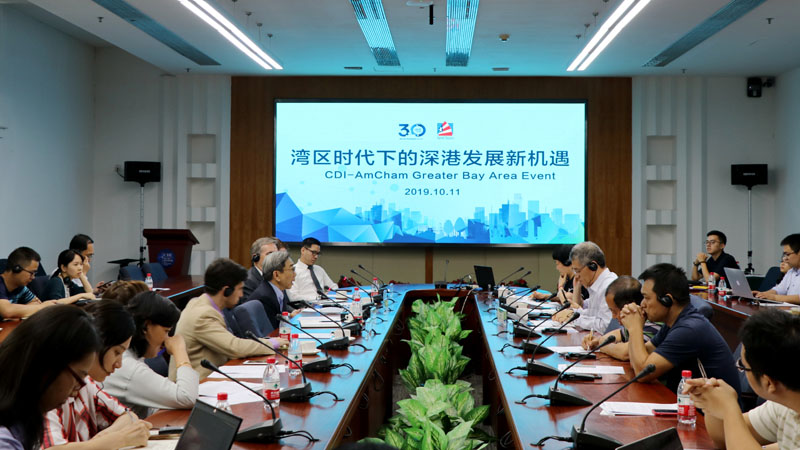
On October 11, 2019, China Development Institute and the AmCham Hong Kong jointly held a seminar on "Greater Bay Area: New Opportunities for the Development of Shenzhen and Hong Kong ". Against the backdrop of the development of the Greater Bay Area, experts and scholars from China's mainland and Hong Kong discussed various topics including the impact of the construction of the Shenzhen demonstration pilot zone for socialism with Chinese characteristics on Hong Kong's economy, challenges faced by Hong Kong's economic and social development, and new opportunities for talent exchange and cooperation in the Greater Bay Area in the future.
Date: October 11, 2019
Venue: Room 101, CDI Mansion, Shenzhen
Host: CDI
Theme: Greater Bay Area: New Opportunities for the Development of Shenzhen and Hong Kong
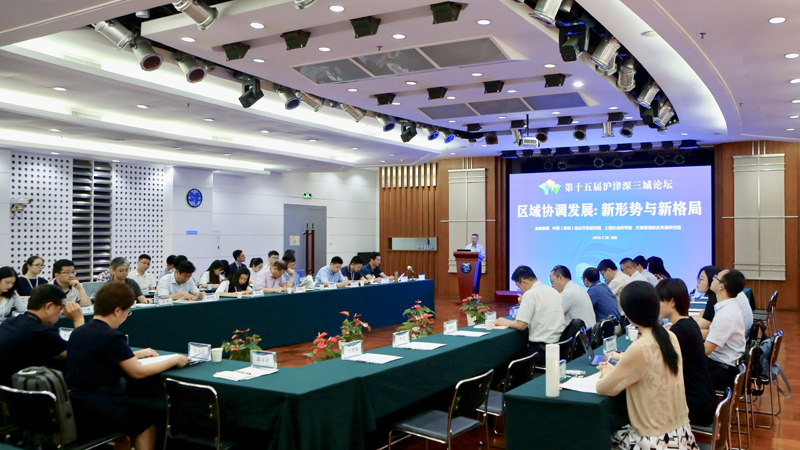
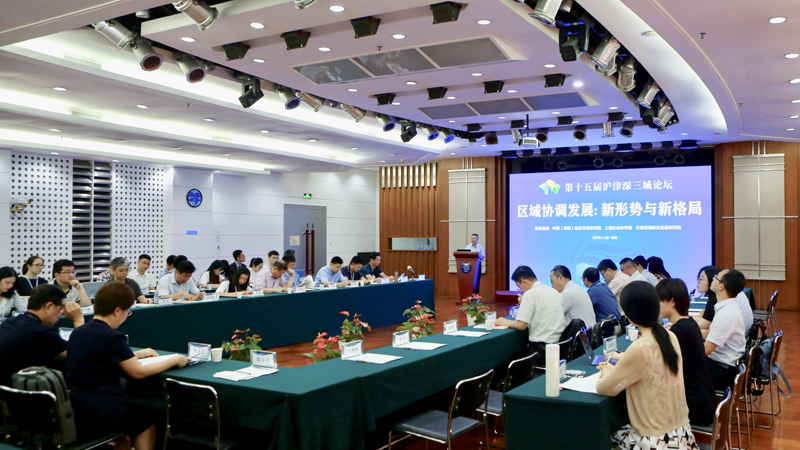
On July 26, the “15th Shanghai-Tianjin-Shenzhen Forum” was jointly held by China Development Institute (CDI), Shanghai Academy of Social Sciences, and Binhai Research Institute in Tianjin. Representatives from the three cities had practical discussions on ways to promote coordinated regional development in China.
Date: July 26, 2019
Venue: CDI Mansion, Shenzhen, China
Host: CDI, Shanghai Academy of Social Sciences, Binhai Research Institute in Tianjin
Theme: Higher Quality of Coordinated Regional Development
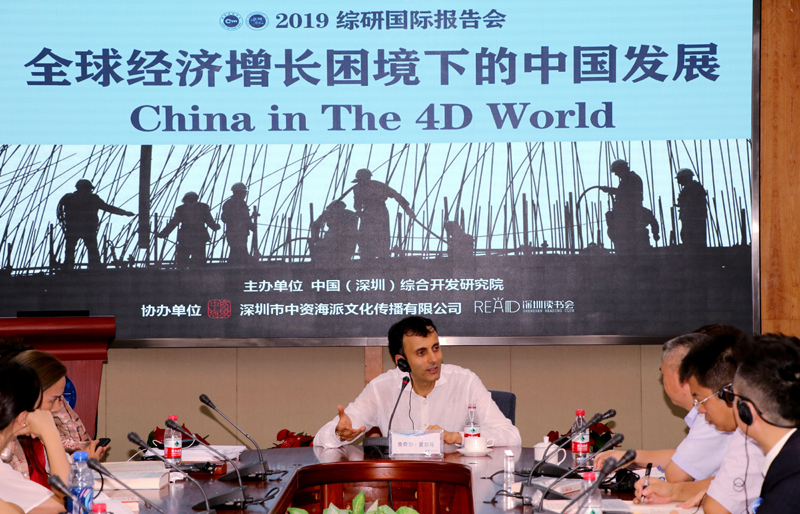
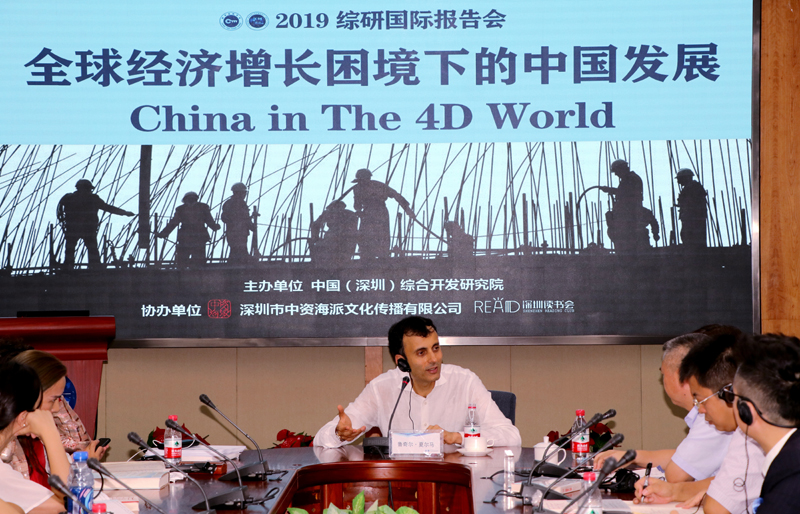
A deep understanding of current global problems and their development will help us effectively address global challenges. On August 8, 2019, China Development Institute held an international symposium, where Ruchir Sharma, Chief Global Strategist at Morgan Stanley Investment Management, shared insights on "4D" problems faced by the global economy amid sluggish growth as well as future strategies for China's economy, followed by in-depth discussions.
Venue: Room 101, CDI Mansion, Shenzhen
Host: CDI
Theme: Global Economic Predicament and China's Development in the "4D" World
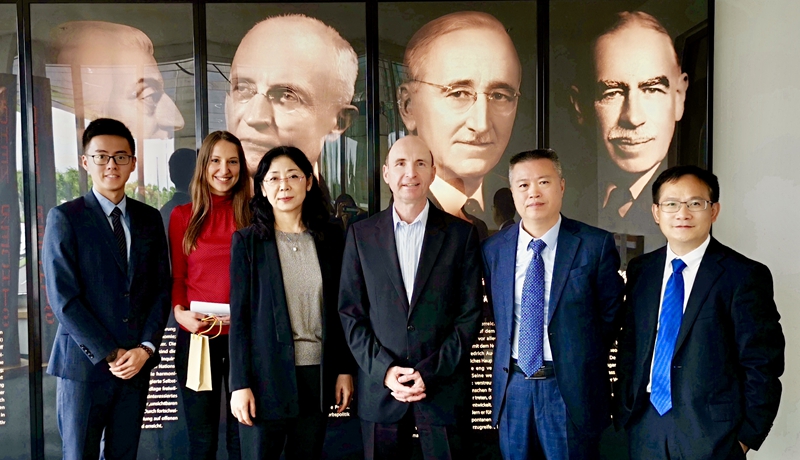
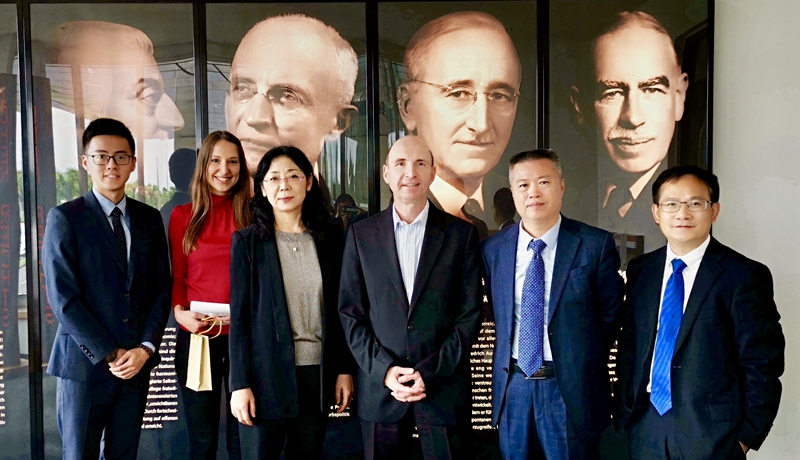
Experts from the German Development Institute (DIE), the Kiel Institute for the World Economy, the Cologne Institute for Economic Research (IW), the University of Würzburg (JMU), Economics Ministries of North Rhine-Westphalia and Hessen, CDI, the Chinese Academy of Social Sciences (CASS), and the Shanghai Institutes for International Studies, discussed developments in industry and foreign investment of interest from a Chinese and German/EU perspective and identified opportunities and challenges for increased cooperation in the areas of industrial policy and foreign investment between China and Germany/EU.
Date: June 3, 2019
Venue: DIE, Bonn, Germany.
Host: CDI, DIE
Theme: Strengthening Industrial Alignment and Deepening Investment Cooperation
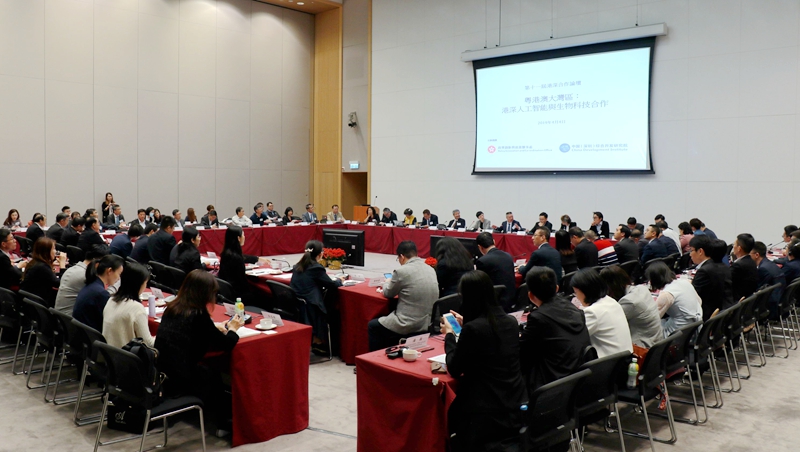
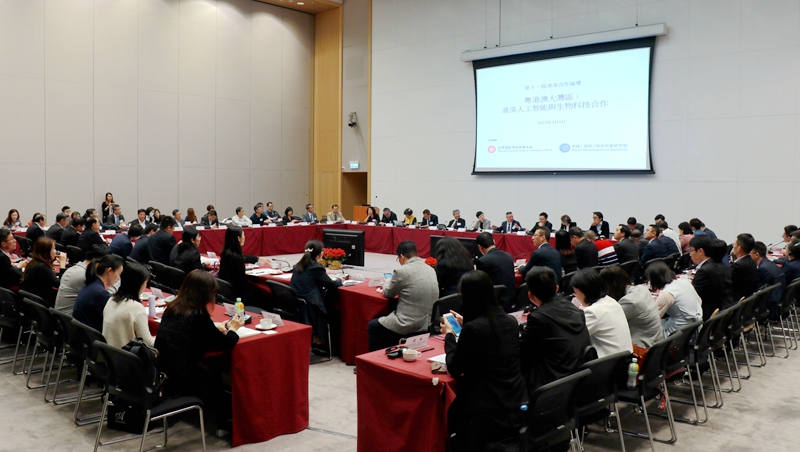 According to the Outline Development Plan for the Guangdong-Hong Kong-Macao Greater Bay Area released in February 2019, the GBA aims at a globally influential international innovation and technology hub, which requires improving the regional synergistic innovation system. Closer scientific and technological cooperation between Hong Kong and Shenzhen is a significant driving force for the coordinated innovation of the GBA. To fully leverage the cooperation opportunities of AI and biotech, Hong Kong and Shenzhen should improve their innovation cooperation mechanism, take advantage of R&D and industrial chain respectively, and match their innovation resources.
The forum gathered experts, entrepreneurs and government representatives to discuss how to facilitate Hong Kong and Shenzhen cooperation on AI and biotech in the context of the GBA and develop policy recommendations.
Date: April 4, 2019
Venue: Conference Room, 2nd Floor, Central Government Offices, 2 Tim Mei Avenue, Tamar, Hong Kong
Host: Policy Innovation and Co-ordination Office of the Government of Hong Kong Special Administrative Region (PICO), CDI
Theme: Hong Kong-Shenzhen Cooperation on AI and Biotech in Context of Guangdong-Hong Kong Greater Bay Area
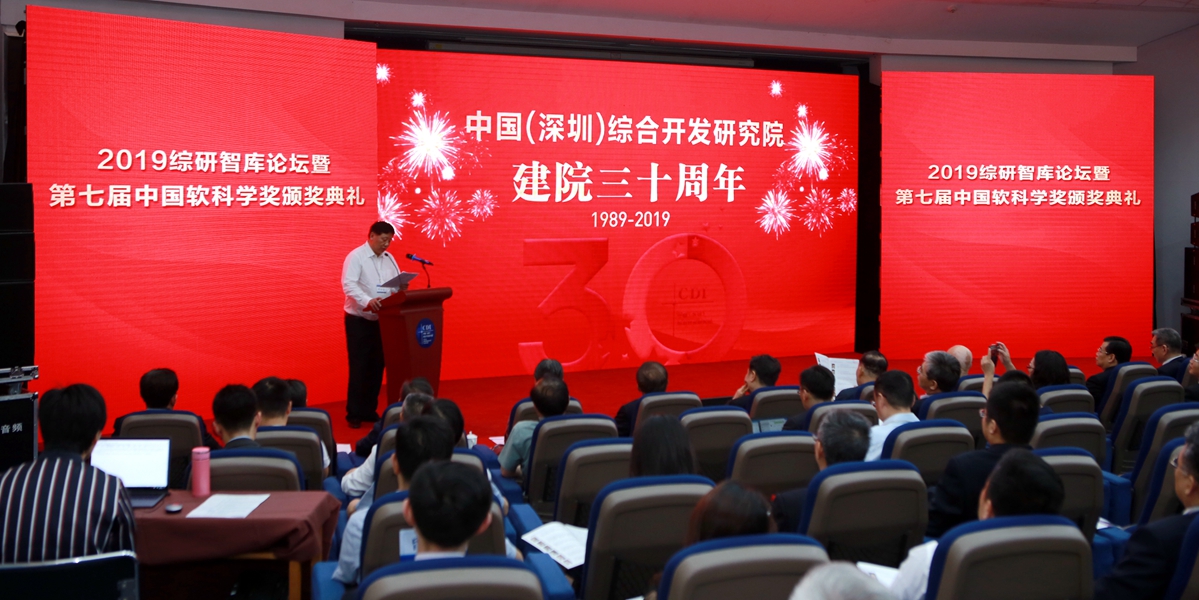
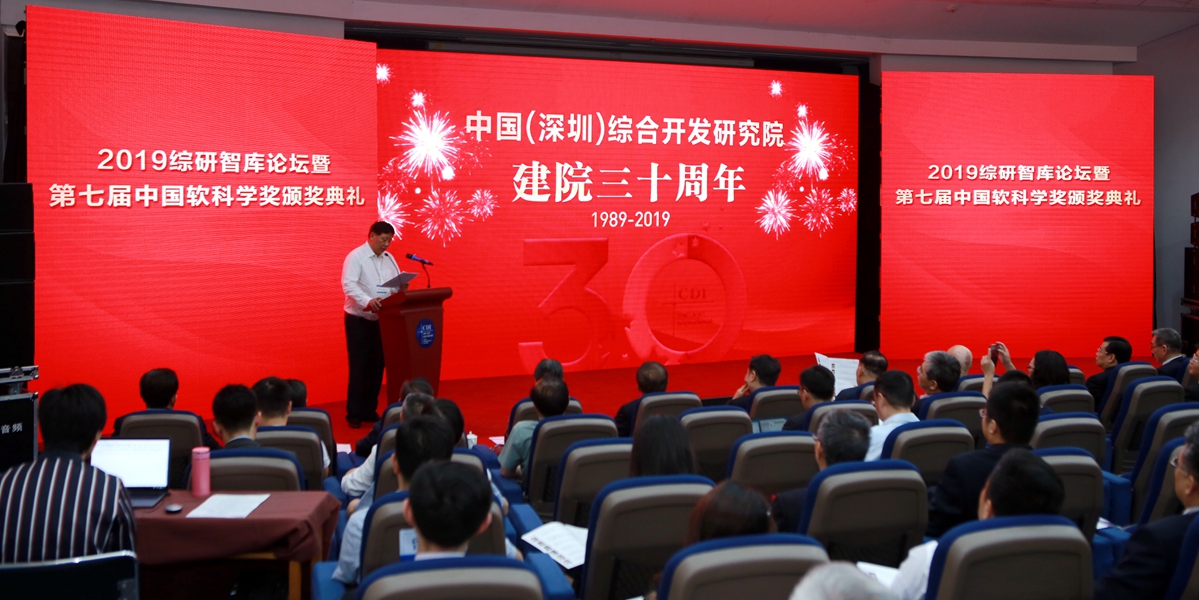
After 40 years of reform and opening-up, China stands at a new starting point. As the international situation is increasingly complex, China must deepen reform in key areas and advance all-round opening-up to promote high-quality growth and its international competitiveness. As think tanks are playing important roles in decision-making, they must enhance their research capability and innovate their institutional management.
As 2019 marks 30th anniversary for the establishment of CDI, CDI and Shenzhen Soft Science Development Foundation held the CDI Think Tanks Forum Annual Conference to discuss China’s reform and opening-up and Chinese think tanks development and the 7th China Soft Sciences Prize Award Ceremony to promote the development of China’s soft sciences.
Date: May 30, 2019
Venue: International Conference Room, CDI Mansion, Shenzhen
Host: CDI, Shenzhen Soft Science Development Foundation
Theme: China’s Reform and Opening-up and Chinese Think Tanks Development
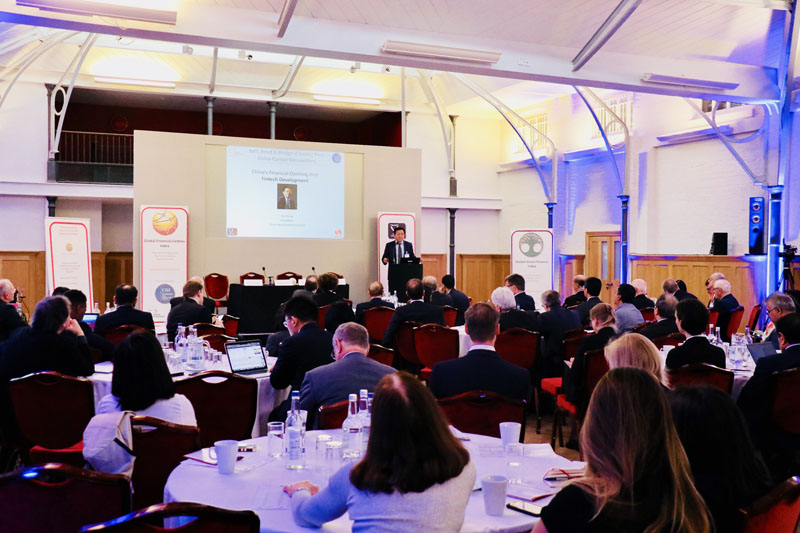
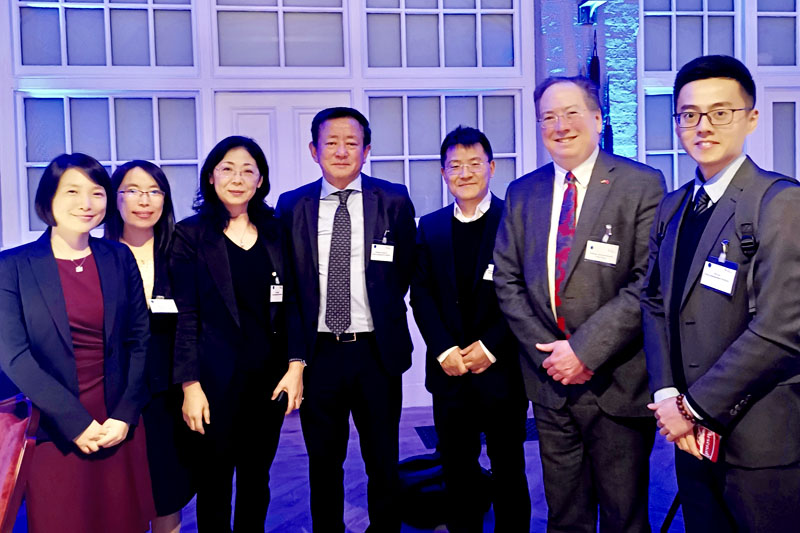
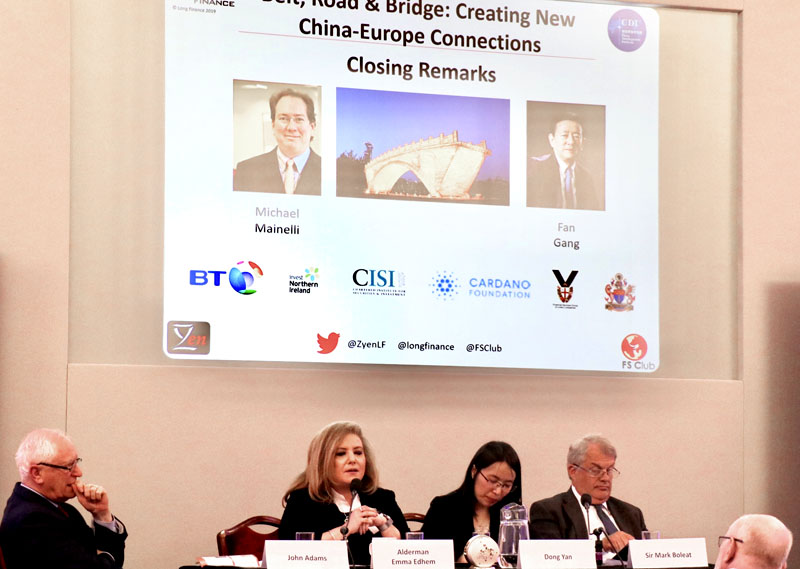
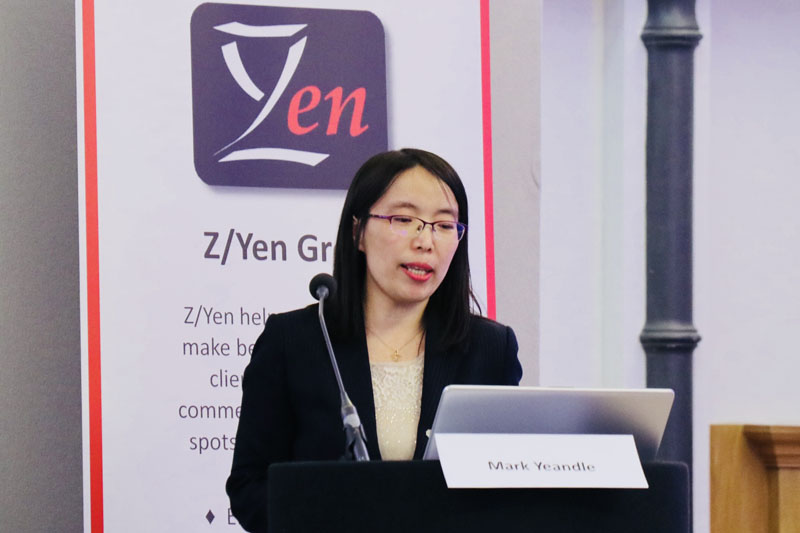
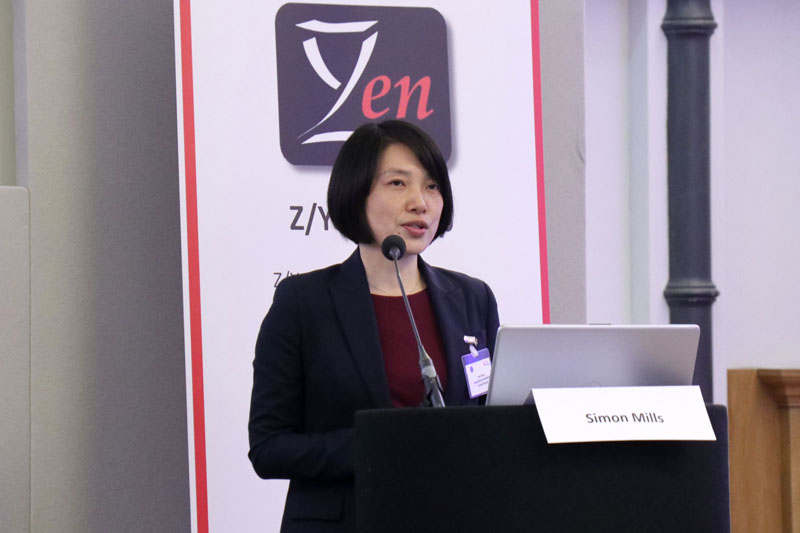
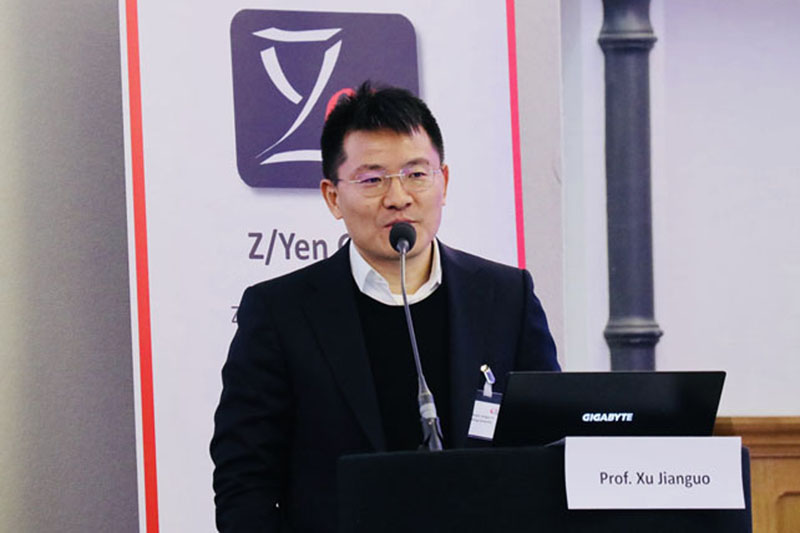
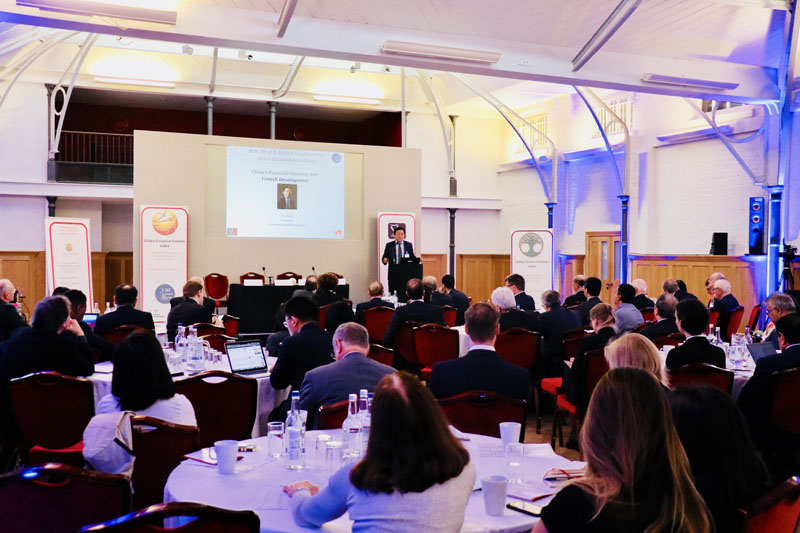
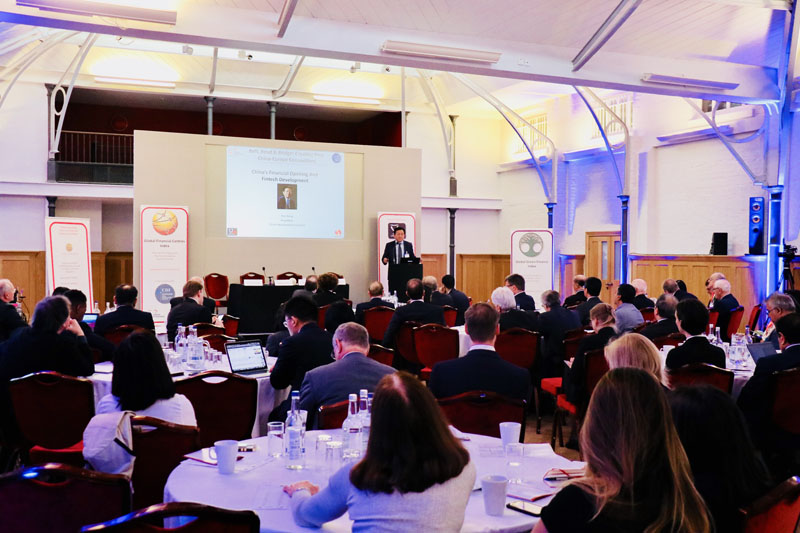 In recent years, China-EU relations have been characterized by pragmatic stability, and both sides are considered each other's most important trading partners. In 2019, in the face of the complicated international situation such as the sprawl of trade protectionism and the Brexit, bilateral economic and trade exchanges will still remain the strategic foundation of China-EU relations.
Date: May 1, 2019
Venue: Honorable Artillery Company, London
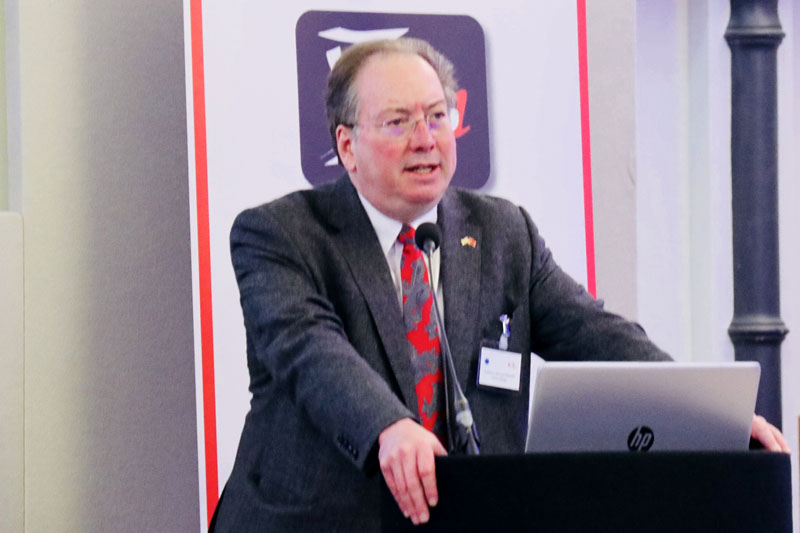
Host: China Development Institute and Z/Yen Group
Theme: Belt, Road & Bridge: Creating New China-Europe Connections
{tab Program}
09:00 Welcome Address
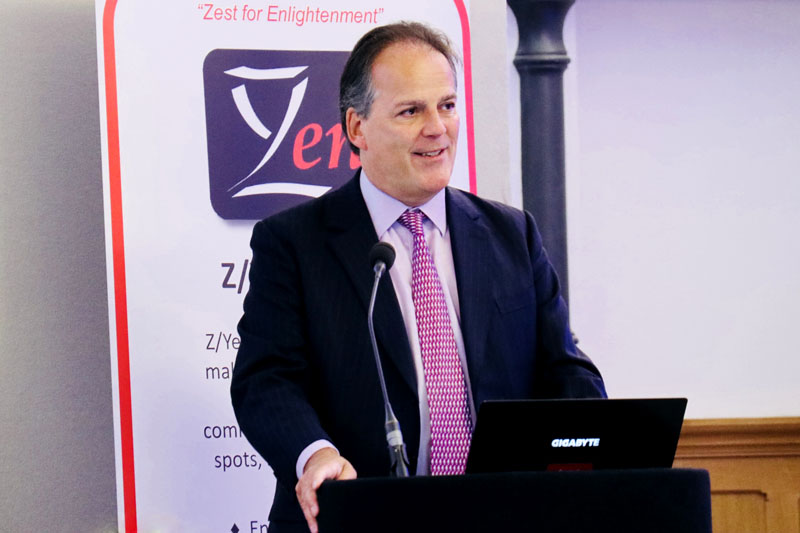
Rt Hon Mark Field MP, Minister Of State For Asia And The Pacific At The Foreign & Commonwealth Office
Focus: Objectives for the day and cooperation between London and China
09:30 Session 1: The New Silk Road-Economic Prospects for Trade Between China-EU
Chair:
Alderman Professor Michael Mainelli, Executive Chairman, Z/Yen Group
Speakers:
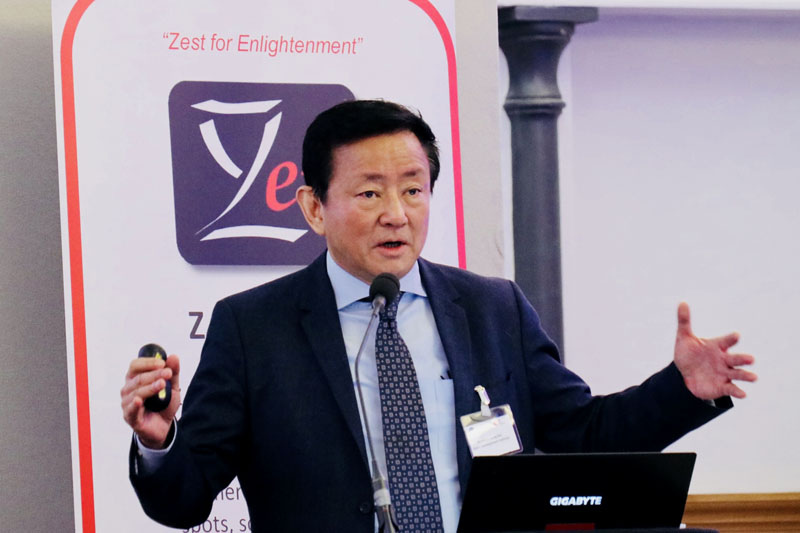
Fan Gang, President, China Development Institute
Kerry Brown, Professor of Chinese Studies and Director of the Lau China Institute at
King's College, London
Rebecca Harding, CEO, Coriolis Technologies
Focus: Current trends and initiatives, opportunities and threats relating to joint trade, and growing and deepening co-operation in finance and trade.
10:45 Refreshments and Networking
11:15 Session 2: Growing Digital Economy: The Fourth Industrial Revolution and Fintech
Chair:
D’Maris Coffman, Professor of Economics and Finance of the Built Environment & Director, Bartlett School of Construction and Project Management, UCL
Speakers:
Alexander Van de Putte, Chairman, AIFC Academic Council & Chief Strategy Officer, AIFC Governor's Council
Xu Jianguo, Senior Research Fellow of Digital Finance, Associate Professor of National School of Development, Peking University
Henry Tillman, Founder and Chairman, Grisons Peak & Founder and Editor, China Outbound Investments
Alderman Gregory Jones QC, City of London
Focus: Current trends and initiatives, the impact of smart technology on finance, regulation and policy.
12:30 Lunch and Networking
13:30 Measuring Financial Centre Success
Mike Wardle, Head of Indices, Z/Yen Group
13:45 Session 3: Sustainable Futures: Mainstreaming Green Finance
Chair:
Simon Mills, Consultant, Z/Yen Group
Speakers:
Wang Yao, Director General, International Institute of Green Finance, CUFE
Simon Zadek, Principal, Project Catalyst, United Nations Development Programme
Rongrong Huo, Executive Director, Investment Institute, Investec Asset Management
Alderman Prem Goyal, Global Markets Consultants
Focus: Opportunities for mainstreaming green finance, drivers and policy instruments, and innovation in green finance.
15:00 Refreshments and Networking
15:30 Session 4: Light On Our Feet: Removing Regulatory Barriers
Chair:
Mark Yeandle, Director, Z/Yen Partners
Speakers:
John Adams, Director, HR China, Financial Training and Recruitment
Dong Yan, Director of Trade Department, Institute of World Economics & Politics,
Chinese Academy of Social Science
Sir Mark Boleat, former Chairman of Policy & Resources, City of London Corporation
Alderman Emma Edhem, City of London
Focus: Current developments in the regulation of finance and trade, challenges and solutions, and balancing risk and reward.
16:45 Closing Remarks
{tab Highlights}
How to promote China-Europe further cooperation under the BRI framework
In his speech, Minister of State for Asia and the Pacific at the Foreign and Commonwealth Office (FCO) Mark Field said that the UK and China are both the world’s major powers with a global vision. The UK welcomes development opportunities brought by the BRI as an initiative driving global economic growth. The City of London has unique strengths in financial and professional services, and the UK can play a vital role in many areas in “Belt and Road” construction. At the same time, we hope to encourage dialogues under the BRI framework to facilitate pragmatic cooperation between businesses of China, the UK, and Europe at large.
Fan Gang, President of the CDI responded by saying that the Belt and Road Initiative has brought new development opportunities for both sides. First, China and Europe shall strengthen cooperation on industrial parks along the Belt and Road, and jointly explore effective models of foreign assistance to help developing countries along the “Belt and Road” industrialize. Secondly, China and Europe should jointly support necessary reforms of the WTO, to enable developing countries to share in the benefits of globalization on an equal basis and to effectively integrate themselves into the global value chain. In addition, China and Europe have their own strengths. Both sides should engage in innovative cooperation to boost high-quality development of the financial sector in future. To this end, the Global Fintech Hub Index has been published to analyze trends of the global fintech sector.
Kerry Brown, Professor of Chinese Studies at King’s College, London, shared his insights on the potential impact of “Brexit” on UK-China relations. On the one hand, the UK welcomes more investment from China as well as trade, financial cooperation and technology exchanges with China, and expects even closer partnerships in infrastructure and professional services between the two countries. On the one hand, in face of the uncertainties brought by “Brexit”, the UK shall have a clearer stance and policy to turn the potential for cooperation with China into concrete reality.
How to expand new opportunities for China-Europe fintech cooperation
Alexander Van de Putte, Chief Strategy Officer of Astana International Financial Centre (AIFC), believes that the fourth industrial revolution will spur the development of digital trade, among which, robots, AI, nanotechnology, IOT and block chain all will provide strong momentum for the economic growth of emerging markets along the “Belt and Road”, including GDP growth and the increase of jobs in financial services. However, at the same time, the development of digital trade will face a myriad of risks, including inadequate digital trade rules, big divide between countries in digital trade, and difficulty to get funding for SMEs.
Xu Jianguo, senior research fellow with the Institute of Digital Finance at Peking University (IDF), analyzed effective ways to facilitate cooperation on fintech between China and Europe. He noted that China has heavily invested in fintech start-ups, and has great strength in third-party payment. Proven Fintech practices in China can be applied to these emerging markets. The governments of China and Europe shall reasonably support international cooperation on fintech along the “Belt and Road”, which will help fintech businesses innovate and expand their business presence, as well as further promote fintech connectivity between China and Europe.
Gregory Jones QC, Alderman of the Court of Common Council of the City of London, believes that high-quality cooperation in science and technology between Europe and China plays a pivotal role in the BRI. Our ability to bring together core technology resources of Europe and China to promote cooperation on technology innovation industries will tremendously affect the common future development of technology businesses in Europe and China. Innovations in fintech made by these businesses and the increasing demand of financial institutions for fintech have provided a broad market prospect for fintech businesses in China, the UK and Europe at large.
How to achieve sustainable development of green finance and economic growth
Wang Yao, Director General of the International Institute of Green Finance (IIGF) of Central University of Finance and Economics (CUFE), analyzed the role and prospect of China’s green finance in the BRI. She pointed out that promoting green BRI construction is a long-term project, and that green growth will be considerably promoted if Chinese and international funds can be directed to support the development of green technologies in Belt and Road countries. She also made suggestions to further boost green finance in China, such as incorporating “green elements” into laws and regulations, strengthening preferential policies for green finance, advancing the standardization and evaluation of green finance, and enhancing international cooperation on green finance.
Michael Mainelli, Executive Chairman of Z/Yen Group, believes that using green finance to promote green BRI represents a unique opportunity to promote the development of green technology. The BRI will benefit the world by helping to achieve the sustainable development goals. The BRI will also play its role in narrowing significant funding gaps to achieve the SDGs. In particular, the UK has rich experience and rather mature systems in the international financial sector, and has maintained close cooperation with many other countries along the Belt and Road, especially in the areas of financing and green finance. The UK is therefore a ready partner in BRI construction.
Prem Goyal OBE JP, Alderman of the Court of Common Council of the City of London, noted that Europe and China are the biggest markets for green finance in the world, and should work together for standard harmonization in international green and sustainable finance, so as to reduce the cost of identifying green finance and facilitate cross-national investment in this sector. Differences in the stage of economic development, policy orientations and resource endowments make it difficult to reach complete consensus on green standards in the short term. But in the long run, Europe and China shall take steps to harmonize standards towards finally achieving highly aligned common standards.
How to facilitate China-Europe trade and investment connection
Dong Yan, Director of International Trade Research Department, Institute of World Economy and Politics, Chinese Academy of Social Sciences, believes that with the continued development of economic globalization, there has been a gradual shift from commodity exchanges to the integration of production processes between countries. This has promoted the development of a global value chain, which is in need of a more open and interconnected market environment. In this regard, through institutional opening-up, China can foster a system of economic and trade rules aligned with internationally well-established bilateral and regional free trade agreements, foster an enabling business environment for the market in a new pattern of all-round opening-up. Meanwhile, in the process of economic globalization, cooperation mechanisms for global regulation also need to be constantly developed and upgraded.
Mark Boleat, former Chairman of City of London’s Policy and Resources Committee, noted that China is an important partner for Europe, and vice versa. For the UK, this partnership is crucial, as a lot of trade between Europe and China is facilitated by London’s financial services. A strong finance sector provides pivotal support for both trade and infrastructure construction. Thus we are now seeing a lot of thriving banking services set up by the UK in China, and vice versa. Mr. Boleat looks forward to more in-depth cooperation in emerging fields along the Belt and Road, especially innovative cooperation in the financial sector.
John Adams, Senior Consultant with Chartered Institute for Securities & Investment (CISI), highlighted the need to pay attention to a level playing field in face of the many opportunities brought by the BRI. This means all businesses along the Belt and Road shall have equitable access to these opportunities, and that participating countries shall comply with standards of the European internal market. Moreover, if new cooperation projects have been identified, consideration should be given to feasible financing plans, as well as economic, fiscal and environmental sustainability.
{tab Gallery}
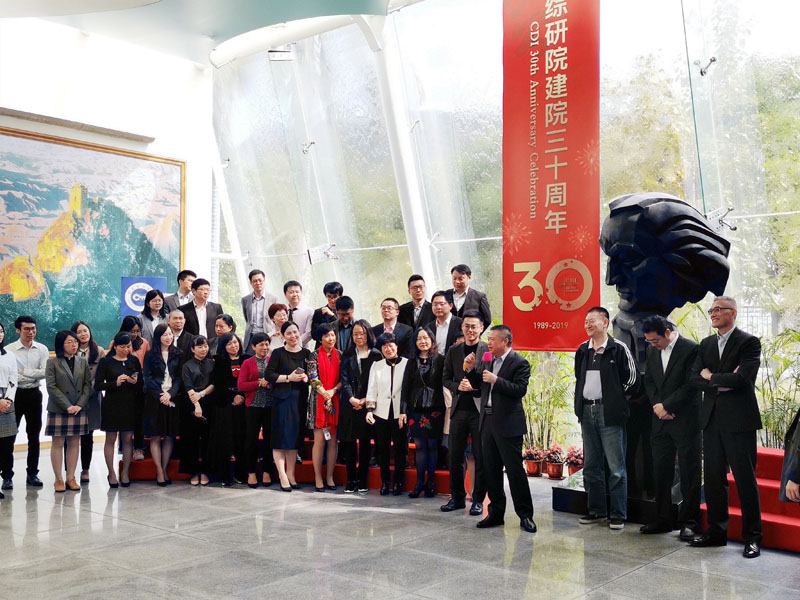
To celebrate its 30th anniversary, CDI hosted a reception for its staff on February 14, 2019. In the celebration, the institute reviewed its development course in the past 30 years and reiterated its development goals for the future.
CDI is a market-oriented and non-governmental think tank which was founded in 1989 on approval from the Chinese State Council. It is committed to providing proactive, innovative and practical research and consultation for China’s central and local governments and businesses at home and abroad.