Innovative, Objective, Practical

 Author: Fan Gang, President, CDI
Editor’s Note: The 15th "China Reform Forum" was hosted by the China Society of Economic Reform in Beijing on December 2, 2017. The theme of the forum was "to learn from and implement the spirit of the 19th CPC Congress, study and make breakthroughs in the reform of key areas". Professor Fan systematically analyzed the necessity of the property long-term mechanism at the conference.
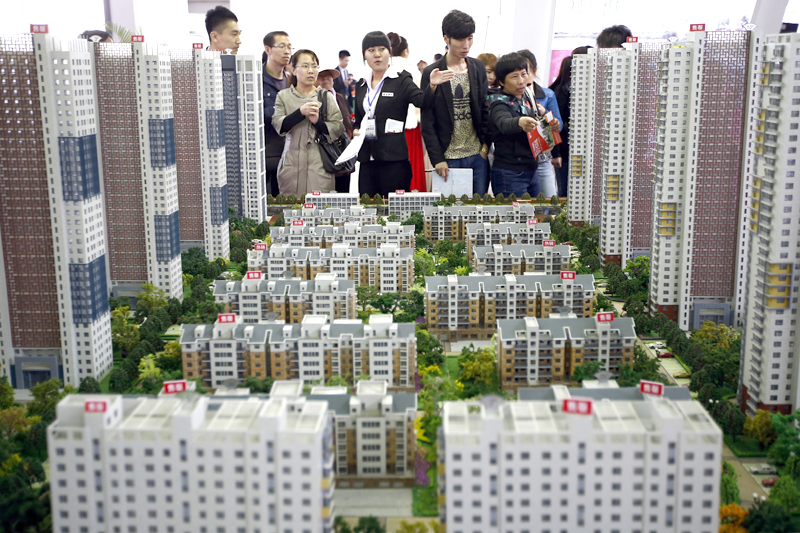
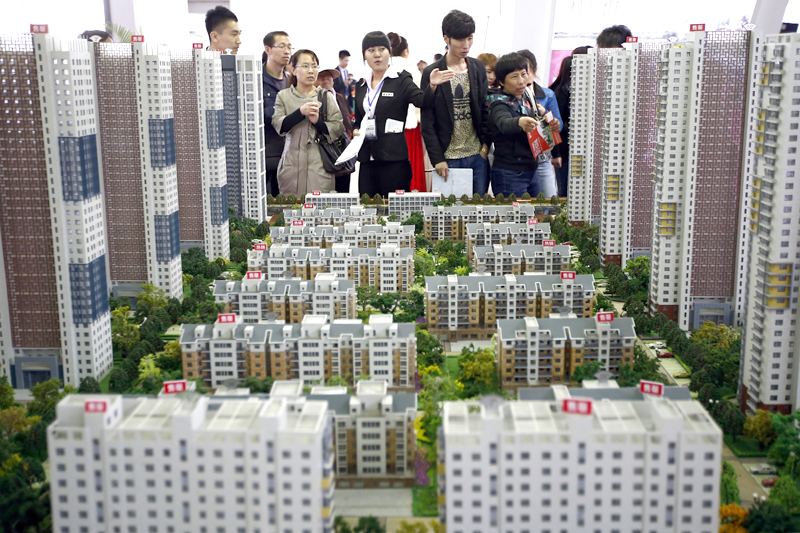
Despite that short-term policy may work under certain conditions, ultimately long-term mechanism must be established to stabilize the market. As seen in the current huge demand for properties, housing demand is far from exhaustion. The high rate of property ownership in China only reflects the underdeveloped rental market, not the exhausted demand. In addition to residential needs, there are also non-residential needs. Problem arises when people invest in property with small intent for letting, which is resulted from the bubble in the property market and the pursuit of value appreciation in properties. In the absence of a mechanism to increase the cost of property ownership, such demand has not been curbed. Therefore, the most important long-term mechanism on the demand side is property tax.
Property tax has three functions. First, it will increase the cost of ownership, and reduce investment demand. Second, it is the internal stabilizer of price fluctuations. Given the same tax rate, the tax on the property will vary based on the current value of the house. When housing price skyrockets, some people will choose to withdraw from the market or switch to smaller ones due to higher tax. This is fully reflected in other countries’ mechanisms. Third, currently, taxes paid upon purchasing the property included future public services such as environmental conservation and transportation maintenance. With the increase in land price and labor cost, the costs of these public services will also increase along with the economic development. Therefore, the current lump-sum tax upon purchase is unreasonable.
Property tax policy must be implemented rationally with a transitional period. For example, for the properties that have paid lump-sum tax upon purchase, property tax should be collected after a ten to twenty-year transitional period when the lump-sum is discounted to present value. Meanwhile low-income property tax deduction can be integrated into construction tax, or grants for suitable personnel which is similar to the minimum living security.
On the supply side, in terms of inhabitable area, China faces severe scarcity of land and its habitable area per person is one third of the world average, combined with other human factors such as regime, strategies, and policies, causing short supply of land and houses. Such circumstance is mainly reflected in the following four aspects. First, the current plot ratio in China is too low. More buildings should be constructed on the limited land to improve efficiency. Second, some local governments should be held responsible for failure to supply land when housing prices rise and its aftermath. Third, property developers acquire land at high prices while housing price is the derivatives of land premium. Four, the rental market is underdeveloped as the result of insufficient supply of affordable rental properties and inadequate legal system that protects the interest of both landlord and tenant.
Last but not least, land allocation system, specifically allocation between major and small cities, is a problem of divergence of urbanization strategy. In the past, the development of small cities was given priority. Small cities were granted large quantity of land while the supply of land to major cities was restricted. However, the majority of people migrated to major cities while middle-sized and small cities, especially third and fourth tier cities, are where the population outflows. Recently, China Development Institute conducted a study on industrial transfer. The central government had policies in place to encourage industrial transfer and identified over 60 cities to be the industrial transfer destinations. For over ten years, 87% of the transfer was to provincial capitals but barely to small cities. Since better services, infrastructure, human resources and logistics services are only available in major cities due to the agglomeration effect and cluster effect, various industries are brought into major cities along with numerous employment opportunities. Therefore, to pursue a better life, people have to migrate to major cities.
To improve the property system, market-oriented strategy is necessary. First, market based resource allocation should take effect, instead of government undertaking. Second, stabilized market does not entail fixed price. Growth of income and predetermined land supply indicates that the relative price of land is basically GDP. If GDP increases constantly, the land price will increase and then the housing price. As such, what truly needs to be stabilized is the proportion of income to housing price. Measures should be taken on both sides of supply and demand while long-term mechanism should be established to gradually achieve long-term market stability of supply and demand.
 Author: Fan Gang, President, CDI
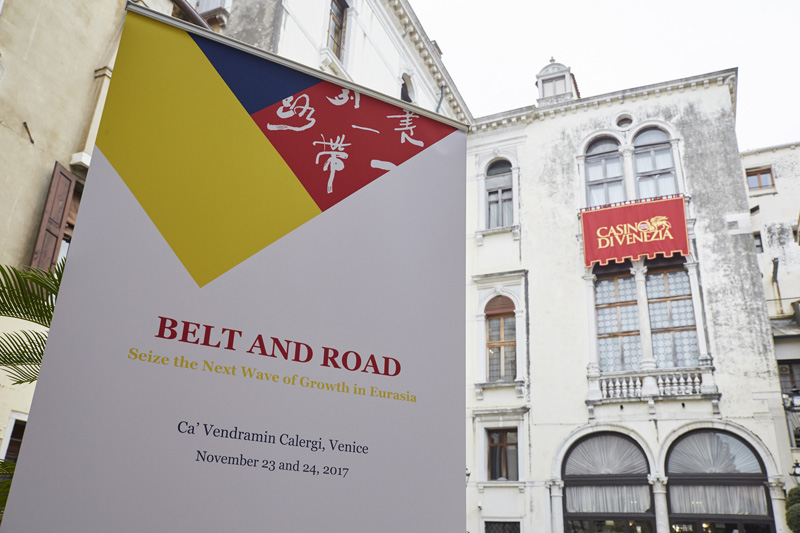
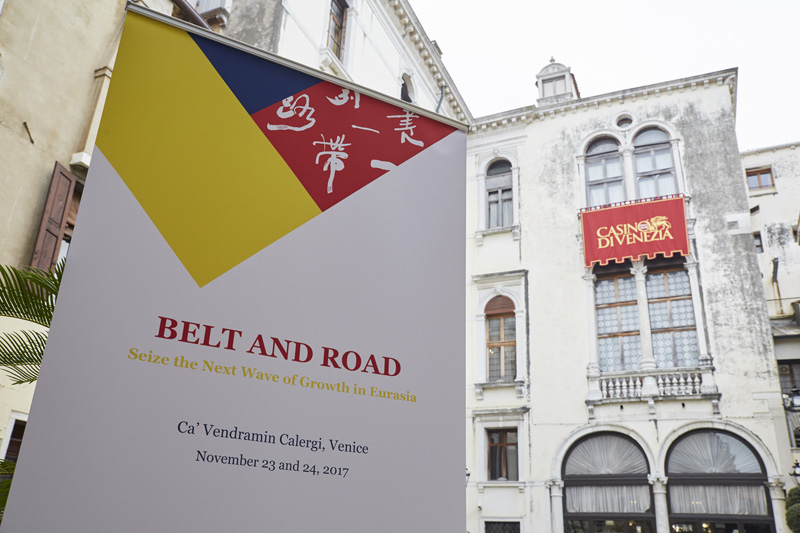
Editor’s Note: At the Belt and Road: Seize the Next Wave of Growth in Eurasia forum on November 23 in Venice jointly held by China Development Institute and The European House – Ambrosetti, Professor Fan talked on the economic rationale of Belt and Road. Here are excerpts from his speech:
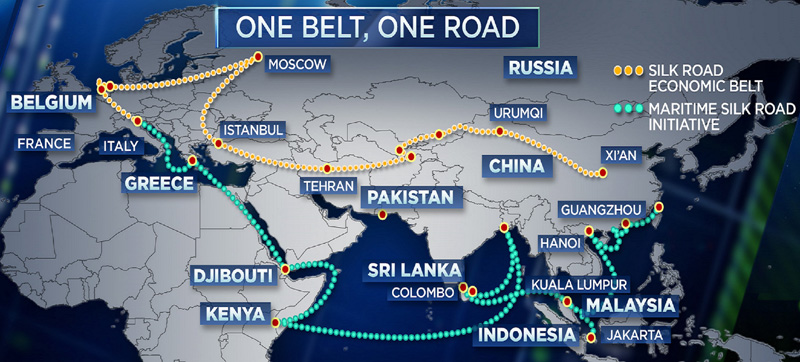
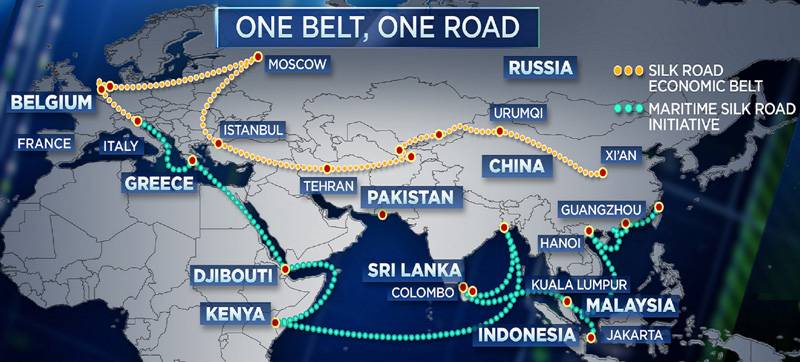
There are lots of questions about how China will benefit from the Belt and Road Initiative (BRI). The usual analysis is from international diplomacy and geopolitics point of view, which states that by improving infrastructures and connectivity, China gains a bigger market, resulting in more investment in neighboring countries and the world. This is undeniable.
But as an economist, I would like to stress the importance of the economic rationale of BRI. People may wonder why China has the money to finance BRI since China is still poor – GDP per capita is quite low comparing with developed countries. But after 20 years of high savings, China accumulated wealth. The question lays in how to use this saving. If invested in domestic economy, over capacity is inevitable. Currently the surplus goes to foreign exchange reserves, which goes to US treasury bonds. But why not invest in concrete projects that can facilitate other countries’ development, strengthen connectivity with China, and also build our community for future prosperity? Therefore, economically speaking, BRI is a better way for China to utilize its national saving.
However, BRI can only be fulfilled by a joint effort by China and other countries. Although the main focus is infrastructure investment, we should not only calculate cost and benefit in terms of direct return or short-term returns, but also the future, the return to public good, and the economic prosperity of the region.
Nonetheless, it is still investment which requires us to consider carefully about financing and selecting the projects, compatibility with local country’s economic development strategy, effectiveness and efficiency of the projects, which essentially amounts to how to succeed and benefit the people in the future. These are the questions we bear for the Belt and Road: Seize the Next Wave of Growth in Eurasia which is also why I think holding this forum is important.
 Author: Wang Jianye, Managing Director, Silk Road Fund; Professor of Economics and Director of the Volatility Institute at NYU Shanghai; recently has been selected as Rotating Secretary General of the International Working Group on Export Credits (2020-2023).
Editor’s Note: At the Belt and Road: Seize the Next Wave of Growth in Eurasia forum on November 23 in Venice jointly held by China Development Institute and The European House – Ambrosetti, Professor Wang talked on the financial issues and challenges that Belt and Road Initiative faces.
Over the three years since the launching of Belt and Road Initiative (BRI), from an investment and financing perspective, what have happened? What have we learned? What are the key challenges going forward?
What have happened?
It has almost become a cliché that the vast landmass in the Eurasia continent, with growing population and markets, has great growth potential. Investment to increase connectivity in this not well-connected region would expand the market, creating effective demand and growth. However, while officially-supported institutions increased their financing, we have not yet seen large capital flows into the developing countries in this region. Why?
A recent World Bank research is telling.1 Their data show that per capita investment growth in emerging market and developing economies has been falling rapidly since 2010, with non-BRICS commodity exporters from roughly 7 percent in 2010 to 0.1 percent in 2016. This is in contrast to the partial recovery in developed economies. By 2014, investment growth there had returned to its long-term average rate, about 2 percent. Their research points out that sluggish investment and growth in developing countries, notwithstanding record-low external borrowing costs and large unmet internal investment needs, can be attributable largely to domestic problems – worsening business environment, rapid buildup of enterprises debt, and policy uncertainty – while external factors such as major countries’ economic slowdown also played a part.
Against this background, let’s look at data from China. Three developments are worth noting from China’s international investment flow data of the last few years:
First, outward direct investment (ODI) increased dramatically in 2015-2016, driven largely by private enterprises. ODI since the global financial crisis could be divided into two periods: 2008-2013, 2014-2017. Data compiled by government and market sources indicate that private sector drove the recent outflow acceleration. ODI relative to GDP rose from 1.1 percent in 2014 to 1.5 percent in 2015 and 1.9 percent in 2016.
Second, destination markets also shifted from emerging and developing economies to developed countries. It should be noted that ODI by disclosed value and number of deals in the Belt and Road developing countries have also increased, admittedly from a very low basis. In conjunction with the rise of the private enterprises, ODI target industries experienced a shift, from primary commodities to services, high value-added manufacturing, and consumption related sectors.
Third, the recent surge in capital outflows especially in 2015-2016 reflects to certain extent masked capital flight. Unusually large and rapid buildup of foreign assets by some domestic entities through M&A or purchases in real estate and unrelated businesses became a source of concern. Some entities including in the financial industry accumulated large domestic liabilities in support their foreign spending spree, increasing balance sheet mismatches. “Errors and omissions” in the balance of payments were also indicative of such a flight, which increased from -0.6 percent of GDP in 2013-14 to about -2 percent of GDP in 2015-16.
The regulatory authorities responded by strengthening the enforcement of capital flow regulations and domestic financial prudential requirements. Starting from November 2016, irregular ODI has subsided. Recent BOP data suggest that net direct investment, which turned deficit in 2016, returned to small surplus in the first three quarters of this year.
What have we learned?
Financing the development of the Belt and Road has to be on market principles. Multiple factors affect China’s capital flows, but primarily market forces in the international arena. Our analysis points to three types – cyclical, structural, and governance drivers. Cyclical forces stem from changing expectations on domestic vs. foreign interest rates and exchange rate movements. Structural forces result from rising domestic costs—wages, land prices, tightening of environment regulations, etc. Governance factor affects SOE investment through corporate governance; it also affects private investment through its impact on uncertainty regarding taxation, regulatory treatment, and property rights protection. In opening up its financial account, China faces domestic financial stability constraint.
The principles of sharing are very important for BRI financing sustainability. The BRI is not a “Marshall Plan,” and cannot be a one-actor show. To achieve “win-win” outcomes, in May 2017 finance ministries of 26 countries endorsed the Guiding Principle on Financing the Development of the Belt and Road, highlighting “equal-footed participation, mutual benefits, and risk sharing.”
Challenges going forward.
First, the leadership challenges to state-owned enterprises. As the Chinese economy is in transition, SOEs still play dominant role in some sectors and significant in others. SOEs’ return on assets and investment return have been falling in recent years, and significantly below that of private enterprises. According to the IMF, adjusted for implicit support through the use of land and natural resources, and lower implicit financing cost, SOEs’ return on equity is estimated to have become negative since 2012.2 In the industrial sector, SOEs account for more than half of corporate debt and 40 percent of industrial assets but less than 20 percent of industrial value added.
Returns on SOE overseas investments are likely to be much lower on average than private enterprises. These companies, especially their leadership, are facing daunting challenges to increase efficiency and profitability. For cross-border M&A, more important is post-acquisition restructuring and management. Strategic vision, efficient decision making and high-quality execution are vital, which require sound corporate governance, market consistent incentives and market-driven corporate culture to attract and retain talents. All are leadership demanding.
Second, the challenges for direct investment in developing economies in the Belt and Road. Many countries are low-income, small size, placing viability limit on projects that require larger market. Red tape and rent-seeking also add to the hidden costs of doing business there. Moreover, counterparty risks are high. It is often difficult to find local corporate partners with solid balance sheet and performance track record. Payment capacity is typically a concern with high risks over the longer term. Few countries or companies there are in investable credit rating. Many are vulnerable to global and commodity cycles.
Coping with these risks would require our enterprises operate on market principles, thoroughly understand local conditions, and on that basis match investors of various preferences for risks and returns with the right projects and other partners. Special attention should also be paid to social responsibilities and environmental protection. Building alliance with local stakeholders and going green would help achieve commercial success in the relatively risky segments of the market.
Third, the challenge of expanding the use of RMB in overseas direct investment. In the last several years, large ODI and other capital outflows have led to a decline in China’s foreign exchange reserves from nearly $4 trillion to slightly over $3 trillion. At this stage, maintaining a sizable official reserves before the RMB exchange rate can be freely floating is important for financial stability. Expanding ODI thus would entail the use of RMB. Although the RMB has become a composite currency of the SDR, its share in World foreign exchange transactions is still smaller than several currencies that are not in the SDR basket.
The challenges are to progressively develop the relevant infrastructure, reduce RMB funding and holding costs, build up so-called “network externality” (i.e., a greater number of users increases the value to each). Of course, international use of a currency depends ultimately on market acceptance, which could be a long process. Stable currency value and the rule-of-law institutions and governance are therefore fundamental.
Finally, the challenge to modernize governance at home in face of increasingly free cross-border mobility of capital and talents. Public sector reforms are particularly relevant in this regard. Exposing the SOEs fully to market competition through opening up protected sectors and removing implicit subsidies would force restructuring, increase efficiency, and contribute to leveling the play field for all enterprises.
Fiscal reforms to make public spending accountable, reduce uncertainty in taxation, and realign central-local fiscal relations will go a long way in instilling confidence and reducing capital flight. Reform to make the tax system more progressive will not only help alleviate income inequality, but also put the public finances on a more sustainable footing, good for internationalization of the RMB.
The recent State Council Opinion reiterated that effective protection of property rights is a cornerstone of our society. The challenge is not just in implementation, but in the difficult institutional and cultural transformation to a “rule-of-law” society.
The BRI calls for “opening-up” of the countries in the Eurasian continent. In doing so, it also creates the conditions for institutional and governance modernization in these countries. Real progress in these reforms will not only transform the business community but also the relevant society, benefiting people along the Belt and Road, creating truly “win-win” outcomes.
------------------------------------------------
1 Ayhan Kose, Franziska Ohnsorge, and Lei Sandy Ye, 2017. “Weakness in Investment Growth: Causes, Implications, and Policy Response.” Policy Research Working Paper 7990, World Bank, Washington DC.
2 International Monetary Fund, Staff Report for 2017 Article IV Consultation, paragraphs 18-19, http//www.imf.org.

 Author: Mark Yeandle, Associate Director, Z/Yen Group Limited
Editor’s Note: At the China Industrial Finance Forum 2017 on November 17 in Jinan held by CDI, Mr. Mark Yeandle shared his views on the experience of London financial centre. Here are excerpts from his speech:
Firstly, was the city of London constructed or did it grow? What keeps it as an important center? Secondly, is there any lesson we can learn from the development of Canary Wharf from scratch? Thirdly, if there is any lesson for China’s financial centres?
London was not planned as a financial centre. It developed as a trading centre of a very successful empire. The British people always had a long history of international trading. Then we had the industrial revolution and the building of financing as an industry which had a massive impact on the country. It became a very logical sequence if you carry on building financial centres. Big bang in 1980s was a deregulation of financial services which freed up the market and allowed the UK and London in particular to grow and thrive. The invention of modern finance, the industrial revolution and the Big Bang are the three great steps of innovation.
Obviously, London is a big city in terms of the size and population. Interestingly, long-term decline of sterling actually helped Britain more international. Investment managers could make good returns in investing purely in UK instruments simply because the value of sterling was dropping. Constant innovation, the development of institutions over the years, being one important centre in the European time zone which enables London to speak to Asia and America in the same working day, English language, skilled people, general reputation of trustworthiness, all sort of things all helped London develop.
Why does London stay on top? Time zone and English language are still important. Liquidities of market are now so strong. London has become a leading centre for stocks, shares, bonds, foreign exchanges, derivatives, insurance, etc. It got all the intuitions like the Lloyds insurance market and the Baltic Exchange. Innovation, like Fintech, also helps London stay on top.
How on earth did Canary Wharf come about? It is now a leading financial area and 30 years ago it was still part of the London Docklands. The London Docklands actually died in the earlier part of this century. Thames were tidal so you always got ships up and down. The harbours basically died because long ships were just too big and deep for the city. So, we ended up with Canary Wharf as an industrial wasteland very close to the City of London. The City of London is one square mile and it is just contained within the old Roman Walls, so it is very limited in space. The old financial development tried to take place there but there was simply not enough room in the City. The buildings were very old and unsuitable and quality of office environment in London was poor. So, the Docklands development organizations went to the City of London and asked: “are you happy with your office premises or do you see the need to do something dramatic?” The answer is that we have to do something dramatic.
Canary Wharf was not planned. It was there because it was demand. I have been to many financial centres where premises have been built early in the process. They have very lovely glass towers, very shining and impressive. Unless you plan early on how to fill them, they will become embarrassment when you leave them empty there. Canary Wharf was filled basically before it was built, because there was so much demand there. The development worked very closely with London about transport links because Canary Wharf is still far away from the City. They spent huge amount of money on transport, like Jubilee Line, City Airport, Docklands Light Railway, London River Services and Helipad.
What perhaps China’s financial centres can learn from this? Building a financial centre, you start with business environment and sufficient infrastructure. Only when you get those two things, skilled people want to move in and financial sectors begin to develop here. Eventually, it will lead to the reputation as a strong financial centre. The generalities of financial centres also give some advice. You cannot be an international centre without international people. Successful people want to live in successful cities. People want to live in cosmopolitan places and gravitate to cluster of their industries. Reputation of the centre is vital because it takes 20 years to build a reputation and five minutes to ruin it. Trust is the glue that holds all relationships together. People will not come to and invest in the city, unless they trust that they will be treated fairly no matter where they come from.
 Author: Peter Bofinger, Professor for Monetary and International Economics, Würzburg University, and a Member of the German Council of Economic Experts
Editor’s Note: At the China Industrial Finance Forum 2017 on November 17 in Jinan, Professor Peter Bofinger shared his views on the successful experience of the German Economy. Here are excerpts from his speech:
Germany is among the top ten economies in the Global Competitiveness Report provided each year by the World Economic Forum. In this ranking, Germany is especially high in terms of innovation and business sophistication. Germany has one the lowest unemployment rate among the OECD countries and sound public finances compared with other advanced economies.
Why is the German economy so successful? Germany has a specific economic model which was shaped by Ludwid Erhard, the father of Germany’s market economy, after the WWⅡ. His concept can be labeled in his motto that is “prosperity for all”. The idea was that in order for a country to prosper it means that growth has to be shared by all. Growth is important, but growth has to be widely shared.
How can the concept be translated into the German economic system? What really matters when you decide an economy is the relationship of government influence and market force. For example, the Anglo-Saxon countries have low government influence and strong market influence, and in the Scandinavian countries, market influence is relatively small compared with government. Germany is in the middle, not too much government, not too much market, and it is a very balanced approach. It explains why Germany is so successful.
The approach also explains the success of a German model that provides workers with relatively high security. Unemployment protection of workers in Germany is rather high. Good protection of workers is not something negative for growth and it is a positive feature. Workers and employers see themselves as partners; there is no confrontation but cooperation between them. It is really helpful for Germany. The intuitional framework is called co-determination which means the boards of large companies compose of 50 percent of workers’ representatives and 50 percent of shareholders’ representatives. It is important for the solid environment of the German economy, especially in recessions.
Germany also has a special industrial landscape which is rooted in the German history. Until the beginning of 19th century, Germany was composed of independent small states, so Germany is a much decentralized country. It is also reflected in the industrial structure. Germany has many companies spread across the country. Some of them are even global leaders but they are in the countryside. Why can these family companies adjust themselves over time and still remain successful? The family model is very helpful, because they have long-term perspective. They do not depend on short-term capital market, but they have their long-term vision of how to be successful.
What is the financial system for this decentralized structure of Germany? It is called a three-pillar system which is very robust in times of crisis. One pillar is private banks. The second one is savings banks which are owned by the local authorities and spread all over the country. This decentralized banking system really helps small enterprises get the money. In addition, we have corporative banks which are owned by small investors and mainly exist in major cities. Both saving banks and cooperative banks are not listed on the stock exchange. The three pillars make up a stable system, because it is diversified and it is on the local basis that money is provided for the local companies.
Is Germany really so good? The biggest test for the German economy is the German unification in 1990. When the Berlin Wall came down, we suddenly have 60 million East Germans with an economy that was extremely not completive, while the West German economy was really able to provide social security and infrastructure investment. The unification has been successfully managed, which is a sign of strength of the German economy.
The German economy’s strength is obvious if you look at how we manage the globalization. Germany has benefited from the rapid process of globalization because we have the right products that are needed for industrialization. Compared with other advanced economies, the German economy is very open and has successfully managed the challenge of globalization, which shows the strength of our economy.
Germany has been able to retain the manufacturing base and it is still one of the very strong manufacturing economies. Manufacturing matters.
We have also realized the potential of digitalization. We are one of the economies which intensively use industrial robots. Digitalization is not something afraid of and it does not destroy jobs but provide new opportunities.
What are the lessons for China?
Social protection is a blessing not a curse, because it provides motivation for workers. Good labor relations matter for the performance of firms.
Small can be beautiful. Small and medium-sized companies are successful because they are more flexible and transparent and have low transaction and information costs.
Stock markets are good, but we must be careful. What matters for successful economies is long-term vision, while dependence on stock markets nurtures short-termism.
Globalization and digitalization are beneficial for the wealth of nations, but they do not generate prosperity for all. We need government to use them in the right way so as to produce prosperity for all.

 Author: Fan Gang, President, CDI
Editor’s Note: Internet finance, while injecting new vitality into economic development, has also brought with it inevitable risks, which calls for new models of internet finance regulation.
Online shopping, internet finance and telecommunication technologies have brought various benefits to the Chinese economy, such as fueling the development of the manufacturing sector, providing financial support for small and medium enterprises, and promoting consumer finance. Compared to developed countries, China’s internet finance is developing well. There are several reasons for this. First, the relative backwardness of China’s commercial and financial industries in the past created a huge space for the emergence of internet finance. Second, Chinese consumers’ awareness of privacy protection is not as high as their counterparts in western countries. Third, the Chinese government has adopted a tolerant stance towards innovation, entrepreneurship, the application of new technologies, as well as new business patterns and models, facilitating the growth of internet finance. In addition, China’s vast consumer market has provided excellent opportunities for growth.
The development of internet finance has pros and cons, which, while creating benefits, has also brought negative impacts such as phishing and fraudulent activities, etc., all of which have made regulation on internet finance highly relevant. We need to adopt a mixed supervision system which can penetrate into different industries related to internet finance. Moreover, the partnership between governments and enterprises shall also be encouraged. Moderate and effective regulation by the government will help businesses develop better. As the regulator and the regulated share common interests, their partnership and collaboration will contribute to forming a self-disciplined regulation mechanism, which is in the interest of the long-term sound development of China’s internet, e-commerce, and electronic finance, etc.
 Author: Guo Wanda, Executive Vice President, CDI
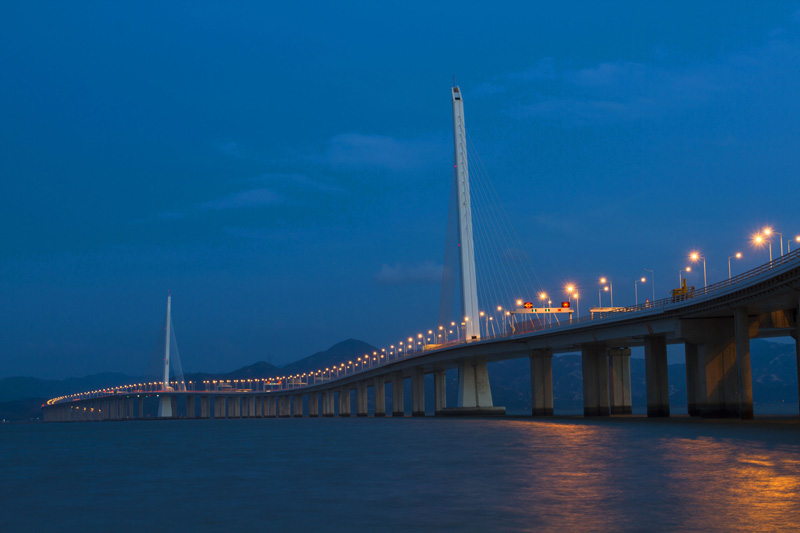
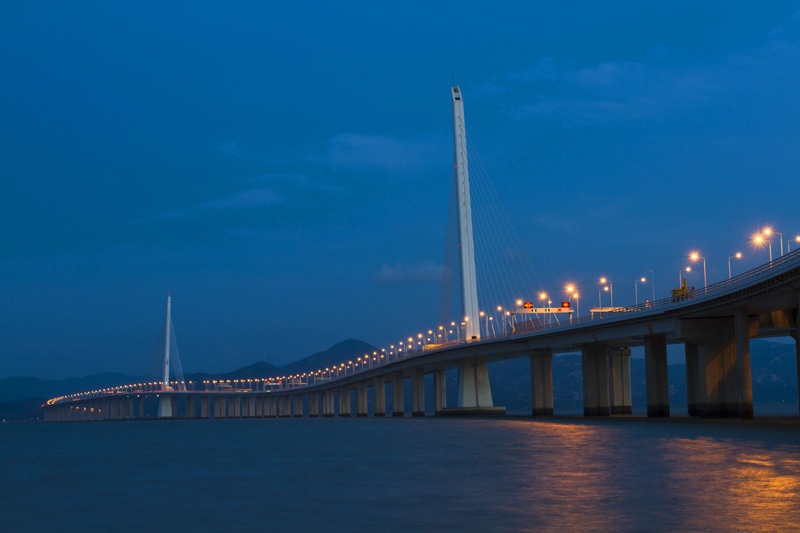
Editor’s Note: In the Guangdong-Hong Kong-Macao Greater Bay Area, Shenzhen has a unique advantage of innovation. Shenzhen shall give a leading role to innovation and strive to build a new regional innovation system.
Shenzhen is a metropolis featured with openness and innovation. Shenzhen is home to a large number of highly competitive private businesses which focus on innovative and creative industries. Moreover, the high efficiency of Shenzhen’s government, favorable business environment, large numbers of talents have all contributed to Shenzhen’s vigorous economy. Shenzhen shall give a leading role to innovation for a better spill-over effect in promoting the shared development for other cities in the greater bay area. The following measures shall be taken: first, to build a regional innovation system featuring industry-academia collaboration research; second, to put in place an industrial chain incorporating venture capital, innovative technologies, and talents for innovation; third, to facilitate the aggregation of industries, talents and capital.
In the greater bay area, Shenzhen can foster benign competitive relationships with other core cities like Guangzhou, Hong Kong and Macao in the greater bay area. Open and pragmatic cooperation will be carried out between Shenzhen and Guangzhou, in particular the establishment of the Guangzhou-Shenzhen Science and Technology Innovation Corridor. Hong Kong is an international hub for finance, trade and shipping with sound basis for cooperation with Shenzhen in industries, talents and technology, etc. Macao is a global center for tourism and leisure, as well as a well-functioning platform for one-stop MICE services. To achieve mutually complementary cooperation, Macao should combine these strengths with Shenzhen’s strengths in internationalization.
Moreover, integrated industrial chains have been formed among Shenzhen, Dongguan and Huizhou, and the collaborative development capitalizing on the advantages of the three cities is sure to exert positive influence on the growth of the greater bay area as a whole. The division of city functions among the three cities, together with close collaboration and partnership among industries, will help promote the Shenzhen-Dongguan-Huizhou city group. Differences in cost have made them highly complementary to each other in industrial division and city functions. A better coordination mechanism among Shenzhen, Dongguan and Huizhou will serve as an role model for other cities in the greater bay area. With the further improvement of transportation networks in the Guangdong-Hong Kong-Macao Greater Bay Area, there will be higher mobility of different economic factors, enabling Shenzhen to reach out further in the overall development of the greater bay area as a regional growth engine.
 Author: Fan Gang, President, CDI
Editor’s Note: China still has huge potential for economic growth, as the domestic supply side reform and growth in consumption further promote the development of China’s economy. Enterprises will also meet new opportunities in the period of economic transformation.
During the period from 2011 to 2016, China faced rather strong downward pressure on its economy. Stimulated by the supply side reform and domestic demand, however, the prospect of China’s economy remains encouraging. In the next round of economic growth, there will be more high-tech innovation elements, and China’s economy will embrace growth with a better quality. At the same time, the domestic supply side reform and growth in consumption will continue to fuel China’s economy.
The report of the 19th National Congress of the CPC put forward the supply side structural reform as a central task in facilitating economic development towards better quality and higher efficiency, while industrial restructuring and transformation is a major challenge for the supply side reform. In the future, industries will continue to climb the value chain towards the middle and high end of it. In addition, the future of China’s economic structure will witness a shift to consumption as a new driver, with consumption of services also expecting faster growth. At the same time, other drivers for consumption growth are also gradually coming into play, including the steady growth of national income, continuous improvement of social security, sustained development of consumer credit, and increasingly diverse consumer needs.
However, we should also be concerned about the overheating of the Chinese economy. The overheated economy is because of technological progress and institutional change. When the economy becomes overheated, we often encounter periodic problems such as overcapacity, stock backlog, debts, etc. Two conditions must be met if the Chinese economy wants to ensure a soft landing: first, when inflation happens, the national government shall take timely measures to suppress excessive bubbles; second, economic and administrative measures shall be adopted as two pillars to control economic growth within a proper range. For enterprises, how to adapt to national economic transformation and restructuring by adopting appropriate business strategies is important if they are to have sustainable development.
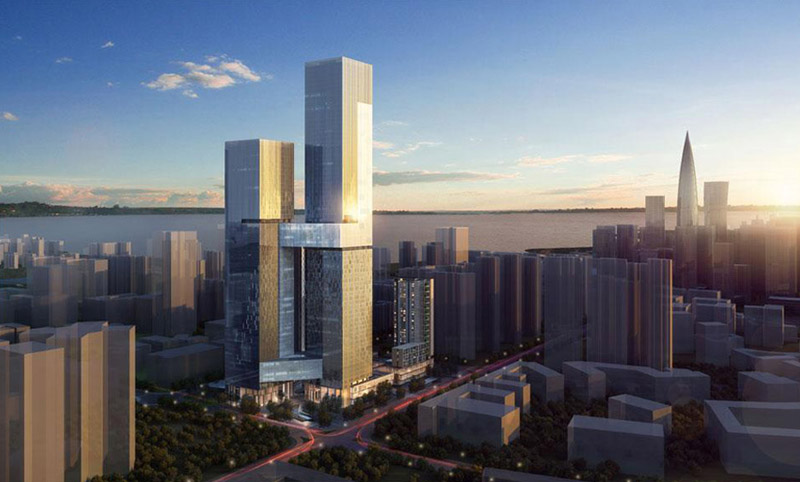
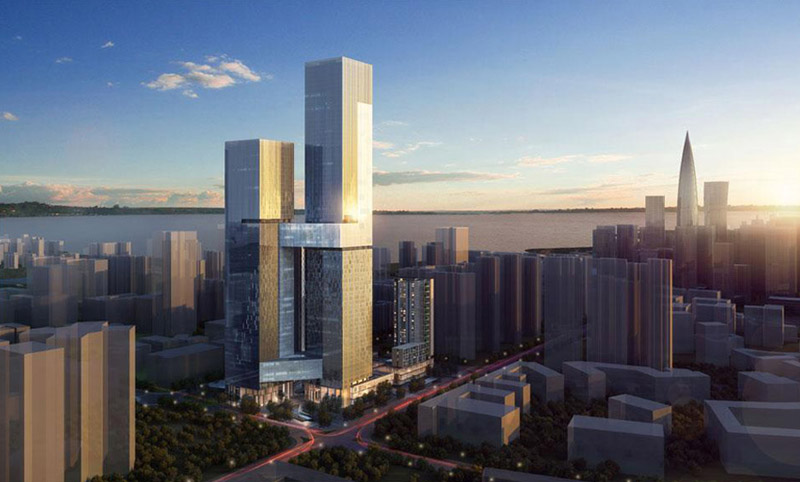 Editor’s Note: CDI experts gave suggestions to the development approach for Shenzhen after the 19th CPC National Congress.
Housing Should Be for Living in, not for Speculation
Land shall be used for housing construction. To solve the housing problem, we should trace back to the factor of land. What Shenzhen needs is a residential land supply regime instead of improved housing construction ability. Therefore, Shenzhen shall make a series of adjustments to its land management regime by establishing a residential land supply regime that can meet the housing needs of Shenzhen residents.
To Introduce Shenzhen Special Economic Zone Model along the Belt and Road
The Belt and Road Initiative has been well-received by many developing countries. These countries believe that the successful development model of Shenzhen Special Economic Zone is duplicable and helpful to transplant. When opening up to the countries along the Belt and Road, Shenzhen needs to share its success story of the Special Economic Zone model to the world.
To Achieve Development in Fundamental Scientific Research
Despite of its high ranking in terms of science and technology innovation, Shenzhen should clearly recognize that innovation does not only refer to technology industrialization but also basic research. Therefore, there is still plenty of room for improvement in terms of basic theoretical research and disruptive innovation. Four Nobel Prize winners have established their laboratories in Shenzhen with remarkable achievements.
To Contribute to China’s Opening-up
Shenzhen should seek for service trade-driven development and integrate its service trade into the global service sector. Shenzhen should also accelerate research on and implementation of projects such as free trade ports and cross-border cooperation zones What’s more, Shenzhen should provide excellent public services, maintain market rules and mechanism, and create a world-class business environment and attract high-quality business resources across the world.

 Author: Fan Gang, President, CDI
Editor’s Note: China’s low levels of consumption can be partly explained by the fact that consumption accounts for a rather small share of income, with China’s current household spending representing only 40% of GDP and the combined spending of government and consumers accounting for only 55% of GDP, and partly by high savings rate. In 2007, the national savings rate reached a record high of 51%. In recent years, despite efforts to reduce the proportion of savings and increase consumption, the national savings rate remains elevated at around 45%. Aside from household savings, corporate savings and government savings also matter. Corporate savings usually refer to profits that are not spent. Deposits of some large SOEs may total up to tens of billions of yuan, and yet they choose to save them with the SASAC (State-owned Assets Supervision and Administration Commission) rather than share the dividends or turn them over to the national treasury. Therefore, over the past decade, money has added up in bank accounts. And one motive behind the Belt and Road Initiative is to tackle high savings rate. China’s consumption is actually suppressed against such backdrop.
Drivers for Consumption Growth
Income growth is the most important driver for consumption growth. Countries with high consumption must also be high income countries. China is still a middle-income country with per capita GDP of 8000 dollars, while the per capita GDP of the United States is over 50,000 dollars, and that of Norway is 100,000 dollars, which ranks 1st in the world. As a developing country, China’s consumption surely needs to become stronger. An increase in earnings among people with lower income, who demonstrate higher elasticity of consumer demand, will contribute to faster consumption growth of the society as a whole.
Credit consumption and finance are also driving forces behind consumption growth, which have seen rapid growth with the development of P2P platforms and Internet finance. Online mobile phone purchased by university students constitutes a short-term small consumer credit. China's consumer credit has surpassed industrial loans to become the largest sector in the banking system with 26% of share.
E-commerce has also fueled consumer spending. Presently, delivery reaches not only urban areas but also the countryside. These delivery vehicles are loaded with consumer goods.
Patterns of Consumption Growth
First, though the Chinese appetite for material consumption is far from been satisfied, service consumption has begun to grow. With growing income, people begin to have more disposable income to spend, with the consumption of physical goods seeing the fastest grow that the moment. Meanwhile, service consumption has begun to see substantial growth as well. The service industry has become the largest industry in China today. Transformation from diversified consumption to the service industry is taking place and gaining momentum.
Second, traditional consumption and new types of consumption are both on the rise. Basic needs such as those for housing and family life have not been met. 70% of the Chinese are the low-income class, of whom 34% are farmers. As their income grows, many of them will first try to meet their basic needs, thus generating great market potential in traditional consumption. An important driving force behind this process is urbanization, which obviously is related to the property market. As people migrate, their housing needs change accordingly. Farmers want to buy houses in the county as they move in from the countryside. County residents prefer to live in prefecture-level cities, as those in prefecture-level cities seek personal development in provincial capitals, whose residents decide to try their fortunes in megacities. As the country urbanizes, its people are moving from one house to another.
In a way similar to housing, the consumer market follows where people move. During the urbanization process, new types of consumption, such as consumption of entertainment, culture, health and education are also growing faster and the share of the service industry will be even larger. According to the big data provided by international credit card companies, the growth of high-end service industry is the future trend, while the consumption of goods will be more diversified, refined, functional and ritualized, which will inevitably create a lot of demand, such as people’s demand for professional sportswear.
Finally, it is worth noting that China's retirement consumption has just begun. With an aging population, there is still a long time between retirement and old age requiring elderly care. Perhaps people will begin to need elderly care only in their 80s. If they are 60 years old now, there will still be 20 years ahead to enjoy and to consume before old age. China’s new-generation retirees are just emerging, who, benefiting from high economic growth brought by reform and opening-up over the past 30 years, have become China’s middle class. Before retirement, many of them have money but little leisure time, but now as they have both, the party of retirement consumption will begin.

 Author: Qu Jian, Vice President, CDI
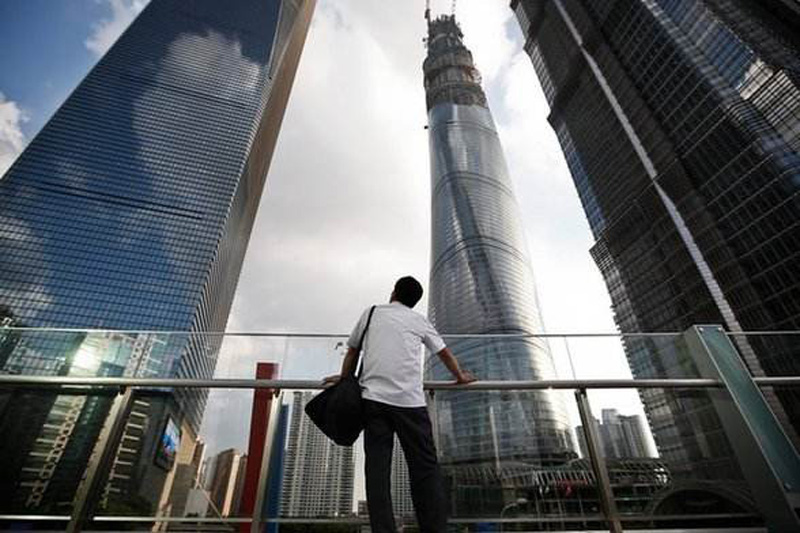
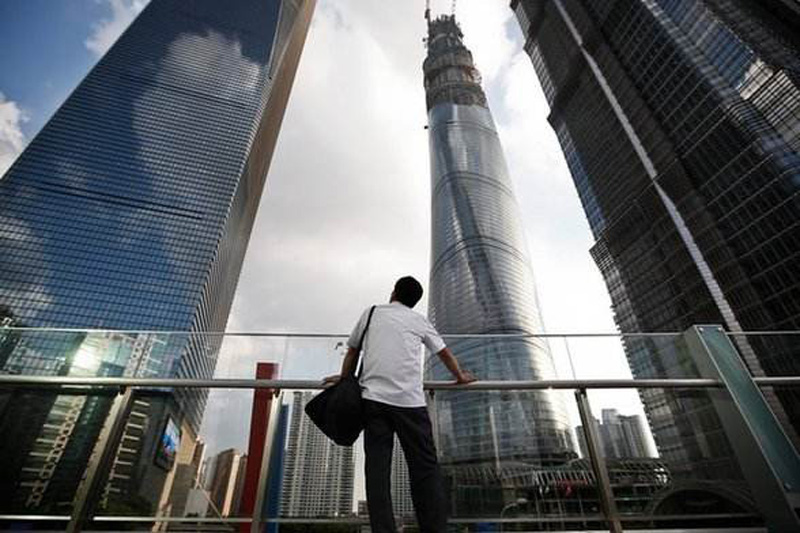
Editor’s Note: Overseas economic and trade cooperation zones have become important vehicles and platforms for Chinese mainland companies investing oversea and building relationship with foreign partners. Hong Kong's strength as an international finance center with an open market in the scope of specialized services, from financial investment to logistics and shipping, capital construction management, legal arbitration, and to regional businesses, has played a massive role in the investment and construction of "The Belt and Road" overseas industrial parks.
First of all, most of the capital for the expansion of overseas industrial parks is raised from the market. Hong Kong can provide professional services like complete specialized project valuation and sustainable development estimate for Chinese mainland companies investing in the countries along the B&R to introduce external funds and finance overseas investment projects or other businesses. What’s more, the service platforms in Hong Kong can offer mainland companies a multitude of investment ways, such as, private equity investment funds, equity joint investment, or other joint stock cooperation, thereby enabling them to spread risk.
For another, the construction of overseas economic and trade cooperation zones has accelerated the industrialization and driven related industries and economic development of the host countries along the OBOR. In addition, the successful experiences of the Shenzhen Special Economic Zone and the Hong Kong institutional system can further help host nations to establish special economic zones. The establishment of industrial parks abroad needs one statute, two plans (industrial planning and spatial layout planning), three schemes (business scheme, financing scheme, management and operation scheme). The returns on financing and investment that involve with these three aspects above highly coincide with the financial industrial of Hong Kong. Given that Hong Kong’s financial industrial offers financial services for Chinese investors to explore the markets in laggard developing countries along the B&R, it will tremendously spur the economy of these countries and encourage more enterprises from Chinese mainland to invest abroad.
 Author: Fan Gang, President, CDI
Editor’s note: Since 2015, house prices in the first-tier cities are insanely increasing while they are cooling down in second- and third-tier cities. The main reason is that the current urban development strategy is inconsistent with population migration. The government restricts the supply of land resources, thus affecting the supply in the real estate market. It has nothing to do with "too much money."
Since 2015 house prices in the first-tier cities have risen sharply, while those in the second- and third-tier cities remained stable. There are two prevailing explanations: one claims that too much money is circulated in the market, and the other claims that the land is too expensive.
First of all, money, a general equivalent, is associated with the prices of any commodities. It is illogical to conclude there is oversupply of money but that is reflected only in house prices in the first tier cities. Moreover, the monetary policy has been tight over the past two years, and M2 is growing at a rate less than 10%. Therefore, it is groundless to assert “more money” has led to polarization of house prices in the first-tier cities and second- and third-tier cities. Second, the land is priced high because the developers expect high house prices, and hence readily buy land at high prices. The price of land naturally increases with the economic development. Actually the abnormal rise of land prices is mainly attributed to the wrong urban development strategy, which results in the inappropriate allocation of land. As a result, land is in short supply in the first tier cities, and there is a huge gap between housing demand and supply.
At present, China’s house price problem is a result of inappropriate urban development strategy. Therefore, it is necessary to liberalize the supply of land to solve problem. In the long run, the most crucial thing is to correct the planning for urban development, focusing on the development of metropolises. What’s more, the improvement and establishment of the property tax and lease system also has an important impact on the property market. In the short run, the purchase restriction is an important measure to effectively protect the real estate market from the real estate speculation.
 Author: Cao Zhongxiong, Executive Director, New Economy Research Department
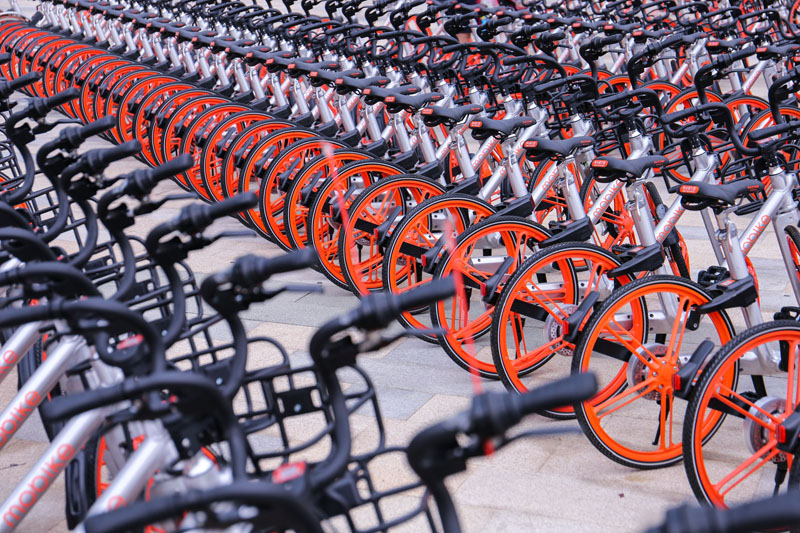
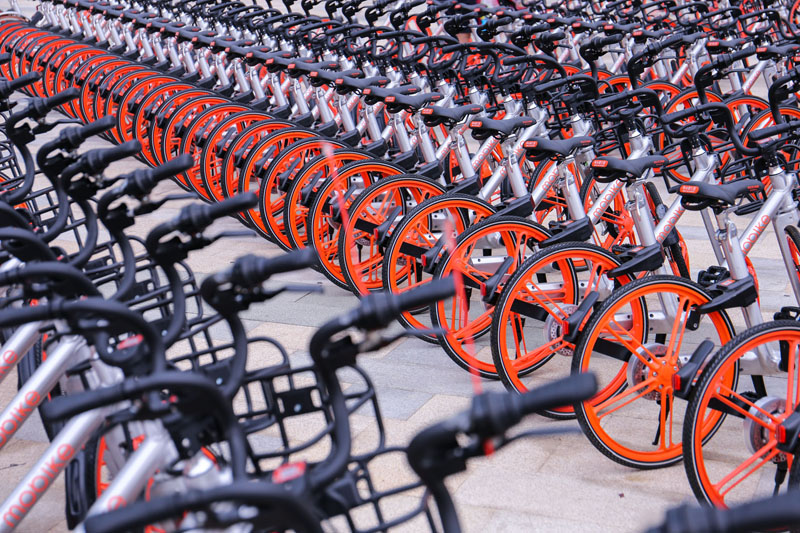
Editor’s note: Despite fierce industrial competition, various funds are still scrambling to occupy the sharing bike market, indicating the industry still has considerable potential for development. But in the future, the platforms will inevitably face reshuffle. Mobike and ofo might be left as the final two major competitors.
As capitals swarm into the sharing bike market, an ideal gateway to the Internet economy, the industry still has plenty of room for development. But there is no doubt that competition will be more and more intense.
Every bike sharing platform is implanted with more business models in an attempt to boost industry value; however, this move is unlikely to achieve great success. Sharing bike is a transport tool by nature, and it is unrealistic to let it stack more commercial values.
At the same time, sharing bikes are increasingly closely related to the Internet of Things. For example, Mobike and ofo are working to expand the application of Internet of Things technology. In fact, sharing bike itself is the Internet of Things. But it can only be a terminal. If new Internet of Things technologies are implanted in the future, more emphasis will be put on user experience.
With the entry of various capitals, competition of sharing bike platform is becoming more and more intense. Among them, ofo and Mobike are most favored by capital, topping the industry in market share and development scale. To some extent, the market capacity of sharing bikes is close to saturation in the first-tier cities. The number of bikes put to the market by various platforms has actually exceeded market demand. There is little chance for the emergence of new platforms. In the second- and third-tier cities on the Chinese mainland, the market space for sharing bikes will not be too large. In the process of fierce competition, there will be great possibility for merger and acquisitions. Small businesses will be phased out, and the final game will be held between Mobike and ofo.

 Author: Guo Wanda, Executive Vice President, CDI
Editor’s Note: The Belt and Road Initiative has marched from a concept to the phase of accelerated implementation. The key of Belt and Road construction is policy coordination, facilities connectivity, unimpeded trade, financial integration, and people-to-people bond. It is a major international project involving land, technology, funds, talents, information and many other factors. Hong Kong has unique economic, social and cultural functions, which enable to promote the joint consultation, construction and shared benefits under the Belt and Road Initiative.
Hong Kong is an international metropolis, gathering international high-end resources. It stands extremely high in the level of opening-up, enjoying rich experiences in cultural and people-to-people exchanges. It hence can play an important role not only in the Belt and Road construction, but also in the global economic and social exchanges.
Hong Kong's internationally advanced professional services cover the financial, legal, operational risk assessment, human resources, and international arbitration and mediation sectors. It boasts better understanding of the development strategy of governments as well as the rules of the market system. Therefore, it can play a professional intermediary function to realize the connectivity of development strategies, and play an important role in policy coordination between the Chinese government and the countries along the routes.
Hong Kong, with leading international certification monitoring technology and standards in the field of infrastructure construction, can help Chinese mainland enterprises to establish authoritative standards in this field, and promote it widely in the Belt and Road countries. The implementation of the "China standard" as an international standard is a crucial step in the internationalization of Chinese technologies and facilitating Chinese enterprises to "go global". In infrastructure construction projects in Belt and Road countries, we may adopt the mainland and Hong Kong “1+1"package service cooperation model, to assist mainland enterprises in achieving communication and coordination with those in the host countries.
Hong Kong can take advantage of its position as an international trade center and international shipping hub to support and serve the Belt and Road construction with developed international trade network and efficient international high-end logistics service. In addition, Hong Kong itself is the world's leading free trade port, separate customs territory, with perfect free market legal system. If China is to promote the construction of a free trade zone network or sign RCEP, Hong Kong can give play to its advantages in software, hardware and geographical position, paving the way for unimpeded trade along Belt and Road routes.
Hong Kong is the world's fourth largest foreign exchange market, the eighth largest securities market and an offshore centre for the RMB. It plays an important role in promoting the use of RMB in Belt and Road countries and the internationalization of RMB. Enterprises can be listed in Hong Kong, issue a variety of bonds, including RMB, for financial integration. Investment institutions can jointly set up funds for the development of the Belt and Road, as a supplement to the Silk Road Fund, to provide convenience for the Belt and Road financial integration.
The Belt and Road is not only economic and trade cooperation, but also cultural exchanges and communication. Hong Kong is one of the cities with the highest degree of globalization. It is well developed in information service, and the media is in line with international standards. Its humanistic exchanges and cultural interaction are diversified, inclusive and global. Therefore, Hong Kong has gradually become an important window for the world to learn about the Chinese mainland, Chinese culture and the Chinese nation.

 Author:Zheng Yujie, Director, Information and Communications Department
Editor's Note:The signing of the Framework Agreement for Deepening Guangdong-Hong Kong-Macao Cooperation and Promoting the Development of the Bay Area on July 1, 2017 clarified the direction for Guangdong, Hong Kong and Macao to forge an internationally top-notch Bay Area and world-class city cluster. The challenges and positioning changes facing the Guangdong-Hong Kong-Macao Bay Area will greatly influence the region’s next step.
The Guangdong-Hong Kong-Macao Bay Area was initially established to optimize a combination of markets factors across the globe and provide China with a new open platform to integrate resources. In addition, as profits for copycatting technology shrink and bonuses in economic reform dwindle, the Chinese economy desperately needs an innovation-driven growth model. Furthermore, the Bay Area has become the major growth pole in the global economy and primary engine for technological revolution because of the cluster effect. Finally, the Bay Area’s economy helps Hong Kong translate its free economy and lawful society advantages into competitive strengths which will further stimulate the city's economic expansion.
The Guangdong-Hong Kong-Macao Bay Area holds advantages such as high economic capacity, favorable geographic location, outstanding innovation capability, internationalization and a solid foundation in cooperation. However, in the context of the global economy, the biggest challenges to the Guangdong-Hong Kong-Macao Bay Area are fully integrating the cities in the Bay Area, overcoming administrative and systematic barriers, realizing the optimized allocation of resources and improving the operating efficiency of the whole region.
The positioning of the Guangdong-Hong Kong-Macao Bay Area should be considered from the perspectives of the national economic development strategy and its historically significant mission. First, the Area should explore the trade and investment rules and regulations of high standards, develop an open economic system that match the international community, and function as a hub for the “Belt and Road” strategy. Second, the Area should strengthen its global resources allocation capacity and cultivate a competitive innovation center. Third, the Area should fully harness the unique strengths of Hong Kong and Macao and advocate in-depth collaboration between the Special Administrative Regions and the Chinese mainland. Fourth, the Area should forge a world-class city cluster and a powerhouse of economic growth to become a cornerstone in global and regional competition.
The development the Guangdong-Hong Kong-Macao Bay Area should focus on the following four areas. First, as the transportation network improves, a “commute circle” within the city cluster will be established. Second, innovation will be prioritized over the commercialization of scientific technology and the application of research results, and an innovation ecology network should be established that links the Chinese mainland with Hong Kong and Macao. Third, industrial infrastructure will be upgraded and the proportion of high-end services will continue to rise. Finally, a transition from an export-oriented production center to a production and consumption center focusing on trade in both goods and service will occur.
 Author: Guo Wanda, Executive Vice President, CDI
Editor’s Note: In the midst of the major historic opportunity presented by the establishment of the Guangdong-Hong Kong-Macao Bay Area, Shenzhen should strive to carry out development concept featuring openness, coordination, innovation and low-carbon economy, and actively integrate into the greater Bay Area.
As one of China's earliest and most successful special economic zones in China, Shenzhen is at the forefront of the country's reform and opening-up efforts. After 37 years of expansion, Shenzhen has cemented a certain position within the global industrial production system and it has become one of China's primary cities in foreign economics and trade as a considerable number of its enterprises have “gone abroad”. With the Guangdong-Hong Kong-Macao Bay Area launching, Shenzhen could form a partnership of industry distribution and city functions with other cities in the region.
The difference between the eastern and western parts of the Pearl River Delta has been widening, which greatly hampers the general growth of the area. Cooperation between cities from the eastern and western shores of the Pearl River needs to be improved with limitations in land resources and environment capacity in cities on the eastern shore. Following the construction of key infrastructure facilities like the Hong Kong-Zhuhai-Macao Bridge and the Shenzhen-Zhongshan Corridor, the connectivity between the eastern and western sides of the mouth of the Pearl River will be better. Consequently, Shenzhen will be positioned as a hub in the three city clusters of Shenzhen-Dongguan-Huizhou, Zhuhai-Zhongshan-Jiangmen, and Guangzhou-Foshan-Zhaoqing, and function as a crucial node among the three free trade zones on the two coasts of the mouth of the Pearl River. This will enable Shenzhen to obtain a larger market and a bigger influence within the Bay Area.
The Guangdong-Hong Kong-Macao Bay Area is an important center for science and technology industries, financial services sector, maritime logistics and manufacturing. It is able to fully conduct the innovation ranging from ideas, fund-raising, research and development to production and industrialization. A group of world-leading enterprises has already emerged from Shenzhen including Huawei, Tencent, ZTE, BYD, BGI Genomics and DJI, and the number of PCT international patents applications from these companies account for half of national total. In terms of innovations in policy, industry and system, Shenzhen has made explorations and accumulated experiences that can serve the whole country, for instance, deployments in strategic emerging industries and future industries, establishment of science and technology funds and governmental supports schemes, and implementation of human resources policies such as "Peacock Plan," talents accommodation program, housing and rental subsidy policy and start-up assistance for students studying abroad. These reforms and measures are valuable reference for the rest of the Bay Area.
Guangdong, Hong Kong and Macao have proposed to jointly build a world-class city cluster that is green and hospitable, so as to provide their residents with a clean, comfortable, efficient, and quality living environment and enhance the overall competitiveness of the greater Pearl River Delta. Shenzhen should incorporate low-carbon concept into urban planning, industry policies, construction facilities and transportation, and seek to establish incentive schemes and policy systems conducive to the sustainable development of the greater Bay Area.
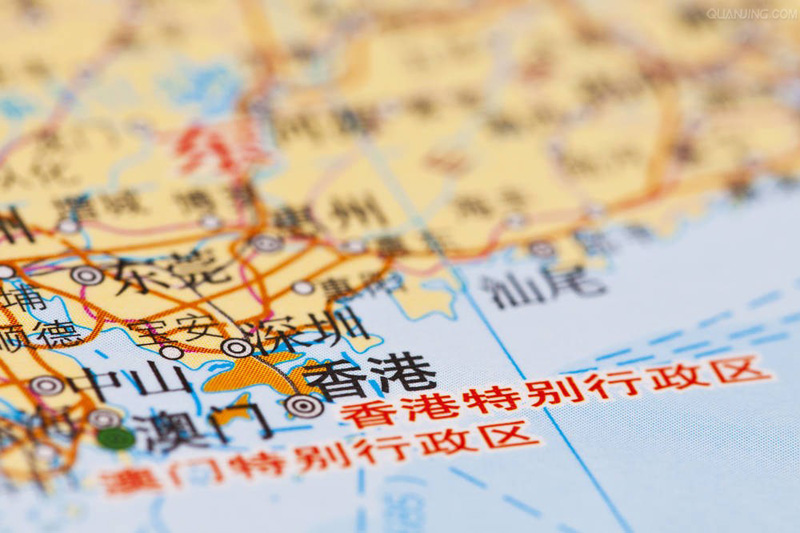
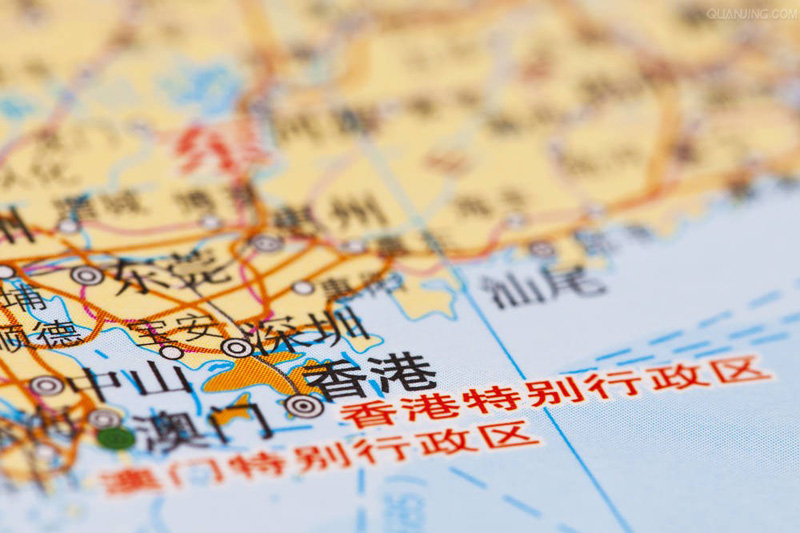 Author: Yang Qiurong, Research Fellow, Center for Hong Kong and Macao Studies
Editor’s Note: Integrating into the Guangdong-Hong Kong-Macao Bay Area and deepening the cooperation with other cities in the Bay Area will boost Hong Kong’s economy.
City clusters are a critical platform enhancing the national competitiveness and regional influence. New York, Tokyo and London are influential cities in the world primarily because of their competitiveness and influence. Integrating into the Guangdong-Hong Kong-Macao city cluster will effectively alleviate risks and challenges troubling Hong Kong today, such as economic imbalance and the lack of innovation. Since the economic exchanges and trade between Mainland China and the rest of world is increasingly closer and the Guangdong-Hong Kong-Macao Bay Area provides a new chance to reposition its function, Hong Kong should leverage on its unique and inherent advantages.
How can Hong Kong effectively integrate into the Guangdong-Hong Kong-Macao Bay Area? Firstly, Hong Kong should capitalize on its advantage in international resources to promote economic opening-up and reasonable industrial distribution within the Guangdong-Hong Kong-Macao Bay Area. Hong Kong should also coordinate with other cities in the Bay Area and conduct innovation in cross-border finance so as to advocate the coordinated development of the Guangdong-Hong Kong-Macao financial sector. Moreover, Hong Kong should strengthen its role as a super-connector in terms of science, technology, logistics, and capital to improve the innovation system of the Bay Area. Hong Kong should, in addition, leverage on its high-end professional services which will be beneficial for the internationalization of enterprises in the Bay Area.
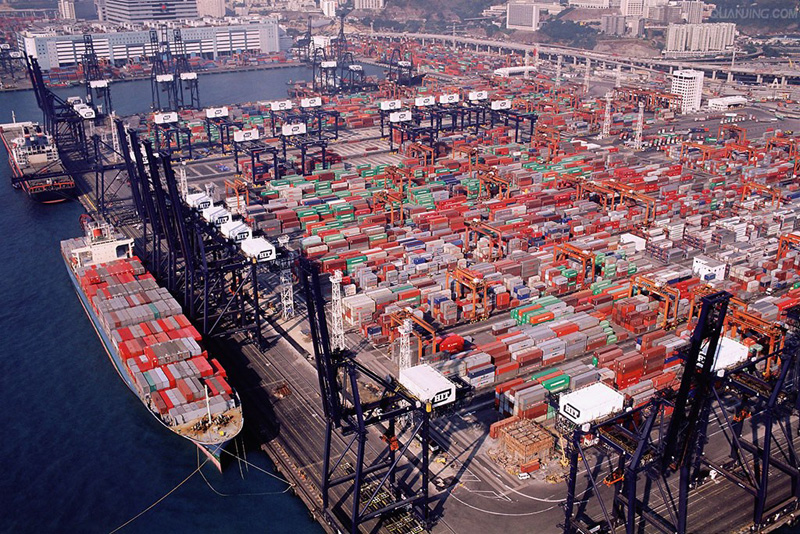
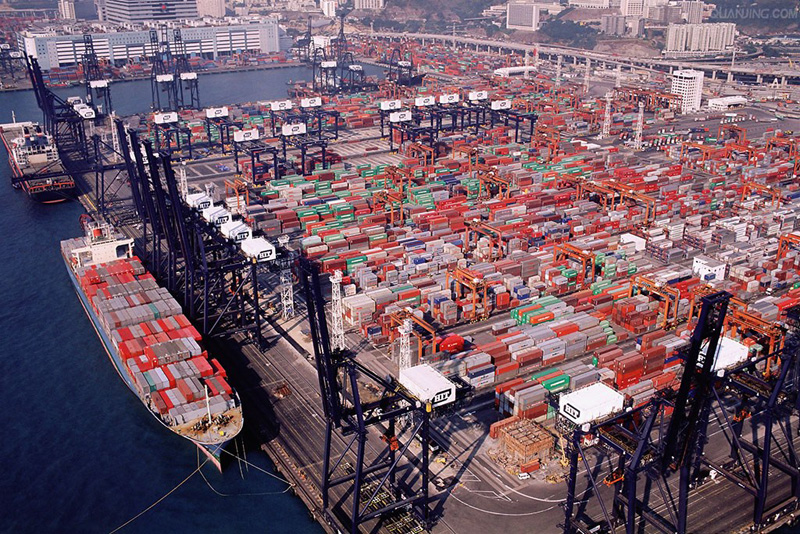 Author: Xie Laifeng, Research Assistant, Center for Hong Kong and Macao Studies
Editor’s Note: Hong Kong has always maintained strong investment and trade relations with the countries of Southeast Asia. Thus, the region is paramount to Hong Kong's participation in the “Belt and Road” initiative. Hong Kong should therefore maximize its inherent advantages and deepen its cooperation with Southeast Asia in a range of fields such as finance, professional services, free trade zones and cultural exchanges.
Hong Kong possesses distinct advantages as the critical maritime hub linking China with the rest of the world. Southeast Asian countries are major trading partners with Hong Kong in terms of commercial services, real estate, finance, manufacturing, and insurance; among Hong Kong's top ten trading partners in 2016, countries in Southeast Asia took up four spots and the summative value of trading with these nations made up more than 10% of the annual total. Hong Kong's exports to ASEAN countries climbed by 8.6% in 2016; in addition, 10% of all trade between the Chinese mainland and Southeast Asia goes through Hong Kong, and this figure is on the rise. Thus, Southeast Asia has a critical position in Hong Kong's foreign economy.
As an international finance and global asset management center, Hong Kong’s abundant high-quality capital, talent, and other resources can provide financing services for Chinese enterprises engaged in infrastructure development, industrial parks, investment, and other capital projects in Southeast Asia. In addition, Hong Kong has garnered global recognition and approval in areas such as law and international arbitration, which are likely to be beneficial for a range of “Belt and Road” projects Southeast Asia.
Hong Kong should deepen its collaboration with Southeast Asia in four principal areas. Initially, Hong Kong should fully capitalize on its advantages in the fields of finance and investment and strive to establish branches of the Asia Investment Bank and Silk Road Fund in order to provide financing for “Belt and Road” projects. Hong Kong should also combine its strengths in professional services with the technical prowess of mainland enterprises to facilitate overseas infrastructure construction and the development of industrial parks in order to jointly expand overseas markets. Hong Kong should, in addition, take advantage of its strengths as a free port, and actively participate in the Regional Comprehensive Economic Partnership (RCEP) in order to cement its key role in the Chinese-Southeast Asian trade network. Finally, Hong Kong should leverage on its geographical proximity to and cultural similarities with Southeast Asia to reinforce its human-level exchanges with the region.
 Author: Zhang Guoping, Postdoctoral Researcher, CDI
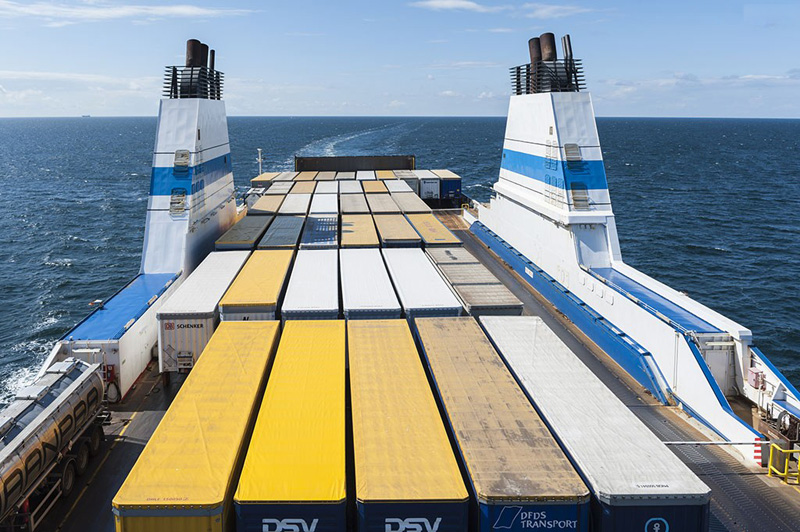
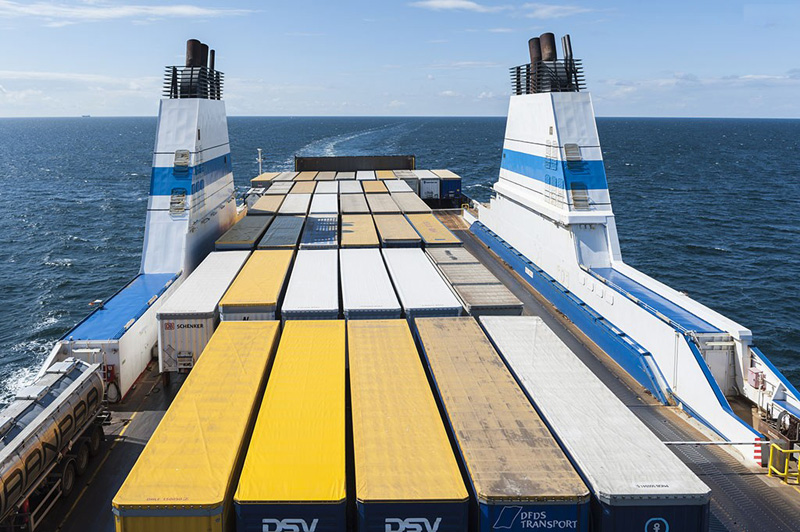
Editor’s Note: The proposal of the Amber Route has clearly defined the potential of complementary industries in the future between China and the Nordic countries, and will expand and deepen economic and trade cooperation between China and the Nordic and Arctic region.
Arctic region has weak infrastructure but the enormous potential needs. The construction of Arctic transport will bring the world a more efficient transportation system, and substantial increase for local economic opportunities. The "Belt and Road" initiative has brought a large amount of investment to infrastructure in Nordic and Arctic region. For example, the Silk Road Fund, with a $40 billion investment, has bought 9.9% shares of the Yamal liquefied natural gas project that is worth $27 billion. Meanwhile, three-dimensional traffic pattern project of Finland has begun to form through the "Belt and Road" initiative. The freight trains from China, Zhengzhou (or Xi'an) to Kouvola will be opened which will bring a new branch to the China-Europe freight train service. COSCO has also designed and built a world leading general cargo vessel to regularly sail northward and berth in Finland. In aviation, Finland Airlines currently operates six direct flights to China.
In terms of bilateral economic and trade cooperation, Nordic countries, with a range of traditional competitive industries such as shipping, agriculture, paper making and marine fishery, agree and complement with China that raises requirements in emerging industry development. Emerging advantage areas including green energy, high-end precision instruments, environmental protection, health care and creative design also attract Chinese capital to northern Europe. At present, small and medium-sized enterprises (SMEs) are the main forces in Nordic developed countries to absorb social employment and promote technological innovation, with strong technical superiority and innovative ability. These enterprises are lack of funds and markets in exploiting the overseas market while China's capital and markets just make up such demands. By encouraging China’s financial institutions and environmental technology, bio-pharmaceutical enterprises to issue bonds and test venture investment in Nordic countries, we may explore and promote the SME Development Fund to provide financing, market information sharing and other facilities for SME cooperation between the countries, and give play to the role of Silk Road Fund.

 Author: Zhang Guoping, Postdoctoral Researcher, CDI
Editor’s Note: Britain's participation in the "Belt and Road" Initiative is an important opportunity to open the Chinese domestic market and third country markets. China and Britain are highly complementary in trade structure. By strengthening the docking of development strategies, and promoting mutually beneficial cooperation in trade, investment, finance and energy, they may lay a solid foundation for the "Belt and Road” cooperation.
The "Belt and Road” initiative will create massive RMB denominated assets in overseas areas, and promote the internationalization of RMB. The huge financing requirements for projects along the lines will prompt the issuance of offshore market dim-sum bonds and other types of bonds. London can provide diversified international investors for Chinese enterprises and customers, actively involve global capital markets in the process, and connect capital pools of different currencies, so as to establish a sustainable financing mechanism for the offshore market. For instance, China’s policy banks and international multilateral development agencies may take advantage of offshore markets such as London, and increase issuance of long-term bonds related to the "Belt and Road", to improve the yield curve, expand the development of the secondary offshore bond market, and improve the “Belt and Road’s" long-term financing mechanism.
In terms of Britain, the Northern Economic Growth Area strategy can completely dock the "Belt and Road” initiative, to share China’s capital, infrastructure construction technology and experience, and realize in-depth complementation between the two countries with regards to cooperation and investment. Northern England has become increasingly important to the economy of the entire UK. Many large multinational groups are investing for development there. It will quickly become a global innovation enterprise investment center. China's development path and infrastructure experience may provide high-speed rail technology and finance, and stimulate Northern England’s economic vitality.
In the field of cooperation with a third country, British companies may complement their Chinese counterparts with technological advantages on international infrastructure projects. They may also carry out international cooperation in project management, financing, design, planning and environmental protection. Britain could serve as a support point at the western end of the "Belt and Road" with its expertise in professional services. The advantages of engineering design and consulting, financial services, and legal services will provide significant opportunities for the United Kingdom’s professional services to participate in the infrastructure projects.
Following Brexit, Britain’s export situation has worsened. Accelerating the development and operation of China-Europe freight trains, and strengthening Britain's engagement with other global trading partners, will help British products to go global.