Innovative, Objective, Practical


Date: July 20, 2025
In the first half of 2025, China faced growing external turbulence alongside interwoven domestic challenges. Despite these pressures, the economy demonstrated overall stability and continued progress in high-quality development. Tariff tensions eased following May’s negotiations in Switzerland, reducing potential impacts on export sectors. Coupled with domestic policy support, economic activity showed signs of recovery, though challenges persisted. Moving forward, policy implementation acceleration is needed to enhance multiplier effects, while domestic demand to be expanded by leveraging people’s aspirations for a better life.
The Economy Operated with Overall Stability.
In H1 2025, GDP grew 5.3% y/y at constant prices, 5.4% in Q1 and 5.2% in Q2. Value-added output rose across primary, secondary, and tertiary industries in Q2. Service industry remained a key growth engine, expanding 5.5% y/y in H1, with information transmission, software, and IT services leading at 11.1% growth. June’s Manufacturing Production Index and New Orders Index both increased m/m, signaling accelerated output and improved demand.
Tariff Tensions Disrupted Export Trends.
H1 goods exports rose 7.2% y/y in RMB terms, up 0.3 pp from Q1 and exceeding 2024’s performance, mostly due to 2024’s low base and tariff war effects. Following May’s Sino-U.S. tariff reductions, the y/y decline in U.S.-bound exports narrowed from -34.5% in May to -16.1% in June. Meanwhile, China maintained robust export growth to re-export hubs in June. Exports to ASEAN and Hong Kong SAR accelerated m/m. With pent-up U.S. orders fulfilled and given increased scrutiny of re-exports in U.S. trade agreements, future exports could face pressure.
Industrial Output Growth Accelerated Y/Y.
H1 industrial value-added for enterprises above the designated size rose 6.4% y/y, 0.6 pp higher than full-year 2024. Q1 and Q2 saw 6.5% and 6.3% growth respectively. Key drivers included: expanded large-scale equipment upgrade and consumer goods trade-in programs releasing domestic demand; and digital, smart and green transition in industrial development, notably digital product manufacturing went up 9.9% y/y, outpacing industrial averages for 23 straight months.
Investment Growth Decelerated Y/Y.
H1 fixed-asset investment grew 2.8% y/y, down 0.9 pp Jan–May. By sector, infrastructure went up 4.6% y/y (down 1.0 pp Jan–May), manufacturing up 7.5% y/y (down 1.0 pp Jan–May), real estate down 11.2% y/y (down 0.5 pp Jan–May) reflecting persistent stabilization pressures. While large-scale equipment upgrade and consumer goods trade-in programs continued to drive strong growth in high-end, smart, and green manufacturing, investment growth slowed post-acceleration across all three sectors.
Trade-in Policy Accelerates Consumption.
Driven by a series of policies aimed at promoting consumption, domestic demand continued to increase. H1 retail sales rose 5.0% y/y, up 0.4 pp from Q1 and continuing quarterly acceleration since Q3 2024. June sales grew 4.8% y/y, down 1.6 pp m/m. The implementation and optimization of consumer goods trade-in program boosted goods and services consumption, demonstrating strong momentum. H1 service retail picked up pace and rose 5.3% y/y, up 0.3 pp compared to Q1. Policy sustainability and consumption impacts warrant monitoring.
Pushing Prices Toward Higher Levels.
H1 CPI averaged -0.1% y/y, unchanged from Q1. Monthly volatility stemmed from Chinese New Year timing seen in CPI increased 0.5% in January, then decreased 0.7% in February. March–May CPI decline narrowed to -0.1%, before turning positive in June (up 0.1% y/y) due to international commodity price fluctuations and domestic consumer demand stimulus policies. The narrowing decline in food prices and the expanding growth in service prices are the main contributors to Q2’s improvement. H1 PPI fell 2.8% y/y, continuing its downward trend pressured by seasonal drops in prices across certain domestic raw material manufacturing industries, lower energy prices driven by increased solar, wind and hydropower generation, and price pressures faced by some export-led sectors.
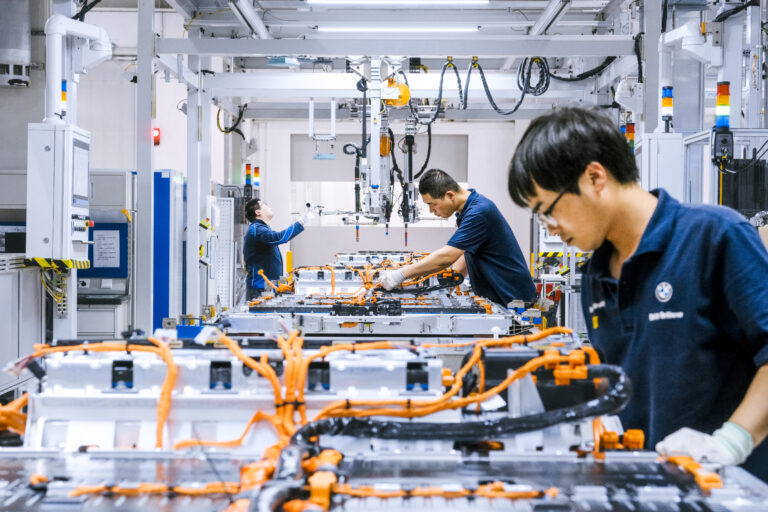
Image source: IE Insights (2022). https://www.ie.edu/insights/articles/our-urban-life-in-2022/


Date: March 20, 2025
Following the Spring Festival, economy regained momentum in February as businesses resumed operations, accelerating production and commercial activity. Key indicators such as the Manufacturing Purchasing Managers’ Index (PMI), Non-Manufacturing Business Activity Index, and Composite PMI Output Index all rebounded month-on-month, remaining in expansionary territory. While these figures signal a tentative recovery from earlier lows, sustaining growth will demand stronger policy reinforcement and expedited implementation.
Economic Recovery Shows Marginal Improvement from Low Levels
In February, the Composite PMI Output Index rose by 1.0 percentage points from the previous month to 51.1%, returning to expansion territory. The Manufacturing PMI, up 1.1 percentage points to 50.2%, emerged as the primary growth driver. A breakdown of the index shows that both production and demand within the manufacturing sector improved, with the Production Index and New Orders Index rising by 2.7 and 1.9 percentage points, respectively, to 52.5% and 51.1%. Both indices entered expansion territory, indicating a notable improvement in manufacturing supply and demand. This resurgence bolstered corporate confidence, pushing the Purchasing Volume Index up by 2.9 percentage points to 52.1%. On the non-manufacturing side, the Non-Manufacturing Business Activity Index edged up 0.2 percentage points to 50.4% in February.
Export Disruptions Due to Tariffs and "Front-Loading"
From January to February, Merchandise exports grew 3.4% year-on-year, though this was a slight moderation compared to full-year 2024 and December figures. Trade with the U.S. expanded at a slower pace, with exports rising 2.9% year-on-year—5.1 percentage points lower than in December 2024—partly reflecting adjustments to U.S. tariff hikes. Meanwhile, shipments of products that retain a competitive edge under current tariff conditions, such as smartphones and laptops, saw a boost, possibly as exporters sought to stay ahead of potential U.S. trade restrictions. However, taking into account two fewer working days in January-February 2025 compared to the same period in 2024, the year-on-year export growth rate would have been higher if measured on a per-working-day basis.
New Growth Drivers Accelerate Industrial Expansion
Industrial output from large-scale enterprises grew 5.9% year-on-year in January-February, extending the robust momentum seen since Q4 2024. The pace edged up 0.2 and 0.1 percentage points from the fourth quarter and full year of 2024, respectively. Externally, export momentum sustained industrial expansion, with export delivery values rising 6.2% year-on-year—1.1 percentage points faster than 2024’s annual rate. Domestically, policies such as large-scale equipment upgrades and consumer trade-in programs, expanded in 2025, spurred industrial modernization and unlocked consumption potential, further driving growth. On the supply side, equipment manufacturing and high-tech industries led the charge, with rapid growth continuing to optimize the industrial structure.
"Two Major" Projects Fuel Investment Growth
In January and February, investment increased by 4.1% year-on-year, up by 0.9 percentage points compared to the whole of last year. First, support for "Two Major" projects (advancing national strategic initiatives and enhancing key security capabilities) has strengthened, with physical work volumes picking up, driving a faster growth in infrastructure investment. Infrastructure investment rose by 5.6% year-on-year in January and February, accelerating by 1.2 percentage points from 2024, contributing 1.1 percentage points to overall investment growth. The "Two New" policies (promoting large-scale equipment upgrades and consumer goods trade-ins) have been further expanded, with their effects becoming increasingly evident, spurring rapid growth in equipment investment. Second, progress in the high-quality development of key industrial chains is solid, with the transformation of traditional industries accelerating, leading to strong growth in manufacturing investment. Third, real estate policies have mitigated the decline in investment, showing early signs of stabilization.
Trade-In Programs and Green Consumption Boost Retail Sales
In January and February, retail sales grew by 4.0% year-on-year, with goods retail increasing by 3.9% and catering revenue rising by 4.3%. The growth in consumer spending was driven by the expansion of trade-in policies, which quickly unlocked demand for appliances and electronics. Meanwhile, the increasing focus on green and health-conscious products fueled strong growth in the eco-friendly and wellness sectors. Additionally, a surge in travel and leisure activities led to a rapid increase in spending on transportation, accommodation, and related services, highlighting a broader recovery in consumption.
Efforts Needed to Stimulate a Balanced Price Recovery
In February, China’s Consumer Price Index (CPI) fell 0.2% month-on-month and 0.7% year-on-year, reflecting the combined impact of Chinese New Year timing, holiday effects, and volatile global commodity prices. The year-on-year decline was primarily driven by a high base effect: food and service prices surged during February 2024’s holiday period, inflating the comparison base and putting downward pressure on this year’s figure. Food prices dropped 3.3% year-on-year, accounting for over 80% of the CPI decline (contributing 0.6 percentage points to the total 0.7% drop). This sharp contraction in food costs—the largest drag on prices—tipped the CPI into deflationary territory. Meanwhile, the Producer Price Index (PPI) continued to decline due to seasonal industrial sluggishness and softer global commodity prices. However, both month-on-month and year-on-year PPI decreases narrowed by 0.1 percentage points, signaling easing deflationary pressures.


Date: Feb 20, 2025
In January, due to the Spring Festival holiday and seasonal factors, industrial production entered an off-season, with the Producer Price Index (PPI) declining month-on-month. However, service and food prices rose significantly affected by the timing of the holiday, along with a rebound in gasoline prices, collectively driving an expansion in the Consumer Price Index (CPI) year-on-year growth. Overall, despite signs of moderation, economic activity remains on a positive trajectory, underscoring the need to expedite the implementation of supportive measures
Economic Growth Moderates, but Certain Sectors Gain Momentum
In January, the Composite Purchasing Managers’ Index fell by 2.1 percentage points month-on-month to 50.1%, reflecting impacts from the Spring Festival holiday and the return of employees to their hometowns. This indicates a broad-based slowdown, though overall economic expansion persists. Driven by the Spring Festival effect, sectors related to residents' travel and consumption—such as road transportation, accommodation, catering, ecological protection, and public facility management—saw their Business Activity Indexes rebound into expansionary territory, signaling greater market vitality. Meanwhile, sectors including air transport, postal services, telecommunications, broadcasting, satellite transmission, and monetary financial services maintained robust Business Activity Indexes above 55.0%, sustaining rapid growth in output.
Surge in Aggregate Social Financing
In January, total social financing increased by 7.06 trillion yuan, up by 586.6 billion yuan compared to the same period last year. Financial institutions issued 5.13 trillion yuan in new RMB loans (including loans to non-bank financial institutions), a year-on-year increase of 210 billion yuan. Structurally, the surge was driven by government bonds and corporate financing, while household borrowing remained weak. Corporate financing hit record highs, with medium- and long-term loans growing further despite a high base. The demand for household short-term loans remained low, likely due to the timing of the Spring Festival. Additionally, the reduced demand for business loans to refinance existing mortgages, following cuts in mortgage rates, weighed on medium- to long-term business loans.
Property Market Prices See Divergent Trends
In January, housing prices in first-tier cities continued to rise month-on-month, whereas second- and third-tier cities saw slight declines, reflecting a clear divergence in trends. Specifically, new home prices in first-tier cities increased by 0.1% month-on-month, though the rate of growth slowed by 0.1 percentage point compared to December. In second-tier cities, new home prices rose by 0.1%, marking the first increase since June 2023, while third-tier cities saw a 0.2% decline. For existing homes, first-tier prices edged up by 0.1%, a 0.2 percentage point slowdown from December, second-tier prices dropped by 0.3%, and third-tier prices fell by 0.4%. Year-on-year, price declines narrowed across all city tiers, suggesting gradual stabilization.
Core Consumption Recovery Emerges as Economic Stabilizer
In January, industrial production remained subdued due to the holiday, with the PPI falling by 0.2% month-on-month and 2.3% year-on-year—unchanged from the previous month's annual decline. Prices in non-ferrous metal mining and processing saw significant increases, while ferrous metal smelting, coal mining, and related industries accounted for nearly 90% of the PPI’s annual decline, contributing 2.11 percentage points. The CPI, however, expanded year-on-year, fueled by holiday-driven service and food price surges along with higher gasoline prices. Notably, the core CPI (excluding food and energy) rose for the fourth consecutive month, climbing 0.5% month-on-month and 0.6% year-on-year, with both growth rates accelerating from December.


Date: Jan 20, 2025
Despite external pressures and domestic challenges, China's economy exhibited stability and steady progress in 2024. Targeted incremental policies boosted confidence and facilitated a strong recovery. Export growth decelerated in the first three quarters owing to diminished global demand, although industrial supply chains remained resilient. In Q4, an increase in "front-loading exports" stimulated manufacturing growth, whereas large-scale equipment upgrades and consumer goods trade-in programs maintained ongoing demand and investment in manufacturing. Existing policies, together with new stimulus measures, have spurred local infrastructure investment, though further improvements are required. The recovery in the real estate sector remains sluggish, and its economic contribution has not yet improved.
Overall Economic Stability with Continued Growth.
In 2024, China’s GDP increased by 5.0% at constant prices, with quarterly growth rates of 5.3% in Q1, 4.7% in Q2, 4.6% in Q3, and 5.4% in Q4, indicating a stable upward trend. From Q4 onwards, sustained policy impacts significantly enhanced market expectations and confidence, resulting in positive shifts in both the capital and real estate markets. The service sector grew by 5.8% year-on-year in Q4, an increase of 1.0 percentage point from Q3. The stock market surged, with trading volumes in the Shanghai and Shenzhen markets rising by 126.4% and 124.4% year-on-year respectively, significantly outperforming the first three quarters.
Exports See Consistent Growth.
In 2024, China’s goods exports increased by 7.1%, indicating a rise of 6.5 percentage points from the previous year, significantly contributing to economic growth. In Q4, "front-loading exports" surged, and strong consumption demand in Europe and the U.S. stimulated a resurgence in export growth. In December, exports rose 10.9% year-on-year, representing an increase of 4.0 percentage points from the previous month. The U.S. remained the primary driver of growth, whereas exports to ASEAN increased by 18.9%. Products sensitive to U.S. tariffs, such as automobiles, machinery, auto parts, and textile yarns, saw notable growth. Furthermore, Chinese industrial goods gained global competitiveness, further accelerating export growth.
Manufacturing Fuels Industry Resilience.
In 2024, China’s large-scale industrial enterprises exhibited stable growth, with value-added industrial output rising by 5.8% year-on-year, reflecting a 1.2 percentage point acceleration from the previous year. Manufacturing played a central role, rising by 6.1%, whereas mining and utilities grew by 3.1% and 5.3%, respectively. Policy support continued to advance the manufacturing sector toward higher-end development, with equipment manufacturing increasing by 7.7% and high-tech manufacturing by 8.9%, both exceeding overall industrial growth.
Investment Growth Accelerates with Policy Support.
Fixed asset investment increased by 3.2% in 2024, up 0.2 percentage points over the previous year. Backed by ultra-long-term special government bonds and local government special bonds, major infrastructure projects advanced rapidly, boosting infrastructure investment by 4.4%. Manufacturing investment increased by 9.2%, indicating the sector’s shift toward high-end and advanced industries. Investment in high-tech manufacturing and services grew by 7.0% and 10.2%, respectively. In Q4, targeted policy measures contributed to the stabilization of the real estate market, easing the decline in new home sales and driving the growth in the real estate production index for three consecutive months.
Consumption Growth Requires Further Stimulus.
In 2024, retail sales of consumer goods increased by 3.5%, accelerating in Q3 and Q4, but still below the previous year’s pace. Retail sales of goods rose by 3.2%, whereas dining revenue increased by 5.3%, both below the previous year’s growth rates. Sales at large brick-and-mortar retailers rose by 1.9%, with new retail formats performing well. Policies promoting trade-ins for consumer goods resulted in stronger sales in key categories, including home appliances and audiovisual equipment, which maintained double-digit growth for four consecutive months. Auto and furniture sales returned to positive growth, whereas demand for construction and home improvement materials showed signs of recovery.
Stabilizing Prices and Easing Declines.
In 2024, the Producer Price Index (PPI) decreased by 2.2% year-on-year, narrowing its decline by 0.8 percentage points compared to the previous year. From January to July, the PPI decreased from -2.5% in January to -0.8% in July, driven by rising international crude oil and non-ferrous metal prices, a recovering domestic production sector, and a low base effect. However, in August, a dip in global commodity prices led to a 0.7% month-on-month loss, widening its year-on-year decline. Since September, the impact of policy measures and recovering industrial demand has slowed the PPI's monthly decline, with the index turning positive in November and the year-on-year decrease steadily shrinking.
Date: December 20, 2024
In November, the combined effects of macroeconomic policies became more evident. The acceleration of export growth boosted industrial chains, while policies promoting large-scale equipment upgrades and consumer goods trade-ins bolstered manufacturing demand and investment. Infrastructure investment, though slightly decelerating, demonstrated resilience due to the effective execution of existing policies and the accelerated implementation of new measures. Concurrently, strengthened real estate support policies increased transaction volumes; nonetheless, achieving full stabilization requires further recovery in income expectations on the demand side. On the whole, macroeconomic policies are yielding tangible benefits, with key sectors exhibiting promising signs of recovery.
Economic Expansion Gains Further Momentum
In November, the Composite PMI Output Index remained steady at 50.8%, indicating sustained economic growth. The Manufacturing PMI increased to 50.3%, with the Production Index and New Orders Index rising to 52.4% and 50.8%, respectively. Notably, new orders returned to growth for the first time since May, indicating increased demand and market activity. However, the non-manufacturing sector saw mounting pressure as the Business Activity Index dipped to 50.0%. Service output growth moderated slightly to 6.1% year-on-year, down 0.2 percentage points from October.
Exports Remain Stable Amid Fluctuations
From January to November, goods exports increased by 6.7% year-on-year, aligning with the January–October growth rate, indicating strong overall resilience. While November's growth rate decreased by 6 percentage points to 6.7%, it remained among the highest levels this year. Key drivers were front-loading effects and sustained strong demand from the U.S. and ASEAN markets, with U.S. exports surpassing those to Europe. Holiday demand for toys and communication equipment notably enhanced U.S. export growth. However, the EU’s tariffs on electric vehicles tempered gains in the automotive supply chain.
Manufacturing Drives Steady Industrial Growth
From January to November, large-scale industrial output increased 5.8% year-on-year, with November seeing an acceleration of 5.4%. Manufacturing increased by 6.0%, marking its third consecutive month of growth and solidifying its position as the primary driver. Conversely, mining and utilities experienced a slight slowdown from the previous month. Policies promoting new technologies and emerging industries stimulated rapid growth in shipbuilding, smart consumer devices, and lithium battery production. Incentives for new energy vehicles and home appliance upgrades further boosted output. In November, export delivery value increased 7.4% year-on-year, representing the highest monthly growth since August 2022 and providing a strong boost to industrial chains.
Investment Growth Eases Slightly Despite Policy Support
Investment increased 3.3% year-on-year from January to November, with monthly growth decelerating to 2.4% in November. Infrastructure investment slightly decelerated to 4.2%, whereas manufacturing investment maintained a strong pace of 9.3%. Real estate investment declined further to -11.5%, but property sales recorded positive monthly growth for the first time since April 2023, increasing developers' funding sources. Transportation and storage investment declined sharply, whereas gains in power and water infrastructure provided significant support.
Multiple Measures to Bolster and Sustain Consumption Growth
Consumption continued to recover steadily as policies such as trade-ins for new products further stimulated consumer demand, resulting in strong sales across most categories. From January to November, retail sales increased 3.5% year-on-year, maintaining the same pace as the previous period. In November, retail sales grew 3.0%, seeing a slight moderation attributed to early "Double 11" promotions and a strong comparison base from last year. Policies promoting product upgrades led to significant growth in auto and furniture sales, which increased by 6.6% and 10.5%, respectively. Construction and renovation materials saw a resurgence, recording a 2.9% increase. Service-related retail sales also sustained a robust upward trend under the influence of various consumption-boosting measures.
Domestic Prices Gradually Return to Stable Levels
In November, coordinated policies boosted industrial recovery, resulting in a shift in the Producer Price Index from decline to slight monthly growth, reducing its year-on-year shrinkage by 0.4 percentage points. Prices in key sectors, including petroleum extraction, chemicals, and electricity, experienced minor reductions. On the Consumer Price Index (CPI) front, food prices dropped 2.7% month-on-month, markedly above the seasonal average decline over the past decade, mainly attributable to abnormal weather that enhanced agricultural production and logistics. This resulted in a month-on-month decrease of 0.6% in the overall CPI. Non-food prices also fell by 0.1%, indicating weaker demand for travel during the off-season. The decrease in food prices contributed to a moderation in the year-on-year CPI increase, which eased to 1.0%.


Date: Nov 20, 2024
In October, the economy experienced a broad-based recovery from the previous month's lows. This improvement was supported by the latest round of macro policies and a favorable shift in export dynamics. Export growth surged due to timing discrepancies, which, in turn, energized the export-linked industries. The push for equipment upgrades and consumer goods trade-ins buoyed manufacturing demand and investment. Infrastructure investment gained momentum as existing policies took effect and new ones accelerated. Real estate saw a lift in transaction volume due to supportive policies, but a sustained recovery will require improving consumer income expectations. To sum up, policymaking is about trade-offs; fiscal expansion is often more effective than monetary expansion in combating economic downturns. It's imperative to swiftly address the bottlenecks in policy implementation and loosen the reins on individuals to boost the economy.
The economy shows a comprehensive improvement from its recent lows. Key economic activity indicators rose in October compared to September. The manufacturing PMI, non-manufacturing business activity index, and the composite PMI output index increased to 50.1%, 50.2%, and 50.8%, respectively, signaling a broad-based economic upturn. All five major sub-indices for the manufacturing sector increased, and the service sector's business activity index ticked up by 0.2 percentage points to 50.1%, propelling the non-manufacturing business activity index higher. Service production surged 6.3% year-on-year, a yearly peak. A stock market trading boom in October drove the financial sector's production index up by 3.7 points to 10.2%, its highest level this year and a key growth driver. This also contributed to a 5.0% year-on-year increase in the national service sector production index for the January–October period.
Shipping schedule shifts spurred faster export growth. The export growth rate for October surged by 9.6 percentage points to 11.2% compared to September. This momentum propelled the year-to-date export growth rate to 6.7% through the month. Bucking the trend of a typical October lull, this year brought a noteworthy 1.8% increase in exports from the previous month, primarily attributed to typhoon disruptions that postponed some of September's exports to October, resulting in an unexpected year-on-year growth. On a country-specific basis, the export growth rates to major destinations rebounded.
Exports and policies keep industrial growth steady. From January to October, the value-added output of industrial enterprises above designated size rose by 5.8% year-on-year, unchanged from the first nine months. The manufacturing and mining sectors saw a pickup in production, while the utilities sector's growth eased to 5.4%. A resurgence in domestic demand improved the sales-to-production ratio, while the value of exports rose by 3.7% year-on-year. Policies on equipment renewal and consumer goods took effect: car production swung from negative to positive, and the output of new energy vehicles reached a record high. Production of charging piles surged by 25.2%, and industries such as smart consumer devices, shipbuilding, and battery manufacturing have shown substantial value-added growth. The production volumes of agricultural processing, excavating machinery, packaging equipment, and home electric heating appliances have all sustained double-digit growth rates.
Policy efforts keep investment growth on an even keel. From January to October, investment climbed 3.4% year-on-year, matching the pace set during the first nine months. The monthly manufacturing investment growth rate hit 9.9% thanks to large-scale equipment renewals, innovation, and industrial upgrading. Industry-wise, investment accelerated in sectors such as other transportation equipment, non-ferrous metals, food manufacturing, and chemicals. Infrastructure investment also accelerated year-on-year to 4.3%, the first increase since March. The real estate market experienced increased transaction activity, with the year-on-year decline in new commercial housing sales area and sales volume for January to October easing by 1.3 and 1.8 percentage points, respectively, compared to the January–September period. However, such improvement has not yet fed into increased investment.
Policies gave a marginal boost to consumption growth. In October, programs such as consumer goods trade-ins and the "Double 11" shopping spree fueled the year-on-year growth in retail sales, which climbed to 4.8%, up from September. Commodity retail sales growth reached 5%, driven by accelerated sales in home appliances, audio-visual equipment, cultural and office supplies, furniture, and automobiles at retail units above a certain threshold. Necessity consumption remained stable, and discretionary consumption showed modest gains. Auto retail experienced significant recovery, and the real estate chain surged, with the decline in retail sales of building and decoration materials narrowing. As a series of stimulus policies are gradually implemented and service supply is optimized, combined with holiday buzz, service spending is on a fast track.
Active regulation is steering prices towards stability. International crude oil prices dipped due to geopolitical factors, which, in turn, lowered prices in China's oil-related industries. Nevertheless, new policies appear to have revived demand for certain industrial goods, helping to curb the Producer Price Index's (PPI) monthly slide, which shrank by 0.5 percentage points month-on-month. Equipment manufacturing saw price drops due to global economic shifts and domestic sales promotion, slightly widening the PPI's year-on-year decline by 0.1 percentage point. Consumer Price Index (CPI) gains were modest in October, ticking up 0.3% year-on-year, a sign of stable prices overall. Non-food prices declined further by 0.1 percentage points, reflecting market dynamics, while food prices eased back to a 2.9% gain but continued trending upward.
Receive regular updates on CDI events, activities, and projects. Subscribe below.

On July 15, 2026, Mr. James Fisher, Minister and Deputy Head of Mission at the Australian Embassy in Beijing, led an Australian delegation to CDI. Dr. Liu Guohong, President of CDI, received the delegation and shared insights on Shenzhen’s economic development. In the early days of reform and opening up, benefiting from the concentration of production factors and existing international benchmarks, Shenzhen's manufacturing and foreign trade flourished, and its economy entered a phase of rapid growth. In recent years, Shenzhen is steadily advancing the transformation of its industrial structure and entering a stage of development driven by technological innovation. In the future, Shenzhen will continue to play a leading and exemplary role in China’s economic development and transformation.
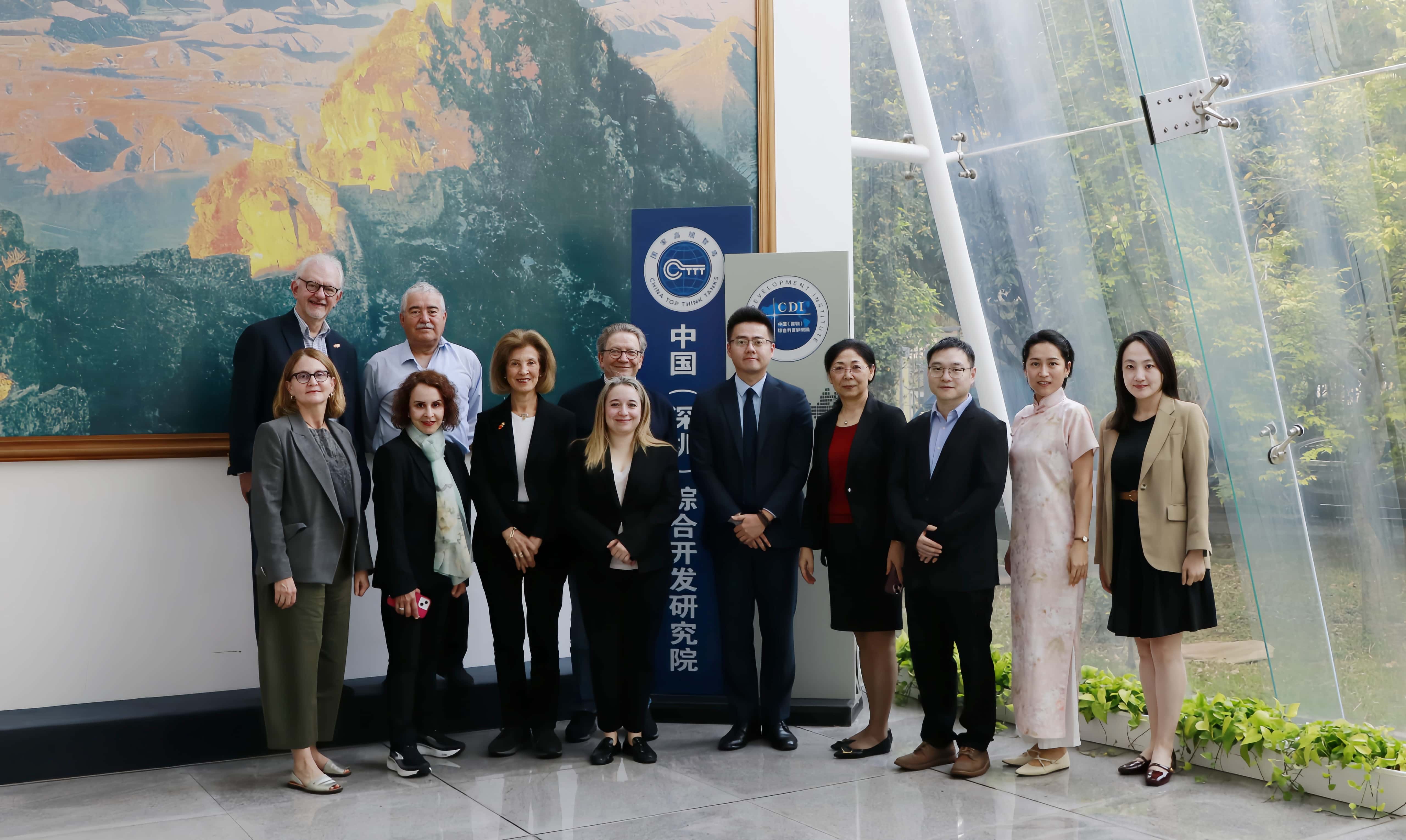
On March 25, 2026, a COMEXI delegation led by Director General Alejandra López de Alba Gómez visited CDI. Discussions centered on China’s economic growth, the development pathway and model of the Shenzhen Special Economic Zone, and Sino-Mexico economic relations against the current geoeconomic backdrop.The exchange offered a valuable window into how subnational innovation hubs can shape national development strategies. Both sides also explored potential synergies in trade, investment, and technology transfer, underscoring the mutual interest in deepening bilateral cooperation beyond traditional manufacturing linkages.

On March 25, 2026, a delegation from the Consulate General of India in Guangzhou, led by CG Mr. Gince Kuruvilla Mattam, visited CDI. Dr. Liu Guohong, President of CDI, provided insights on Guangdong’s economic development trends, industrial transformation, and future outlook. Both parties stressed the important role of academic and cultural exchange in deepening mutual trust and building bilateral economic relations. The discussions also explored concrete opportunities for collaboration in emerging sectors such as digital infrastructure and sustainable manufacturing, where both Guangdong and India possess significant growth potential.


Date: Dec 3, 2025
Bart van der Meer, Green Transition Counsellor at the European Union Delegation to China, visited CDI on December 3, 2025. CDI expert provided an overview of Shenzhen’s green and low-carbon economic development, including when and how the process began, and also the city’s current trends and the future outlook for environmental protection and its dual-carbon goals.
Date: Nov 10, 2025
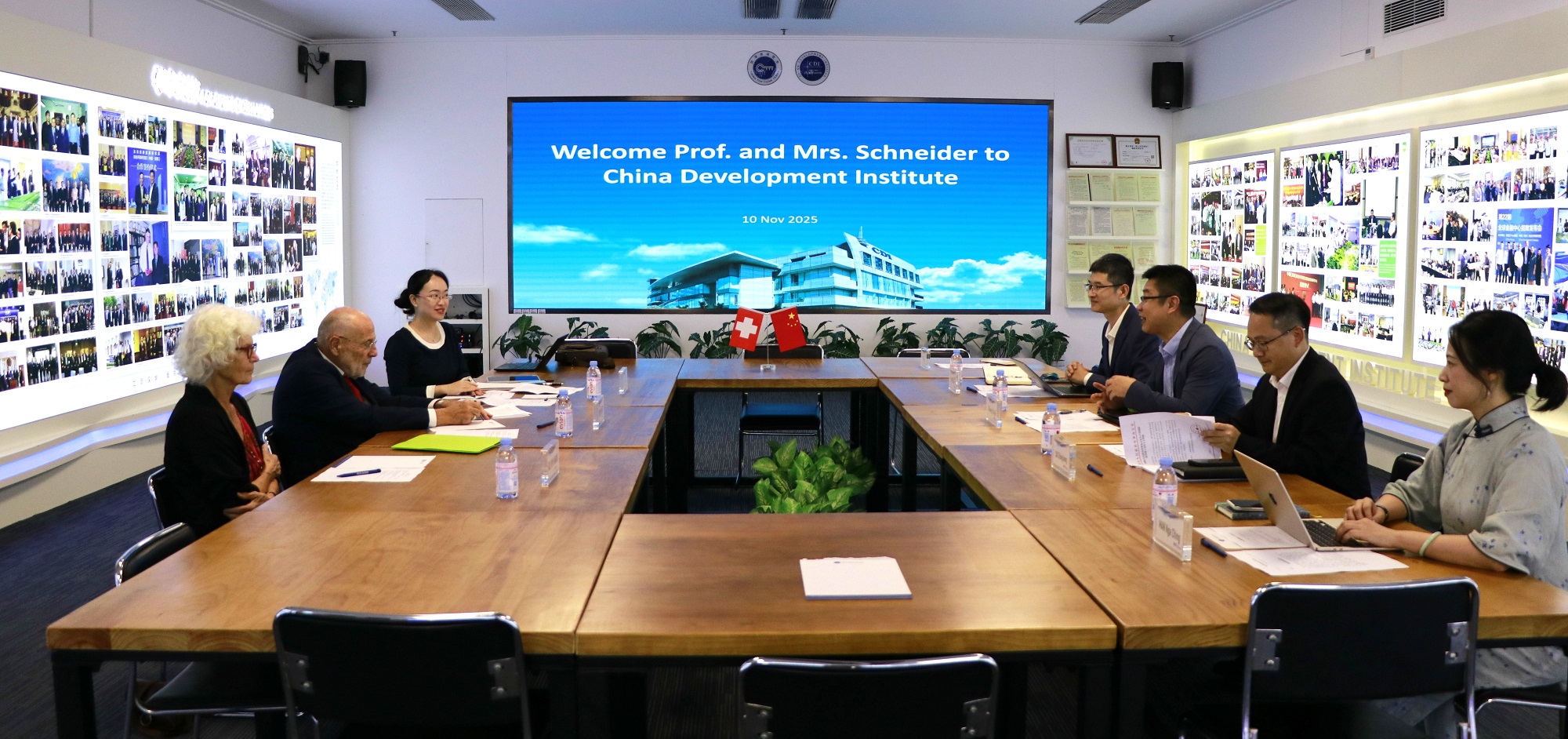
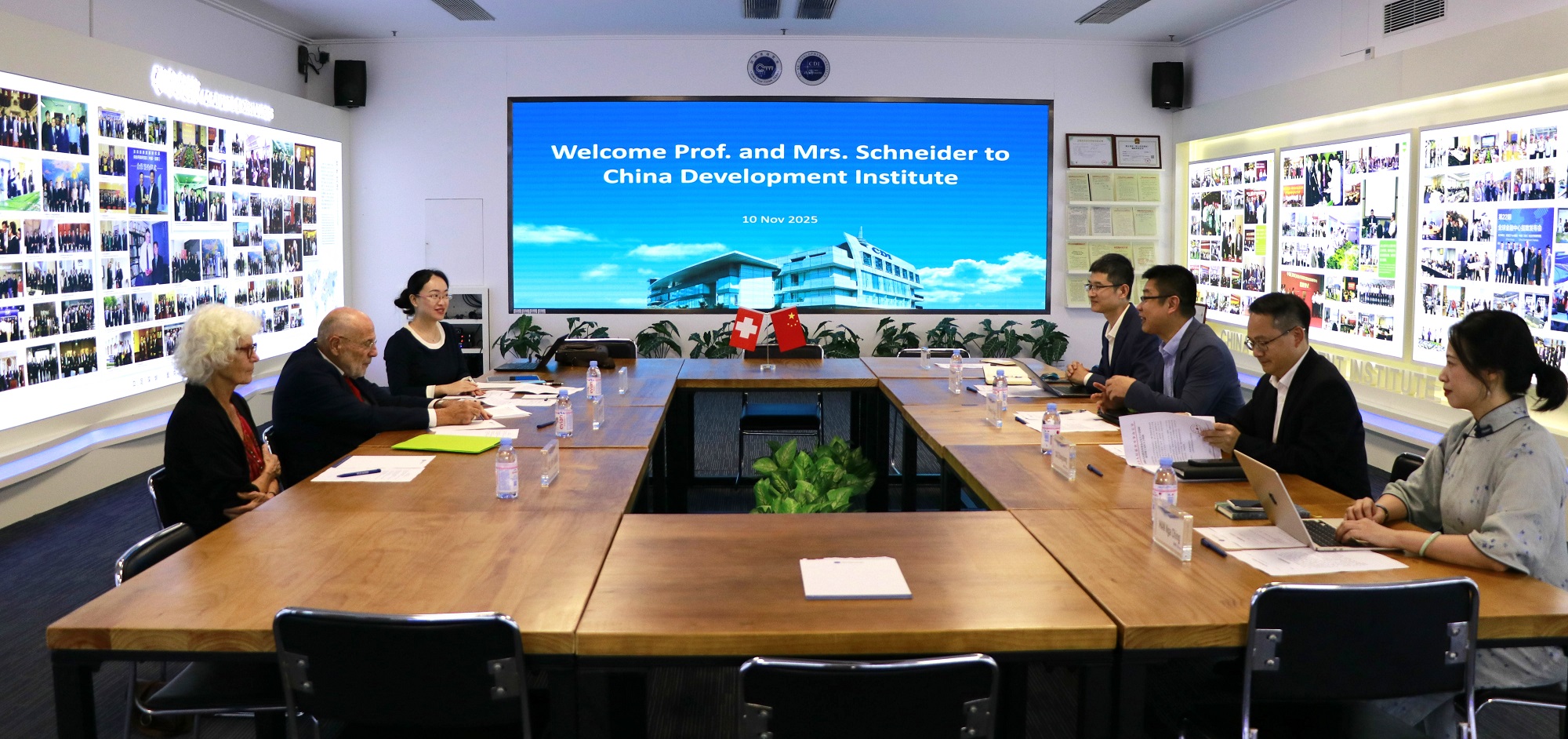
Beat Schneider, professor emeritus at Bern University of the Arts in Switzerland and an expert in China studies, visited CDI on November 10, 2025. Professor Schneider and CDI experts exchanged views on Shenzhen’s development history, its experience with reform and opening-up, ecological and nature conservation efforts, and its journey to becoming an internationally renowned city.
Date: May 26, 2025
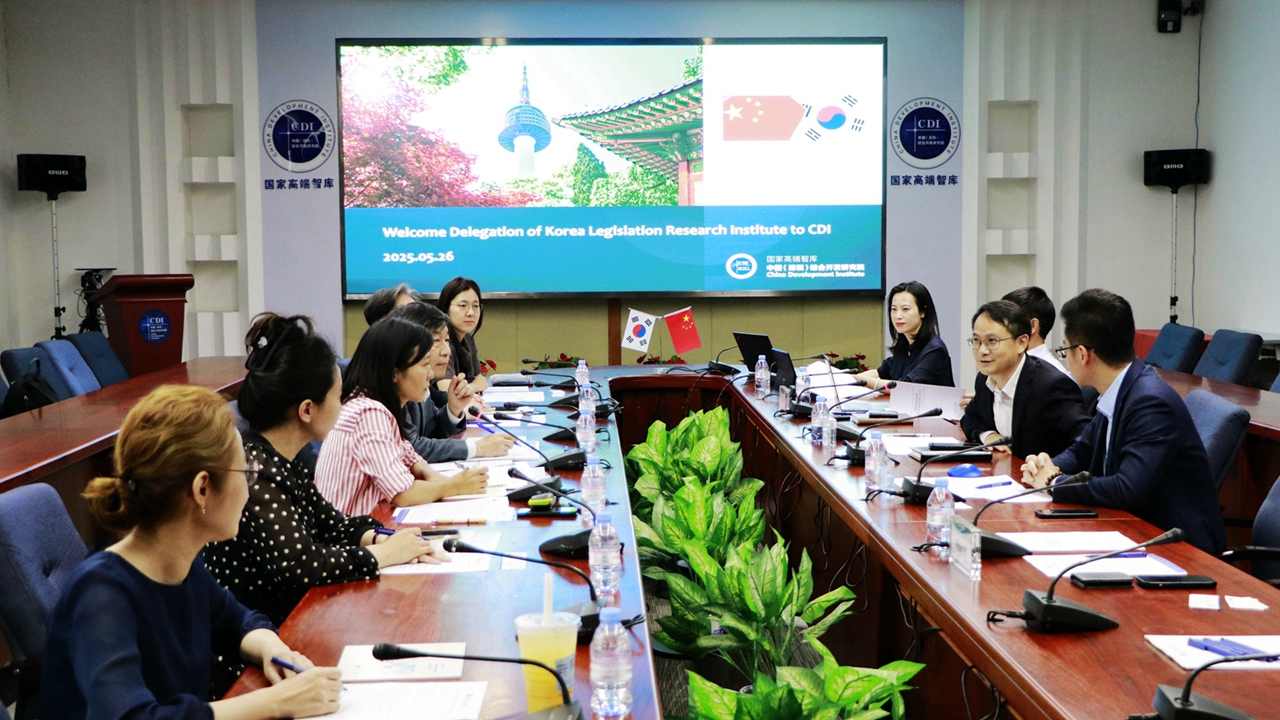
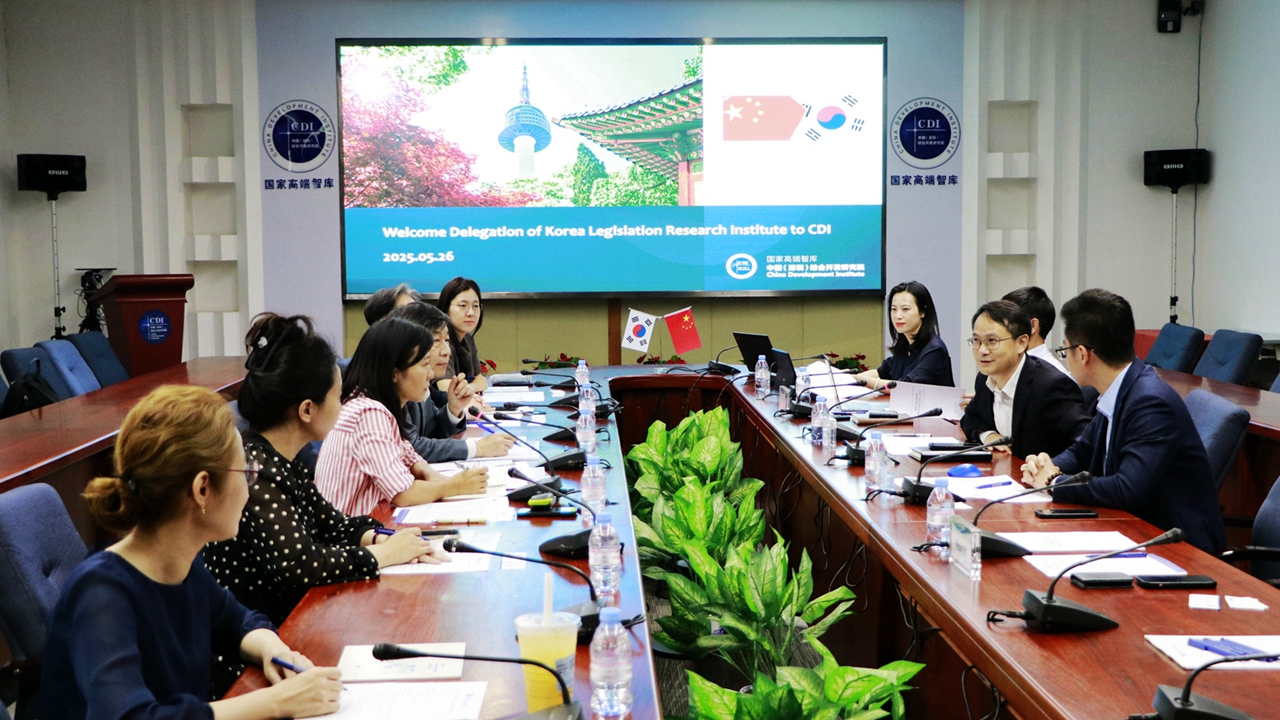
On May 26, 2025, Prof HAN Yeong-Soo President of Korea Legislation Research Institute led delegation to CDI. Discussion focused on how Guangdong-Hong Kong-Macao Greater Bay Area provided legislative support for science and technology research and innovation and explored legislation innovation amidst the quickly evolving economic landscape. CDI experts briefly introduced the development of Shenzhen Special Economic Zone as well as future prospects. Two sides also exchanged views on the development of public policy research think tanks in both China and South Korea.

Date: February 2, 2026
Author: Dr. LIU Guohong, President of CDI
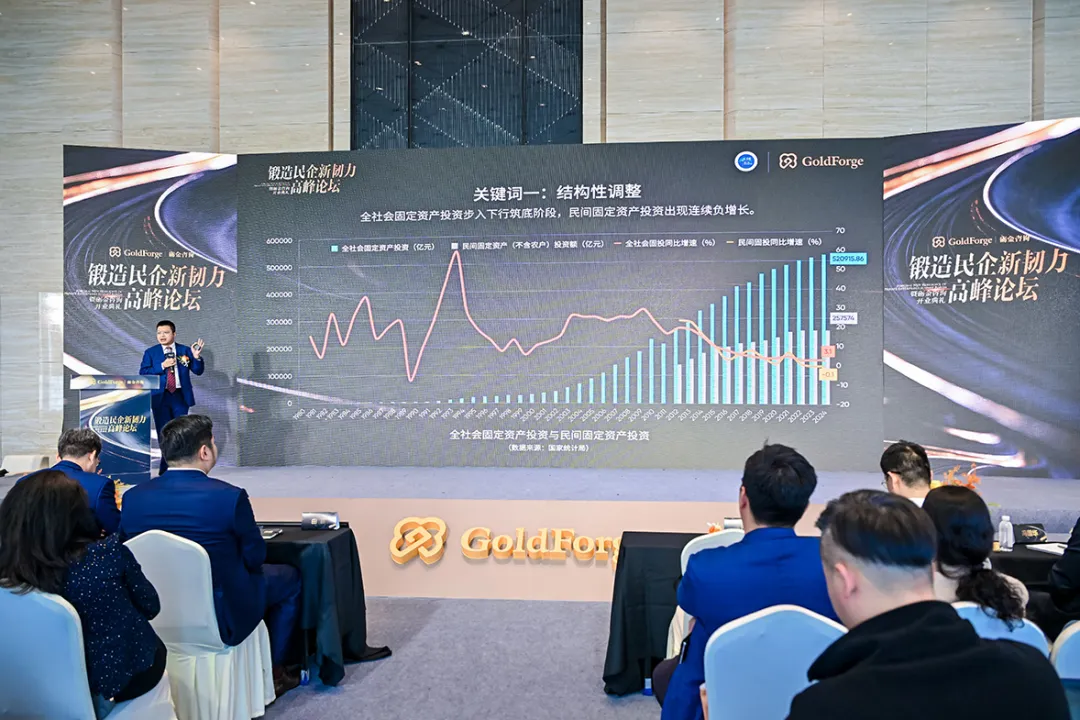
Editor’s Note: On January 25, 2026, Dr. Liu Guohong, President of CDI, delivered a speech titled “Trends and Outlook for Private Enterprises during the 15th Five-Year Plan (FYP) Period” at the Forging New Resilience for Private Enterprises Summit. In his speech, Dr. Liu reviewed the 40-plus-year development of the private economy, highlighting three distinct growth peaks: 1984, 1992, and 2007. Each peak was driven by institutional deregulation and market opening—from the introduction of the commodity economy and the establishment of the socialist market economy system, to joining the WTO and integrating into the global economy. The next growth peak that all sectors have been calling for is likely to emerge during the 15th FYP period.
The Three Historic Growth Peaks
The first peak occurred around 1984. The term “commodity economy” appeared for the first time in central government documents, at a time when references to a “market economy” were still taboo. As constraints loosened, individual businesses, family workshops, and township enterprises sprang up like mushrooms, and China’s private economy began to take shape.
The second peak arrived in 1992. Following Deng Xiaoping’s southern tour talks, the framework for a socialist market economy with Chinese characteristics was finalized. With a clear direction established, many elites within the public system left their posts to venture into entrepreneurship. Cities like Shenzhen took the lead in clarifying the property rights of private technology enterprises to attract and empower entrepreneurs.
The third peak came in 2007 with a driving force originating from China’s accession to the WTO in 2001. During this period, Chinese private enterprises including Huawei grew stronger and bigger, and began to go global.
After these three peaks, the private economy entered a long plateau. All sectors have since been calling for the next growth wave, whether driven by institutional reform or technology breakthrough.
Five Takeaways for Private Enterprises to Navigate the 15th FYP Period
First, K-shaped growth requires major adjustments. The growth rate of national fixed-asset investment turned negative in 2025, falling by 3.8%, while private investment growth has been negative for three consecutive years. Consequently, future growth will become K-shaped. The downward stroke represents traditional industries like real estate and finance, which are massive in scale but under continuous pressure. The upward stroke represents new growth drivers, such as emerging industries, new business forms, and new business models. However, these new drivers currently account for less than 20% of GDP—promising, but still small.
According to economist Carlota Perez’s theory, as financial capital pours into technological innovations like AI, a bubble is inevitable. The bubble itself is not the problem; rather, the key question is whether financial capital and industrial capital can tightly couple again. This requires institutional change on the state’s side and active adaptation on the private side. The 15th FYP—covering the next five years—is precisely the critical window for this breakthrough.
Second, private enterprises must pivot toward niche markets. Gause’s competitive exclusion principle in biology reveals that two completely overlapping species cannot coexist for long in the same ecological niche; eventually, one will be eliminated. As the Producer Price Index continues to decline, the model of competing solely on price has become unsustainable. Future competition is about seizing a unique and favorable ecological niche. Over the next five years, mergers and acquisitions will become more prevalent—a necessary step for enterprises to reposition themselves and avoid homogeneity.
Third, global operations are becoming a necessity for survival. The pressure to “go global or get out” has caused many enterprises to act hastily in their overseas ventures, only to fail at localization. Huawei’s globalization path provides a valuable example. Its success was not achieved overnight, but through a gradual, three-step approach: testing the waters with trade, acquiring local resources, and finally exporting technological knowledge and co-building ecosystems. Additionally, a strong domestic market serves as the ballast for expanding global operations. Without domestic market support, enterprises cannot withstand the storms of overseas markets.
Fourth, corporate governance refinement is now a requirement. Township enterprises were once predicted to become the third pole of China’s economy, but that prediction never materialized. One of the core issues was a deficiency in property rights and governance. Today, a tide of change is underway; the new Company Law added “improving the modern enterprise system” to its mandate. In a highly uncertain environment, any weakness in governance can evolve into a disruptive risk. Establishing clear property rights and a modern enterprise system is a rigid necessity for private enterprises to achieve stable, long-term development.
Fifth, the private sector needs antifragile development. As outlined in Nassim Nicholas Taleb’s concept of antifragility, the wind extinguishes a candle but makes a fire burn brighter. This is particularly true for the private sector in the face of “black swan” and “gray rhino” events. Common development models tend to be extreme and inadvisable—either the passive growth of holding onto mediocre assets, or aggressive measures like going all-in on unproven technology fields. The correct strategy is to apply the barbell principle: invest the vast majority of resources in core, safe businesses that generate stable cash flow, while simultaneously using a small portion to invest keenly and boldly in high-growth areas.
Conclusion: From Insight to Action
History shows that the private economy erupts when institutions and markets find synergy. As the 15th FYP kicks off, private enterprises need to break away from path dependence and anchor themselves in new ecological niches during these structural adjustments. Only by building a solid foundation through globalization and modern governance, can they construct their own antifragile capabilities.



Date: September 15, 2024
Author: Dr. CAO Zhongxiong, Assistant President of CDI, and the Director of the Digital Strategy and Economic Research Center
China's platform economy has evolved through distinct stages, transitioning from unchecked growth to a phase of well-regulated governance and innovative development. Over time, this process has cultivated a group of leading platform enterprises. The last three years have been pivotal, signifying a period of significant transformation. Initially driven by the rapid rise of the "Internet Plus" initiative, platform enterprises expanded into traditional industries, often being equated with e-commerce companies by the public. However, as digital technology increasingly integrates with the real economy, platform enterprises are now venturing into emerging fields such as technological innovation, driving their businesses to new depths.
Consider Alibaba as a prime example. In the last three years, the company has significantly increased its investment in areas such as AI-driven large language models. Its proprietary “Tongyi” model has secured a leading position in the global open-source large-model landscape. Alibaba has also facilitated the development of next-generation models by leveraging its own computational power and technical capabilities. This evolution demonstrates a shift: platform enterprises are no longer merely commercial entities but are increasingly positioning themselves as digital enterprises. As pioneers of the digital economy, platform enterprises are leveraging digital technologies to drive supply-side reform, stimulate consumption, streamline supply chains, promote dual circulation (domestic and international), and foster flexible employment, transforming themselves into comprehensive integrators of digital technology application and advancement.
Although Alibaba’s journey began in e-commerce, it has progressively evolved into a frontrunner in China’s technological innovation. Amid a global wave of advancements, the company has achieved breakthroughs in operating systems and cloud computing, integrating innovation into its operations to enhance technological independence and resilience. Consequently, platform enterprises are now not only key players in commerce but also essential engines of technological progress.
China’s platform economy has now embarked on a new stage of development, necessitating a balance between effective regulation and the promotion of growth for its advancement.
Looking Ahead: The Expanded Role of China’s Platform Economy
1.Platform Enterprises as Leaders in Technological Innovation
China’s emphasis on technology has reached unprecedented heights. For platform enterprises, innovation is not only about their own advancement but also about enabling collaborative innovation across industries and ecosystems—a critical component of their "new journey." New technologies, especially in artificial intelligence, are advancing rapidly. Platform enterprises are uniquely positioned to provide the computational power and infrastructure essential to enhancing the feasibility, scalability, and economic viability of innovation. As major tech companies, they possess resource allocation capabilities, robust R&D capacities, and deep talent reserves, allowing for sustained investment in technological innovation and effective risk management.
2.Platform Enterprises as Catalysts for Emerging Productive Forces
The platform economy, as a novel economic model, is closely aligned with the national objective of fostering new productive forces. Market regulators expect platform enterprises to leverage technological innovation to drive industrial upgrades and assume a greater role based on their transformative outcomes. These enterprises are positioned at the forefront of the market, with profound insights into market demands, industry dynamics, and technological applications. They can overcome traditional constraints of time and space by aggregating, circulating, and sharing innovation resources online, promoting technological advancements across upstream and downstream industries. By empowering ecosystem partners, platform enterprises can stimulate the development of emerging industries and consistently contribute to new productive forces—which is a core responsibility and crucial in the digital economy ecosystem.
3.Platform Enterprises as Exemplars of Fair Competition
Compliance and maintenance of fair competition are crucial for sustainable development, whether achieved through the internal ecosystem or their external role as core players in the digital economy. At this new starting point, platform enterprises must continually strengthen their awareness of fair competition and improve their compliance capabilities. This not only facilitates their own growth but also establishes an industry benchmark. By optimizing the business environment and fostering fair competition, platform enterprises demonstrate a strong sense of social responsibility and commitment.
Navigating Challenges in a Rapidly Evolving Landscape
The accelerated advancement of digital technologies and the transformation of industries and ecosystems are propelling the global economy forward, fueled by computational power. However, technologically advanced nations often create "technology barriers" and "ecosystem barriers," hindering latecomers from catching up. As technological gaps widen, the challenges of addressing them increase exponentially.
China's platform enterprises have a solid foundation characterized by internationally competitive companies and the “scenario advantage” enabled by a unified, large-scale domestic market. Leading firms such as Alibaba have become critical infrastructure and technological platforms for national innovation. Fully developing the platform economy and harnessing the innovation capacity of platform enterprises will revitalize Chinese modernization and facilitate high-quality development.


Date: September 13, 2024
Author: Dr. LIU Jie, Senior Research Fellow at CDI
In 2021, China transitioned to a moderately aging society, with the aging process set to accelerate, posing increasing challenges to healthcare and elderly care. The rapid aging phenomenon is marked by three key features:
The China Population Aging Development Trend Forecast Report indicates that China will reach critical milestones in the acceleration of aging between 2035 and 2050, with the older adult population projected to peak in 2053. From 2021 to 2035, the older adult population is expected to increase from 300 million to 400 million, representing an accelerated growth rate. Simultaneously, the proportion of extremely old individuals (aged 80 and above) will continue to climb, accompanied by a sharp increase in the number of individuals with chronic conditions and disabilities.
Establishing a suitable integrated healthcare and elderly care service system has emerged as an urgent priority.
Insufficient Supply: Several integrated care models are still in their nascent stages. Nationwide, only 7,800 qualified institutions provide a total of 2 million beds, significantly insufficient to meet the massive demand. Rehabilitation hospitals and elderly care facilities often possess insufficient medical capabilities, and the medical support for home-based and community care is also inadequate.
Healthcare Payment Gaps: Existing medical payment systems fail to effectively support long-term hospitalization and rehabilitation for older adults, resulting in frequent transfers between facilities or significant out-of-pocket expenses.
Family Care Burden: The caregiving burden for families of disabled and cognitively impaired older adults is increasing annually. With the increase in the aging population and the decline in birth rates, many families struggle with the exorbitant costs of professional care.
Limited Long-Term Care Insurance Coverage: Although the number of pilot cities for long-term care insurance has expanded to 49, only approximately 1.34 million individuals get coverage, falling far short of the demand for disability care.
Addressing these challenges necessitates the development of a robust integrated healthcare and elderly care system.
1.Expand Integrated Healthcare and Elderly Care Services
To address the dual needs of healthcare and elderly care, resources must be coordinated to provide services tailored to demand, encompassing disease treatment, chronic disease management, postoperative rehabilitation, and long-term care. This entails:
Encouraging underutilized hospitals and medical institutions to transition into integrated care providers.
Implementing healthcare reimbursement policies in eligible elderly care facilities and promoting the development of medical services within these institutions.
Enhancing home-based and community care by augmenting the medical capabilities of community health centers, expanding the availability of family beds, and gradually strengthening the capacity of primary healthcare institutions to deliver in-home services for older adults.
2.Transition Secondary and Lower-Tier Hospitals to Integrated Care Facilities
Only 10% of hospitals in China are tertiary-level facilities, while secondary and lower-tier hospitals often struggle with operational difficulties and fail to meet the treatment, rehabilitation, and care needs of an aging society. Transforming these hospitals into integrated healthcare and elderly care facilities is essential. A referral mechanism should be implemented, enabling treatment-oriented hospitals to transition patients to rehabilitation hospitals, integrated care facilities, or elderly care institutions as part of a tiered medical system.
3.Achieve Universal Coverage of Long-Term Care Insurance
The coverage of social security-based long-term care insurance must be expanded, together with improvements in funding mechanisms and benefit guarantees, to ensure a government safety net. Additionally, commercial insurance companies should be encouraged to participate in pilot programs by offering personalized long-term care insurance products with tax incentives for buyers. By integrating insurance with care services, commercial insurers can help enhance the development of the care service system.
4.Expand Hospice Care Pilot Programs
Efforts should be undertaken to increase the number of hospice care facilities and strengthen the training of relevant medical staff. A bed-day payment model combining healthcare reimbursement and personal contributions should be investigated to meet the needs of terminally ill patients.
With the acceleration of China’s aging society, the integration of healthcare and elderly care will be vital in addressing the challenges posed by population aging to safeguard the well-being of older adults.


Date: August 27, 2024
Author: Mr. MING Liang, Research Fellow, Institute of Urbanization, CDI
In 2024, the Chinese AAA game Black Myth: Wukong debuted spectacularly, swiftly becoming a trending topic and a "top influencer." Inspired by the Chinese literary classic Journey to the West, this game has indeed created a “black myth,” achieving dual success in both critical acclaim and sales. The wide-ranging discussions it has sparked primarily revolve around the following three aspects:
1.Black Myth: Wukong Sets a Benchmark for High-Quality AAA Games in China
Domestic developers rarely ventured into AAA game territory owing to high costs, lengthy development cycles, and competitive threats. The launch of Black Myth: Wukong has altered this landscape. The game has gained widespread acclaim from players both domestically and internationally due to its top-notch character design, narrative structure, special effects, scene rendering, and voice acting. It has not only dominated sales charts in many countries and regions but has also become the first Chinese game to break into Steam’s top ten concurrent player rankings, ushering in a new era for China's gaming industry in the international arena.
2.Black Myth: Wukong’s Creative Team Embodies Both Idealism and Pragmatism
This monumental game was not created by a major corporation but rather the culmination of six years of dedicated effort by a small-to-medium tech company. The team balanced their aspiration to develop high-quality single-player games with the need for financial stability, which was provided by revenue from mobile game ventures. They achieved collaborative synergy by forming project teams in both the Guangdong-Hongkong-Macao Greater Bay Area and the Yangtze River Delta, bringing “Wukong’s black myth” to life.
3.Black Myth: Wukong Offers Fresh Perspectives on the Next Wave of “Cultural Export”
Video games are not just cultural carriers but also powerful channels for dissemination. The creators of Black Myth: Wukong seamlessly blended the “81 tribulations” from Journey to the West into the gameplay while digitally reconstructing 31 iconic landmarks from 12 provinces and cities across China with meticulous 1:1 accuracy. These endeavors vividly showcase the charm of traditional Chinese landscapes and the elegance of Oriental aesthetics, offering international players a rich and immersive experience of Chinese culture that transcends the story.
Beyond its Achievements: Reflections and Lessons
1.International Competition in Gaming is a Grueling Long Game
Similar to Wukong’s journey through the “81 tribulations,” the gaming industry demands constant innovation and refinement to maintain player engagement and loyalty. The game has achieved a remarkable debut, but the road ahead is challenging. Competing with global frontrunners requires extraordinary creativity, substantial investment, and continuous product optimization with operational excellence. While the game’s creators have received significant acclaim, they have also acknowledged criticisms, indicating areas for improvement. The considerable scrutiny and lofty expectations associated with the game serve as a “Sword of Damocles” over the team, signifying that this is only the “first level” of their journey. Many more “demons and monsters” lie in wait, making the journey ahead as arduous as it is promising.
2.Games, as a Vital Component of “Cultural Export,” Must Work in Tandem with Other Channels
As a blend of technology and creativity, Black Myth: Wukong offers a visually and audibly compelling introduction to Chinese culture. However, it still falls short of promoting regular and effective cross-cultural interactions. From the perspective of international communication practices, “cultural export” is a long-term, systematic endeavor that necessitates leveraging various cultural carriers and channels to establish a massive, effective matrix. Among these, the popularity of learning Chinese as a second language serves as a key indicator. As global interest in Chinese cultural symbols grows, the emergence of Chinese language education as a trend will be crucial in this new wave of “cultural export.” Nevertheless, “cultural export” has already set sail; the journey westward is poised to reach its destination.
3.Social Attributes of Games Call for a Balance of Multiple Factors
As a form of entertainment that encourages emotional and psychological engagement, video games not only generate substantial economic and commercial value but are also inherently constrained by laws, policies, cultural traditions, and ethical norms of different countries. As a unique cultural industry, the gaming sector has its own strengths and shortcomings. Policymakers should refrain from both excessive suppression and short-sighted “rush tactics.” Instead, they must strike an optimal balance between economic, social, and cultural dimensions.


Overview
At present, the global geopolitical and economic landscape is undergoing profound adjustments. Unilateralism and trade protectionism are on the rise, and cross-border financial risks have increased significantly. The member states of the Shanghai Cooperation Organization (SCO) are confronted with challenges such as a large infrastructure financing gap, heavy reliance on traditional payment systems, and inadequate regional financing mechanisms.
The 2025 SCO Summit in Tianjin reached an important political consensus on the establishment of the SCO Development Bank, marking a critical step in transitioning SCO financial cooperation from a loose interbank coordination model toward a substantive operational mechanism.
On July 29, 2026, China Development Institute (CDI) hosted the SCO Think Tank Webinar, bringing together think tank and policy experts from SCO member states to conduct in-depth discussions on key topics such as financial rule alignment, the mechanism design of the development bank, and the prospects for regional financial cooperation, in order to provide intellectual support for deepening SCO financial cooperation and advancing the development bank from an initiative into reality.
Debates
1. What opportunities, challenges, and feasible pathways exist for aligning financial rules among SCO member states?
2. How should the establishment of SCO development bank draw on the experiences of institutions like the AIIB and the BRICS New Development Bank to better provide autonomous financing tools for major regional infrastructure construction, energy projects, and the development of small and medium-sized enterprises?
3. How can a convenient, low-cost, and highly secure regional local currency settlement network be constructed to gradually reduce dependence on external currencies such as the US dollar, thereby enhancing the resilience of regional financial and trade cooperation?
Organizer: CDI
Date and Time: 29 Jul 2026 15:00-17:00 Beijing Time (GMT+8)
Background
In recent years, the digital economy has emerged as an engine driving global economic growth, profoundly reshaping the landscape of connectivity, competition and cooperation among nations.
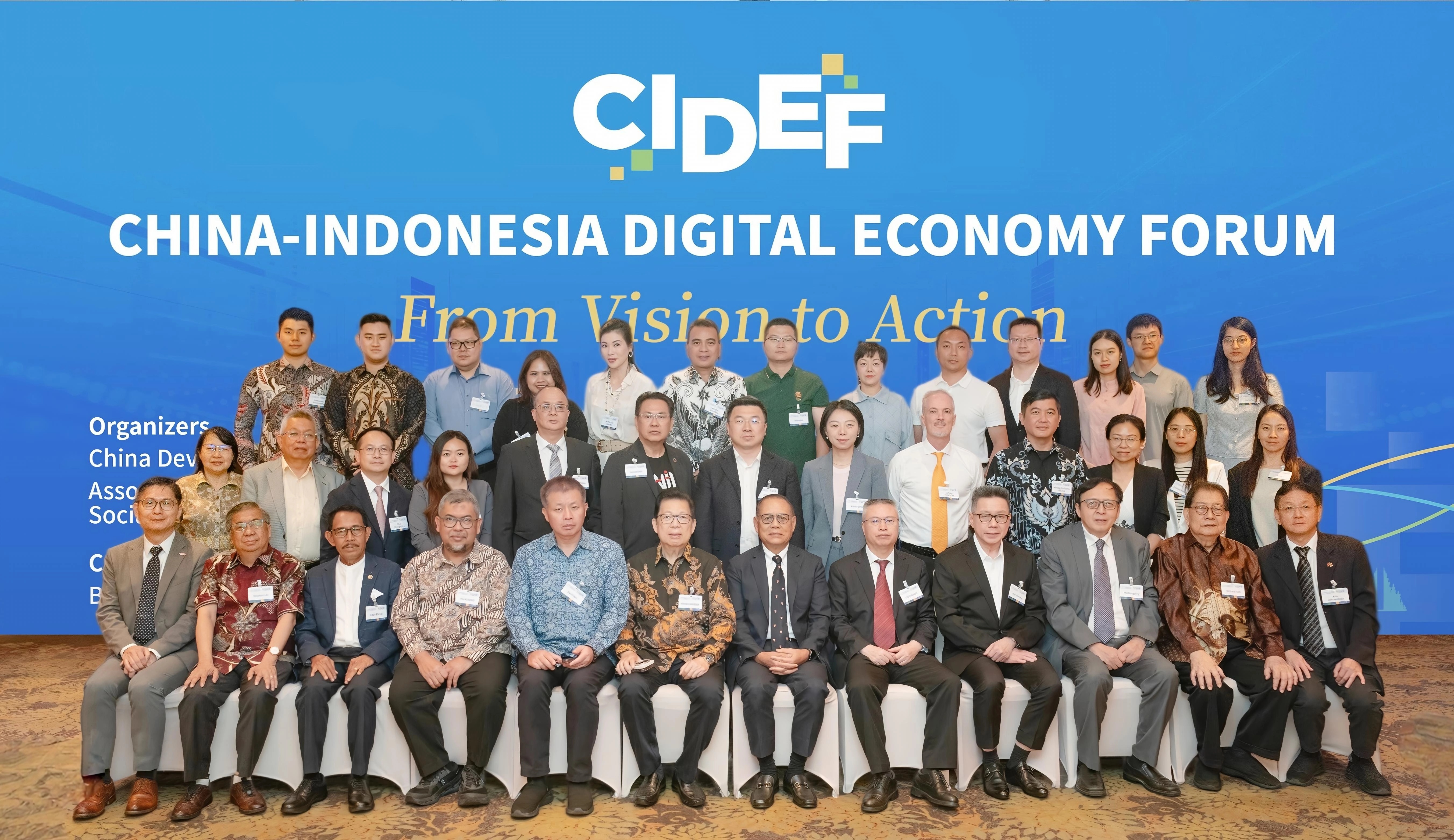
Under the framework of the China-Indonesia Comprehensive Strategic Partnership, the two countries have continued to deepen practical cooperation in the digital sector, yielding positive progress and fruitful results in cloud infrastructure, e-commerce, fintech, intelligent manufacturing, smart livelihood services and other fields.
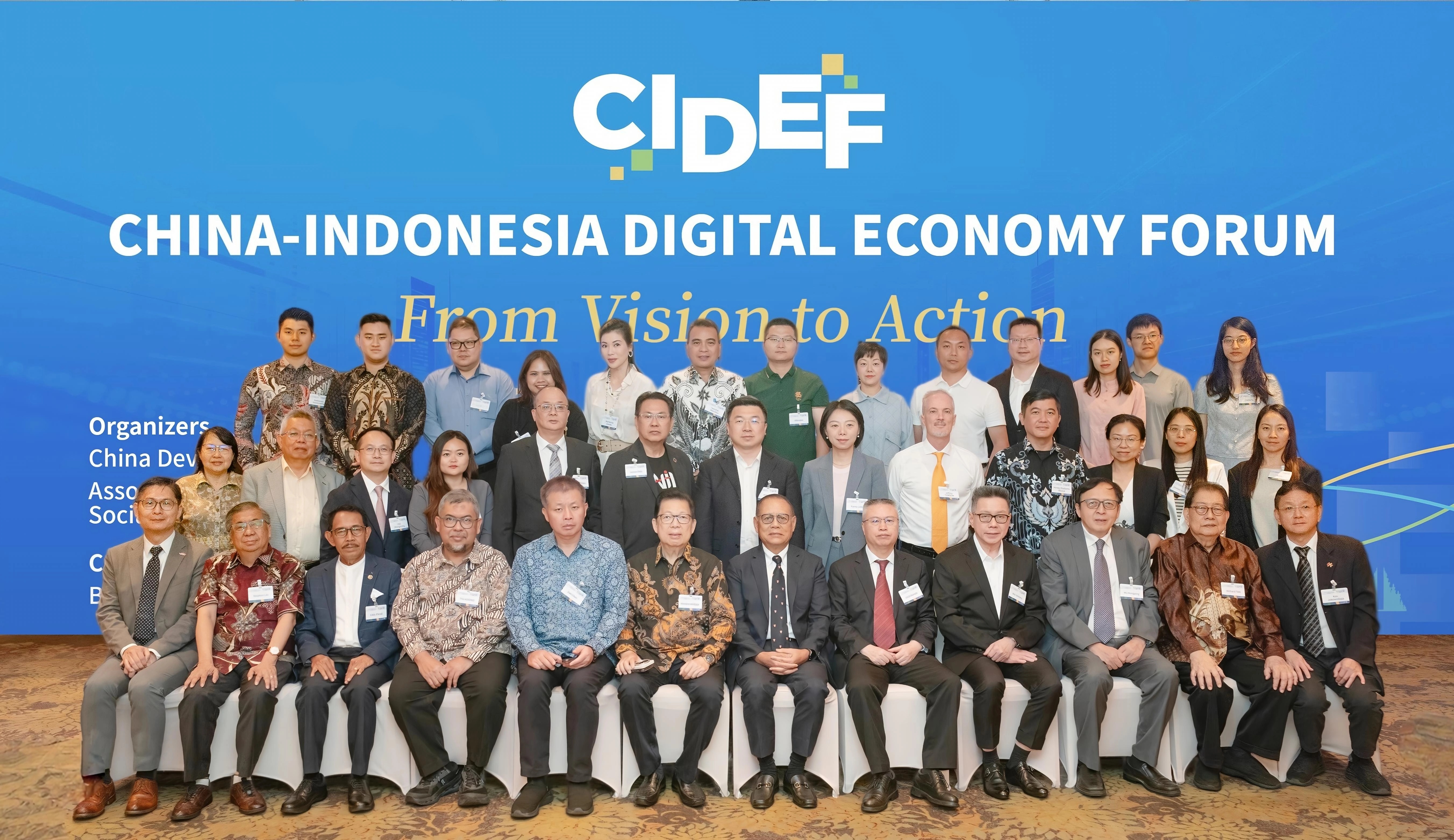
Such cooperation has not only strongly supported Indonesia in enhancing its digital sovereignty, technological self-reliance and overall industrial competitiveness, but also provided opportunities for Chinese technologies, solutions, standard systems to engage in Indonesia's digital development. It has helped elevate China-Indonesia digital economy cooperation to a higher level. To further deepen bilateral exchanges and mutual learning in the digital sector, China Development Institute and The Association of Indonesia-China Economic, Social and Cultural Cooperation held Indonesia-China Digital Economy Forum in Jakarta on 11 June 2026.
Objectives
Policy Alignment: Align Indonesia's development blueprints of "Industry 4.0" and "Golden Indonesia 2045" with China's "Digital Silk Road" Initiative, and facilitate the alignment of the two countries' strategic plans.
Industrial Cooperation: Focus on key areas including Indonesia's digital infrastructure, enterprise digital transformation, AI governance in ASEAN countries and digital talent cobuilding.
Experience Exchange: Deepen experience sharing and practical cooperation between China and Indonesia in the digital economy sector, and jointly develop some implementable, replicable and scalable benchmark projects and cases.
Organizers
China Development Institute and Association of Indonesia-China Economic, Social and Cultural Cooperation
Co-Organizer
Belt and Road Initiative Caucus for Asia Pacific
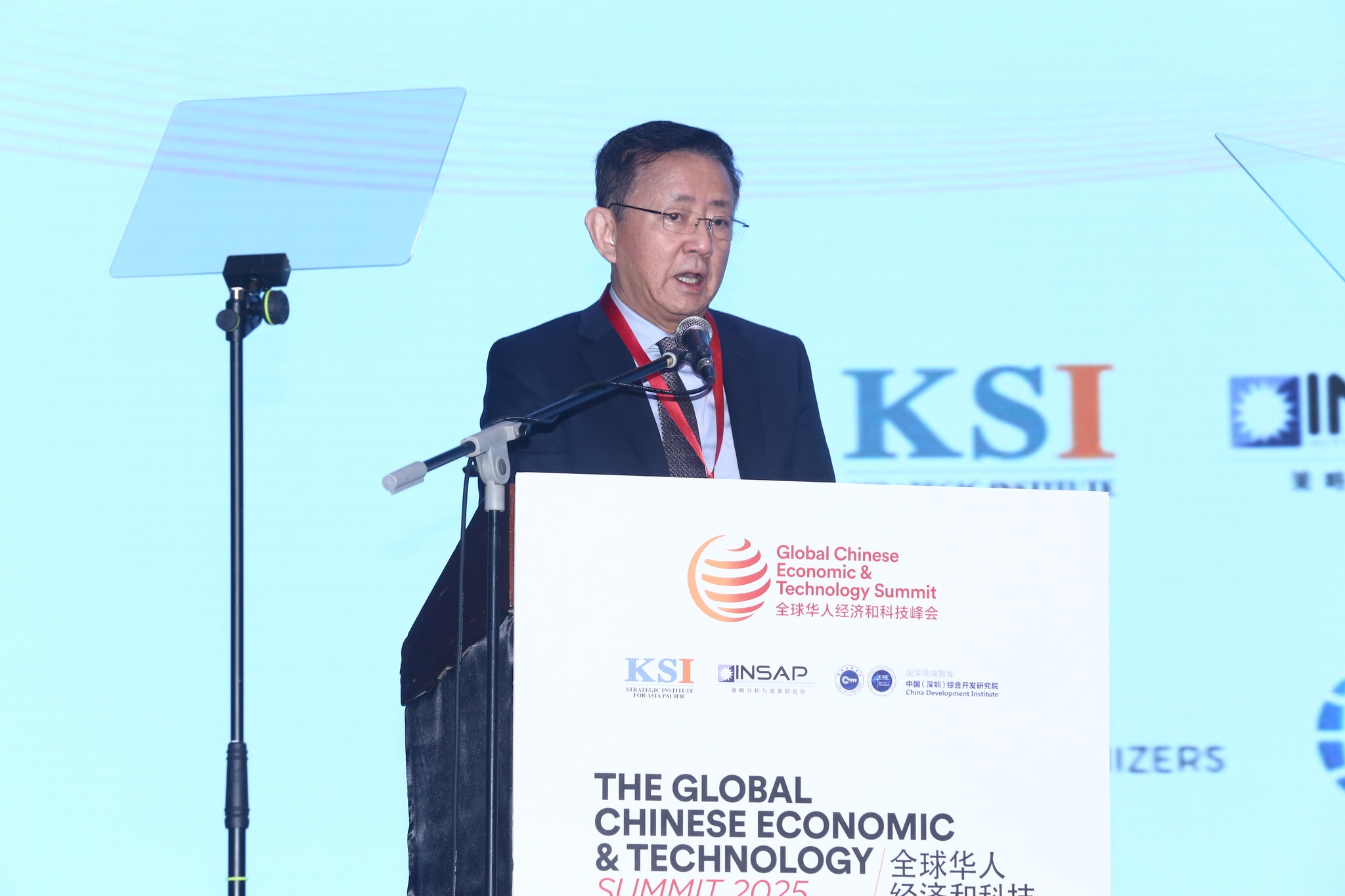
Information
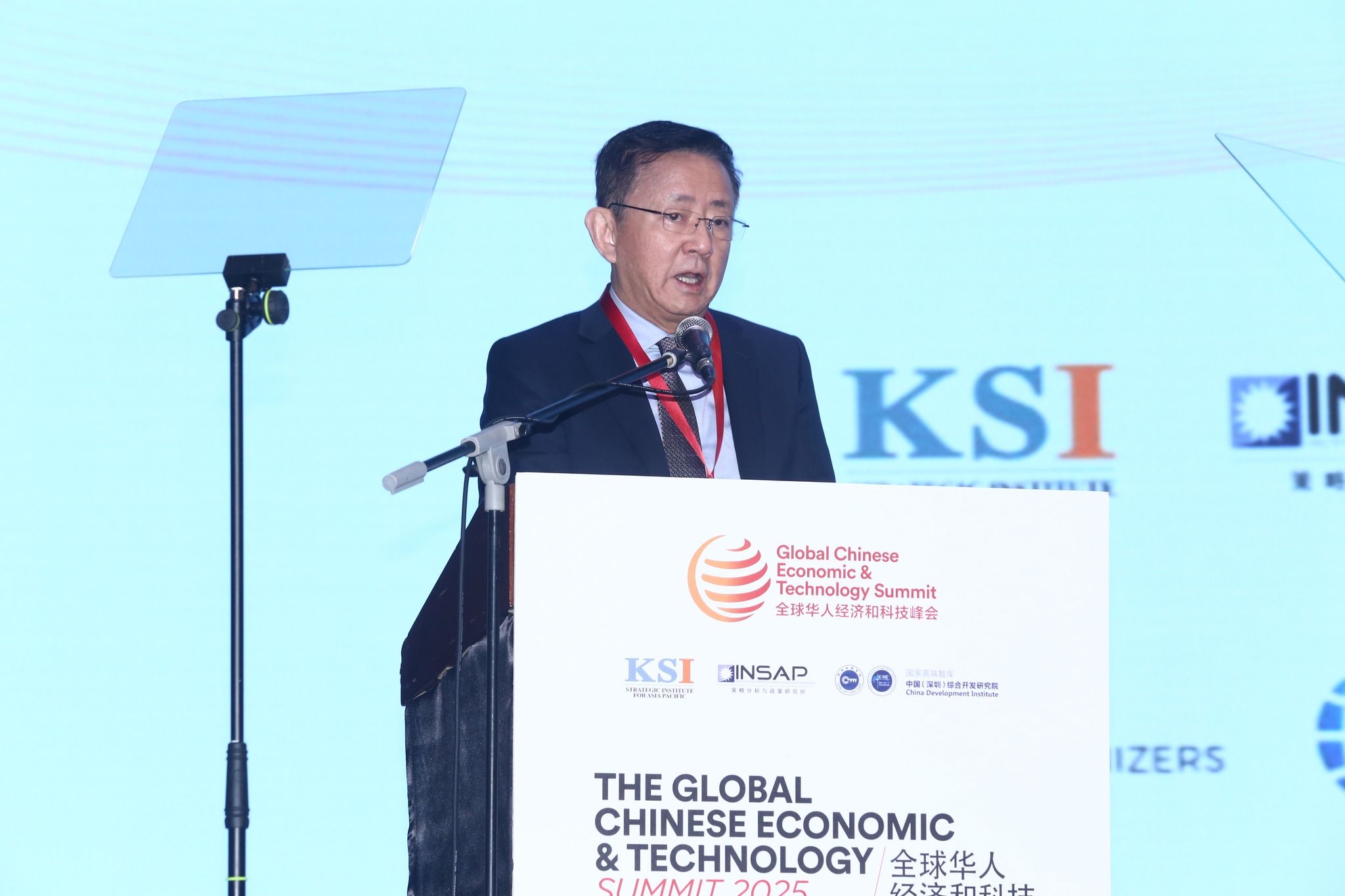
The Global Chinese Economic & Technology Summit (GCET 2025) is a premier event focused on "Global Leadership & Partnership in the Age of Digital and Green Transformation," scheduled for November 2025 in Kuala Lumpur, Malaysia. Organized by the KSI Strategic Institute for Asia Pacific, Institute of Strategic Analysis & Policy Research and China Development Institute, the summit brings together key stakeholders to explore critical economic and technological trends.
The one-day conference will address three primary themes:
Highlights include discussions on emerging technologies like AI and blockchain, sustainable development, green economy initiatives, and strategies for Chinese entrepreneurs navigating the global business landscape. The summit will feature high-profile speakers, including government officials, senior scholars and business leaders from China and Malaysia, offering insights into trade opportunities, digital transformation, and cross-border economic collaboration.
Key topics will range from RCEP and Belt and Road Initiative opportunities to fintech innovations, supply chain resilience, and the expanding influence of the Chinese diaspora in global markets.
Date: Nov 19, 2025
Hosts: KSI Strategic Institute for Asia Pacific, Institute of Strategic Analysis & Policy Research, and China Development Institute
Venue: Wisma MCA, Kuala Lumpur, Malaysia


Information
In recent years, the international trade landscape has remained complex and constantly evolving. Major international players such as China and New Zealand continue to face challenges posed by rising trade protectionism. How can the two countries fully leverage the APEC consensus to deepen bilateral cooperation and further strengthen regional connectivity?
In this edition of the China Development Institute – New Zealand China Council Dialogue, industry leaders and think tank experts come together to discuss the current state of the Chinese and New Zealand economies, their respective approaches to decarbonization, and opportunities for bilateral cooperation under APEC 2026.
Date: Nov 7, 2025
Hosts: China Development Institute, New Zealand China Council
Venue: CDI Mansion, Shenzhen


Information
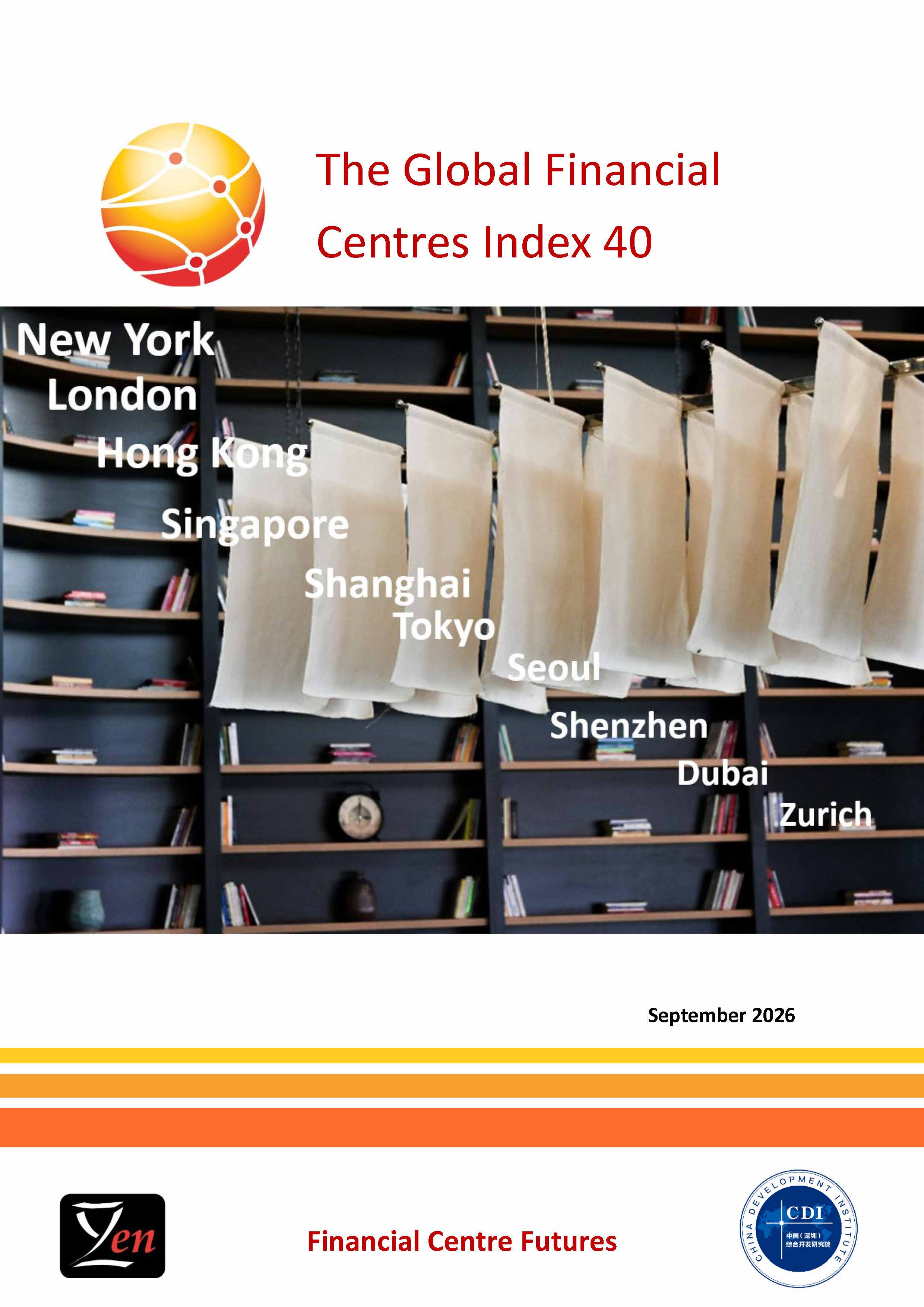
The meeting was organized by Z/Yen Group in partnership with China Development Institute to bring together representatives of financial centers across the world to consider current strategic questions. This was the fifth annual webclave for financial centers, having started during the pandemic. The meeting focused on:
Date and time: 15:00-17:00 Beijing Time (GMT+8), 24 July 2025
Information
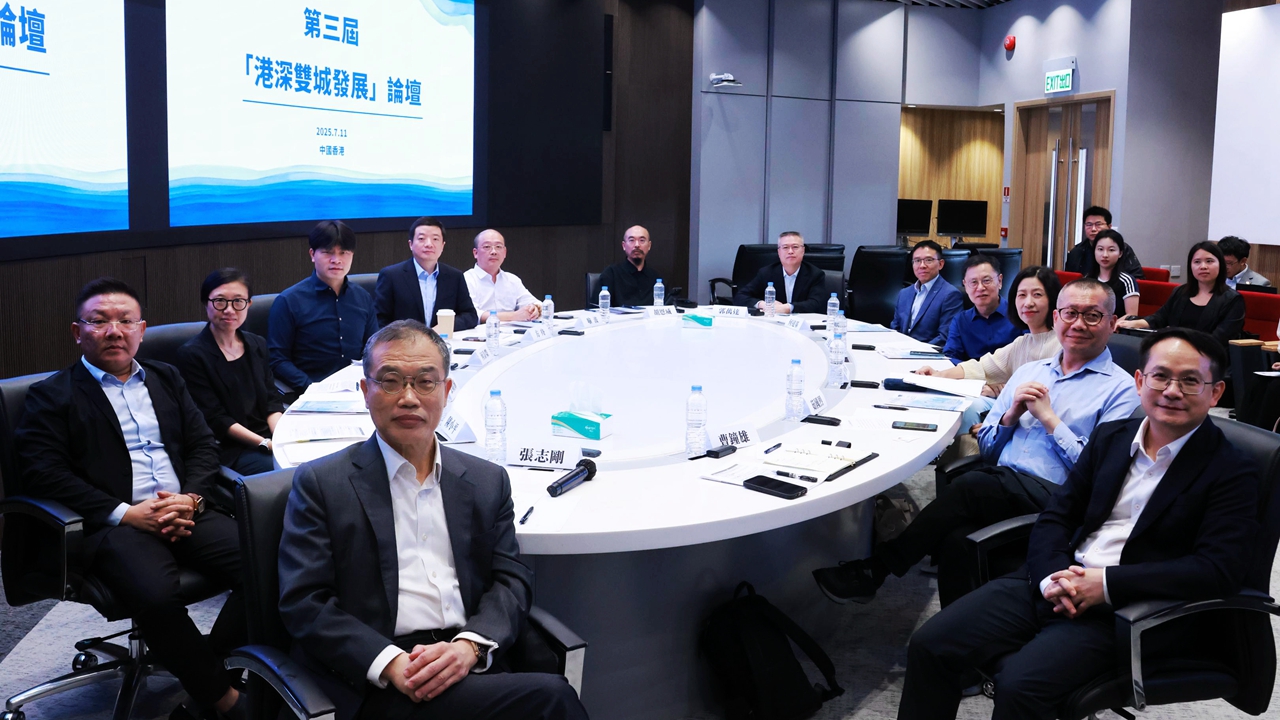
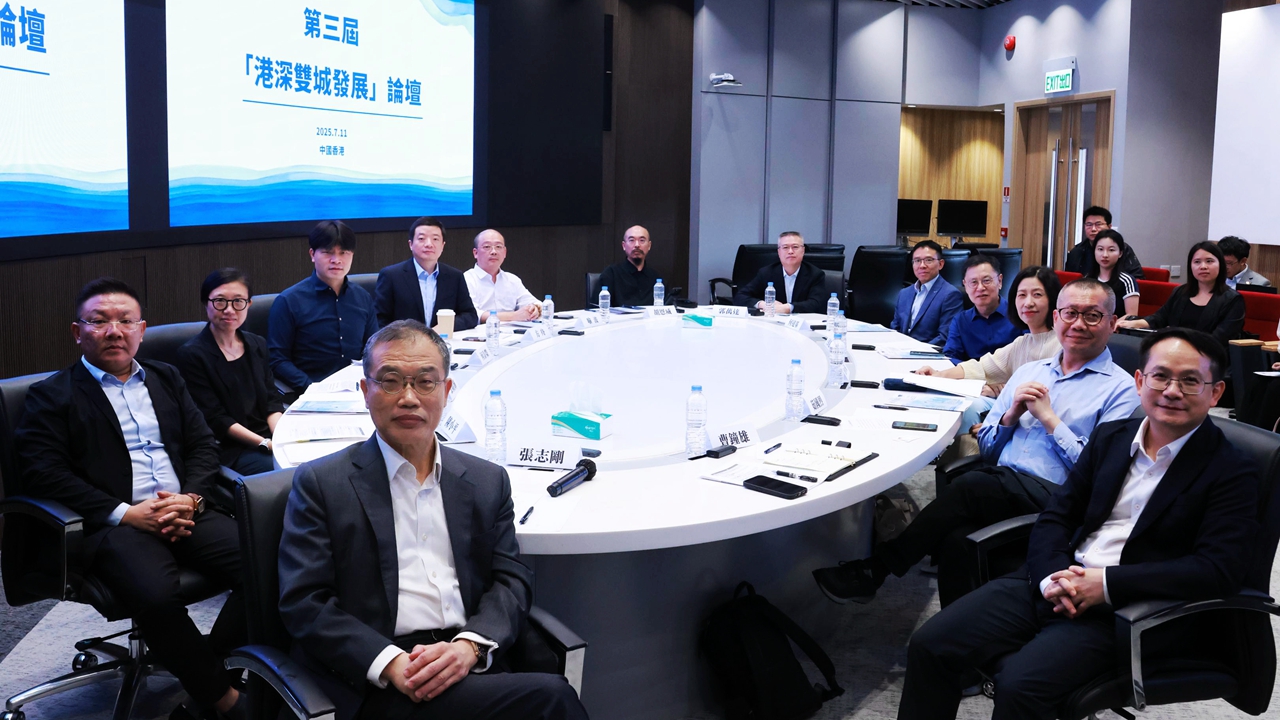
The Sino-US trade war continues to exert profound impacts on the global supply chain landscape. As core cities within the Guangdong-Hong Kong-Macao Greater Bay Area, Hong Kong and Shenzhen should proactively explore collaborative pathways for supply chain restructuring to enhance regional economic resilience. Concurrently, against the backdrop of digital economy advancement and consumption upgrading, the cultural, creative and tourism industry has emerged as a new engine driving economic growth.
With this in mind, China Development Institute and One Country Two Systems Research Institute jointly organized the 3rd Shenzhen Hong Kong Cooperation Forum on July 11, 2025. Centered on the dual themes of "Supply Chain Restructuring" and "Cultural Tourism Industry Innovation," the forum convened experts and scholars from both cities to jointly strategize synergistic development approaches.
Date: July 11, 2025
Hosts: China Development Institute, One Country Two Systems Research Institute
Venue: The Hong Kong Polytechnic University
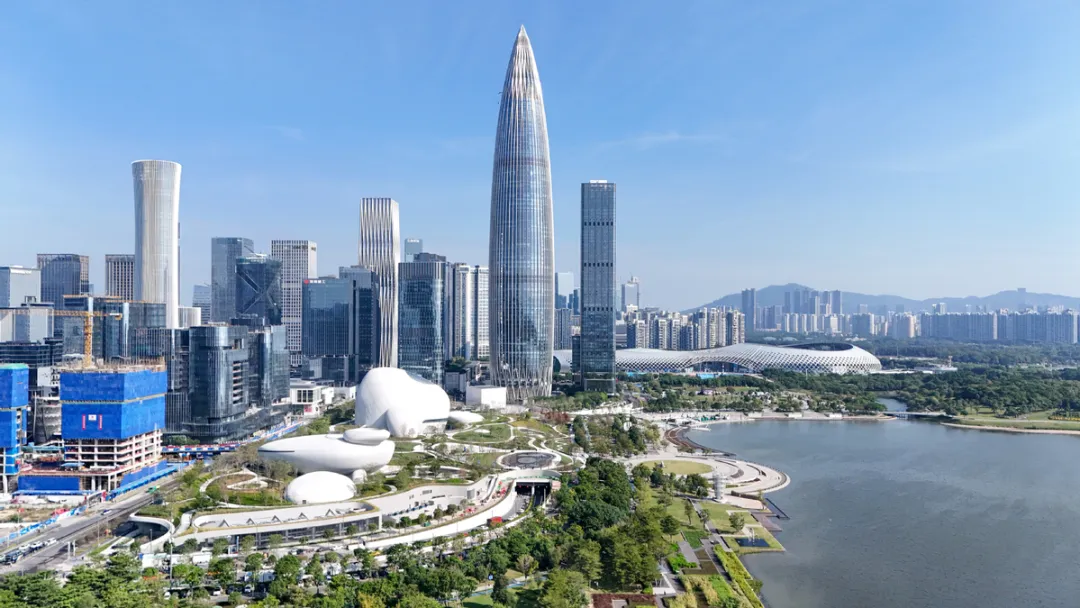
//A drone photo, taken on Nov 1, 2025, shows a view of Shenzhen Bay Culture Square in Shenzhen, South China's Guangdong province. (PHOTO / XINHUA)
Amid growing demand for cross-boundary consumption, logistics, and scientific research, experts recommend extending operating hours at key passenger and cargo land border crossings — particularly at the Shenzhen Bay, Futian, and Liantang ports.
They believe this move will help invigorate economic vitality, nurture the growth of innovative industries, and facilitate the movement of passengers and cargo through Hong Kong to global market.
The proposal, which represents the shared aspirations of those who live in both cities amid deepening integration, was included in Hong Kong’s first five-year plan, announced Sept 16, as a key step to strengthening collaboration within the Guangdong-Hong Kong-Macao Greater Bay Area.
Among the seven Shenzhen-Hong Kong land border crossings, only Huanggang offers 24-hour passenger services, while Shenzhen Bay provides 24-hour freight services. The other crossings open at 6:30 am or 7 am and close between 10 pm and midnight.
In 2025, cross-boundary passenger traffic at Shenzhen-Hong Kong land checkpoints reached 264 million, a record high, and cross-boundary truck trips totaled 4.32 million.
Kenny Shui Chi-wai, vice-president of Our Hong Kong Foundation and executive director of its Public Policy Institute, highlighted the importance of the Futian, Shenzhen Bay, and Huanggang ports for their connections with core industries.
To facilitate the commuting of scientific researchers and professional service providers, he suggested first extending the closting time of the Futian Port from 10 pm to midnight — in line with Shenzhen Bay — and later gradually expanding the passenger services at the two checkpoints to 24 hours a day.
By doing this, more scientific samples and legal documents requiring urgent delivery will be able to cross the boundary late at night, and strategic platforms located near the border could further deepen their collaboration, Shui said.
In addition to Shenzhen Bay, only Wenjindu and Liantang provide freight services, both of which operate from 7 am to 10 pm. Shui suggested that the government and industry stakeholders jointly discuss establishing a relatively fixed extension window — for example, extending operating times by one or two hours in both the morning and the evening, enabling more trucks to choose nearby border crossings and enhance supply chain efficiency.
Hong Kong Legislative Council member Erik Yim Kong said that extending checkpoint operation hours would allow more time for various commercial activities to take place in Hong Kong, in areas such as trade, finance, and consumer-related business, and provide more options for goods and fresh produce from farther away to enter Hong Kong.
Echoing public sentiment, both Yim and Shui support extending the operating hours at Liantang Port from 10 pm to 11 pm. This will better leverage the functions of this emerging eastern gateway and facilitate northbound travel for Hong Kong residents — particularly the elderly, who rely on transportation fare concessions to reach the checkpoint.
With a designed passenger clearance capacity of only 30,000 trips per day, Liantang Port — which began handling passenger traffic in 2023 — has seen its average daily passenger trips exceed 60,000, peaking at more than 120,000 per day.
At present, many border ports do not have consistent names in Hong Kong and the mainland — especially their English names. For example, the Liantang Port and Wenjindu Port are known in Hong Kong as Heung Yuen Wai and Man Kam To control points. Yim also calls for harmonizing their names to reduce confusion among travelers.
Yang Qiurong, a senior research fellow at the China Development Institute, proposed piloting appropriately extended customs clearance hours on weekdays at Futian and Luohu — the two busiest border crossings — along with 24-hour passenger clearance on weekends and public holidays.
She also recommended establishing dedicated lanes for business travelers and transfer passengers at the Shenzhen Bay Port — the most convenient border crossing for those traveling to and from Hong Kong International Airport — and optimizing customs inspection procedures at major cargo land ports.
Shui and Yang also stressed the importance of night-time supporting measures. They said that special attention should be paid to strengthening public-transport feeder services, leveraging technology to improve efficiency amid limited manpower, and enhancing service facilities around the checkpoints — such as parking, dining options, and emergency medical care — to improve the overall night-time passenger experience.(by Li Bingcun CHINA DAILY)
With one-person companies becoming one of the hottest entrepreneurial trends on the Chinese mainland, favorable government policies have been upgrading with the aim of fostering a full-fledged ecosystem for small businesses to grow. Zhou Mo reports from Shenzhen.

When GBAnexus — a government-backed big-data center in technology powerhouse Shenzhen — launched China’s first inclusive online artificial-intelligence platform for one-person companies (OPCs) and other small enterprises last month, it marked more than just a new digital service for solo entrepreneurs.
The platform — offering free cloud resources, low-cost access to AI models, limited free data services, and full-chain entrepreneurial incubation — aims to bring down digital costs for OPCs, making it easier for them to grow.
Procurement costs of computing power, AI models and data are too high for OPCs to afford, leaving them at a disadvantage. Moreover, OPC founders often operate without access to professional entrepreneurial guidance and industry connections to turn ideas into viable businesses, says Li Dongyang, director of operations at GBAnexus.
“We want to build an inclusive service community where the benefits of AI can be shared by micro firms, and solo entrepreneurs can receive tailored entrepreneurial support,” he says.
Li says the platform’s computing resources are available at 50 to 80 percent of prevailing market prices. OPCs can also gain access to its more than 40 billion data records.
Its launch stands as a vivid example of how Chinese mainland authorities have gone to great lengths to back one-person businesses — a model that’s undergoing a significant upgrade. While cities threw their hats in the ring to attract solo entrepreneurs with financial subsidies and affordable working spaces, they are now creating a sound ecosystem with comprehensive resources, such as computing power, skill trainings and application scenarios, to fuel their growth.
The fever of introducing OPC-related policies and measures among mainland provincial-level areas and cities hasn’t cooled down in the second half of this year. Southwest China’s Yunnan province and the Northwest China city of Xi’an, Shaanxi province, unveiled a series of measures to support OPC development last month.
East China’s Zhejiang province introduced the country’s first specialized terminological standard focusing on OPCs, providing a unified industrial benchmark for the identification, evaluation, operation and services of OPCs across the country. The provincial capital of Hangzhou in June launched an all-in-one service guide that aims to establish a companion-style service mechanism for OPCs.
The initiatives mark a major shift from initial supportive policies rolled out nationwide, largely centering on financial incentives and subsidized office space.
Ye Fei, general manager of the Plug and Play China GBA International Innovation Center, has strong feelings about the frenzy, recalling the time he was approached by the authorities of various districts in Shenzhen and cities across the country that sought his advice on developing OPCs.
“I told them to think twice before jumping on the bandwagon as this model is never a one-size-fits-all solution for every city. Local governments need to clarify their core goals first as different objectives call for different strategies,” he says.
Tailor‑made policy needed
As of March, 23 Chinese mainland cities had launched OPC policies, with over 100 policy measures unveiled, according to a report published by the State Administration for Market Regulation’s development research center.
Most of the cities’ policies centered on financial subsidies, working space support and public services provision, with little differentiated designs based on local conditions, the report said. Some local governments even replicated policy frameworks from peer cities, leading to high homogeneity.
All 23 cities provided policy measures in the three aspects mentioned, the report found. While 95 percent of local governments launched preferential tax measures, only 20 percent offered OPCs support on capability enhancement, such as skill training and talent introduction. The proportion of cities that focused on helping OPCs with resource matching, such as supply-chain connection and market expansion, was even lower, at 15 percent.
“Some local governments lack in-depth understanding of the OPC model and roll out policies merely out of peer pressure,” Ye says. “They are like students rushing to hand in their papers — when other cities introduce OPC policies one after another, they feel compelled to follow suit for fear of being left out of the new trend.”
Another reason behind their anxiety lies in the potential “siphon effect” brought by OPC policies in peer regions. “Once a region introduces preferential policies, it may draw OPCs and high-quality talents from other regions, bringing hidden risks to their industrial layout and efforts to retain talents,” Ye says.
The consequences of unbridled competition are far-reaching and detrimental, says Peng Xiaozhao, assistant researcher of Department of Financial Development, State-owned Assets and SOE Research at the China Development Institute, a Shenzhen-based think tank.
First, generous subsidies offered by different cities could prompt OPCs to relocate frequently in a bid to reap preferential policy benefits, leading to a massive waste of public funds, he says. Second, because of similar policies, OPCs could crowd into the same segments and those with low barriers, stifling differentiated development and original innovation.
Peng also says that as OPC communities sprout up on the mainland following the launch of OPC-related policies, those without industrial chain support and practical application scenarios could struggle to retain firms, giving rise to high vacancy rates.
According to a report published by a team led by Yao Jianhua, professor of the School of Journalism at Fudan University, the number of OPC communities nationwide had reached 426 by May, covering 28 provincial-level areas and 65 cities. East China’s Jiangsu province topped the number with 158 OPC communities, accounting for 37.1 percent of the nation’s total, followed by East China’s Shandong province and South China’s Guangdong province, which had 40 and 36 OPC communities respectively.
Encouragingly, the “FOMO”, or “fear of missing out”, mentality outlined by Ye is gradually fading. Local governments and OPC community operators increasingly recognize that successful OPC development depends not on how quick preferential policies are introduced or how many incubators are being built, but on establishing a robust industrial ecosystem tailored to solo entrepreneurs.
Building ecosystem
“Whether an OPC community can foster the growth of solo entrepreneurs hinges on whether its operator truly understands the development logic and operational needs of this emerging business group,” says Wu Xi, head of operations at Angel Family — one of the first group of OPC communities in Shenzhen. “An OPC community should not serve merely as a property landlord. Instead, it should build a system that covers venue, policy, capital, application scenarios and services.”
Moreover, it should give full play to its role as a “translator” between governments and OPCs, facilitating targeted policy implementation by authorities and fostering sustainable growth for startups, Wu says.
“On one hand, we know exactly what difficulties OPCs are facing. We organize them into practical suggestions and pass them on to policymakers to help improve policies. On the other hand, policy documents are hard for many entrepreneurs to understand. We translate those policies into something they can really comprehend and use.”
Peng suggests that besides building a sound industrial ecosystem for OPCs, local governments should develop tailored OPC policy frameworks by leveraging their respective industrial foundations and institutional advantages.
In the Guangdong-Hong Kong-Macao Greater Bay Area, Shenzhen could build on its strengths in scientific and technological innovation and high-end manufacturing to strengthen technology supply and expand global market channels, serving as a cradle for OPC technological innovation, says Peng.
Capitalizing on its commerce and transportation hub status, Guangzhou could foster an open and inclusive ecosystem of application scenarios and professional services to develop into a commercial and operational hub for OPCs, he notes.
Meanwhile, Dongguan and Foshan, with their solid manufacturing base, could strive to nurture industry-focused OPCs in niche markets, Peng says.
“This will help form a complementary OPC industrial ecosystem across different cities, preventing homogeneous competition and redundant construction, thereby further enhancing the Greater Bay Area’s overall competitiveness in the global economic landscape.”(By Zhou Mo, CHINA DAILY)

//A couple pose for a photo at the marriage registration office in Futian district, Shenzhen, South China’s Guangdong province, Feb 14, 2026. (PHOTO/XINHUA)
Greater efforts should be made to improve systems and policies that support marriage in order to make life easier for families and encourage young people to wed, researchers have said.
The call came after Guangdong released its marriage registrations list for the first half of the year. According to the Department of Civil Affairs of Guangdong Province, Guangdong registered 288,000 marriages during the period, down from 292,000 marriages a year earlier.
While the province is home to 11.7 percent of China’s population aged from 20 to 39, its marriage registrations account for only 8.8 percent of the nation’s total.
Shenzhen led cities in the province with 57,181 marriage registrations, followed by Guangzhou at 52,435. The number of marriage registrations in Dongguan and Foshan also surpassed 20,000.
“The Guangdong-Hong Kong-Macao Greater Bay Area boasts abundant job opportunities and a concentrated marriage age population, creating favorable conditions for people to form romantic relationships. However, employment pressures, high living costs and population mobility make them more prudent when making relationship-related decisions,” said Huang Rui, director of the Institute of Regional Development Planning at China Development Institute, a Shenzhen-based think tank.
A researcher in the talent development research center at the Guangdong Academy of Social Sciences, who preferred to be anonymous, said the decline in marriage registrations “should not simply be interpreted as young people losing interest in marriage. It reflects a combination of demographic changes, delayed marriage age and evolving social attitudes.”
Young people, with higher educational levels and improved incomes, have become less dependent on their families and attach greater importance to personal will when considering marriage. Meanwhile, high housing and living costs, coupled with employment pressure in big cities, means young people need more time to build their careers and prepare for family life, they said.
“Actually, we are not rejecting marriage itself. Rather, we are seeking greater stability in employment, housing and future family life before making such a decision,” a Shenzhen-based software engineer in his late 20s, who asked not to be identified, said. “We talk more about emotional readiness and financial security first.”
Local governments have launched a range of measures to reduce practical barriers and strengthen people’s confidence in starting a family.
In Guangzhou’s Baiyun district, authorities have shifted the focus from one-off incentives to long-term support by developing a full-cycle marriage service system that covers matchmaking activities, marriage registration, cultural activities and family support.
Youth and talent housing policies in Shenzhen provide rental subsidies, transitional housing and settling-in allowances that support the early years of family formation.
“The criteria of an effective policy measure lies in whether it can reduce the time and economic costs of forming a family and ease care giving burdens,” Huang said.
Huang proposed improving measures in three aspects. First, she said, it is crucial to strengthen employment and income prospects, reduce workplace discrimination based on gender, age and marital status, and improve social security coverage for people in flexible jobs.
Second, better policy coordination is needed across housing, childcare, education and healthcare to help bring down household living expenses. And third, community-based childcare, after-school activities and elderly care services could be further developed to ease the dual burden of child rearing and elder care on families, she added.
The researcher from the Guangdong Academy of Social Sciences emphasized the importance of cultivating a positive and healthy attitude toward marriage and family among young people through publicity, family and school education.
The government could also improve marriage service systems by supporting social organizations, communities, universities and enterprises to build exchange platforms for young people, as well as by offering charitable services to them, he added.(by Zhou Mo, CHINA DAILY)























CDI Mansion, No. 38 Jinhu 1st Street, Luohu District, Shenzhen, China 518029