Innovative, Objective, Practical

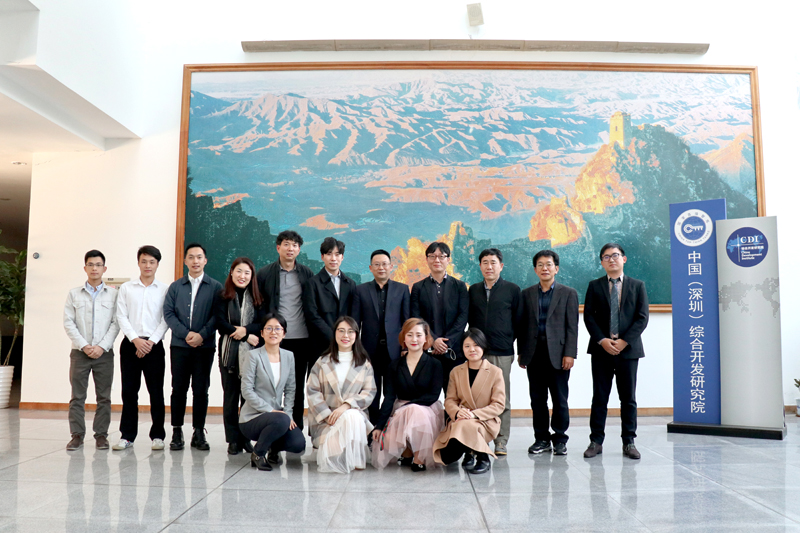
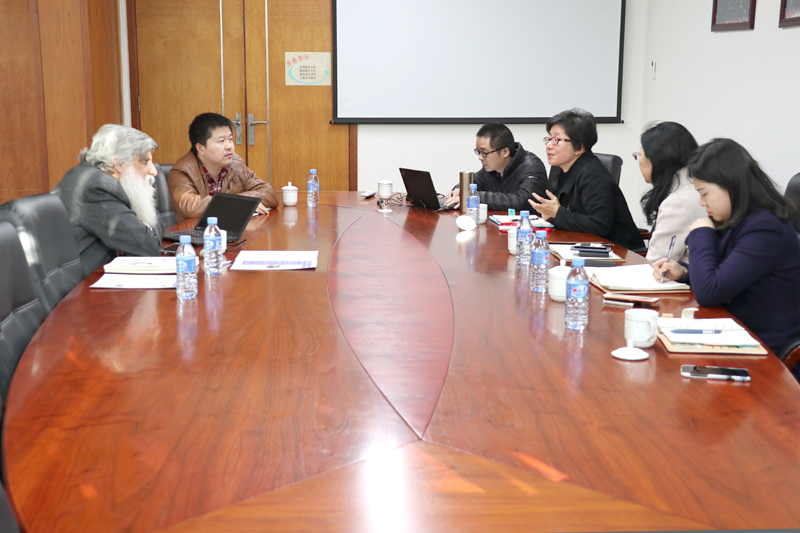
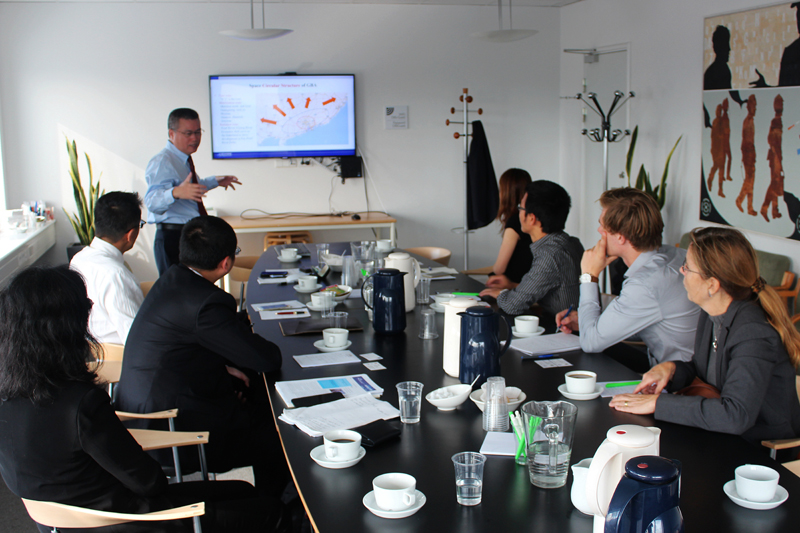
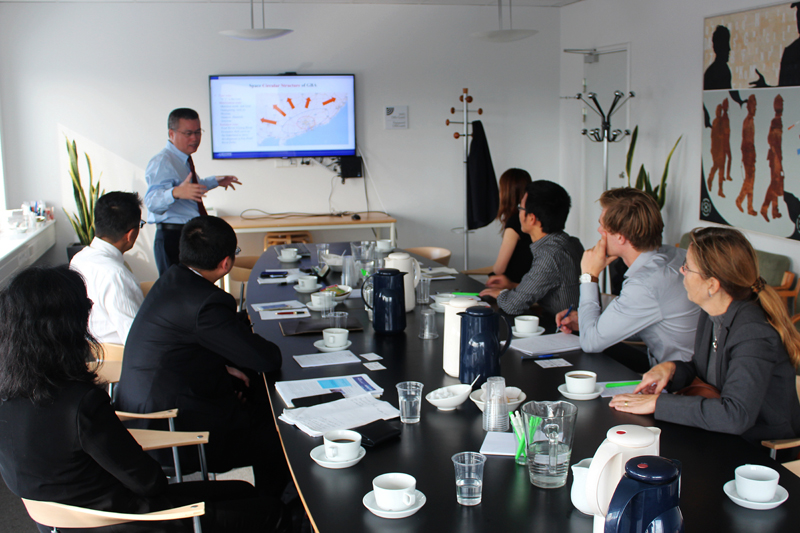
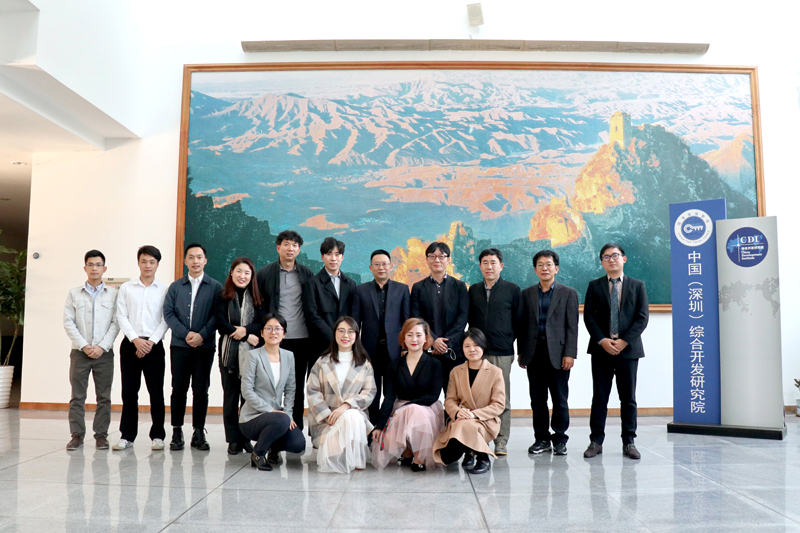 A delegation from Ministry of Trade, Industry and Energy (MOTIE), Republic of Korea visited CDI on December 19 and held discussion on urban planning of Shenzhen Special Economic Zone with CDI experts.
Mr. Zeng Zhen, Director of Urbanization Research Department, introduced development mode and industrial priorities of Shekou area, Luohu District, Futian CBD area, OCT area and Nanshan high-tech area. The delegation from MOTIE introduced seven free economic zones in Korea. Both sides shared development mode of special economic zones (SEZs) in China and South Korea.
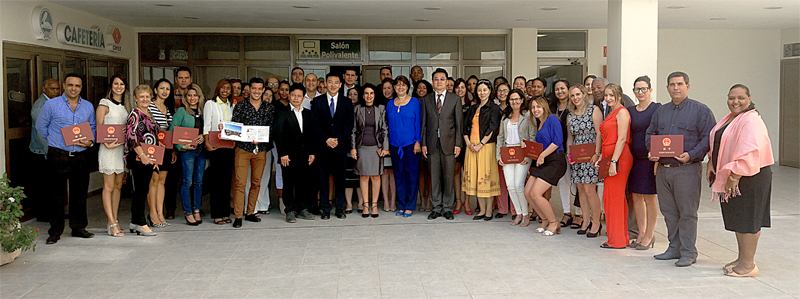
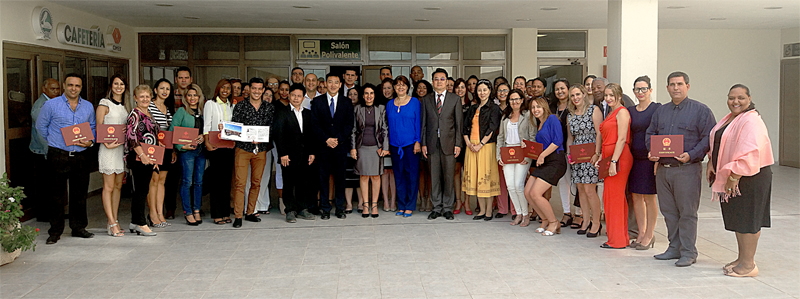 From November 19 to 25, Dr. Qu Jian, Vice President of CDI, and Dr. Liu Rongxin, General Director of the Department of Regional Development Planning at CDI, gave training to officials at Mariel Special Economic Zone (SEZ) in Cuba. The training program included SEZ-related development course, laws and regulations, regional planning, investment and financing, and operation management. Mariel SEZ, the first one in Cuba, was launched in 2013. Although it was well positioned as a critical hub in the Caribbean region, it was faced with difficulties of investment attraction and operation management.
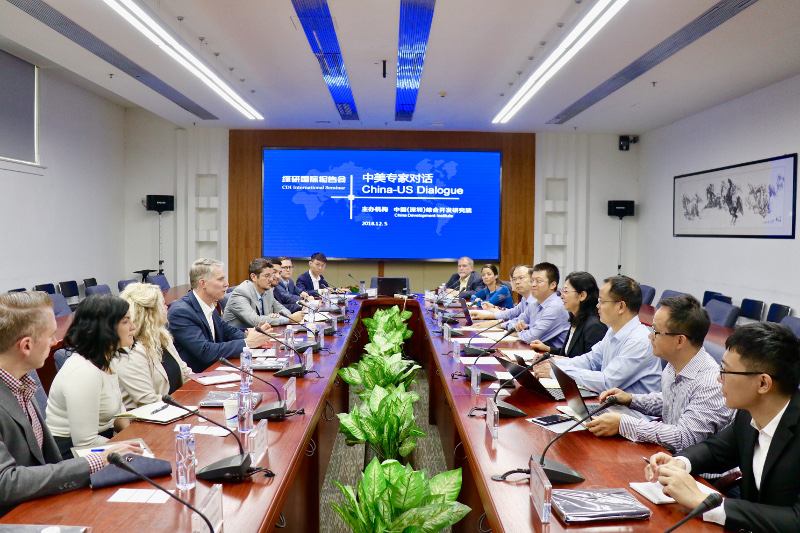
On December 5, US congressmen assistant delegation visited CDI and discussed the status quo of Shenzhen's innovation development with CDI experts.
CDI experts shared the views that Shenzhen has promoted its innovation-oriented and green economy with adopting the market-driven approach. What's more, Shenzhen also adheres to the Going-out Strategy and plays a vital role in strengthening cooperations with countries along the BRI in areas of infrastructure construction, traditional industrial upgrading which facilitates the industrialization development.
At last, both sides reached consensus that people-to-people exchanges will reduce the misunderstanding and contribute to the future cooperation.
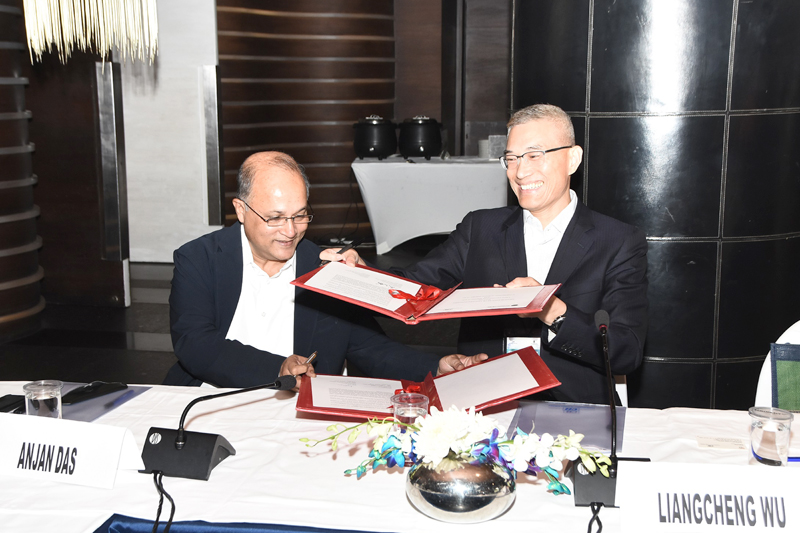
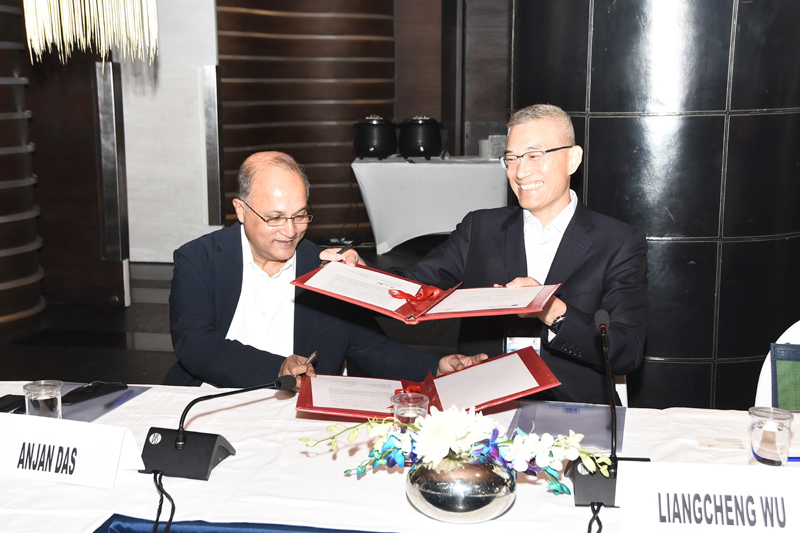
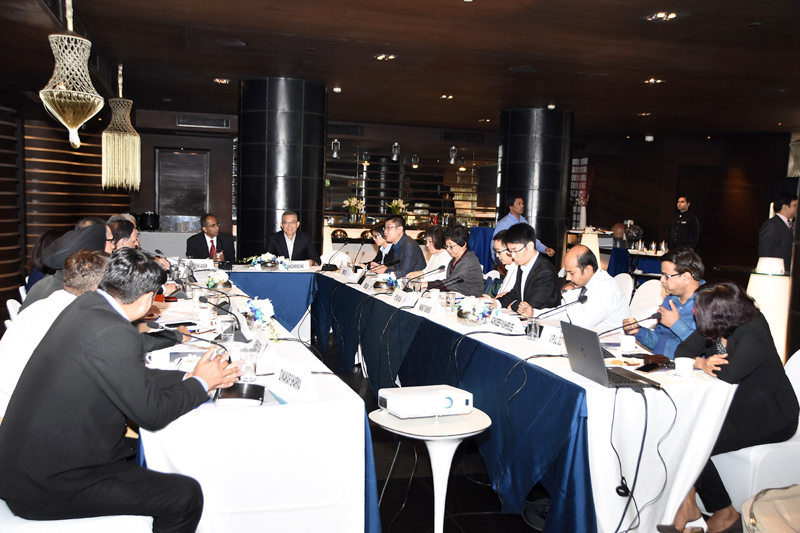
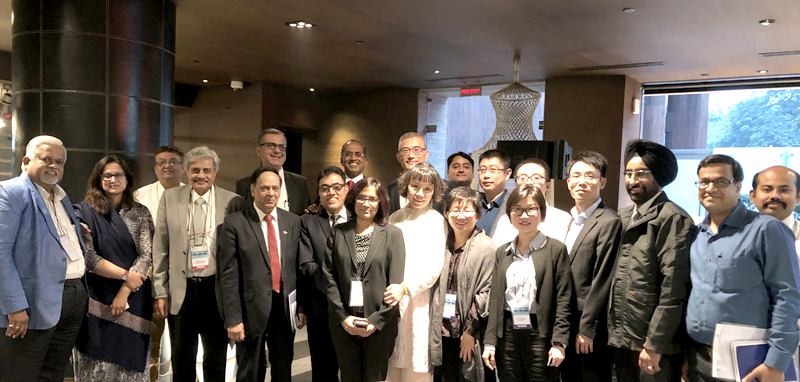
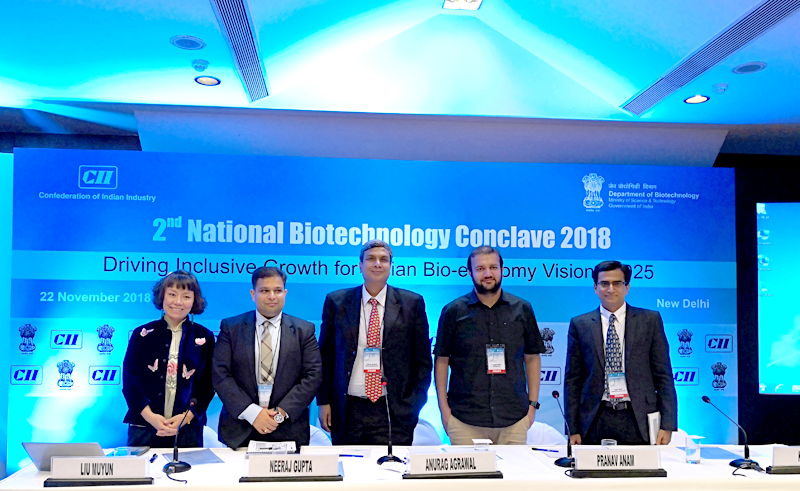
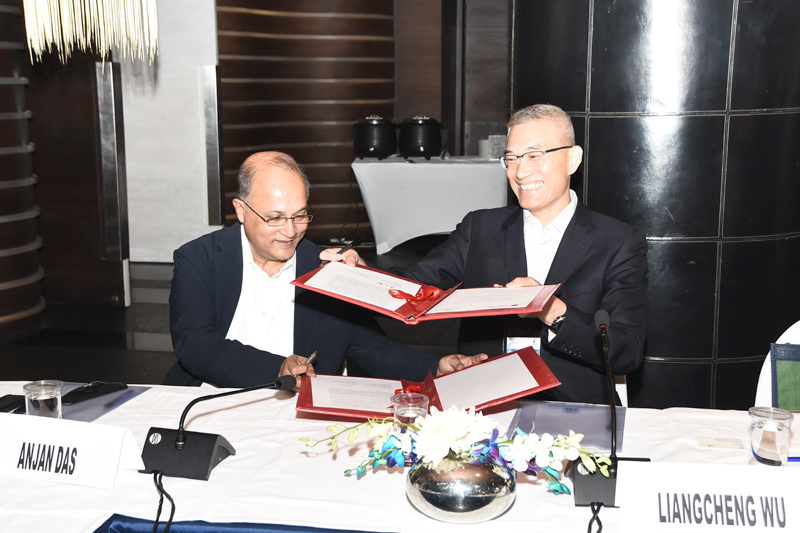
In New Dehli, CDI and Confederation of Indian Industry (CII) co-organized a roundtable discussion on strengthening China-India cooperation in the healthcare sector on November 19. The participants ranging from policy makers, entrepreneurs to experts from China and India agreed that there is great potential for bilateral trade and investment in the healthcare sector and discussed how to facilitate the cooperation in the pharmaceuticals from the perspective of policy coordination. During the meeting, CDI and CII also signed a MOU according to which the two parties will further their cooperation in the joint research and events. The CDI delegation also participated in the 15th National Pharmaceutical Conclave 2018 and the 2nd National Biotechnology Conclave 2018.
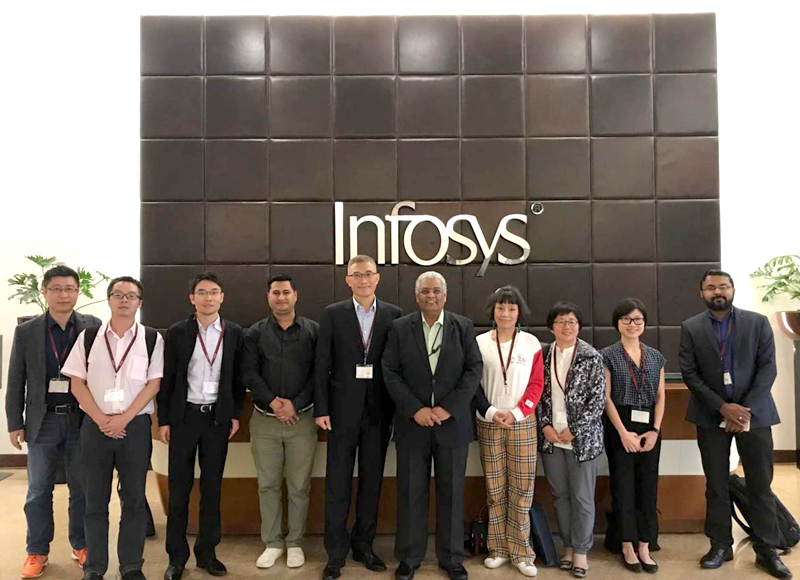
In addition, the CDI delegation paid a visit to Sonata and Infosys in Bangalore to learn about India’s information and technology industry on November 23.



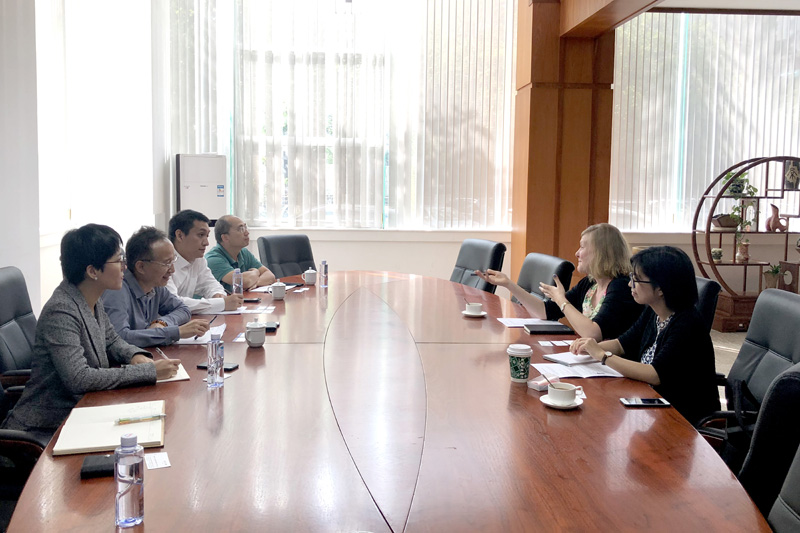
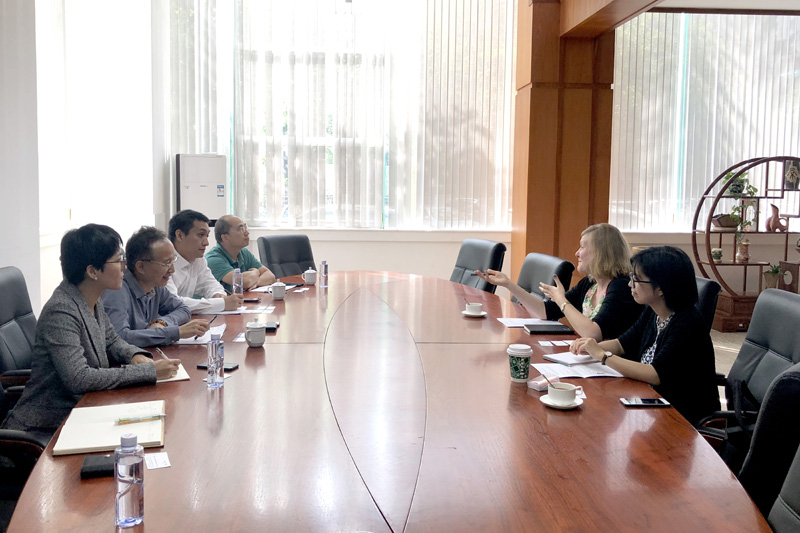 On November 9, Ms. Emma Mcwhinnie Hodder, Deputy Consul-General of Consulate General of New Zealand in Guangzhou visited CDI. Dr. Hu Zhenyu, Director of Department of Sustainable Development and Blue Economy, greeted the delegation.The dialogue focused on CDI’s research on pacific island economic, as well as challenges and opportunities in terms of maritime economic cooperation.
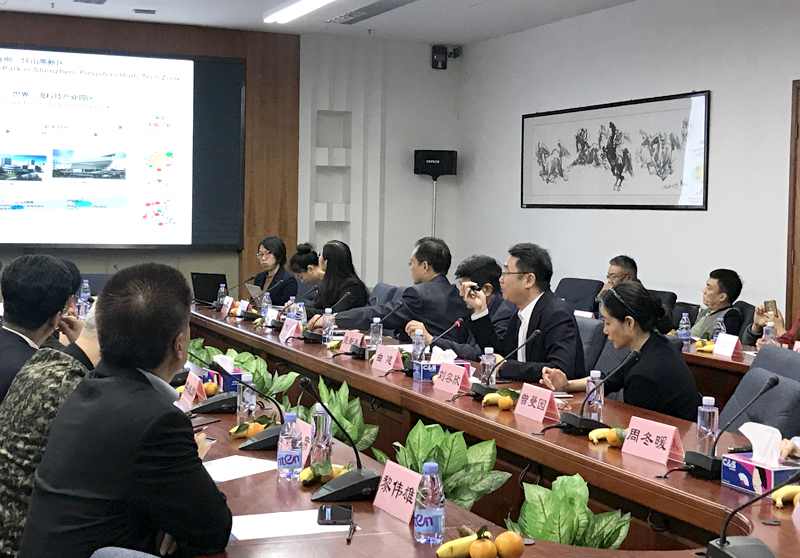
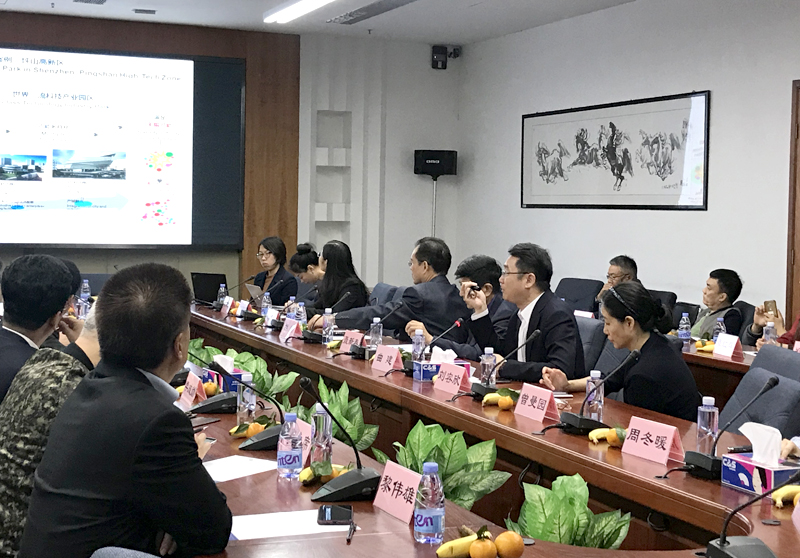 On November 5, a delegation of DPRK Economic and Technological Cooperation Association visited CDI and discussed the development of Shenzhen Special Economic Zone and the SEZ planning with CDI experts. In the meeting, the delegation noted that the SEZ mode is a good choice as the investment environment of DPRK has been improved.
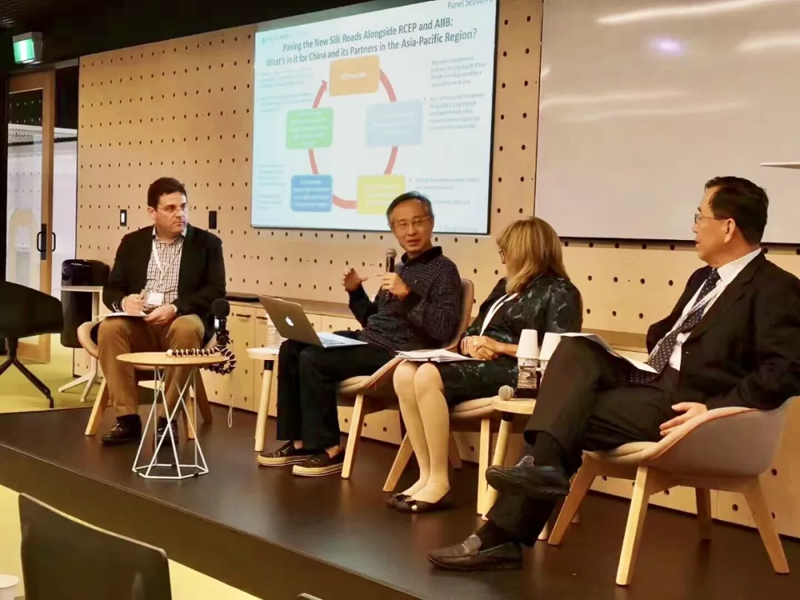
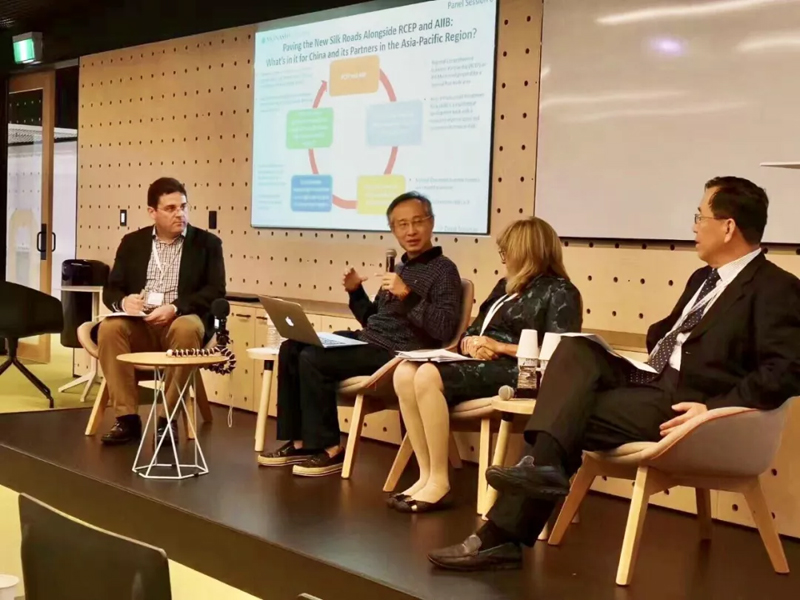 From October 15-16, 2018, the New Silk Roads World Forum with the theme of “Forging A New Era of Connectivity” was held at Monash University in Australia, where CDI experts discussed the Belt and Road Initiative (BRI)with experts from different countries.
Experts present shared the view that the BRI has played a positive role in improving the infrastructure connectivity and promoting the economic development along the involving countries. During the meeting, CDI experts also expressed some ideas on the financing mechanism, multilateral cooperation and potential risks of the BRI. All experts reached the consensus that properly addressing the above issues will contribute to the sustainable development of the BRI.
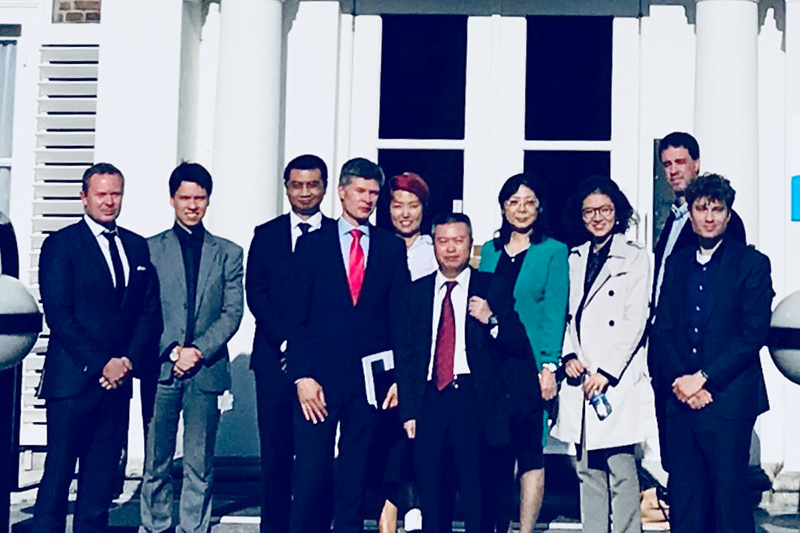
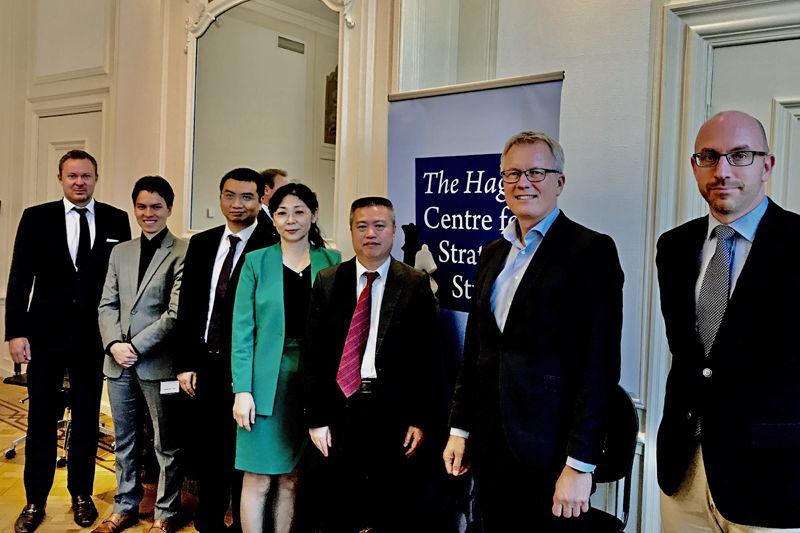
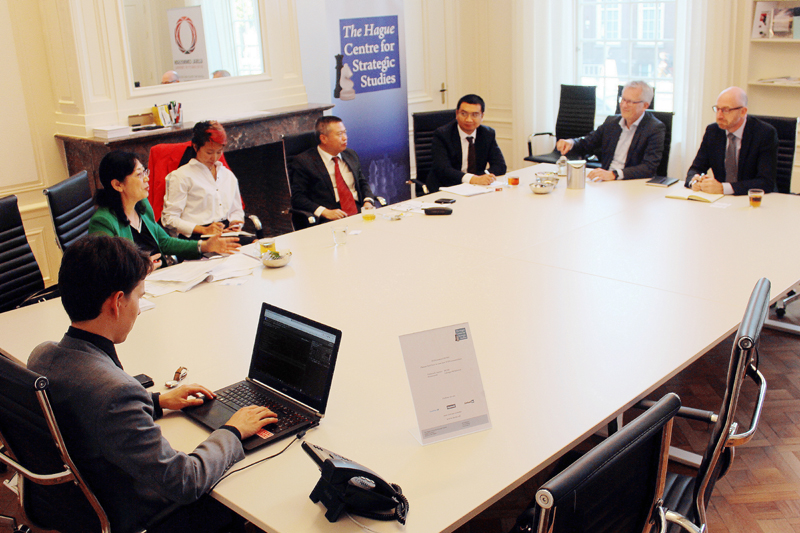
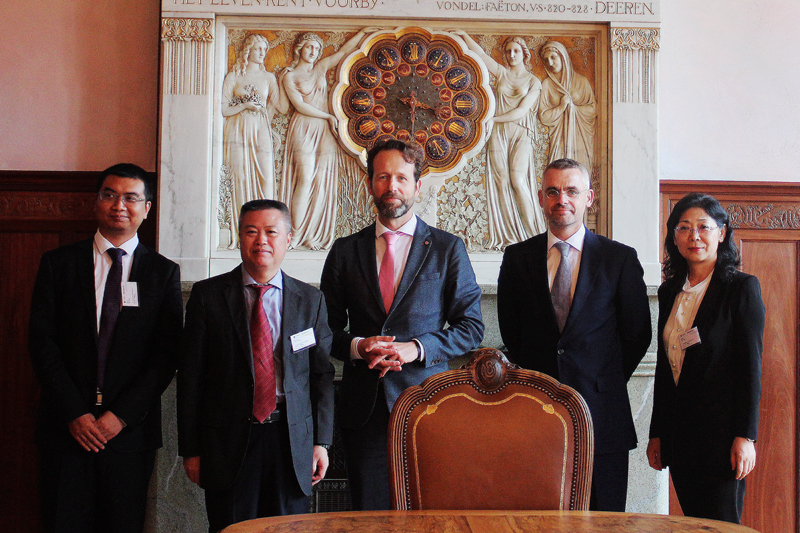
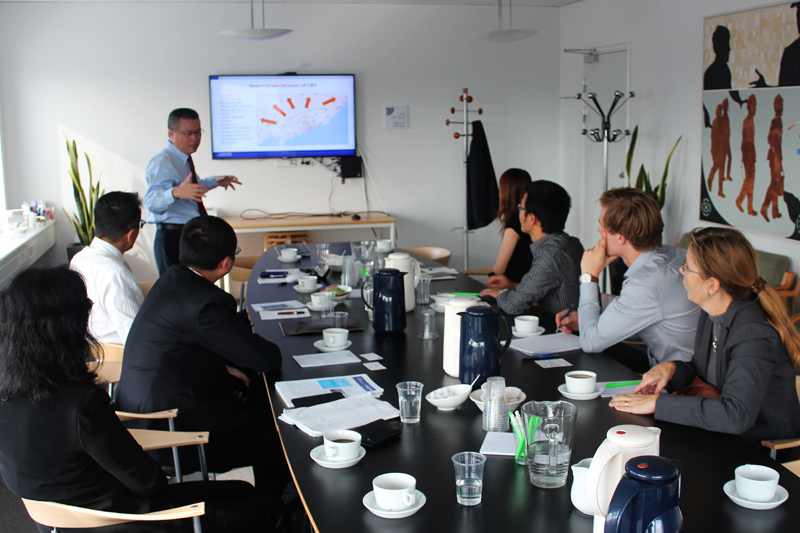
In Amsterdam, Rotterdam, Hague, and Copenhagen from September 16 to 23, CDI had meetings with experts from The Clingendael Institute, The Hague Centre for Strategic Studies, International New Town Institute, Euronext, and Danish Institute for International Studies on which both sides discussed the Belt and Road Initiative (BRI), the Guangdong-Hong Kong-Macau Greater Bay Area, Chinese financial innovation.
In meetings with The Clingendael Institute and The Hague Centre for Strategic Studies respectively, CDI experts discussed debt, investment and risk management of BRI with their European counterparts. CDI experts shed some light on the Guangdong-Hong Kong-Macau Greater Bay Area in their discussion with experts from Danish Institute for International Studies. What’s more, CDI visited International New Town Institute and held a roundtable discussion on urbanization andmetropolis management. CDI and Euronext also discussed how to facilitate capital connectivity between China and Europe.

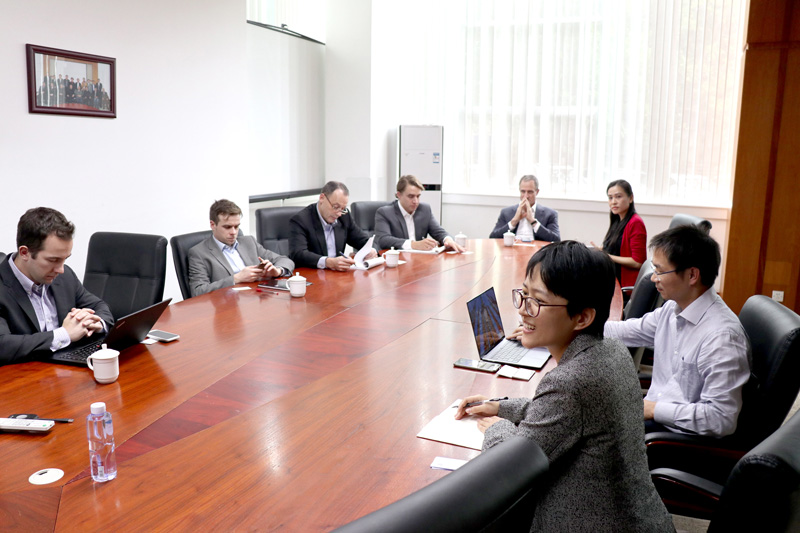
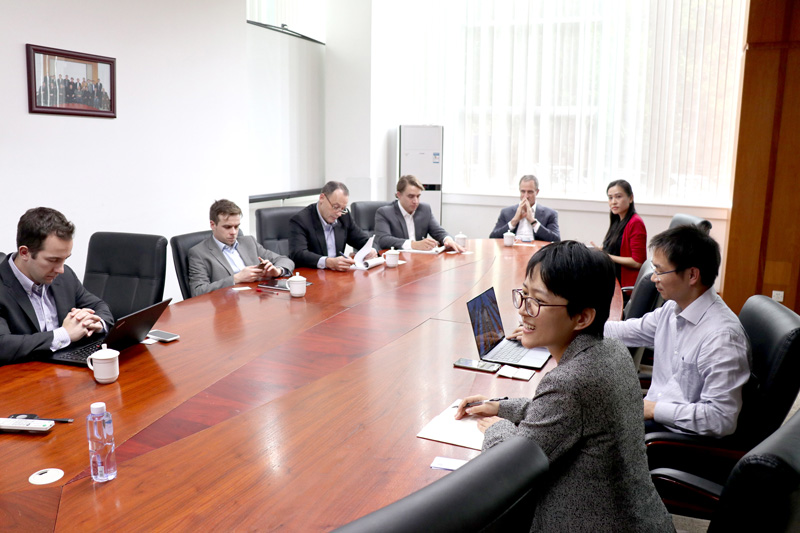 On November 1, European and American Investment Finance Group visited our institute. Mr. Zhou Shunbo, executive director of New Economy Institute had a roundtable discussion with the group on the issues of the status quo and prospects of Shenzhen's new economy industry development. During the discussion, Zhou Shunbo gave a detailed introduction to the role of the new economy industry in promoting Shenzhen's economic development and emphasized on the key force of digital economy in driving the social development and technology change.
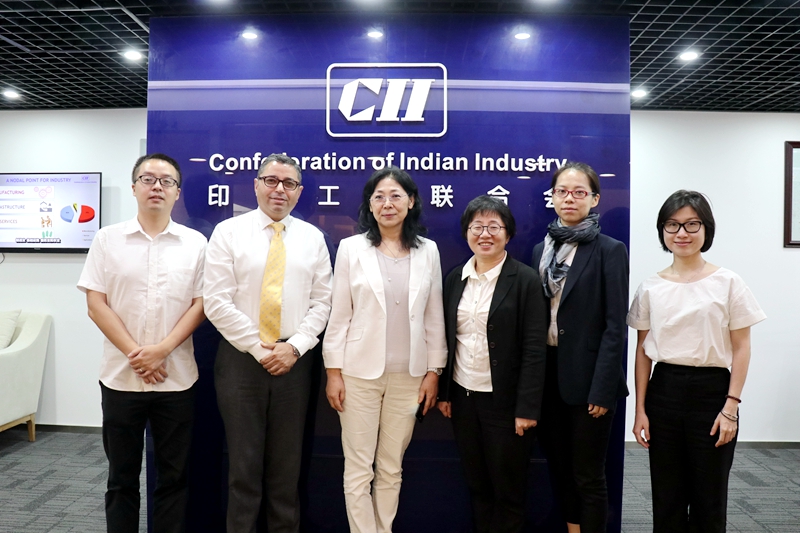
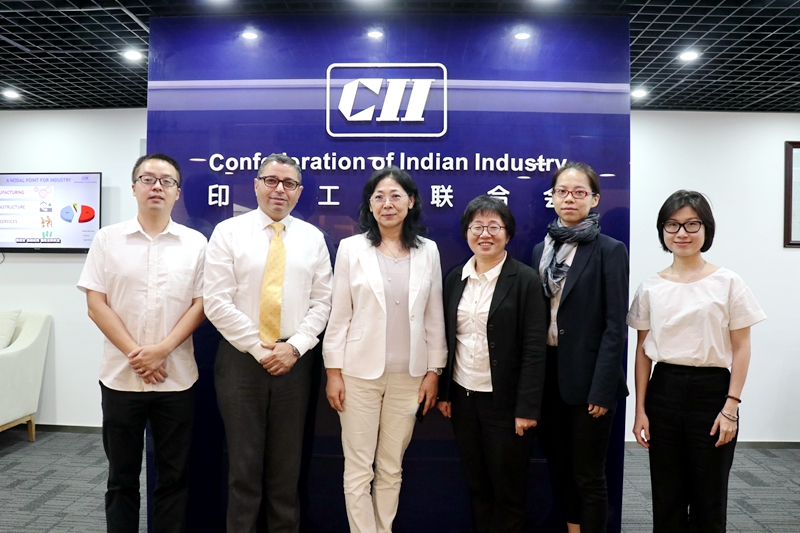
On October 10, CDI delegation visited Shanghai Representative Office of Confederation of Indian Industry (CII) and discussed way forward for China-India collaboration in key areas such as pharmaceuticals and health care sector with Mr. Madhav Sharma, Head, Greater China & Chief Representative, CII.
Mr. Madhav Sharma pointed out that Indian pharmaceutical companies have access to Chinese market; however, the major obstacle is information gap. It is difficult for Indian enterprises to understand Chinese market because policy updates in English are unavailable. He suggested that CII and CDI do joint research to bridge the information gap.
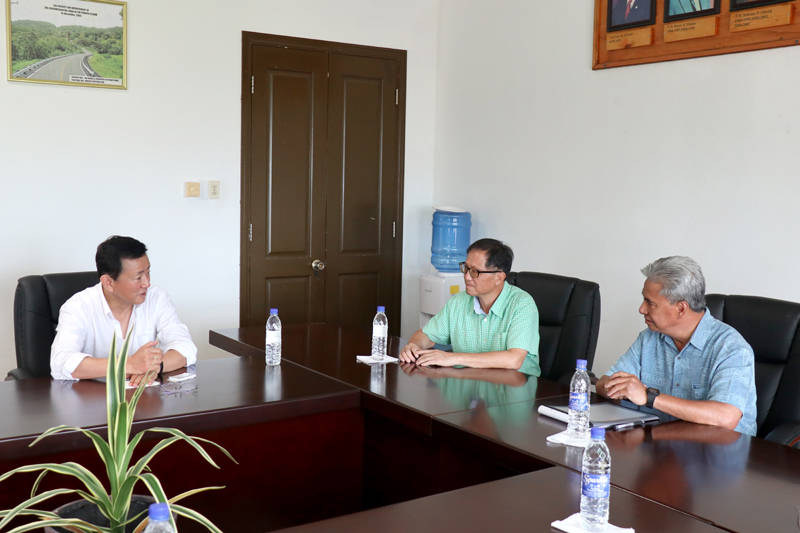
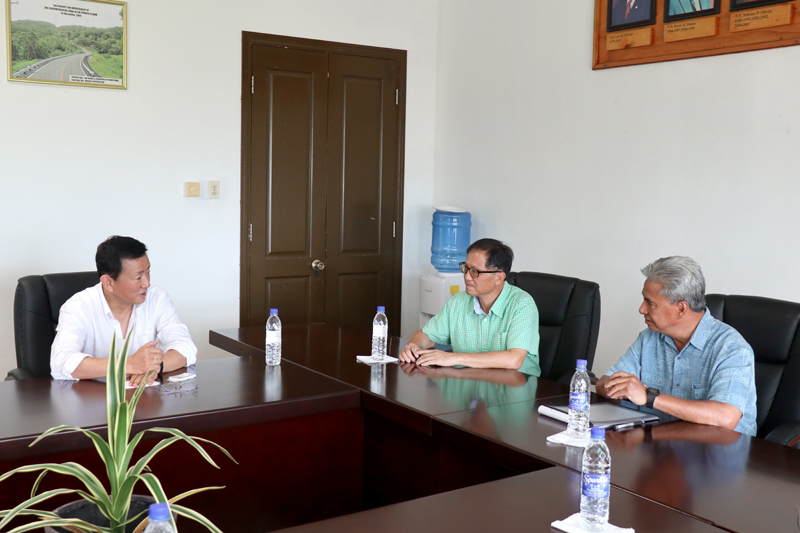 On September 28, Governor Marcelo Peterson of Pohnpei State met with Prof. Fan Gang, President of CDI, and they had discussion on economic and social developments of the Federated States of Micronesia (FSM).
Governor Marcelo Peterson briefed strategic plans for the FSM aquaculture, agriculture and tourism sectors. Aquaculture and agriculture have been highlighted by the FSM government as potential economic avenues that could meet the local demands for food and bring economic benefits including job creation and increased exports. Eco tourism, another area of potential for the FSM, has been targeted at high-end customers and emphasized environmental protection.
What’s more, the FSM is also faced with energy crisis as it heavily relies on imported fuel. With this regard, Prof. Fan Gang suggested that the FSM could consider comprehensive use of multiple renewable energy resources ranging from wind, solar to water so as to have access to affordable and reliable energy, which is vital for driving economic growth.
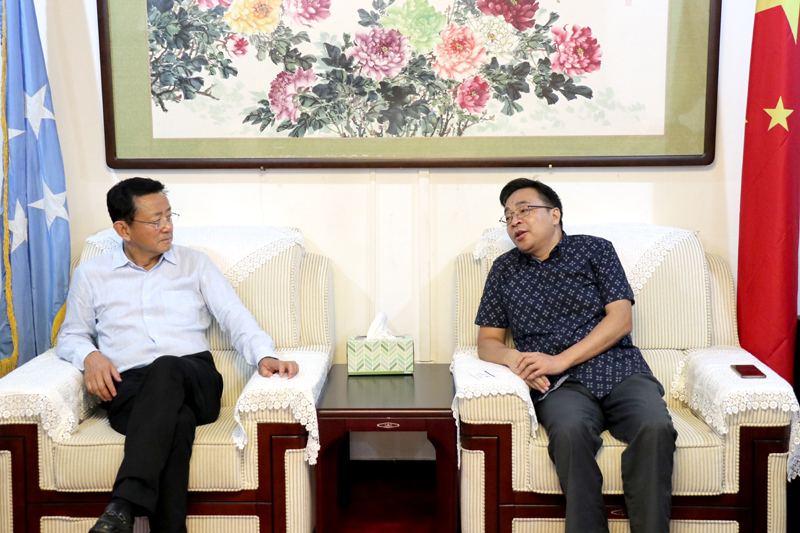
 On September 26, Chinese Ambassador to the Federated States of Micronesia (FSM) met with Prof. Fan Gang, President of CDI, and they had a discussion on the China-FSM economic cooperation.
Ambassador Huang Zheng briefed on economic and social developments in the FSM and pointed out that there is a great opportunity for the China-FSM cooperation in the fields of agriculture and tourism as the two sectors have been identified as the priority areas for economic development of the FSM.
Given that the FSM government has a clear vision and favorable policies for economic development, Chinese experienced private businesses should get involved in the China-FSM economic cooperation if their business models were profitable and sustainable in the FSM,” prof. Fan Gang said.
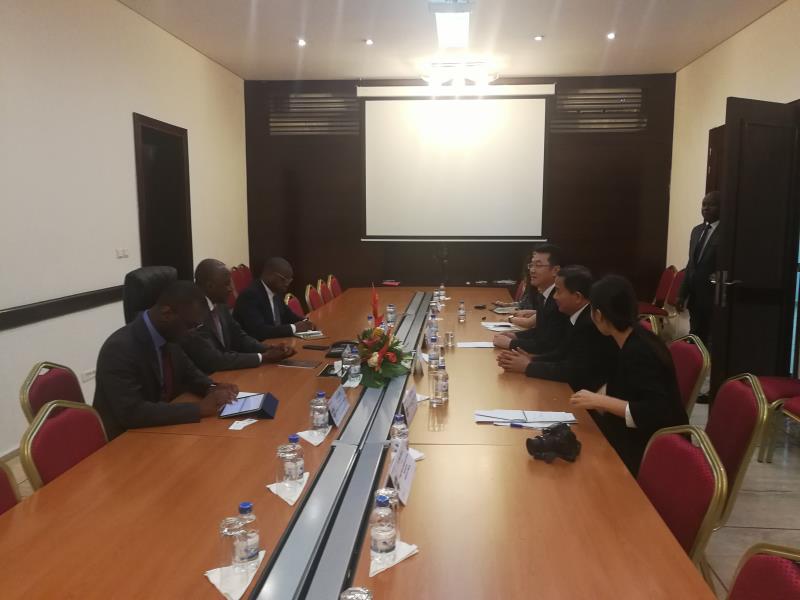
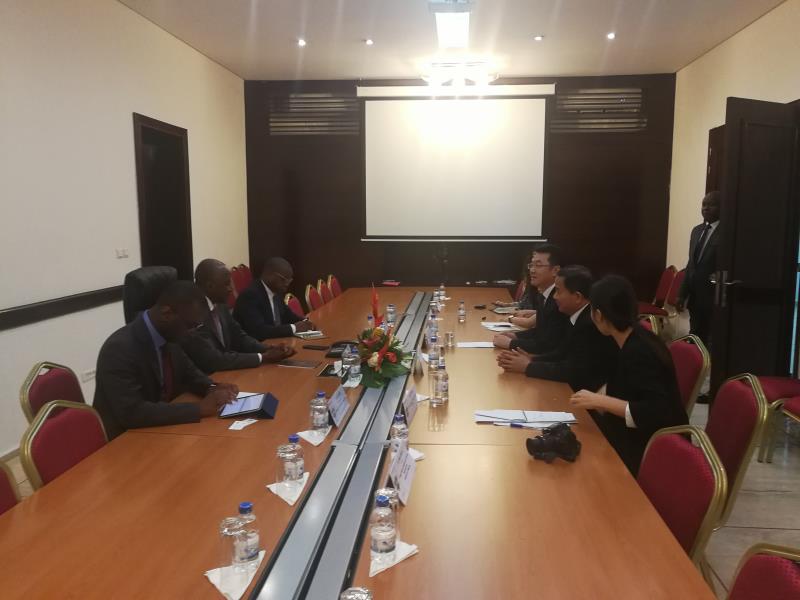 August 3, 2018, accompanied by Chinese ambassador to Cote d 'Ivoire, Tang Weibin, CDI delegation met with Prime Minister of Cote d 'Ivoire, Amadou Gon Coulibary, in Abidjan, to exchange views on the planning and construction of industrial parks in Cote d 'Ivoire.
CDI delegates introduced their feasibility research on industrial parks in Cote d 'Ivoire, and shared insights in terms of preferential policies, industry selection system, space layout, development mode and economic measurement.
Ivorian government attached great importance to the construction of industrial parks and agreed to develop agricultural processing, agricultural machinery and electronic products assembly supported by industrial parks, said PM Coulibary. Chinese enterprises and investments were extremely welcomed into the industrial parks in order to invigorate cotton-textile processing and other industries, as well as further boost local economic and social development.
Amb. Tang Weibin briefly introduced preparation progress of Beijing Summit of the Forum on China-Africa Cooperation. And he thought that PM Coulibary’s visit to China would further advance bilateral relations between China and Cote d 'Ivoire.
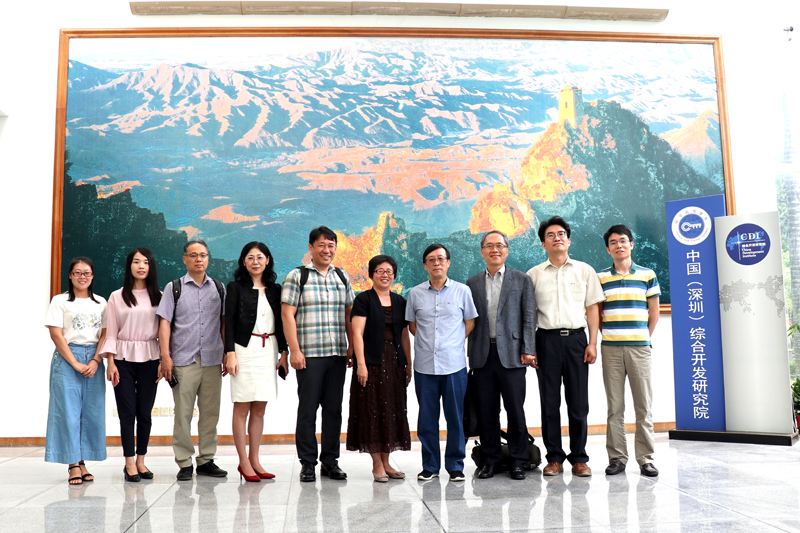
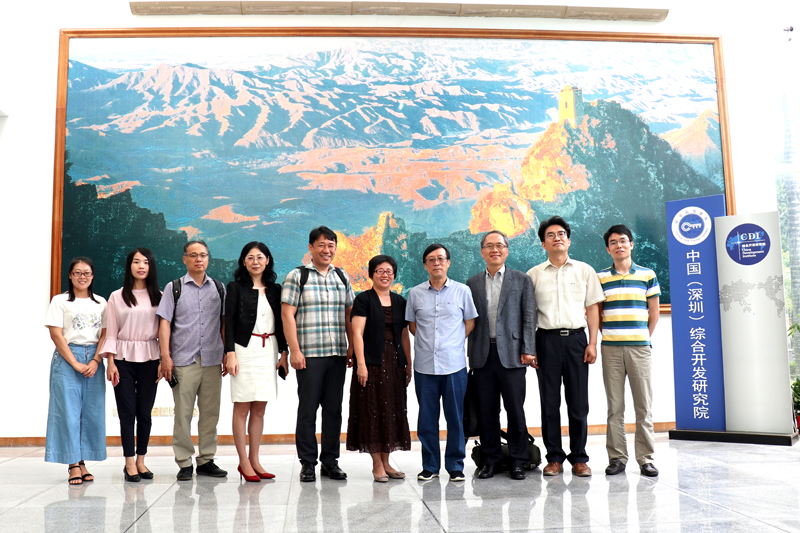 Thanks to the successful experience of introducing new energy vehicles to public transport, the Gyeonygi Research Institute delegate paid CDI a visit and had discussion on the development of new energy application in China. CDI delegate believed, to forge the sustainable development of electrifying transportation, government ought to improve relevant technic to upgrade the quality of vehicles including batteries, electric machinery and etc. to meet the current needs. In the meanwhile, the maintenance efforts will also need the reinforcement and supervision.
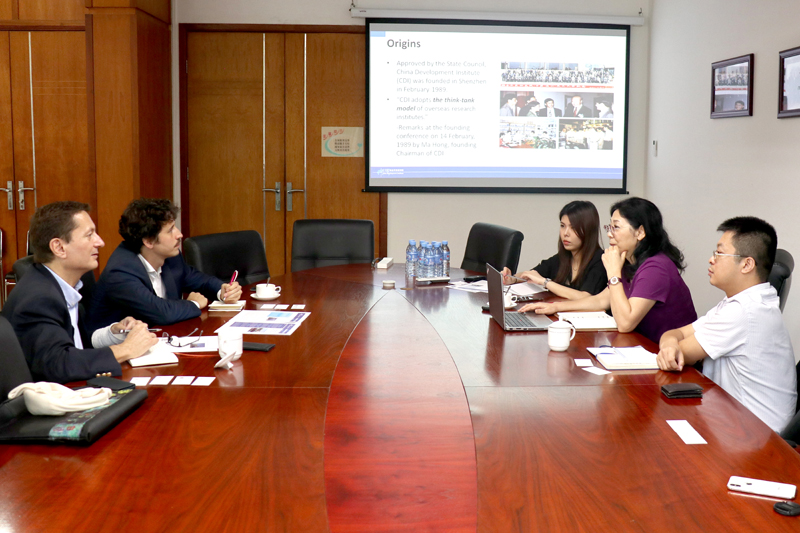
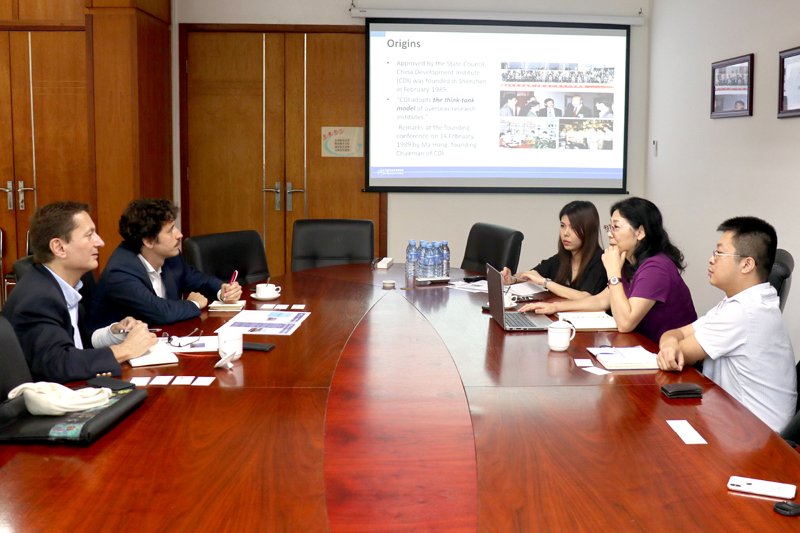 On July 10, 2018, CDI and PanamAsia, an international financial service company jointly hosted a routable themed on the financial cooperation under Belt and Road Initiative. In terms of lowering the financial risks of the Belt and Road Initiative project, both parties believed that the project should attract more public and non-governmental capital. What is more, the representatives of PanamAsia pointed out that numerous of French enterprises are anxious to be involved in the projects along the Belt and Road Initiative, therefore, being more transparent would bring more opportunities to Belt and Road Initiative.
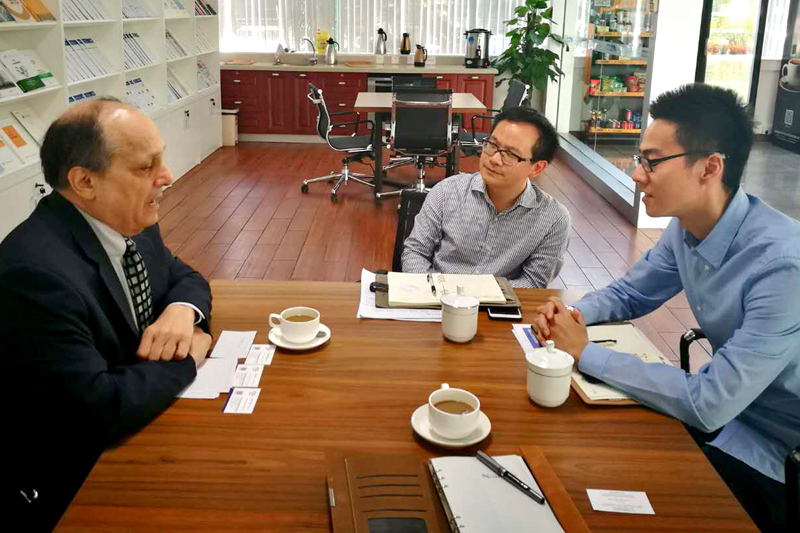
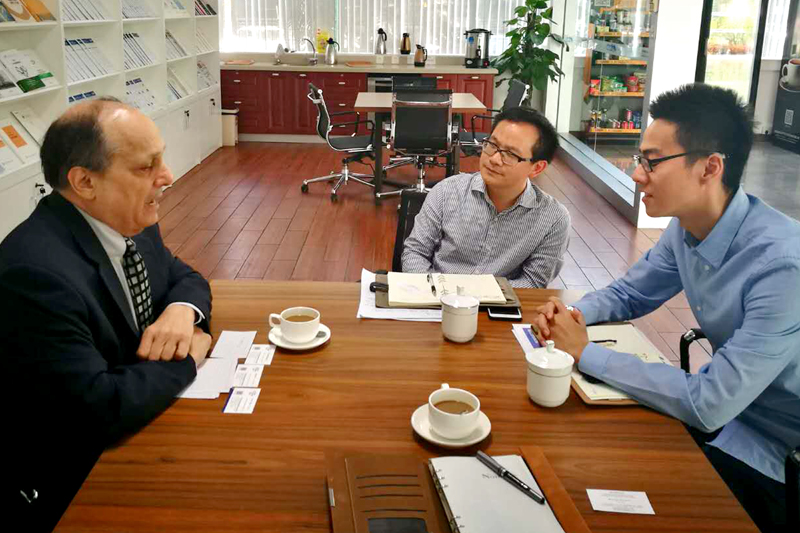 On April 2, the president of Anari, Mr. William Anawaty visited CDI to learn the development path and experience of Shenzhen's innovation. Both parties reached consensus that the new economy mode serves as a stronger driver for Shenzhen's dynamic growth since 1978. And the reform of innovative mechanism will continue to advance Shenzhen's future development.
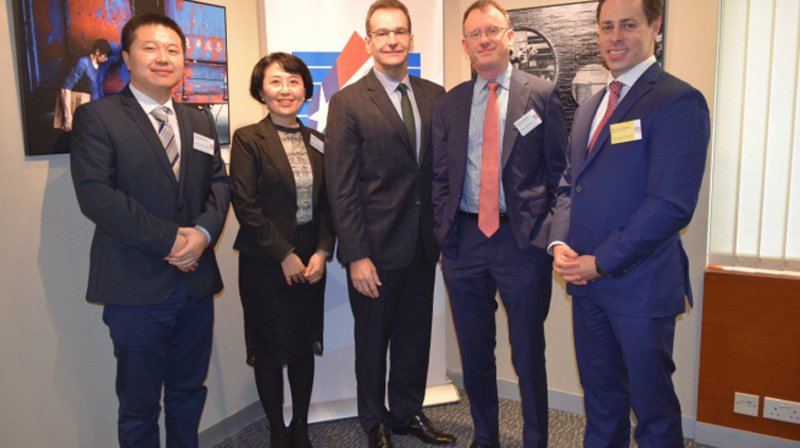
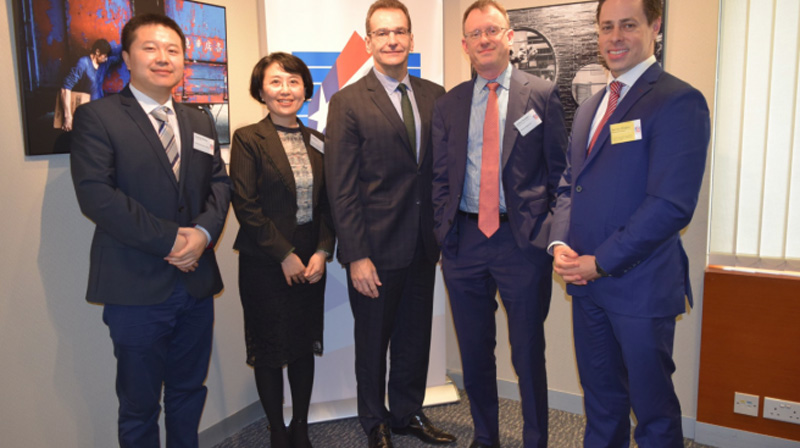 One May 7, 2018, CDI and AmCham jointly organized a timely event titled “Dagger Drawn: What does U.S.-China Trade Standoff Mean for You?” in Hong Kong. The panel discussion focused on the current U.S.- China trade tension and the impact on business in the region. During the discussion, the panelists talked about the prospects of the trade war and the possibility to avoid it. CDI expert and fellow panelists stated that two countries have significant difference on culture, social structure, institution as well as two different economic systems. To solve the friction, two countries need to establish an inclusively frequent communication and docking mechanism on the basis of equality and mutual benefit. Moreover, China's future economic, industry and trade development should serve to strive win-win result for both countries. CDI expert pointed out that there are still rooms for transnational companies to expand in China, even under the current moment. Companies should well study and interpret the national strategic planning for development to seek opportunities.
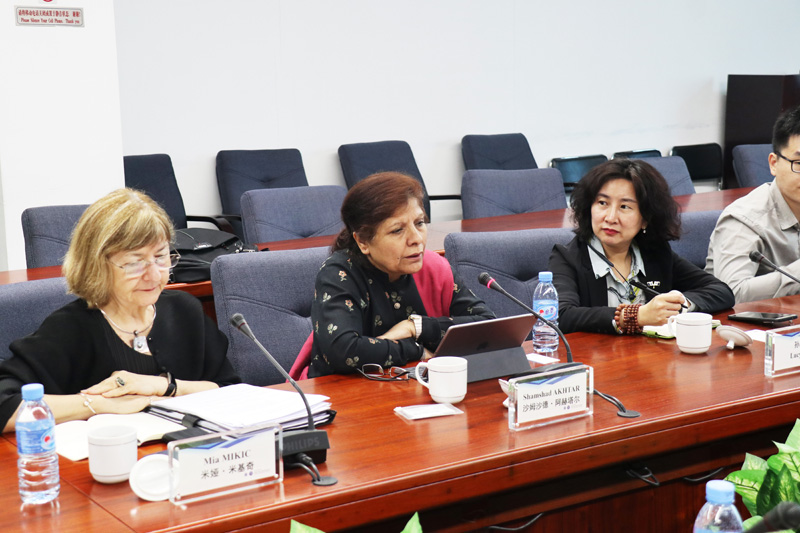
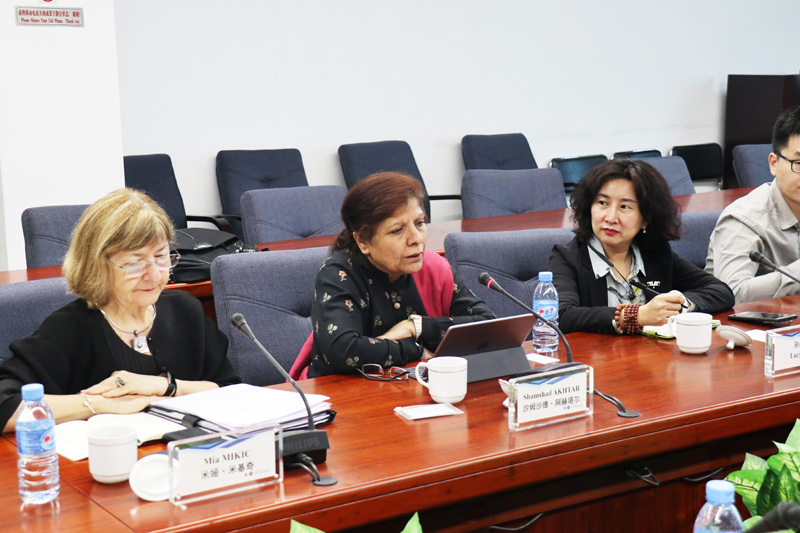 Dr. Shamshad Akhtar, Under-Secretary-General of the United Nations and Executive Secretary of the United Nations Economic and Social Commission (ESCAP), and Dr. Mia Mikic, Director of the Trade, Investment, and Innovation Division of ESCAP, visited CDI and had discussions on joint research on the Belt and Road Initiative (BRI) with CDI experts. Dr. Akhtar said that BRI, which will enhance integration in Asia-Pacific region, will facilitate the implementation of the 2030 Agenda for Sustainable Development and that BRI need to address challenges of infrastructure connectivity, trade costs, sovereignty debts, labor skills etc. UNESCAP and CDI agree to promote cooperation on research related to trade, investment, transport, and innovation to ensure policy coordination in the implementation of BRI and the 2030 Agenda for Sustainable Development.
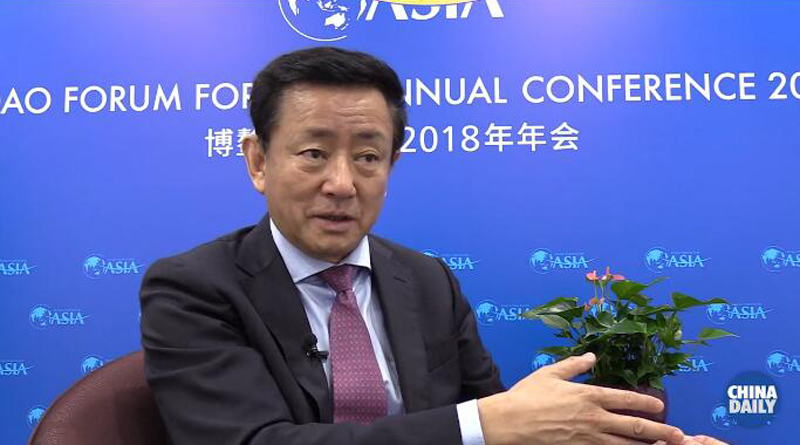
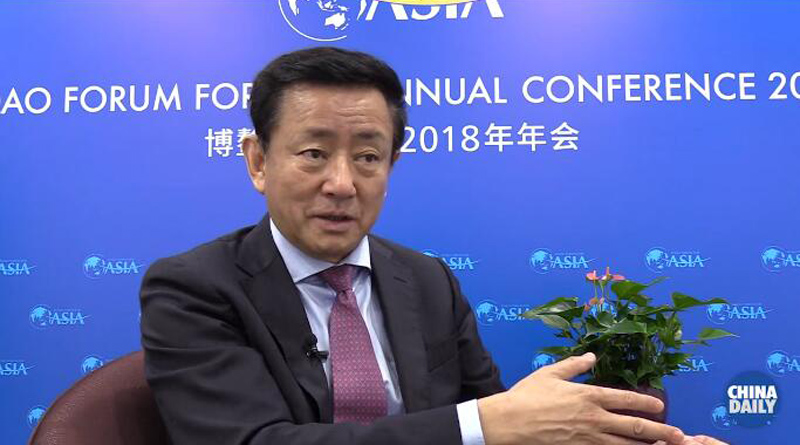 Any country needs to react on the trade friction or trade war. In the regard of trade deficit, President Trump is not focusing on trade related issues. He is targeting intellectual property rights, China’s high-tech industry, “Made in China 2025” development strategy which are really about growth, development and emergence of China.
In the long-term, Sino-US trade tension definitely will cause negative impact for both America and China, as well as other countries since China is part of the supply chain.
We need to understand that the long-term interest is to enjoy long-term continuous and sustainable growth. In time people will get used to China’s growth. Now they are not used to it yet.
In terms of further opening up of China, it is a fundamental interest. We have been opening up in the past 40 years. As a result, we became stronger, and more used to international market, its risks, fluctuations, and sometimes crisis. As we are more sophisticated in dealing with these risks, we can open further. And as we grow up we need to take responsibilities for human kind and global community. Further opening up implies a lot of tasks at hand, for example, composition of new policy; then afterwards people need to adapt to the new institution. It’s not easy but it’s time.
As to Chinese macroeconomic development trend in the near future, we should know that there is risk in the economy at any given time. We are already at the bottom, part of, not a V curve, but rather a L curve. Now we are on the vertical line at the bottom, which is not long, but we still have some distance to go. In other words, we are in the process of bumping at the bottom and cannot immediately bounce back to high growth. This cycle is a normal process. Hopefully we can use this opportunity to fix our problems, e.g. overcapacity and financial risk, in order to have better growth in the next stage of economic development.
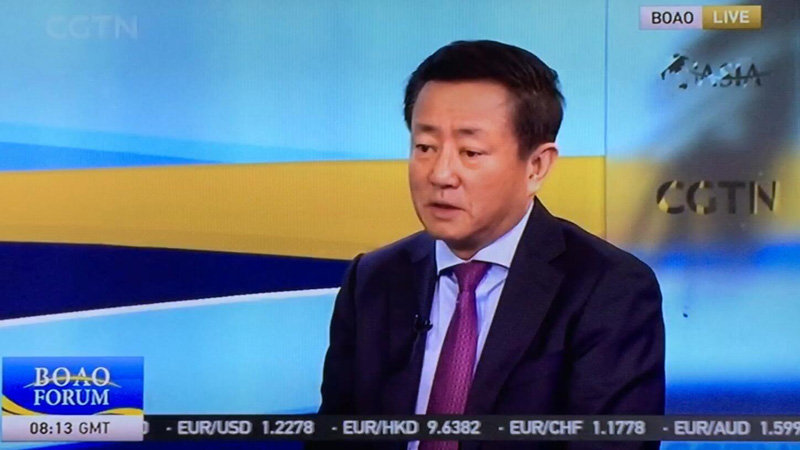
Integration of Asian economy has been a phenomenon for a long time. It is not organized, but rather created by market forces and integrated into supply chain. There is division of labor. Everybody has its position, special competitiveness and comparative advantage in the supply chain. Because it is market driven, competitiveness is real.
The natural formation of this chain of values can be attributed to a lot of factors, for example, culture, stabilities, government efforts and policies. Started with East and Southeast Asia, now Central and Southern Asia, people realized that joining the global supply chain under globalization and regionalization is essential for economic development. At the beginning, Japan led the flock, then there were the Four Asian Tigers, and Tiger Cub Economies, then mainland China. This is the result of market forces and the competitiveness is real. Asia has become the most interesting, dynamic place in the world and contributed to 60% of global GDP growth. Therefore, we need to put more analytical effort in order to show the world why it happened.
US and Europe are in the upturn of economy and export to those two markets has increased in recent years. The only problem is looming trade frictions, causing worrisome which may in turn cause downturn. This shows that when you have trade friction with one country, it causes chain effect on the others. Everyone else will feel the impact because we are on the same supply chain. That’s why anti-globalization is indeed anti globalization because anti one country means anti globe.
As for the current protectionist impulse, we do need to face and deal with it. We should continue on with globalization and market supply chain even though we have trade friction with one or two countries. It is our strength that we can continue to do business with the other countries. A new term “Emerging Asia” proposes a dynamic Asia. We will not only do business with developed Asia like Japan and South Korea, but also emerging countries in Asia.
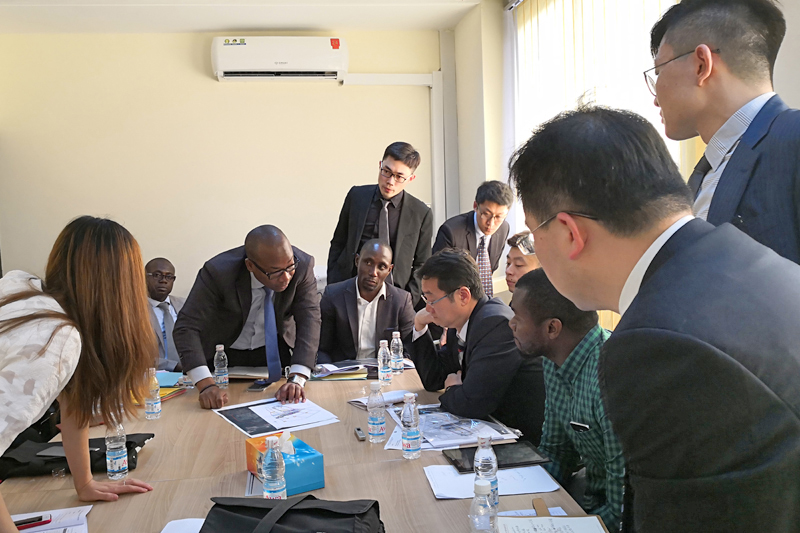
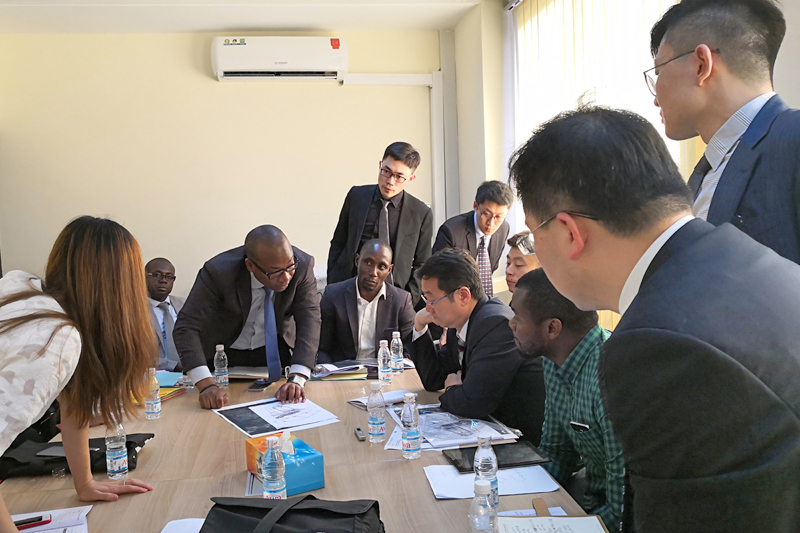 On March 12, CDI held China-Africa Special Economic Zones Seminar in Coate d’Ivoire with representatives from Ministry of Industry and Mines of Coate d’Ivoire, African Export-Import Bank, Agency of Management and Development of Industrial Infrastructure (AGEDI) and Funds of Development of Industrial Infrastructure (FODI), Made in Africa Initiative, and Chinese enterprises in Coate d’Ivoire attending. CDI experts gave presentations about development experience of Chinese special economic zones and made suggestions for industrialization of Africa and strategies of industrial zones in Coate d’Ivoire.
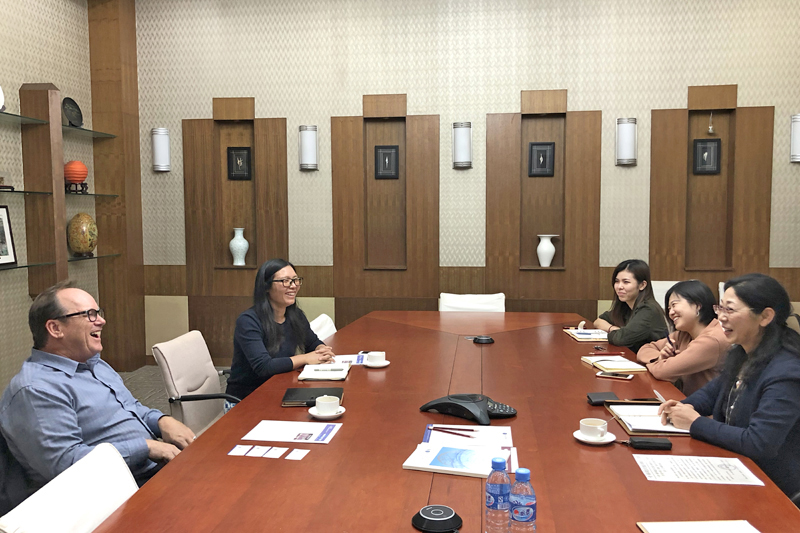
 CDI held an innovation roundtable with Mr. Del Christensen, Chief of Business Development of Bay Area Council, to discuss cooperation between the Guangdong-Hong Kong-Macao Greater Bay Area and San Francisco Bay Area on March 14. The two organizations exchanged views on technology innovation, emerging industries, talents in the two Bay Areas and explored opportunities to do joint research and co-host events.
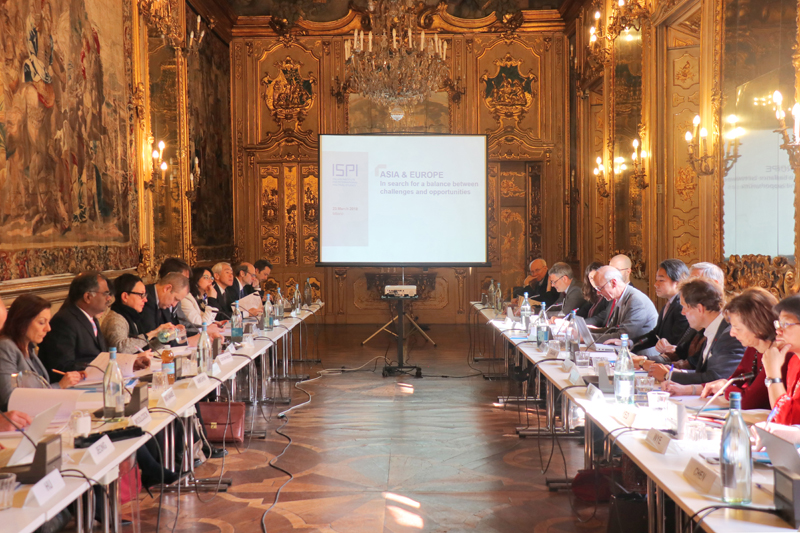
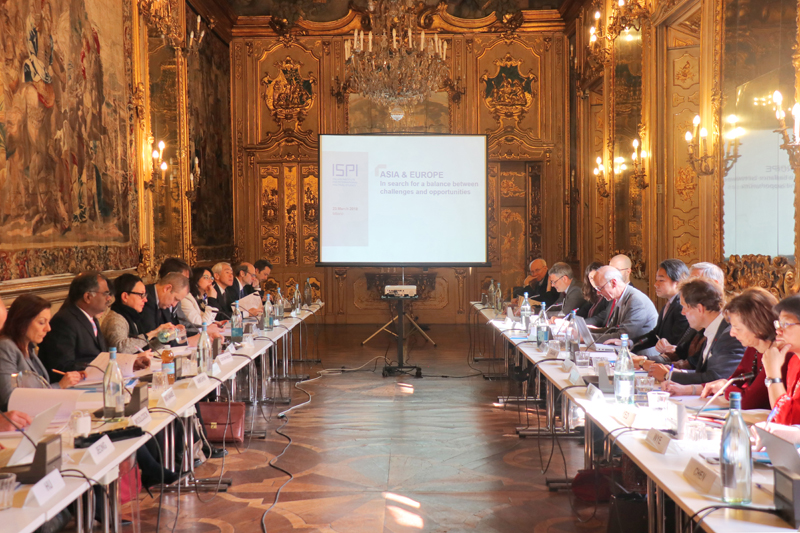 On March 23, CDI and the Italian Institute for International Politics jointly held the roundtable discussion in Milan, Italy, to explore the new cooperation mode between Asia and Europe. Participants from different countries reached a consensus that the “Belt and Road” Initiative shall be served as coordination bond of the Eurasia multilateral cooperation mechanism. China and the EU can also join hands to seek more cooperation opportunities in third-party markets through deepening political mutual trust. Moreover, the cooperation between China-EU should deliver more benefits to people from countries along the “Belt and Road” and strive to give new impetus into Eurasia cooperation and economic globalization.
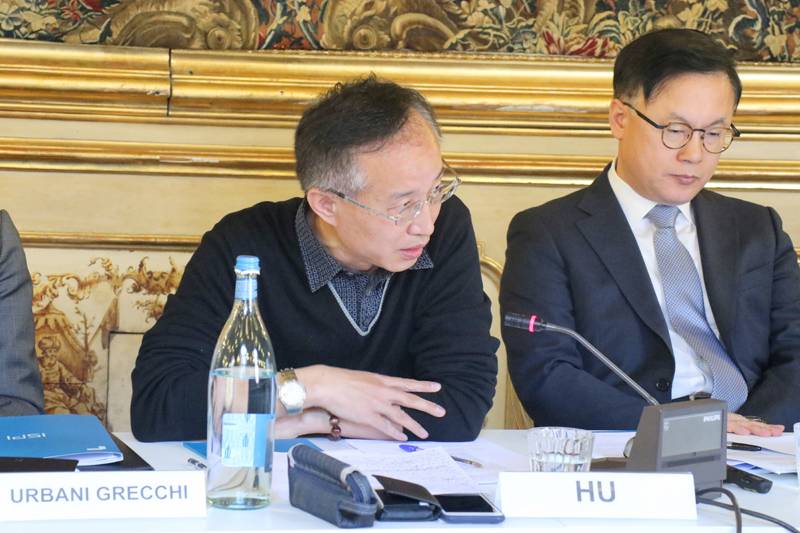
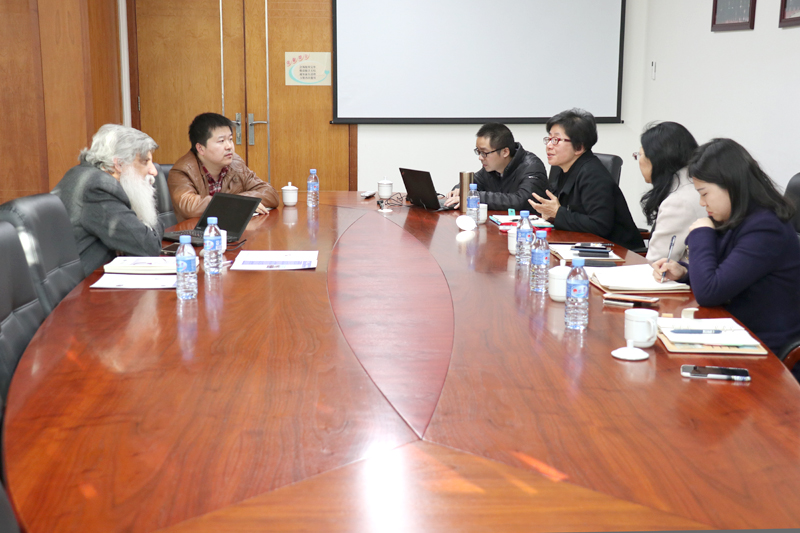
On January 12, Dr. Partha Mukhopadhyay from Centre for Policy Research visited CDI to learn the experience of and challenges for China’s urbanization and share the experience of Indian pharmaceutical industry. Senior Research Fellow Dr. Ruan Meng and Ms. Feng Yueqiu, Director of International Cooperation from CDI introduced industrial transformation and urban development of Shenzhen and the status quo of the Guangdong-Hong Kong-Macao Greater Bay Area, while Dr. Partha Mukhopadhyay introduced India’s flexible and inclusive regulations related to the pharmaceutical industry which enable the access to affordable and effective drugs for low-income people.