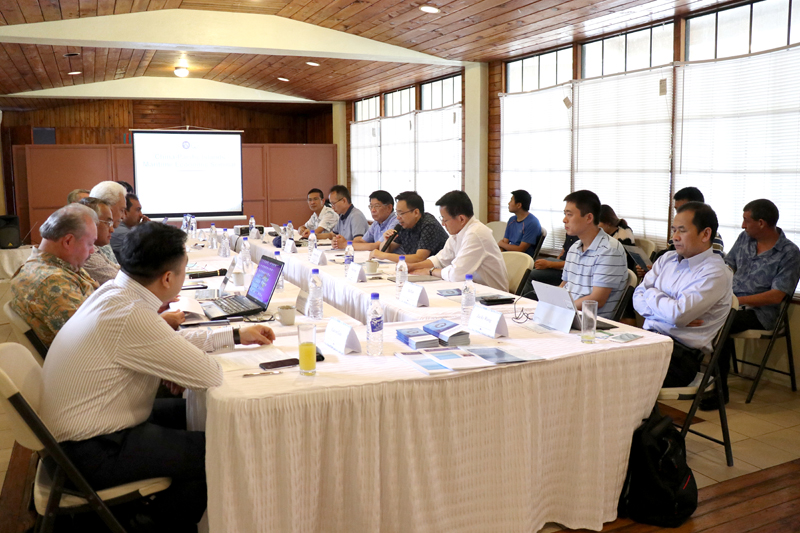
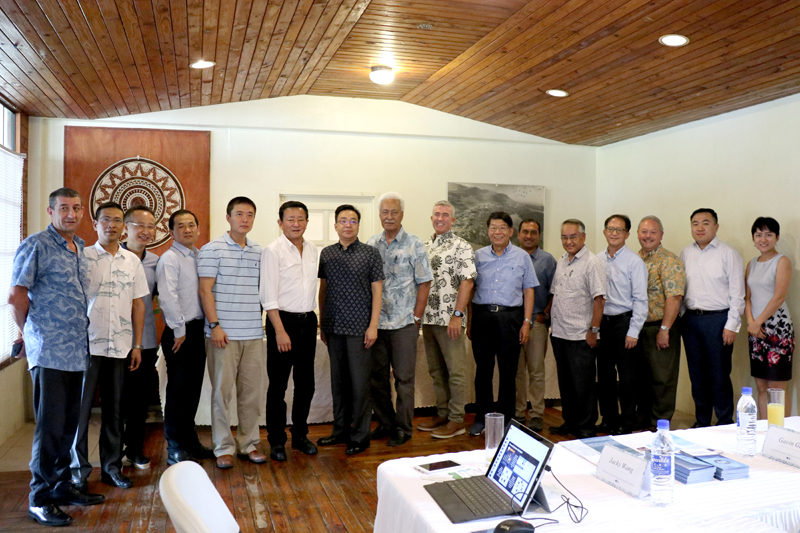
 The China-Pacific Islands cooperation on marine ecological conservation, blue economy, maritime security, marine technological innovation and maritime governance has yielded early results under the framework of the 21st Century Maritime Silk Road. In order to improve infrastructure, create employment, alleviate poverty and achieve sustainable development, China and the Pacific Islands should synergize their development strategies and deepen the maritime economic cooperation while advocating the principles of equal negotiation, joint development and benefits sharing.
Date: September 27, 2018
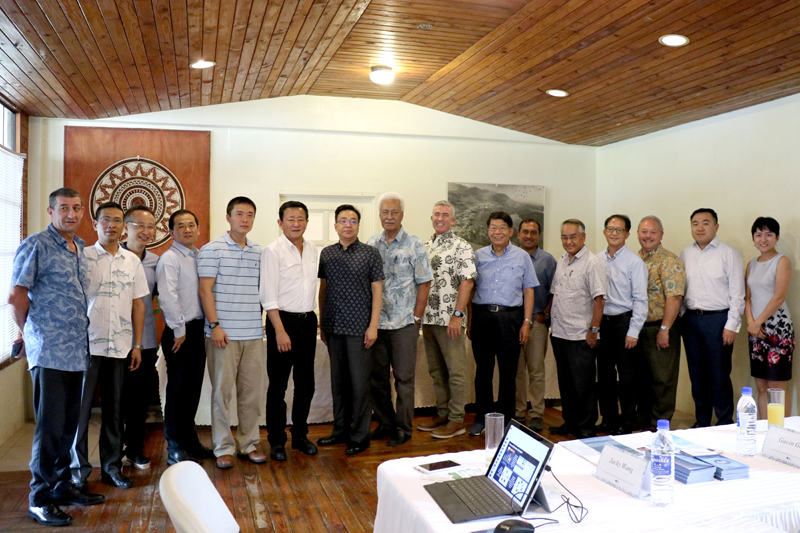
Venue: Cliff Rainbow Hotel, Kolonia, Pohnpei, Federated States of Micronesia
Organized by: China Development Institute and China-Pacific Islands Economic and Culture Association
Supported by: Government of Federated States of Micronesia
Theme: Win-Win Cooperation and Shared Growth
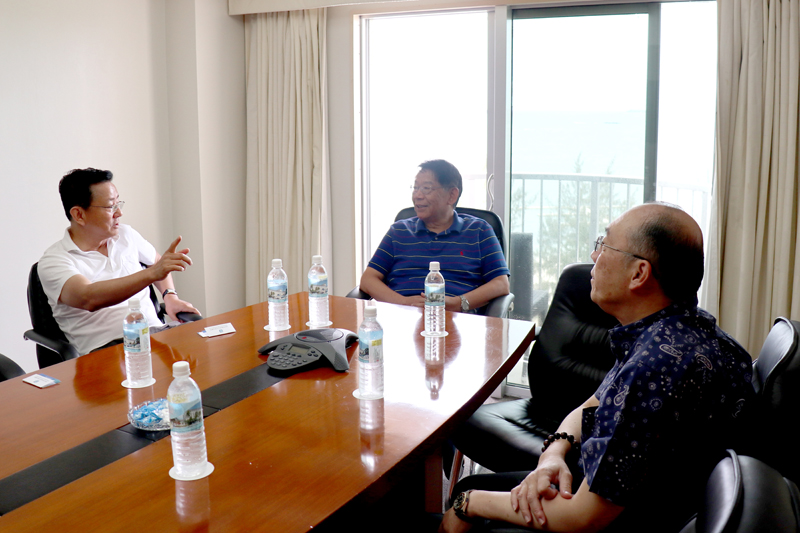
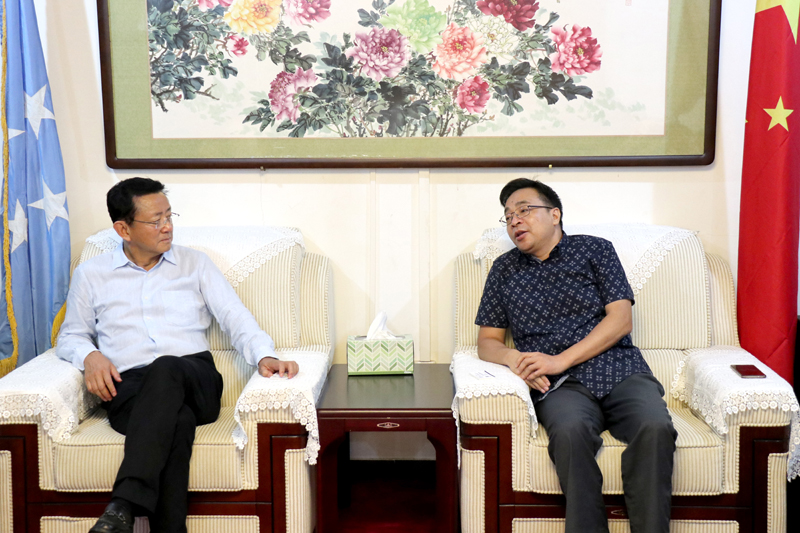
In his opening remarks, Marion Henry, Secretary of Department of Resources & Development, Government of the Federated States of Micronesia (FSM), said that the FSM welcomes Chinese businesses to invest in the FSM as it is beneficial for creating jobs and improving people’s livelihood. Chinese Ambassador Huang Zheng to the FSM said that China and the FSM would work closely to enhance collaboration in key areas such as infrastructure, transportation, fishery, agriculture and tourism for which private sector could be a driving force.
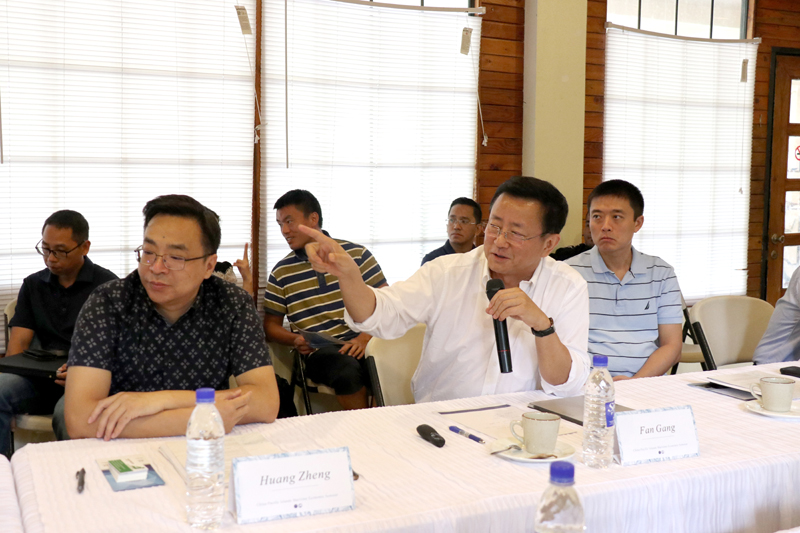
Prof. Fan Gang analyzed historical background and economic rationale of the Belt and Road Initiative. Given that the FSM has had clear development vision, the government should coordinate development of different sectors and provide policies which will bolster enterprises’ confidence to expand their business here.
Poor infrastructure and transportation is a major barrier for economic and social development of the FSM. China and the FSM can strengthen cooperation on information and communications technology and try to open direct flights from China to the FSM. Fisheries are biggest revenue generator for the FSM. On the one hand, fishery resources should be sustainably managed and used. On the other hand, a dynamic system that includes all the component of the supply chains ranging from resource owners, processors, to retailers should be developed by establishing joint ventures with foreign companies. Tourism is a potential economic avenue for the FSM. Tourism sector can take advantage of opportunities of increasing Chinese markets and attracting investments in high-end resorts.
Gallery