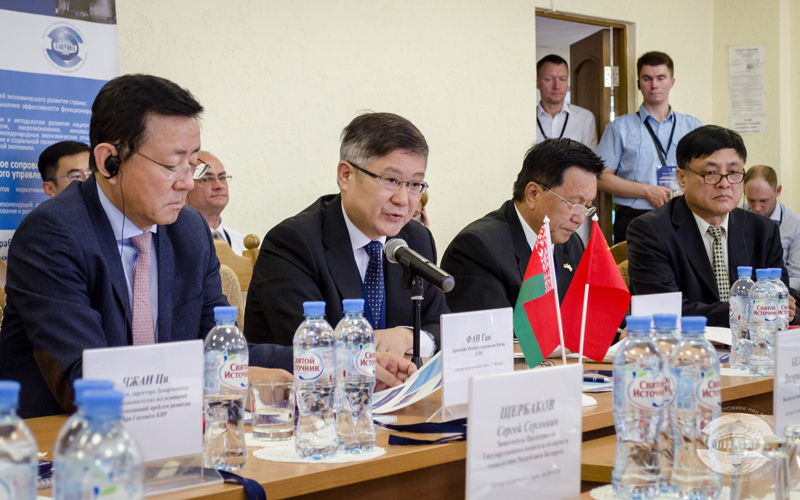
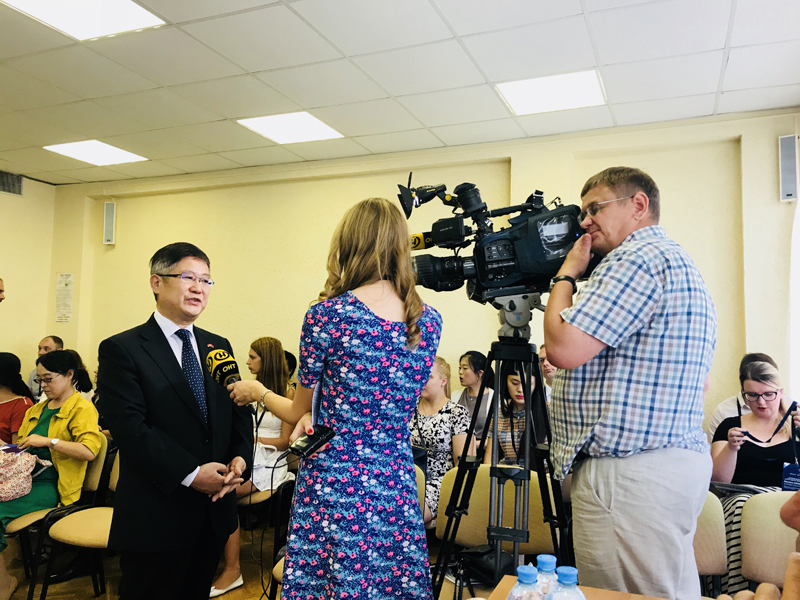
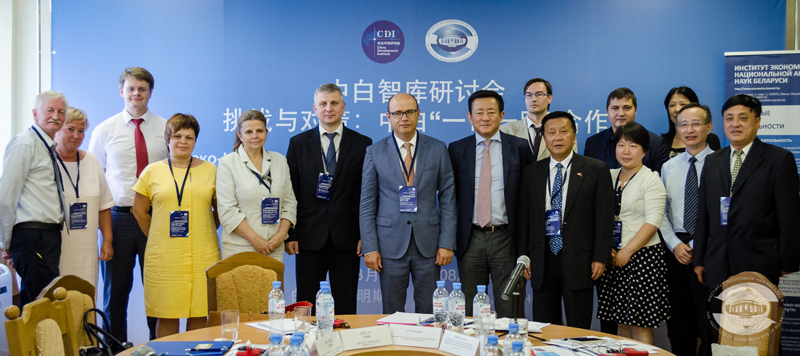
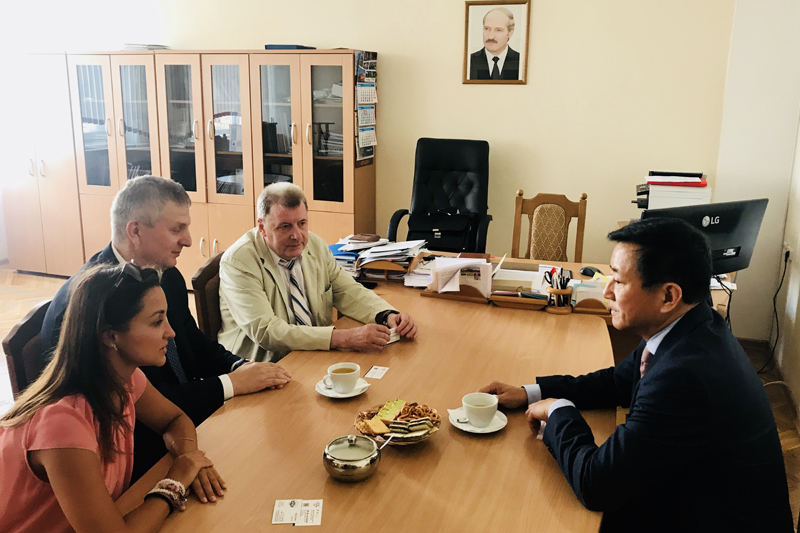
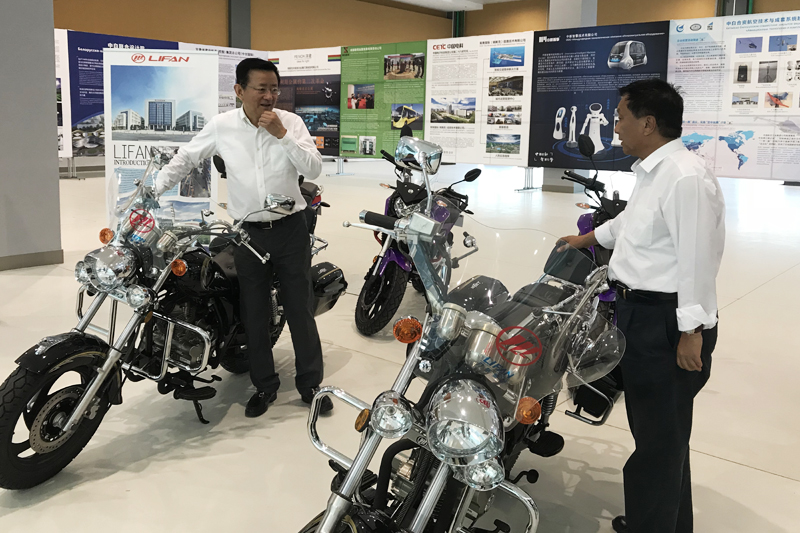
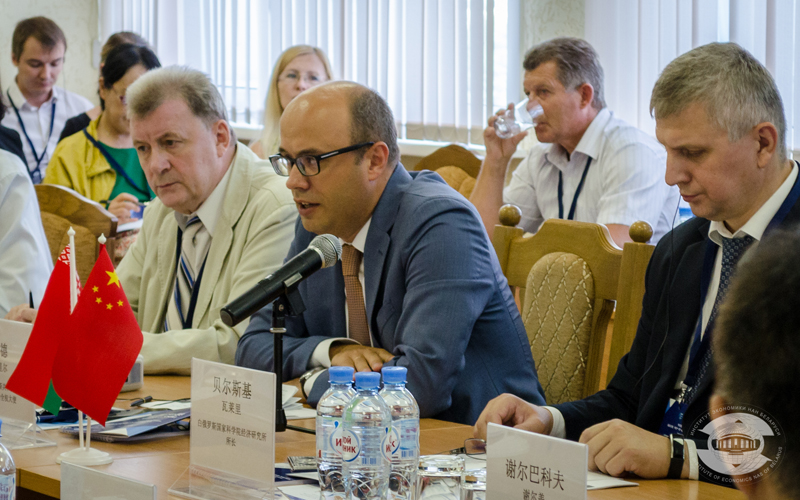
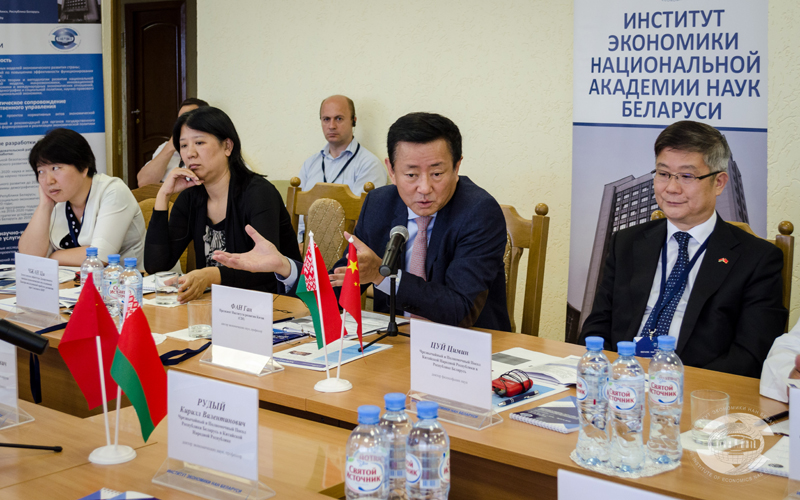
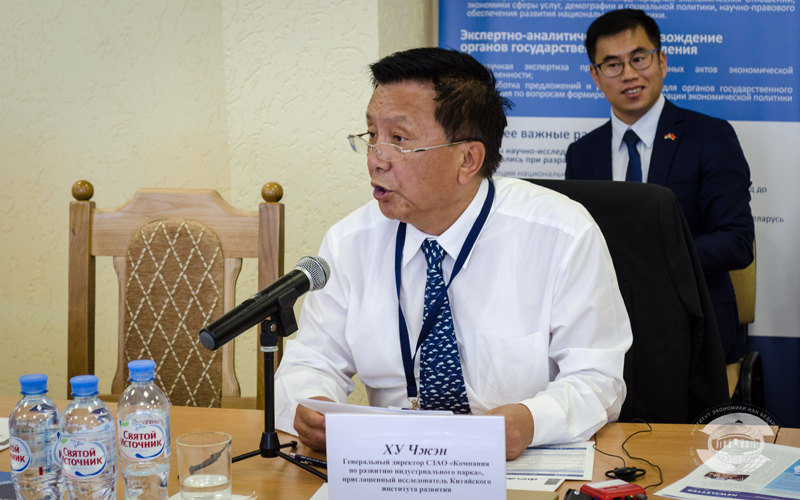
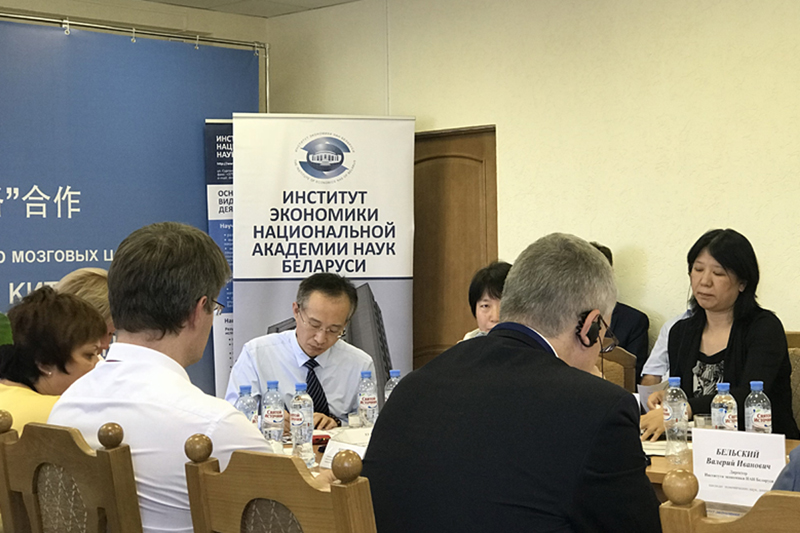
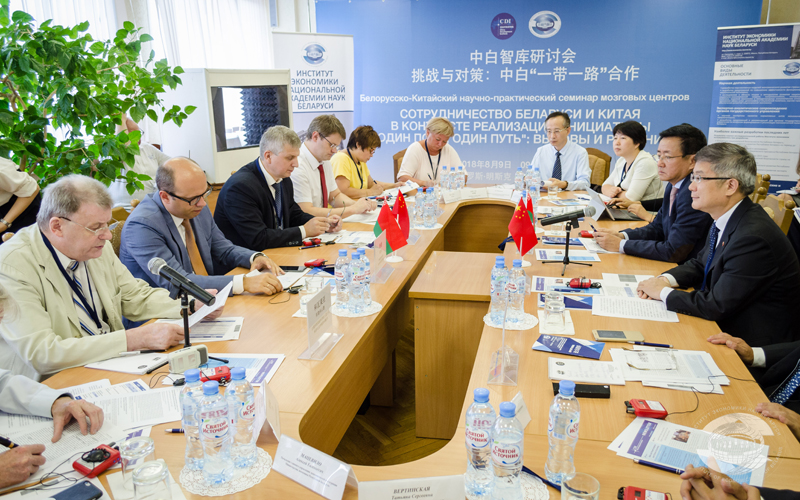
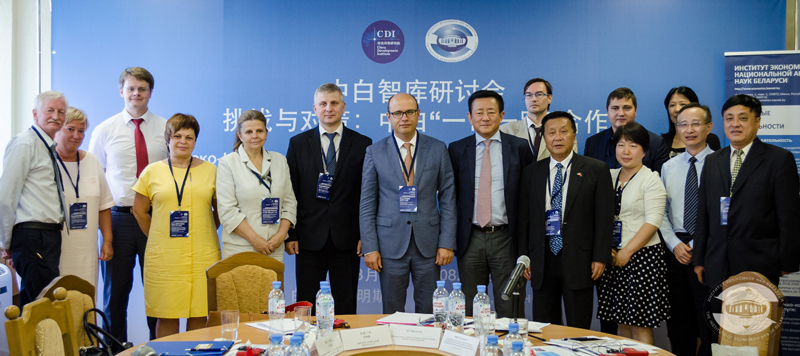
 Since 2015, Sino-Belarus relations in economy and trade have grown continuously and rapidly. Both parties have reached a consensus to foster the new growth point for bilateral cooperation, further intensify the cooperation in economy, trade, and investment, and advance the construction of Sino-Belarus industrial park. The seminar aims to establish a platform in which, government officials, experts and scholars, as well as representatives of enterprises from both China and Belarus will have a dialogue on industrial parks construction, standards connectivity and risk management.
Date: August 9, 2018
Venue: National Academy of Sciences of Belarus
Host: CDI, The Institute of Economics of the National Academy of Sciences of Belarus, China Merchants Group
Theme: China-Belarus Cooperation on Belt and Road Initiative: Challenges and Solutions
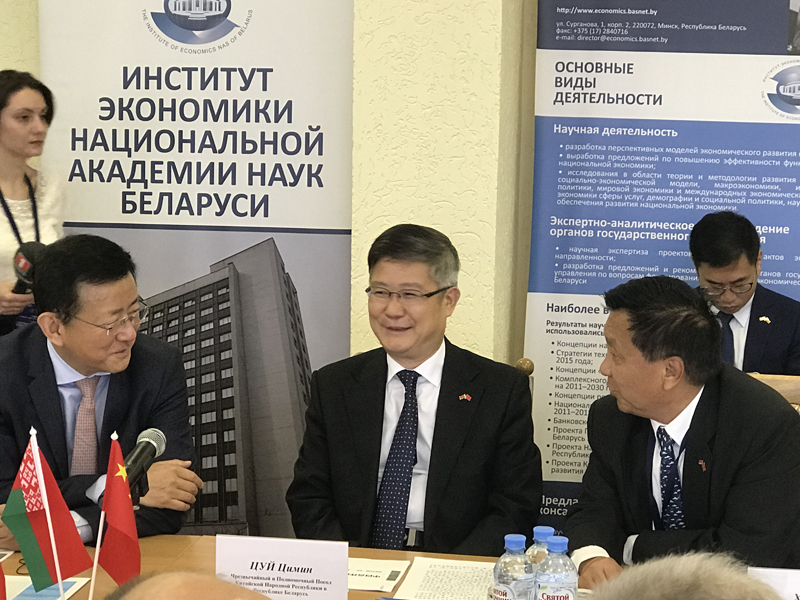
With significant progress in propelling policy communication, infrastructure connectivity, trade link, capital flow, and understanding among people, the two countries have laid a solid foundation for the development of the Belt and Road Initiative.
CUI Qiming, Ambassador Extraordinary and Plenipotentiary of China to Belarus
With the hope of enhancing the investment apeal of Sino-Belarus industrial park, the Belarusian government will continue to improve the local investment environment, ensure the implementation of existing preferential policies, and improve the attractiveness of foreign investment.
Kiril RUDY, Ambassador Extraordinary and Plenipotentiary of Belarus to China
Guided by the Belt and Road Initiative over recent years, with the contribution of Sino-Belarus sci-tech cooperation platform, two countries establish joint labs, R&D centers and scientific research institutions with rich harvest in synthetic materials, aviation, auto mechanics and other joint research projects. This year, Chinese authorities and Science and Technology Committee of Belarus will jointly draw up a cooperation framework for 2019-2020, focusing on further expanding the technological cooperation while and carrying out the 28 existing sci-tech projects in the meanwhile.
Sergey SHCHERBAKOV, Vice President, National Academy of Sciences of Belarus and the Technical Committee
Cooperating under the Belt and Road Initiative, we should look at the infrastructure construction, more importantly, making the best of existing transport facilities to reinforce cooperation between two countries, aiming to accelerate the industrial development of Belarus through the platform of Sino-Belarus industrial park. In which case, we can improve domestic economic development vitality, achieve the sustainable growth of economy, and effectively solve the debt problems for local governments.
FAN Gang, President, China Development Institute
As world becomes interdependent economically, the domestic economic rules of all countries tend to converge, such being the case, following the international standard has become an inevitable requirement for involving in economic globalization. Sino-Belarus industrial park, a fully internationalized zone with diversified capital and the convergence of concepts, has introduced 36 enterprises and now is open to all the investors worldwide. Complying with international norms to regulate business activities is vital for an international industrial park with diverse cultural background, different operation system and enterprises with different economic interest.
HU Zheng, Director, China Merchants Group
It holds the key to improve investment appeal and forge the development of the innovative industries within the park. Authorities in both countries should seek a new mechanism for industrialization, build an effective platform for information sharing, and accelerate the integration of the entrants from different countries into the international commodity trade. Meanwhile, Sino-Belarus authorities should also blend the Sino-Belarus industrial park into the economic chain of Belarus, focus on addressing the shortage of labor force in the park as well as improving the access for expert and talent introduction.
Tatsiana VIARTINSKAYA, Department of World Economy and Foreign Economic Research, Institute of Economics of the National Academy of Sciences of Belarus
First, the development of the Sino-Belarus industrial park is in consistent with the economic and social development goals of Belarus and conducive to its economic stability and sustainable development. Second, during the construction of the Sino-Belarus industrial park, which is the focus of the cooperation, the mechanism for inter-government coordination should be given full play to plan for the future development of the park. Third, the industrial park is a comprehensive project. The government should provide guidance and supports to the project in terms of funds, policies and services. Fourth, the industrial park is proximity to the major EU market and the Eurasian Economic Union market. Entering the related markets requiring the negotiations between the two countries and the EU market since the Eurasian Economic Union has been involved into the Belt and Road Initiative.
ZHAO Huirong, Head of Division of Ukraine, Belarus, Moldova and Baltic States, Institute of Russian, East European and Central Asian Studies, Chinese Academy of Social Sciences
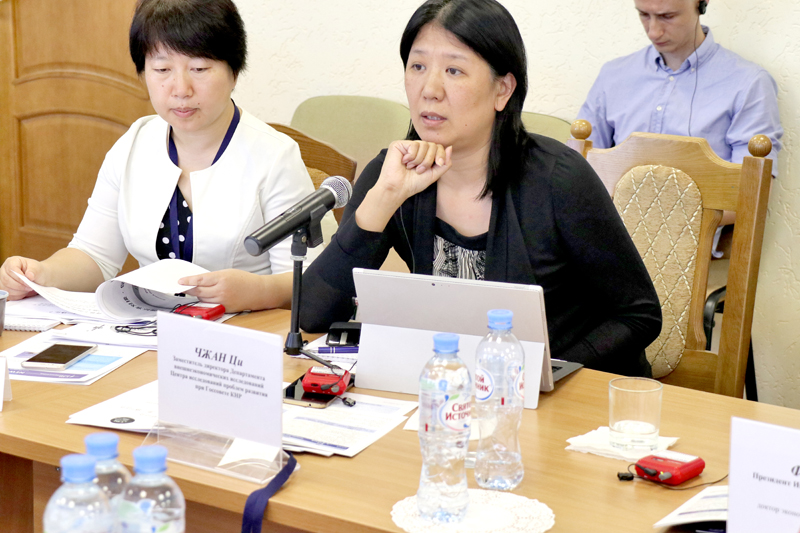
As the international division of labor is detailed, the cross-border movement of commodities, especially that of the parts and intermediate products, is increasingly active, trade cost has a more significant impact on the enhancing enterprises' international competitiveness and high-end value chain while the demand for facilitation becomes more urgent. In promoting infrastructure interconnection, we must improve the investment environment, raise the level of trade facilitation, and promote the flow of commodities, funds, talents, information and other factors. Second, strengthen trade and investment cooperation within the region, enhance industrial development capabilities and international competitiveness, and further assimilate into the regional industrial chains, international division of labor and global value chains; third, seek and promote the trade and investment facilitation as well as the arrangement of liberalization and institutionalization, and deepen the regional integration.
ZHANG Qi, Deputy Director-General of the Research Department of Foreign Economic Relations, Development Research Centre (DRC) of the State Council of China
Risks for investment in the Belt and Road Initiative include: political, economic, cultural and security risks. Chinese companies lack experience in tackling the investment risks and the sound strategic planning for overseas business while their preliminary investigation and feasibility study of the investment projects are not perfect and intensive enough. Furthermore, the companies have little knowledge about the host country's business environment and local rules with no awareness to prevent political risks and security risks. Although risks come from the outside, enterprises' capability to identify risks and strategy also play a significant role. The failure of the project is usually conspired by external risks and inner problems. So it is necessary to do research on project feasibility and make a sound plan for preventing various risks.
LIANG Guining, Director of Institute of Overseas Investment and Economic Cooperation, Chinese Academy of International Trade and Economic Cooperation, Ministry of Commerce
A confluence of external unfavorable factors confronting China and Belarus will increase the risks for cooperation. With the high dependence on international market, economic development of both countries tends to be subject to the foreign demand. Especially as the trade protectionism grows, importers and exporters of the two countries are facing higher risks. Meanwhile, the differences between China and Belarus in the systems and environment of their financial market also bring challenges to the cooperation. Moreover, due to the single industrial structure, Belarus’ foreign cooperation has been limited on petroleum and natural gas. Belarus should commercialize its scientific research achievements in electronics, machinery manufacturing, geology, bio-organic chemistry and other fields alike, promote Sino-Belarus cooperation on technological innovation among scientific research institutions, universities and enterprises, and encourage the mutual funding and implementation of major technological projects to create favorable conditions for the commercialization of scientific and technological achievements.
HU Zhenyu, Director of Sustainable Development and Blue Economy Research Department, China Development Institute
Gallery