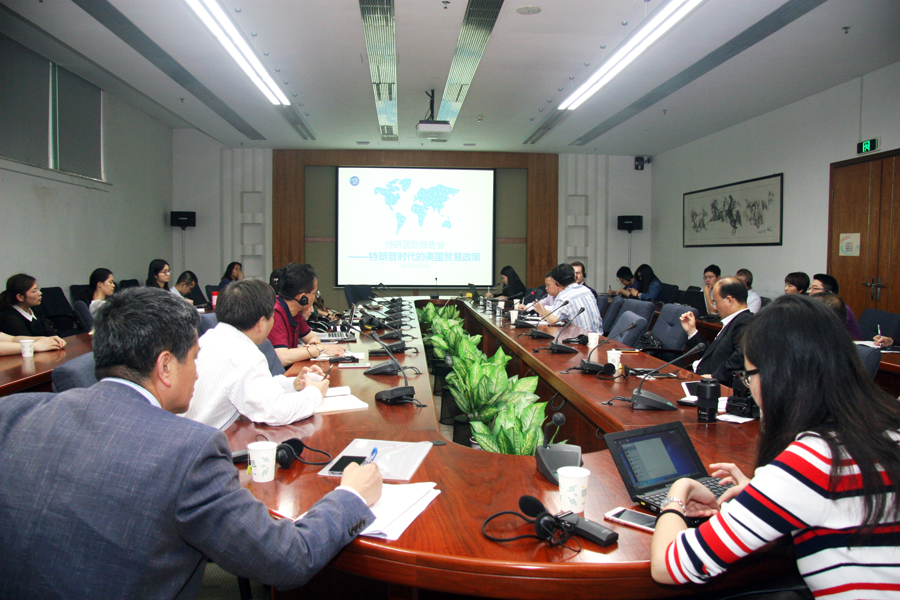
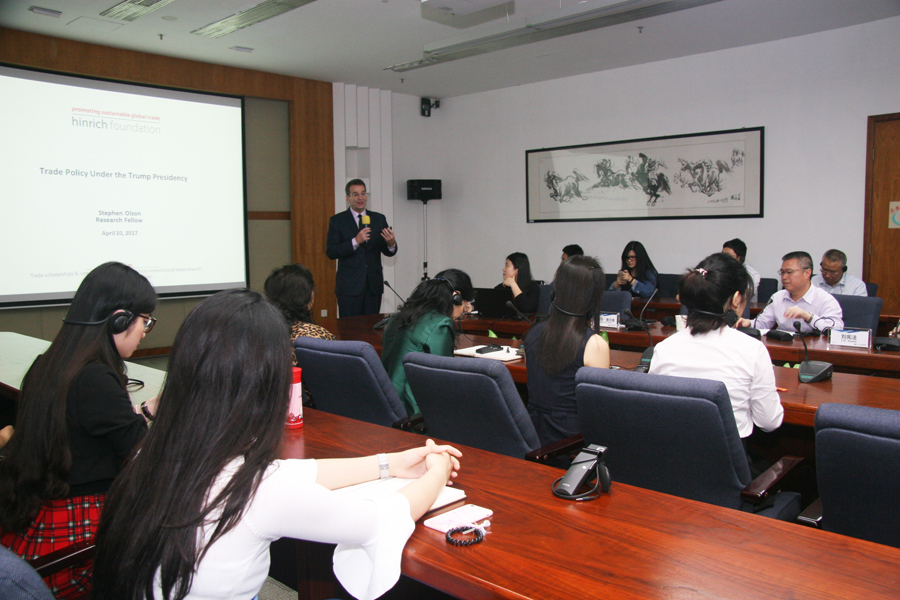
CDI International Report, themed on “US Trade Policies under the Trump Administration”, gathered experts and scholars to have an intense discussion on the current US trade policy and its possible influence on the Sino-US relationship.
Date: April 10, 2017
Venue: Room 101, CDI Mansion, Shenzhen
Host: CDI
Theme: US Trade Policies under the Trump Administration
15:00-15:05 Opening Remarks
15:05-16:05 Dialogue: US Trade Policies under the Trump Administration
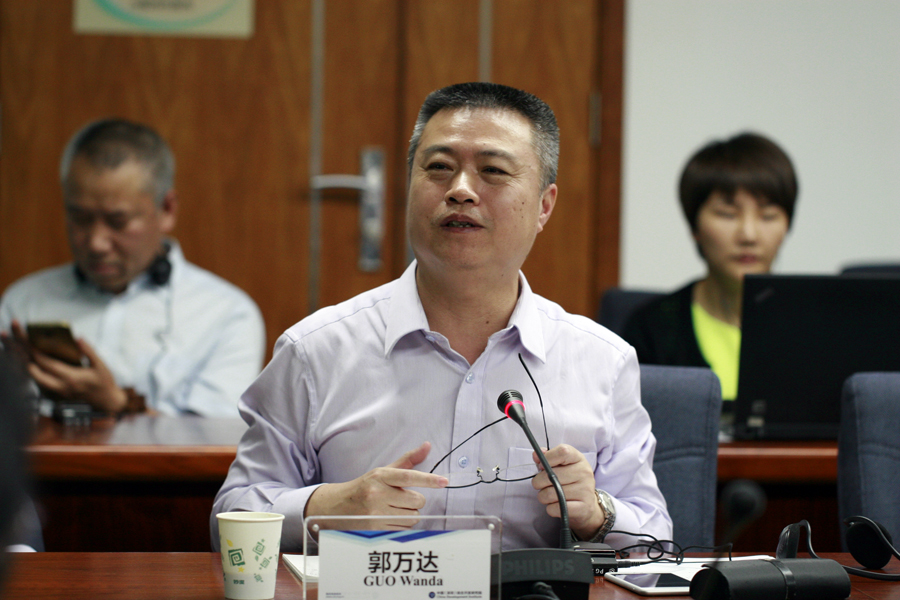
Moderator: GUO Wanda, Executive Vice President, CDI
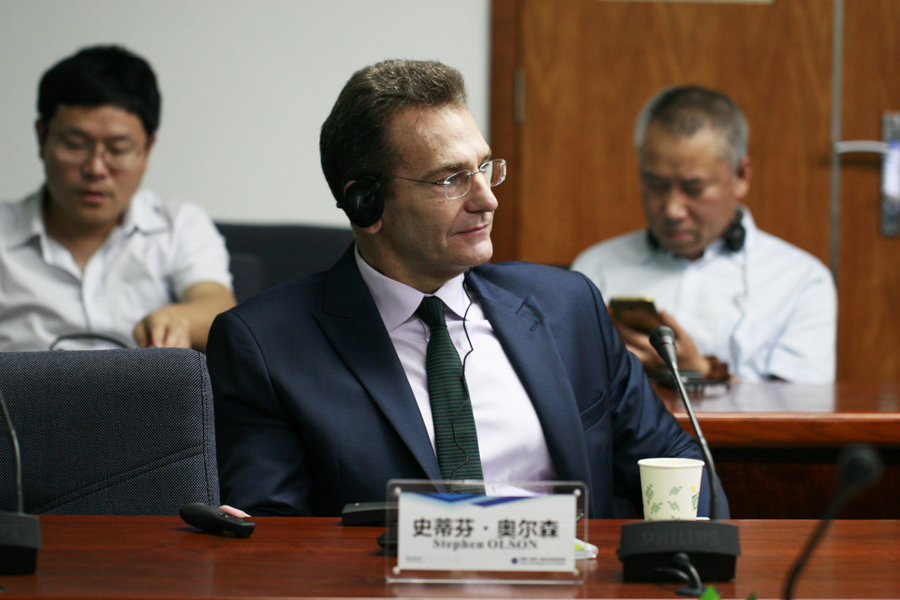
Speaker: Stephen OLSON, Research Fellow, Hinrich Foundation
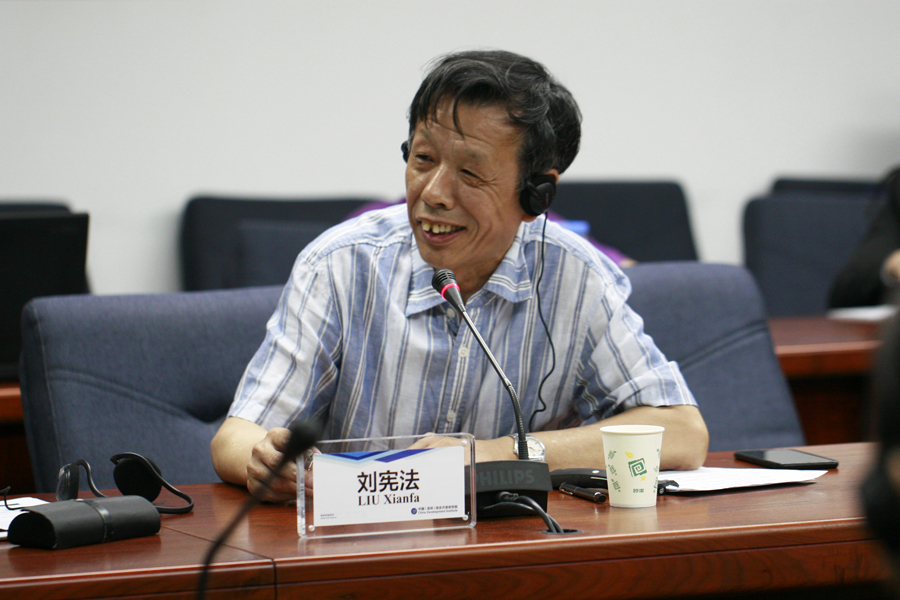
Commentator: LIU Xianfa, Senior Research Fellow, CDI
16:05-16:55 Q&A
16:55-17:00 Closing Remarks
The best quotes from the forum are as follows:
“America would intend to prefer bilateral agreement instead of multilateral agreement or regional agreement, for this would add more advantage for America and avoid lowest common denominator.”
The U.S. would make trade policy on the basis of its own interests, with goals of increasing growth rate, decreasing trade deficit, strengthening manufacturing base, cracking down on dumping, etc.
The main members of Trump’s current trade group include Willbur Ross, U.S. Secretary of Commerce, Gary Cohn, chief economic advisor to President Donald Trump and Director of the National Economic Council, etc. Most of them hold negative attitude toward China.
During Donald Trump’s presidency, a series of trade policies were made such as tighter enforcement in collecting AD/CVD tariffs and comprehensive review of US trade deficits. These policies would exert some influence on the trade relationship between China and the U.S.
As for Trump’s idea of revitalize America’s manufacturing industry by withdrawing America’s manufacturing lines from China, Mr. Stephen pointed out that it is absolutely unrealistic, for it is the technology evolution and automation that lead to the current situation of America’s manufacturing industry, not trade relationships with other countries. One of the reports from Goldman Sachs mentioned that, it is relative high labor cost and fewer labors that restrained the development of manufacturing in the US.
Stephen OLSON, Research Fellow, Hinrich Foundation
“China would never be interfered by America’s trade policy and would carry out its own policies on industrial restructuring, finance as well as state-owned enterprises independently.”
According to the rules of international trade, if the production line of Apple be moved back to its homeland, US would definitely hurt itself. However, if Trump insists to carry out this policy with blue collar’s support, the trade environment would be quite complicated.
Although the trade relationship between China and US confronts many challenges, we still have confidence in the future.
LIU Xianfa, Senior Research Fellow, CDI
Gallery